Where Whale Sharks Surface Daily at Koh Ran Ped
23 เมษายน 2569
Koh Ran Ped and Ran Kai in Chumphon draw whale sharks every spring to a plankton-rich channel just 18 metres deep — reachable by snorkelers on a 1,700 THB day trip.
A Plankton Highway Between Two Islands
Two limestone humps rise from the Gulf of Thailand roughly 14 kilometres off Chumphon's Pathiu coast. Koh Ran Ped — Duck Island — sits barely 300 metres from its smaller twin, Koh Ran Kai — Chicken Island. The channel between them funnels nutrient-rich water from the open gulf into a shallow corridor no deeper than 18 metres, and that funnel does something remarkable every spring: it pulls in whale sharks.
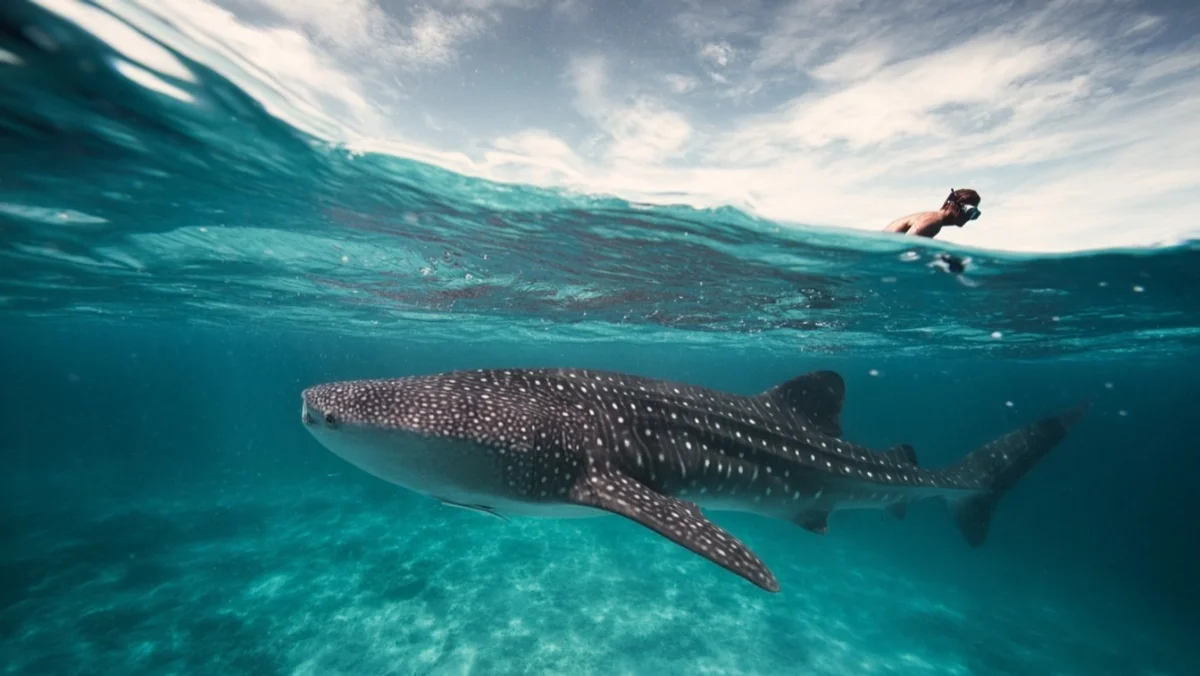
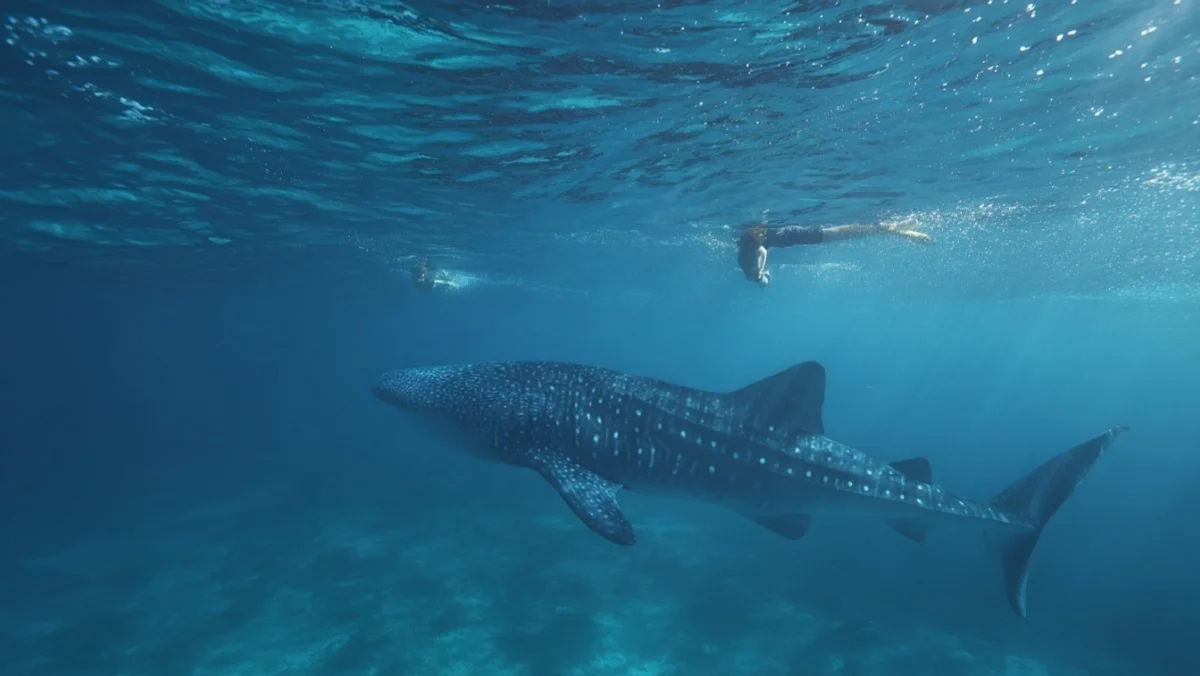
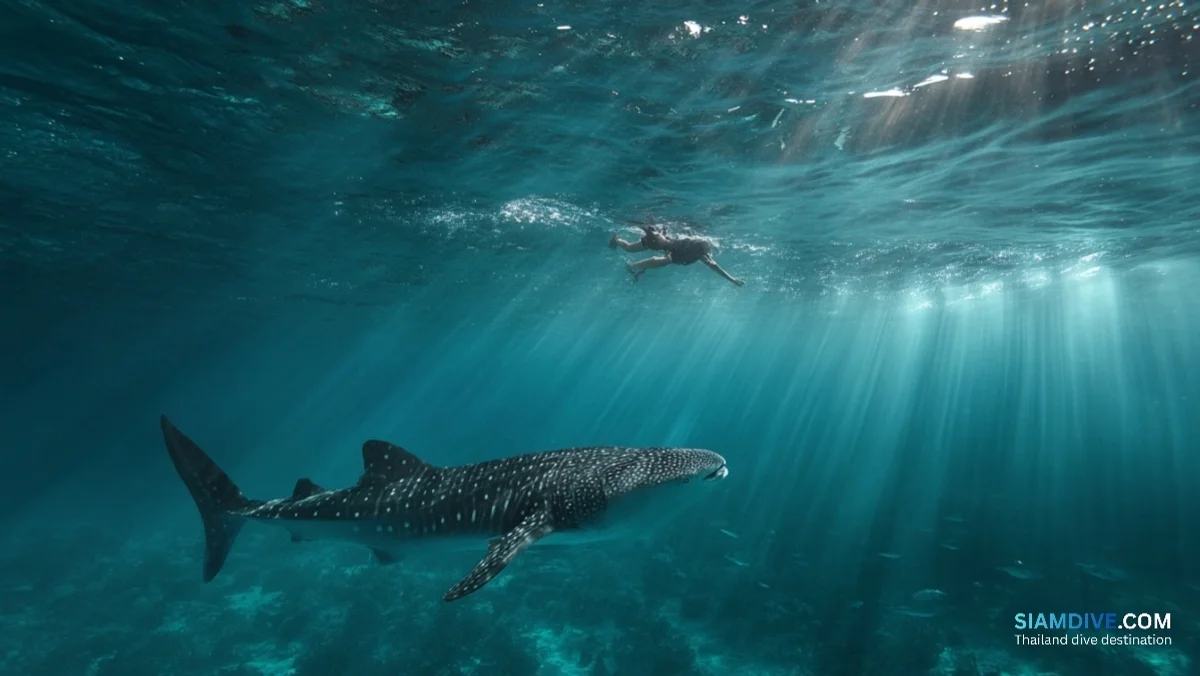
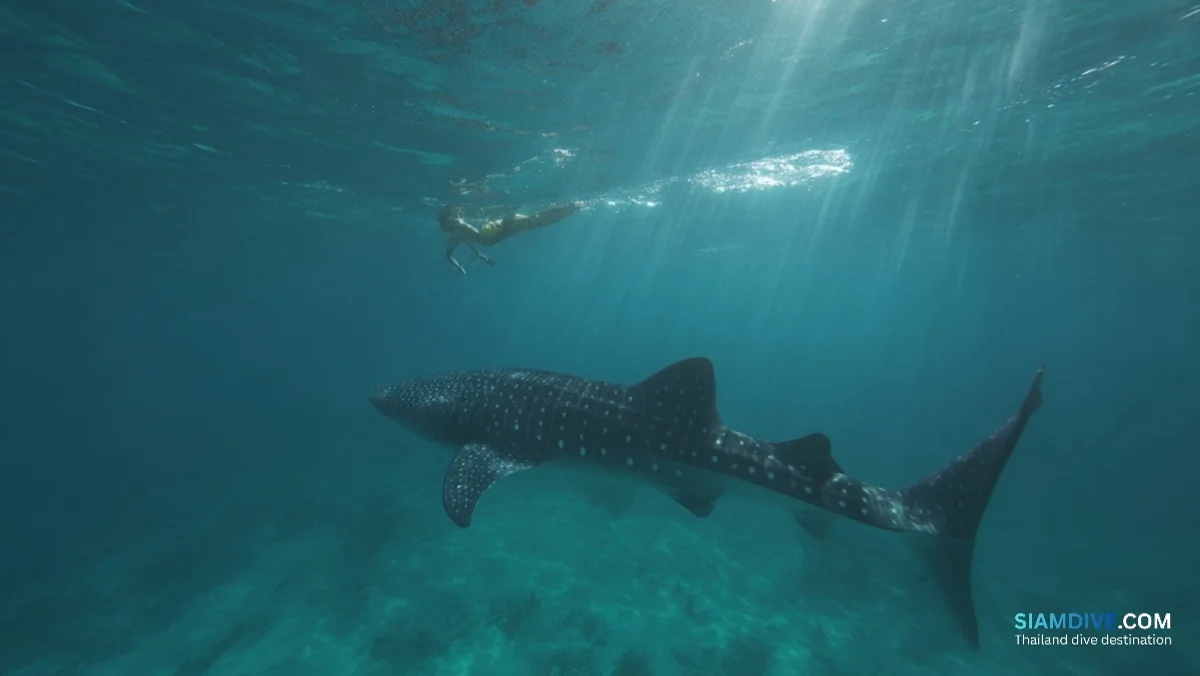
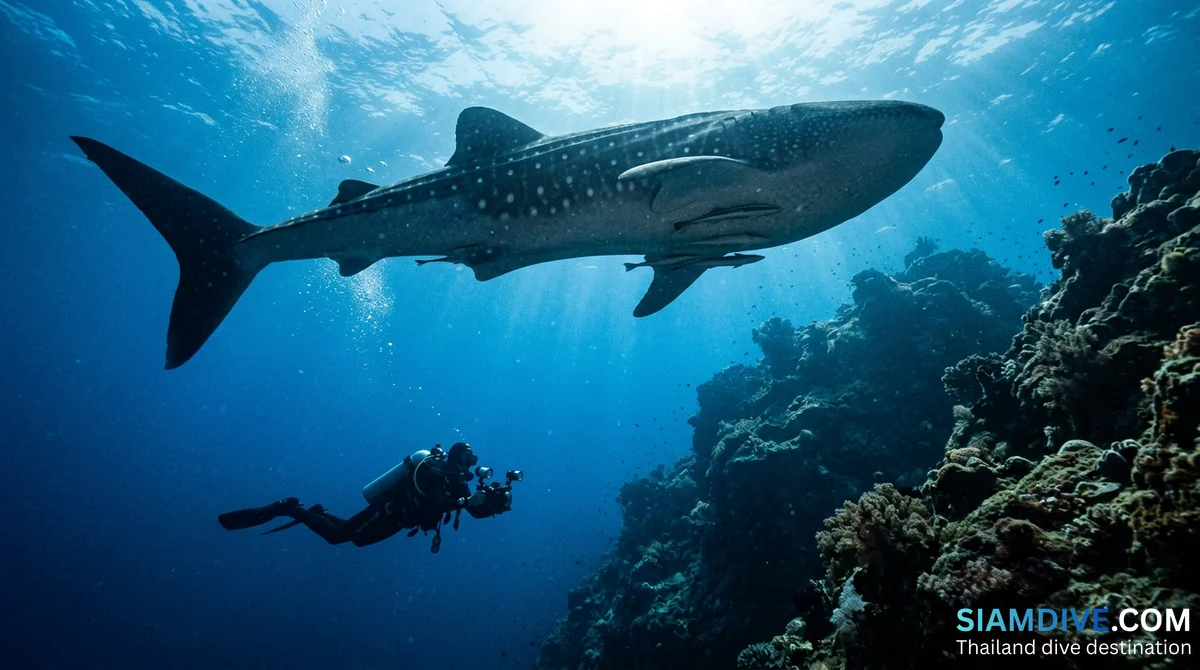
From March through July, the plankton bloom around these islands draws Rhincodon typus into waters so accessible that snorkelers — not just scuba divers — regularly find themselves face to face with the largest fish on Earth. The islands sit inside Mu Koh Chumphon National Park, a 317-square-kilometre marine protected area established in November 1989 that shelters more than 40 islands. Among them, Ran Ped and Ran Kai have earned a reputation as the single most reliable whale shark encounter point in the entire Gulf of Thailand.
The Songkran Surge of 2025
During the five-day Songkran holiday window in April 2025 — from April 11 to 14 — whale sharks appeared at Ran Ped and Ran Kai almost every day. Thai media reported that thousands of visitors poured into the area, generating an estimated 20 million THB in local revenue across lodging, boat charters, and seafood meals. Two individuals were spotted repeatedly: one nicknamed "Nong Jud" and another called "Nong Prik Thai" by local boatmen who had been tracking them for weeks.
A month later, on May 12, 2025, a particularly large whale shark was photographed circling the shallows off Ran Ped's eastern reef. Visibility that day was estimated at 20 metres — peak conditions for the Gulf's clearest month. These sightings align with what marine biologists observe across the Gulf of Thailand: whale sharks follow seasonal plankton concentrations, arriving when surface water temperatures hold between 28 and 30 degrees Celsius and upwelling nutrients trigger phytoplankton blooms.
What Lives on the Reef Year-Round
Whale sharks steal the headlines, but the twin islands hold one of the Gulf's densest resident reef ecosystems. The national park's own survey data credits the Chumphon island group with the highest diversity of fish species in the Gulf of Thailand, and Ran Ped's reef contributes a disproportionate share of that count.
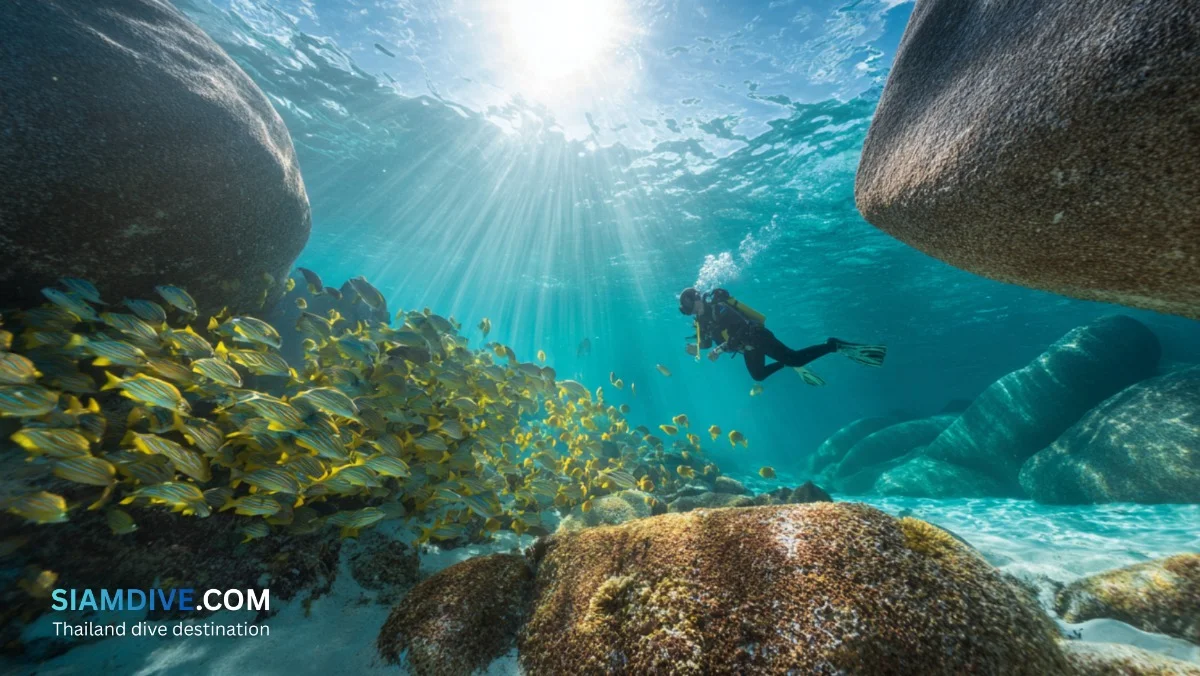
Snorkelers hovering above the shallows at 3 to 5 metres encounter sprawling fields of sea anemones — some stretching across 20 or 30 square metres of reef flat — packed with hundreds of Clark's anemonefish darting between tentacles. Below the anemone zone, the hard coral coverage shifts to branching staghorn and tabletop Acropora colonies, many of which survived the 2010 bleaching event better than reefs further south in the Gulf.
- Depth range: 3–18 m (snorkeling to recreational scuba)
- Coral types: Branching staghorn, tabletop Acropora, massive Porites, encrusting Montipora
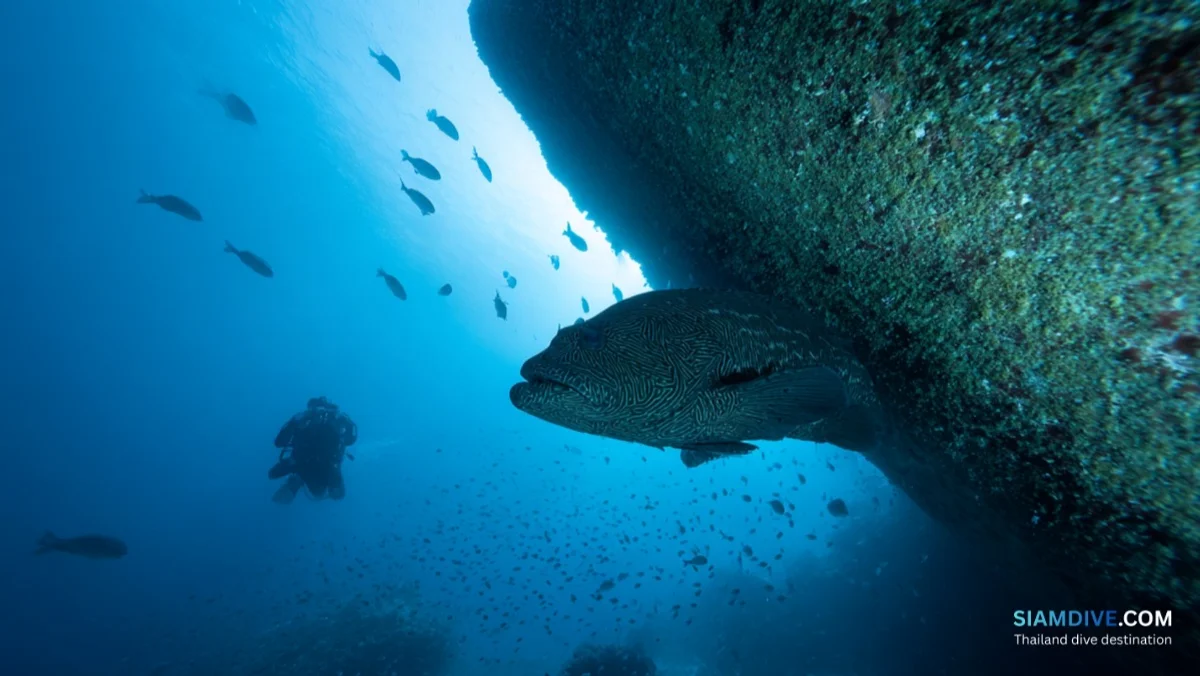
- Resident fish: Clark's anemonefish, yellowtail barracuda, batfish, groupers, moray eels, pufferfish
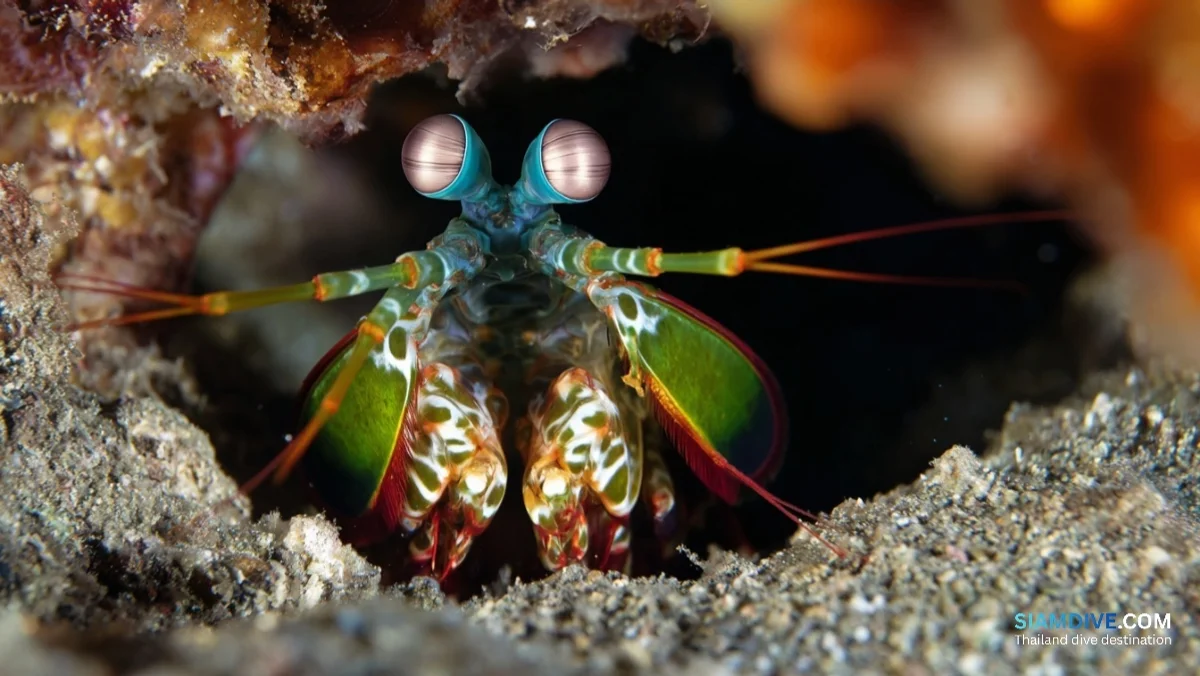
- Invertebrates: Giant clams (Tridacna), lobster, saw-blade shrimp, red Neptune's cup sponge
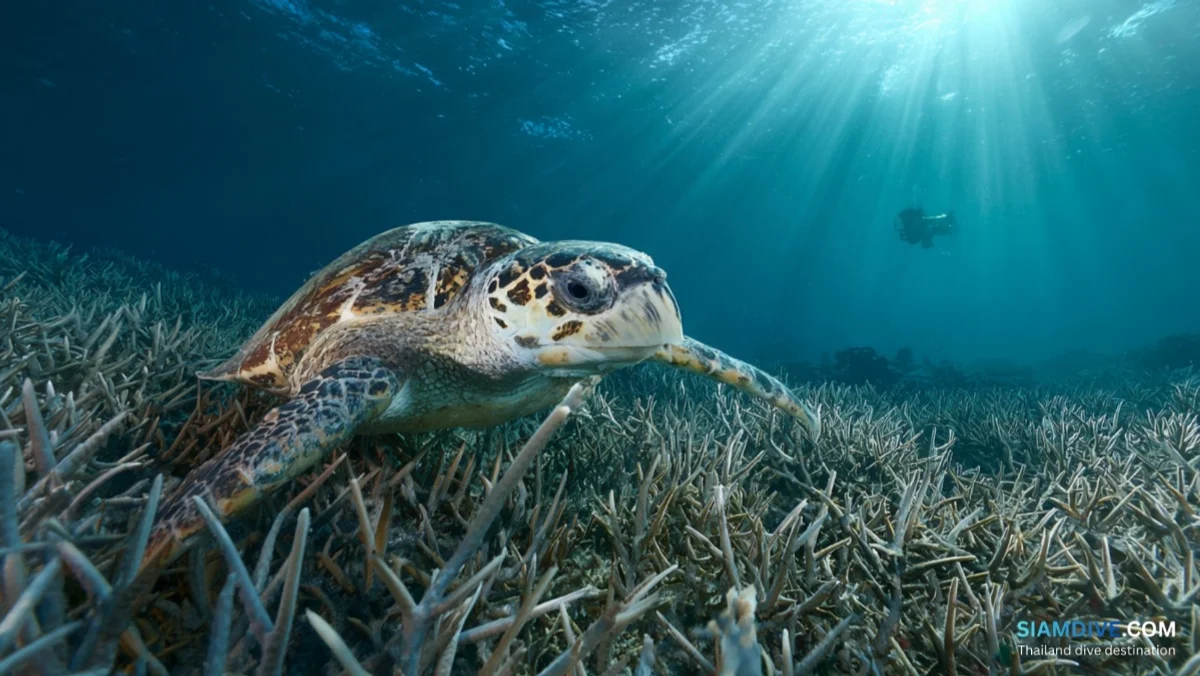
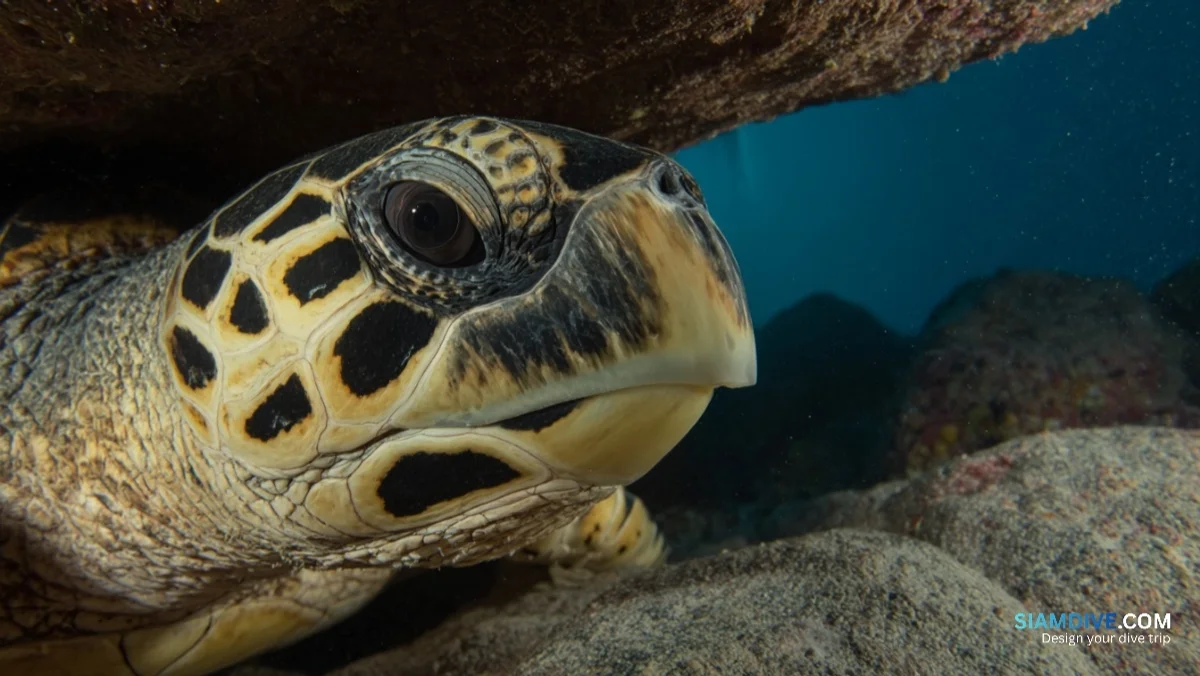
- Pelagic visitors: Whale sharks (Mar–Jul), blacktip reef sharks, sea turtles
Black Coral and the Heart-Shaped Cave
Below 10 metres on Ran Ped's western slope, the reef transitions from hard coral gardens into a black coral zone that ranks among the densest in Thailand. The national park reports that the Chumphon archipelago holds the highest concentration of black coral in the country, and much of that inventory clusters around Ran Ped and the neighbouring island of Hin Lak Ngam. Colonies here come in three distinct colour morphs — light yellow, white, and gold — attached to rocky overhangs and vertical walls between 12 and 18 metres.
On Ran Ped's southern face, a short swim-through opens into a small cavern with a naturally heart-shaped opening to the sky. Thai social media has turned this "Unseen" spot into an Instagram checkpoint, but the formation also serves as a cleaning station where juvenile sweetlips and butterflyfish queue for parasite removal by cleaner wrasse. Red sea whips frame the entrance, adding a photographic foreground that works in almost any ambient light.
When to Go and What to Expect
Chumphon's dive and snorkel season runs opposite to the Andaman coast. While Similan and Richelieu Rock shut down each May, the Gulf side is just hitting its stride.
- March–April: Season opening. Water warming to 28–29°C. Whale shark arrivals begin. Visibility 10–15 m and improving.
- May: Peak clarity. Visibility regularly hits 20 m. Whale shark encounters at their highest frequency. Plankton blooms at maximum.
- June–July: Late season. Water 29–30°C. Whale sharks still present but less predictable. Afternoon squalls possible.
- August–October: Monsoon transition. Conditions variable. Some operators pause trips.
- November–February: Off-season for most boat operators. Cooler water, reduced visibility, whale sharks absent.
Water temperature holds between 28 and 30 degrees Celsius through the core season, warm enough that a 3 mm shorty is more than sufficient. Visibility averages 15 to 20 metres in April and May but can spike higher on calm days.
Getting There: Boats, Piers, and Prices
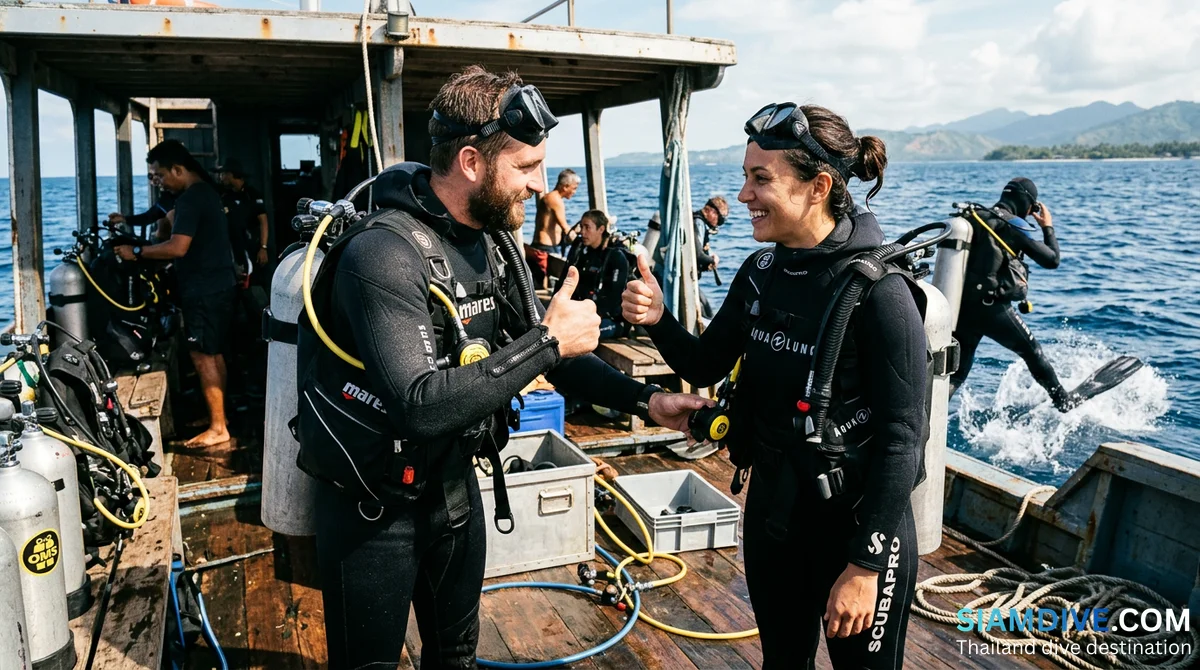
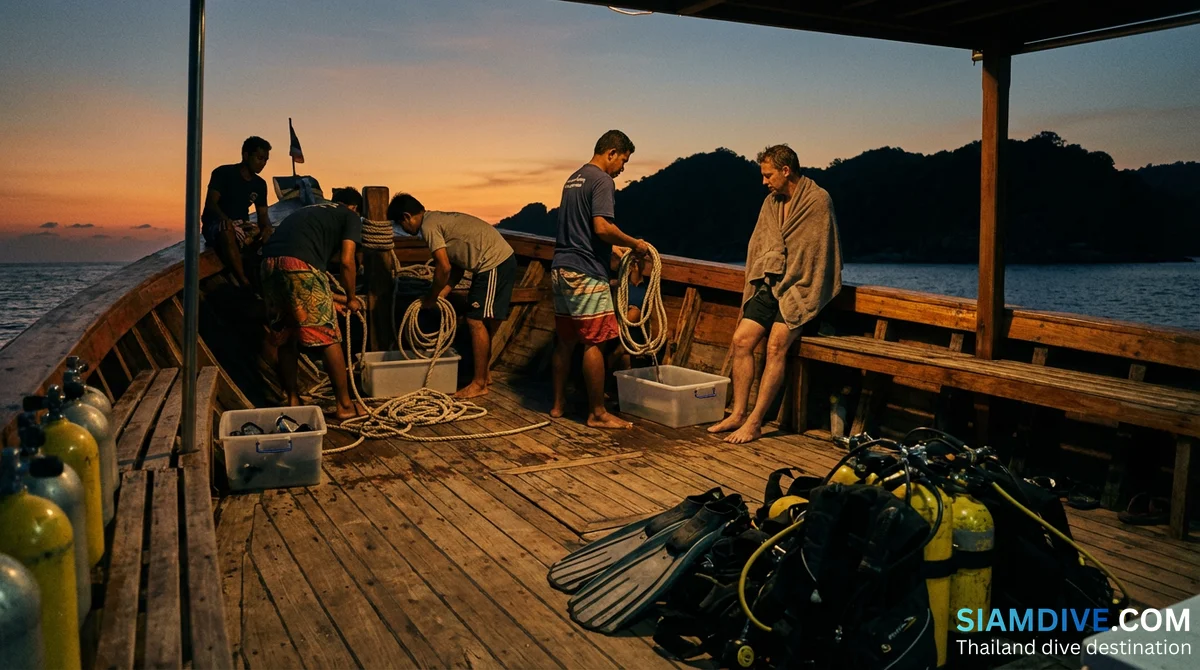
Ran Ped and Ran Kai are day-trip destinations — no overnight stays exist on either island. Speedboats and longtail boats depart from piers in the Pathiu district, primarily from the Bang Berd area or Baan Koh Teab pier, roughly one hour's drive south of Chumphon city centre.
- Speedboat day trip: 1,700–2,500 THB per person (includes snorkelling gear, guide, national park fee, lunch)
- Longtail charter: 2,500–4,000 THB per boat (2–4 passengers, flexible schedule)
- National park entrance fee: 200 THB (adults, foreign nationals) / 40 THB (Thai nationals)
- Boat travel time: 30–45 minutes by speedboat from Bang Berd pier
- Minimum group size: Most operators require 6 guests to run a speedboat trip
Full-day trips typically include three stops — snorkelling at Ran Ped, a second point at Ran Kai or a nearby reef, and a seafood lunch stop at Koh Yor. Several Pathiu-based operations run trips daily through the season, with departure around 08:00 and return by 16:00.
Whale Shark Etiquette: The 2-3 Metre Rule
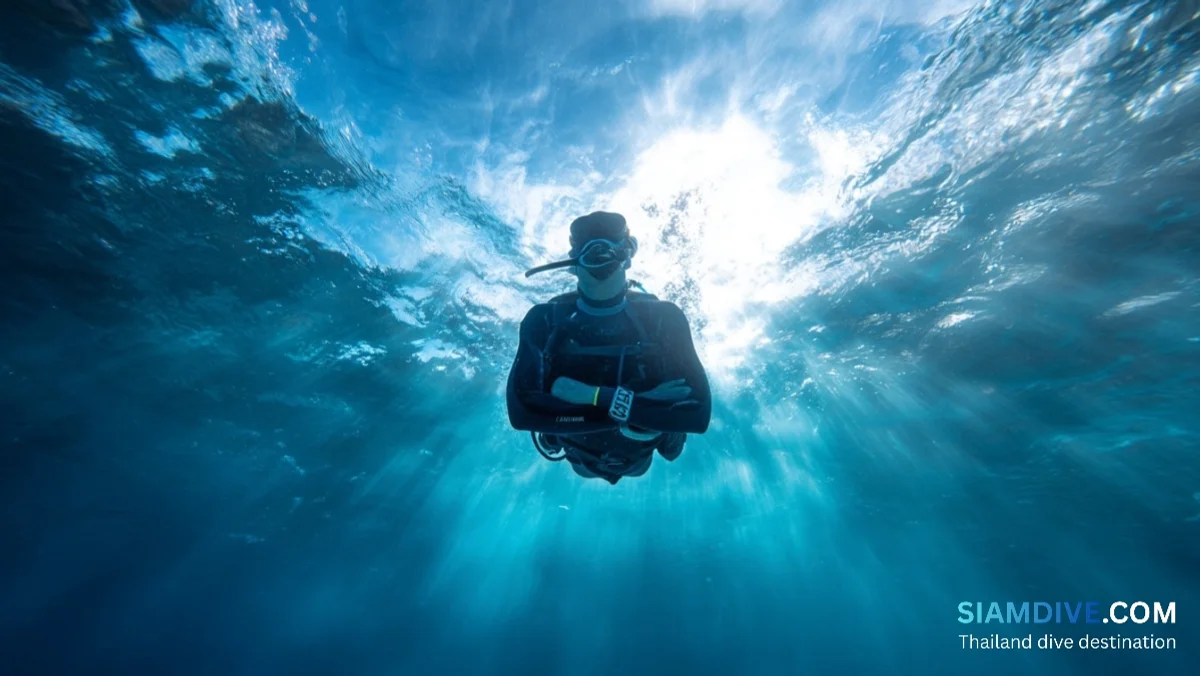
Encountering a whale shark from a snorkel — no regulator, no BCD, just a mask and fins — is one of diving's most accessible thrills. It is also one of the easiest to mishandle. Thai marine park authorities and international bodies like the Marine and Coastal Resources Department (DMCR) enforce encounter guidelines at Ran Ped that mirror global best practice.
- Distance from head: Minimum 2 metres
- Distance from body and tail: Minimum 3 metres
- No touching: Bacteria from human skin can cause infections on the shark's dermal denticles
- No flash photography: Strobes and camera flashes can damage the animal's eyes and alter feeding behaviour
- No riding or grabbing fins: Physical contact triggers stress responses and may cause the shark to dive abruptly
- Maximum snorkelers per shark: Guides typically limit groups to 8–10 in the water at one time
Responsible operators brief their groups before entering the water and use a spotter on the boat to track the shark's heading. When the animal changes direction, the group re-enters from the boat rather than chasing it — a method that extends encounter time and reduces stress on the animal.
Beyond the Twins: Chumphon's Wider Dive Map
Ran Ped and Ran Kai are the headline act, but the Chumphon archipelago holds more than 40 islands worth exploring once the whale shark visit is done. Koh Ngam Noi offers some of the Gulf's most photogenic staghorn coral fields at just 5 metres depth. The World War II-era HTMS Prab 741 wreck sits upright on sand at 30 metres, accessible to advanced divers on a single-tank profile. And Koh Thalu's swim-through caves thread daylight through limestone tunnels where blacktip reef sharks patrol the exits.
Chumphon remains one of the least-dived provinces in Thailand. On a typical weekday in season, a boat at Ran Ped may share the anchorage with two or three other vessels — a fraction of the traffic at comparable sites in Koh Tao or the Similans. That solitude, combined with whale shark odds that rival Richelieu Rock at a fraction of the cost and travel time, makes the twin islands a strong argument for pointing the compass east instead of west.
Sources
- Department of National Parks, Wildlife and Plant Conservation — Mu Ko Chumphon National Park
- Tourism Authority of Thailand — Diving with Whale Sharks, Mu Ko Chumphon
- Daily News — Songkran 2025 whale shark sightings at Koh Ran Ped
- Freedomdive — Chumphon Islands dive location reference
- Wikipedia — Mu Ko Chumphon National Park