Scuba Day TripsSnorkelingLand TourLiveaboardDive ResortFreedive Trips
Scuba CoursesFreedive Courses
Blog
Hin Phae Diving Guide: Koh Tao's Quiet Granite Pinnacle
← Blog

Hin Phae Diving Guide: Koh Tao's Quiet Granite Pinnacle

11 เมษายน 2569

Hin Phae is the small advanced pinnacle 30 m from the Sattakut wreck. Big groupers, healthy coral, and almost no other divers — here's how to dive it.

The Small Pinnacle Most Koh Tao Boats Skip

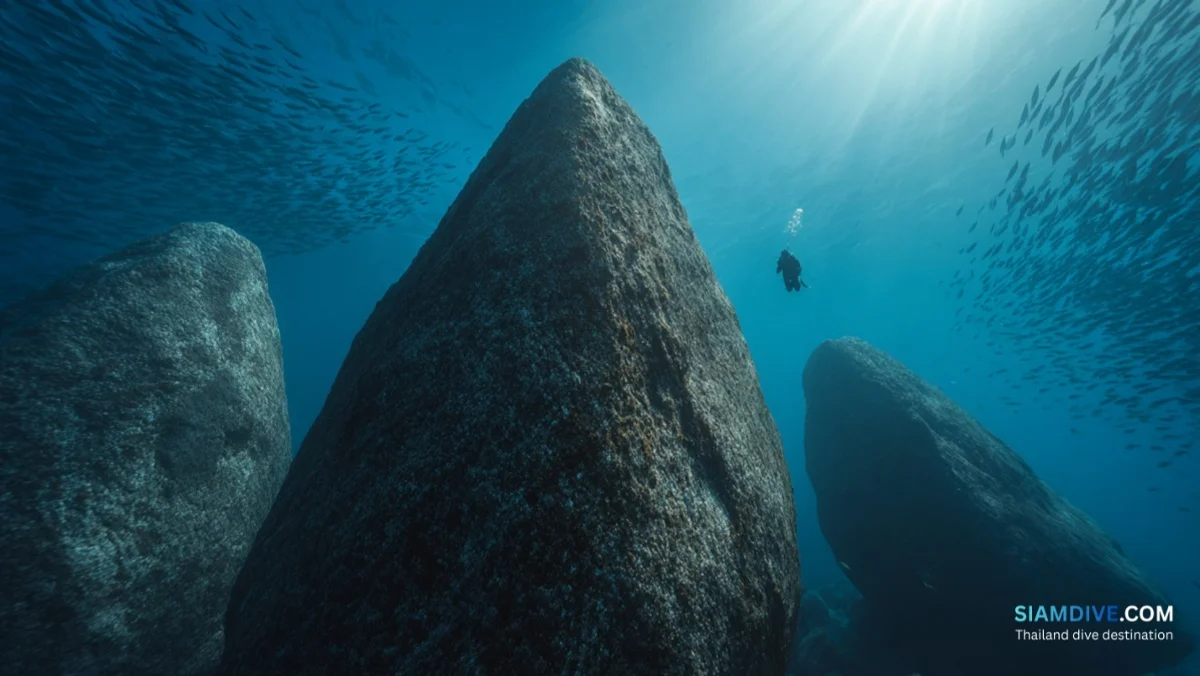
Hin Pee Wee — sometimes spelled Hin Phae — is a small cluster of granite pinnacles sitting two kilometers off the west coast of Koh Tao. It is 200 meters south of White Rock and roughly 30 meters from the HTMS Sattakut wreck. On paper it is just another reef in a region full of them. In practice it is the kind of site Koh Tao instructors use as a treat for divers who already have a logbook stamped with the bigger names.

The reason most boats skip it is the same reason it stays good. The site is small. Visibility is moody. Currents can switch on you mid-dive. So most operators send their fun divers to Chumphon Pinnacle or Sail Rock instead, and Hin Phae stays empty for the people who actually want to dive it. If you are an Advanced Open Water diver looking for a quiet morning of granite, soft coral, and big groupers, this is your reef.

Why Advanced Divers Keep Coming Back

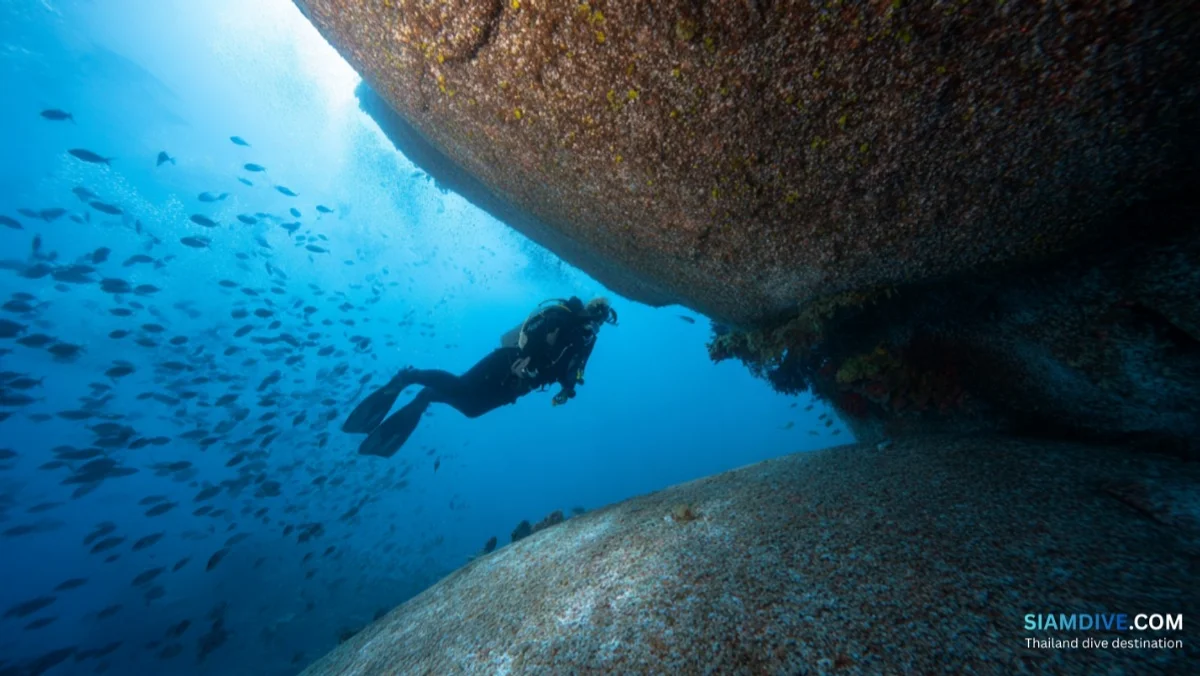
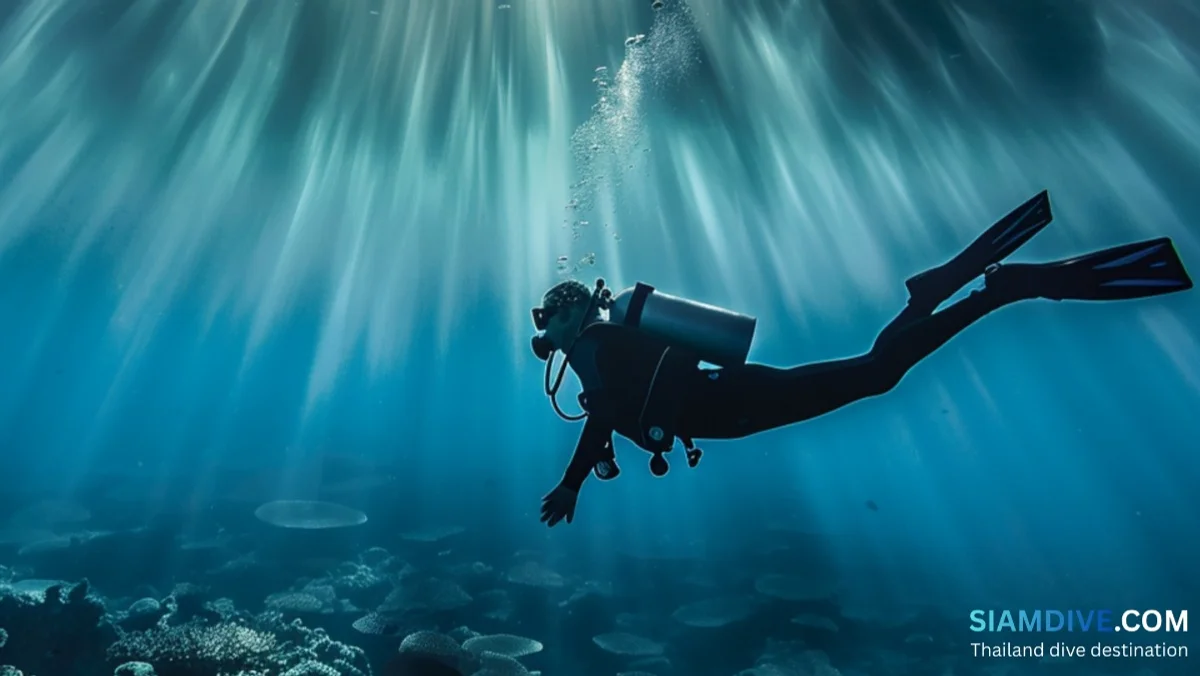
Hin Phae is not a beginner site. The main pinnacle tops out at 8 meters and the bottom drops to 20 meters, with a few smaller rock formations stretching to 28 meters southeast. That depth combined with the variable visibility makes it a poor choice for someone still working on buoyancy. But for divers who are comfortable in the water, the small size of the site is a feature, not a bug. You can circle the entire pinnacle in a single dive without rushing, and you do not share the sand with another group.

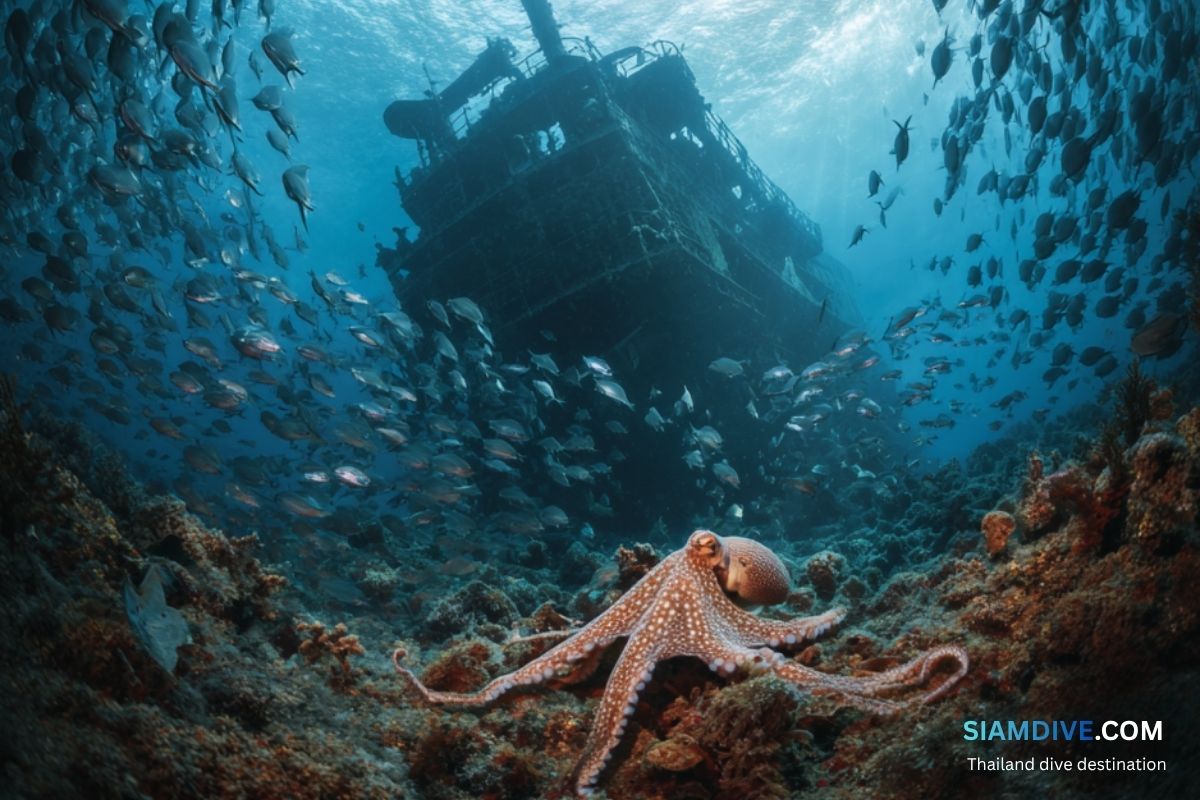
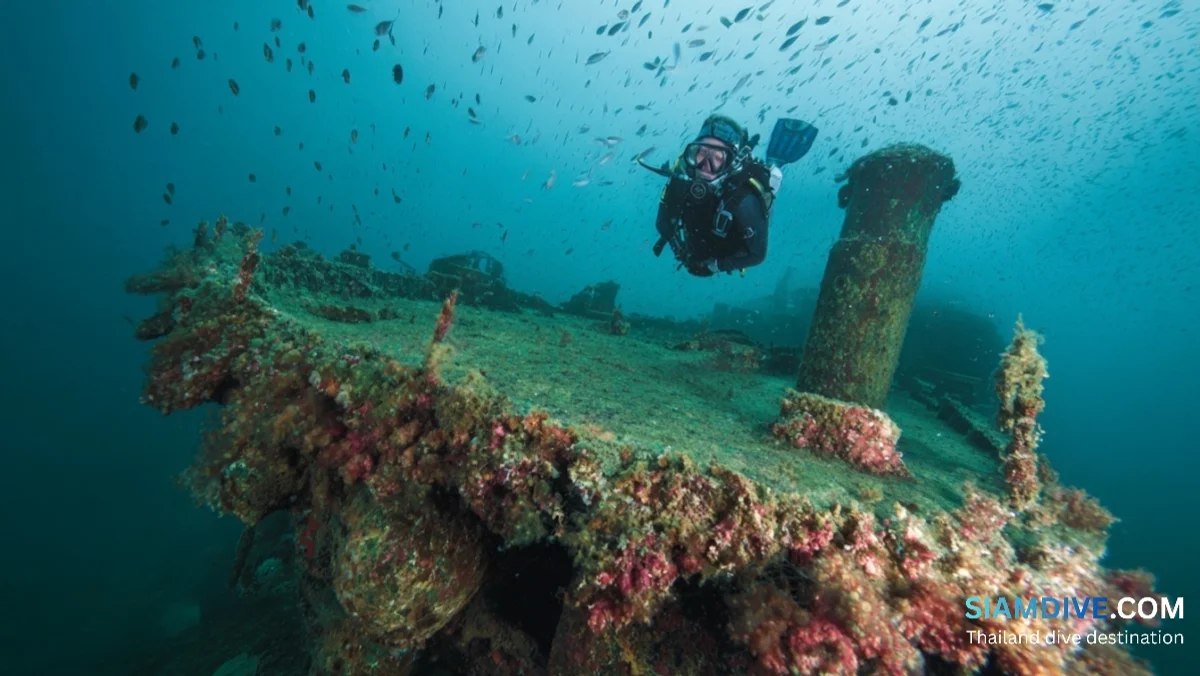
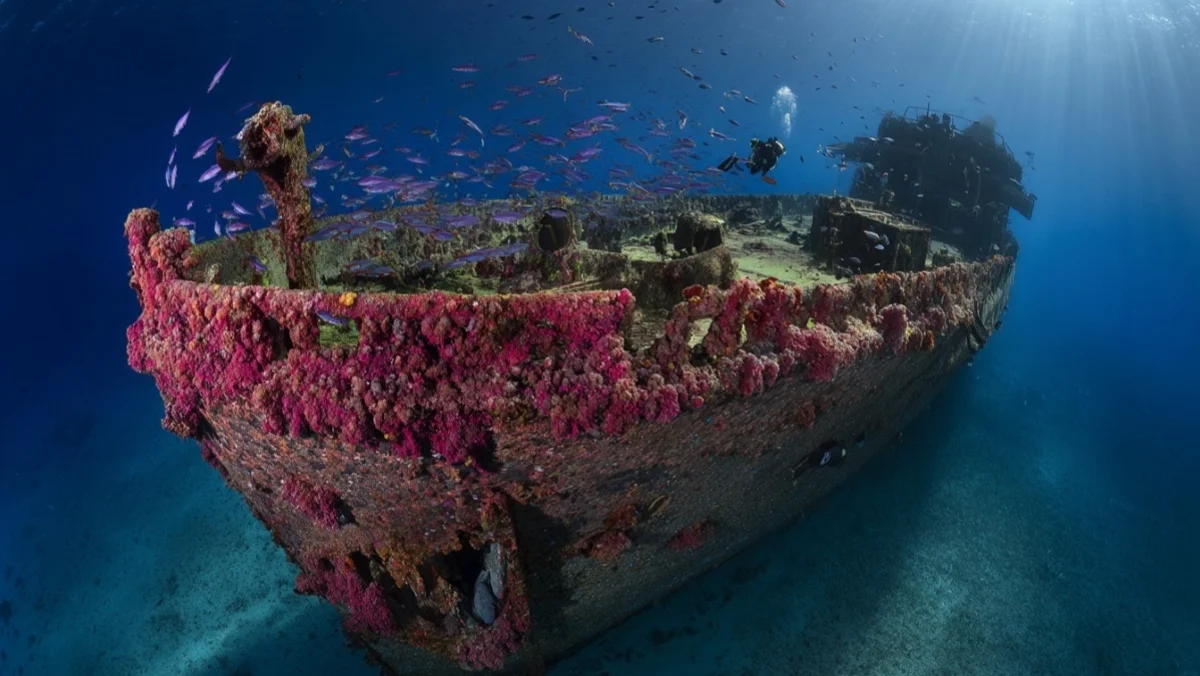
The other reason advanced divers like it is the dive profile. Hin Phae sits 30 meters from the HTMS Sattakut wreck, which means you can do the wreck first at 18-30 meters, off-gas during a slow swim across the sand, and finish your dive on the shallow pinnacle. It is one of the cleaner two-site profiles on the west side of the island, and your air lasts longer than you would expect.

What the Site Actually Looks Like

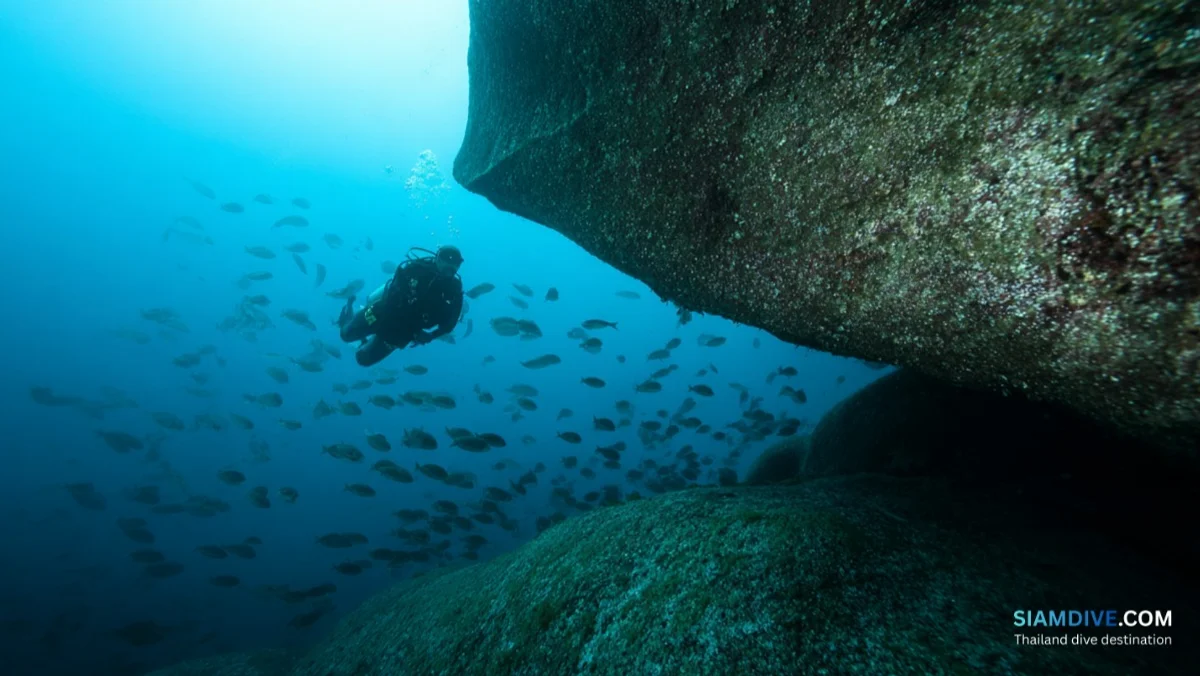
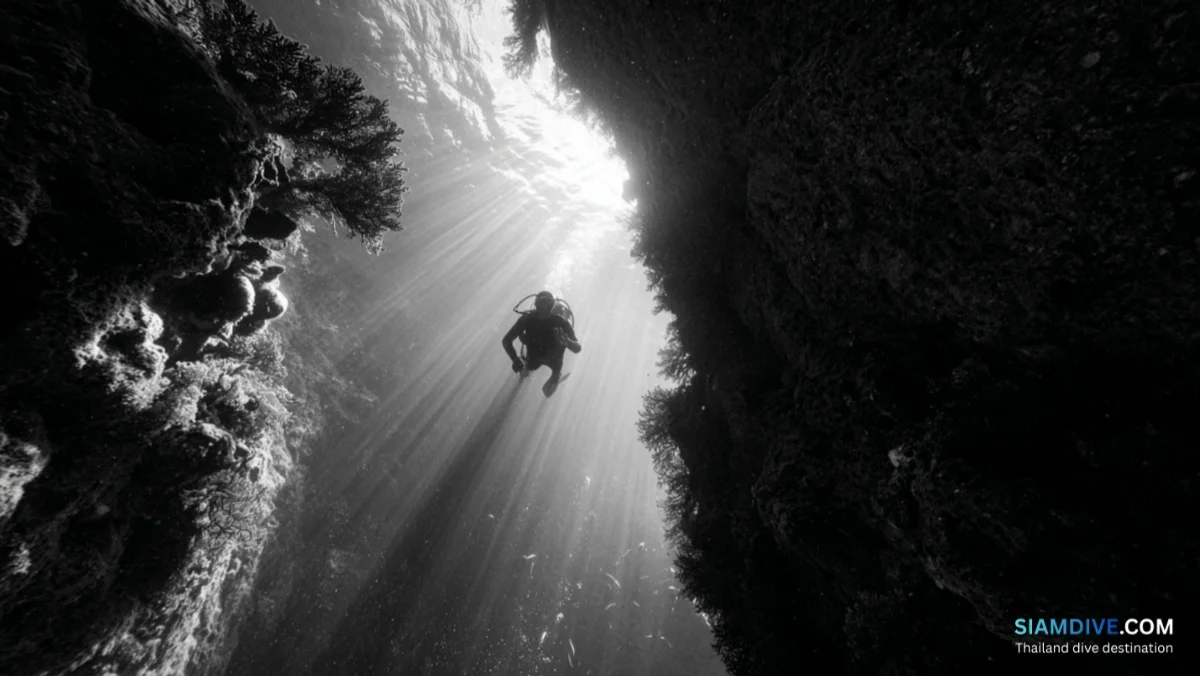
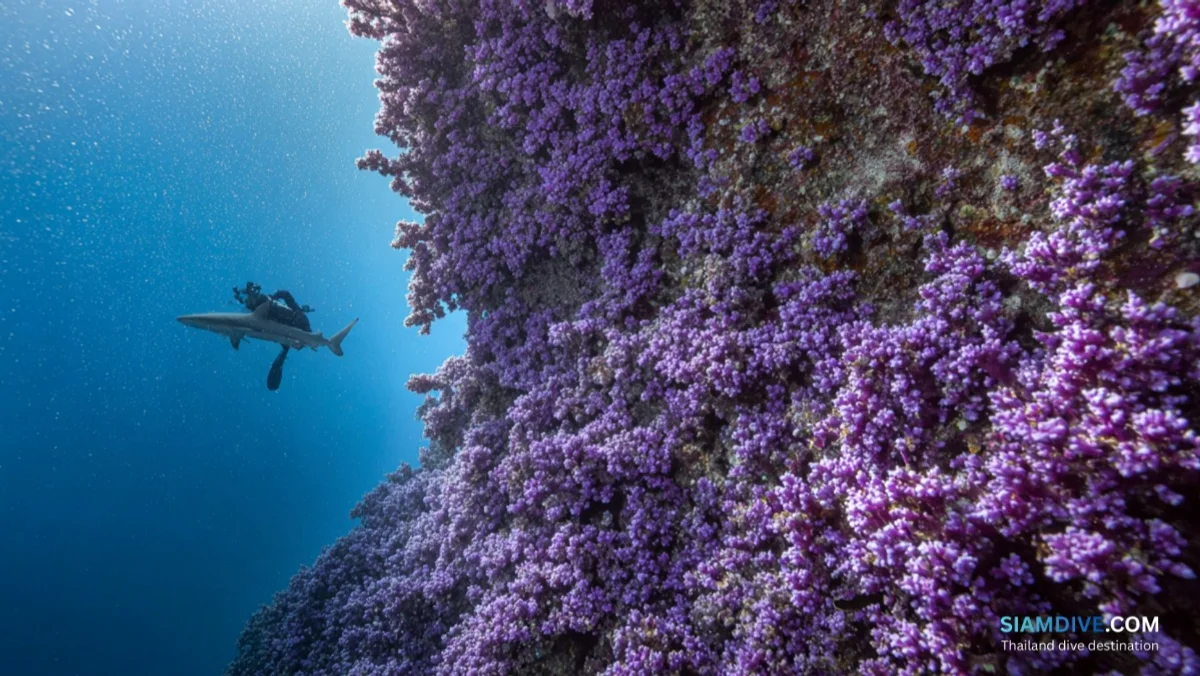
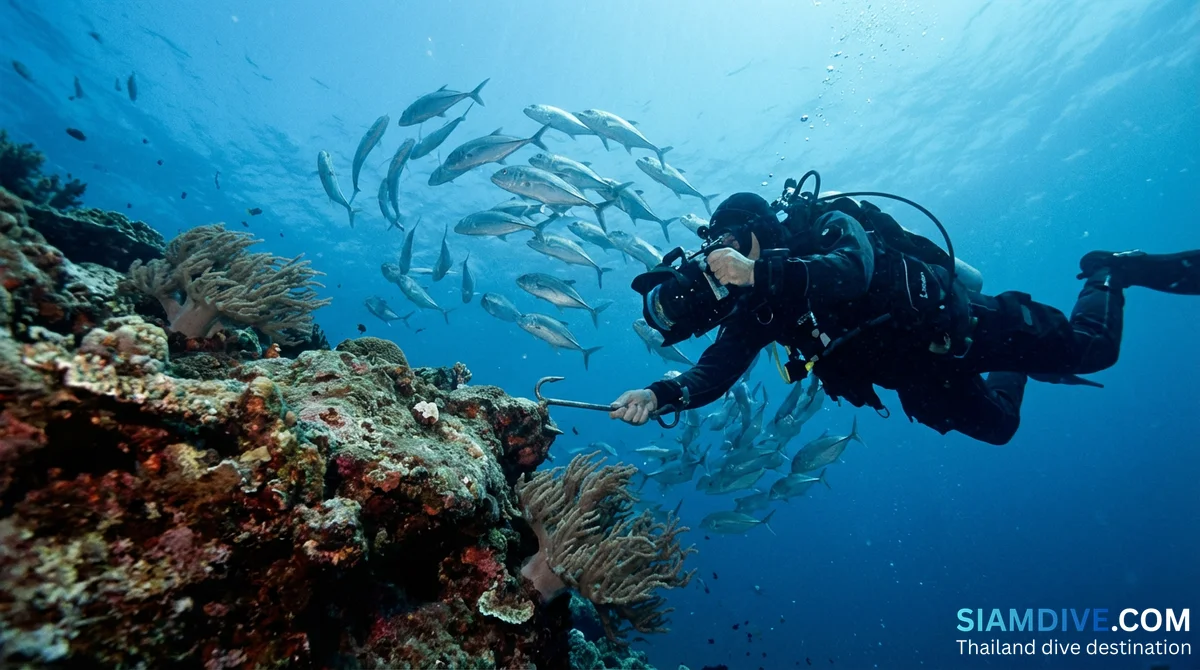
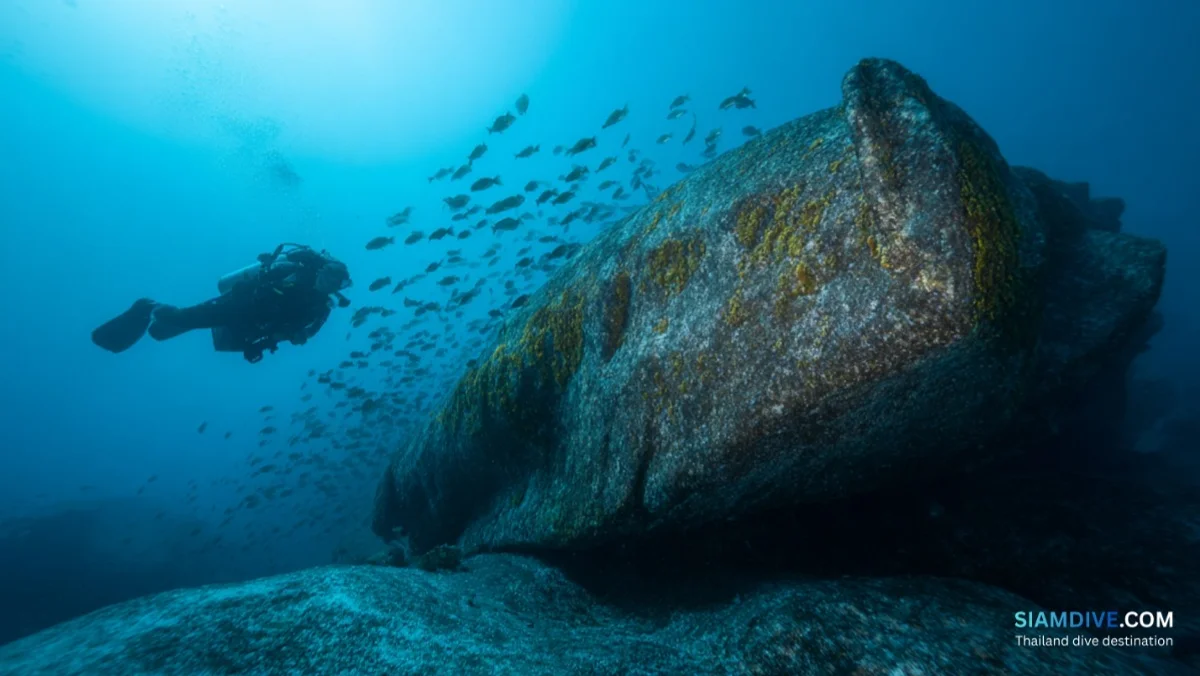
Hin Phae is granite, not limestone. The main pinnacle is a cluster of boulders covered in hard coral, sea fans, whip corals, table corals, and big magnificent anemones. The deeper sections to the southeast are smaller rock formations sitting on a sand patch — perfect for navigation practice if you want to use your compass for a reason. Soft coral grows on the lee side of the rocks where the current does not scour them, and there are a few crevices wide enough to swim through if your buoyancy is dialed in.

This is the kind of site where the reef itself is the highlight, not any single creature. You move slowly, you look at the texture of the boulders, and the small things start showing up.

Marine Life on the Pinnacle

Hin Phae's marine life leans toward fish that hold territory rather than animals that pass through. The regulars are:

  • Long-faced emperor fish in small color-changing groups — one of the more reliable sightings here.
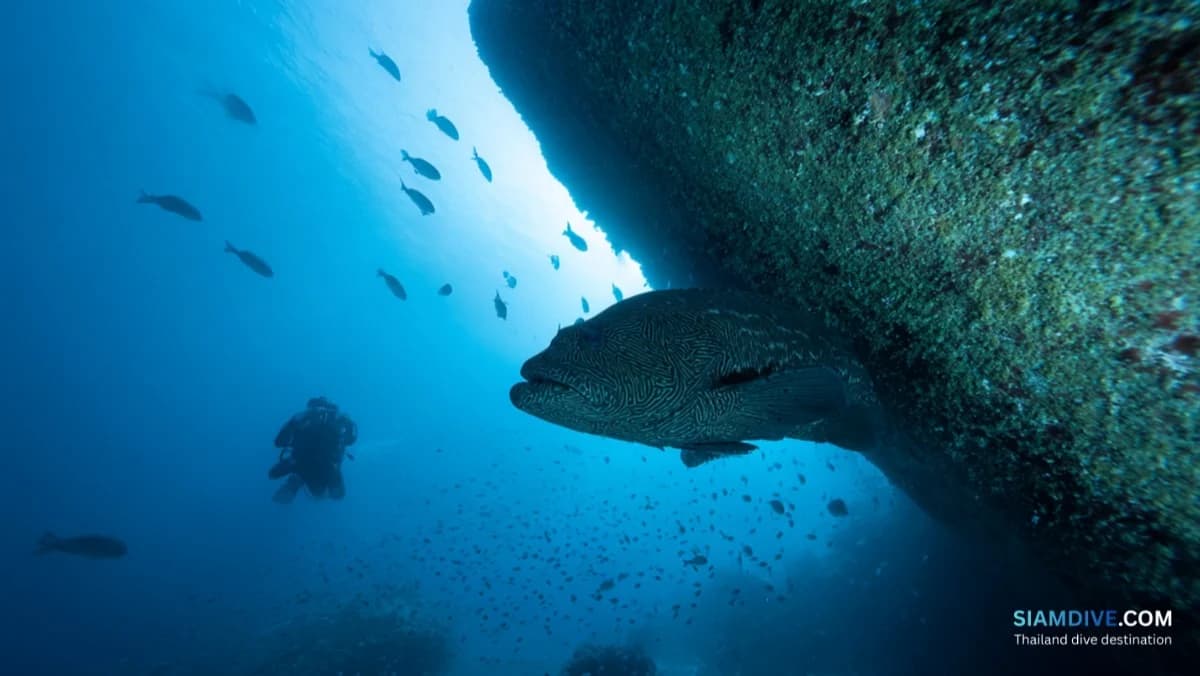
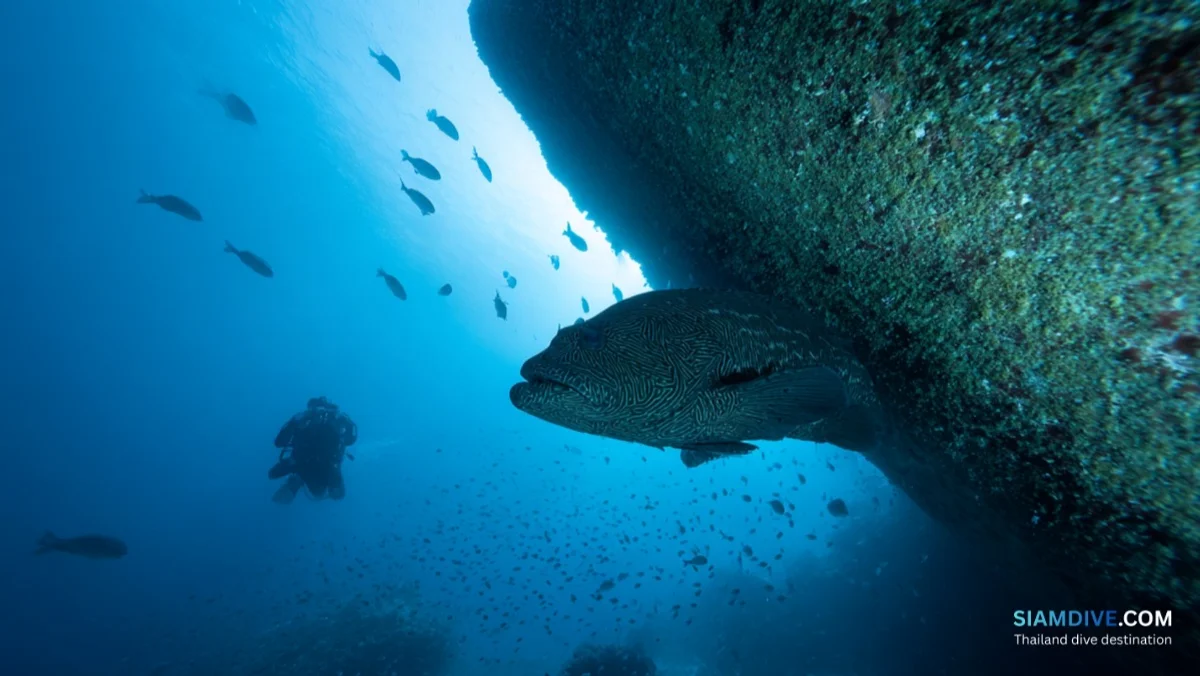
  • Big groupers tucked under the boulder overhangs. The locals know which rocks the largest ones live under.
  • Schools of fusiliers and snappers moving along the edge of the pinnacle when the current picks up.
  • Batfish and juvenile yellowtail barracuda, more commonly seen on the Sattakut side.
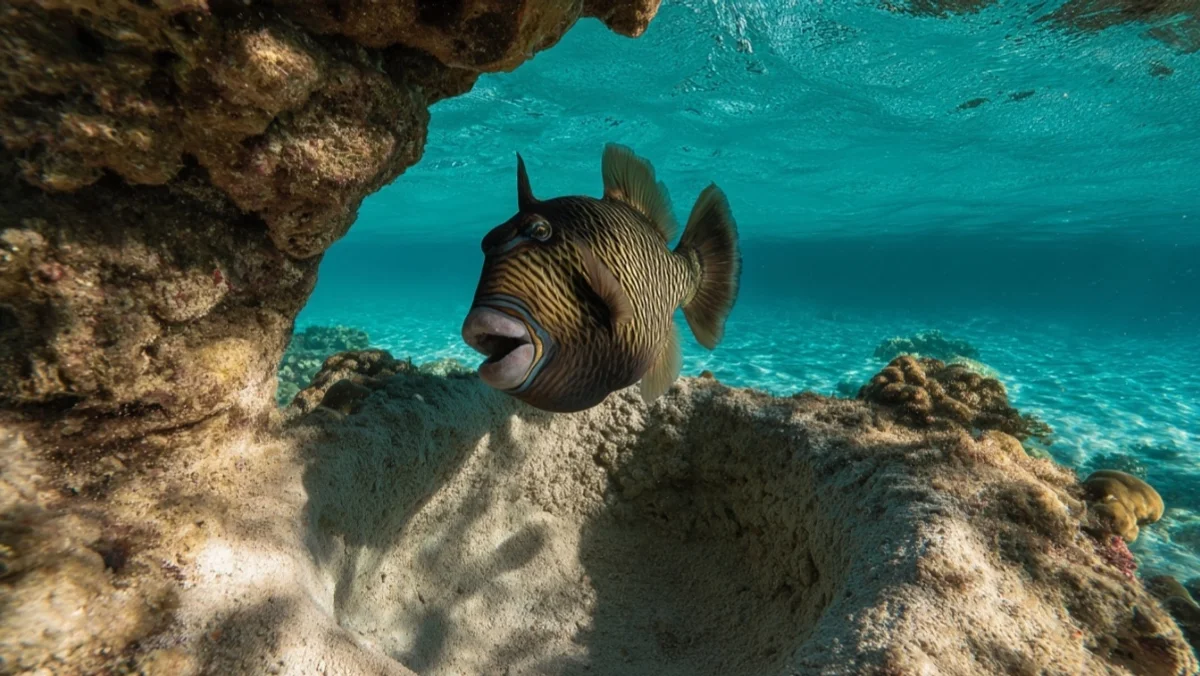
  • Triggerfish patrolling the deeper rocks. Watch them in titan triggerfish nesting season — they will defend their territory.

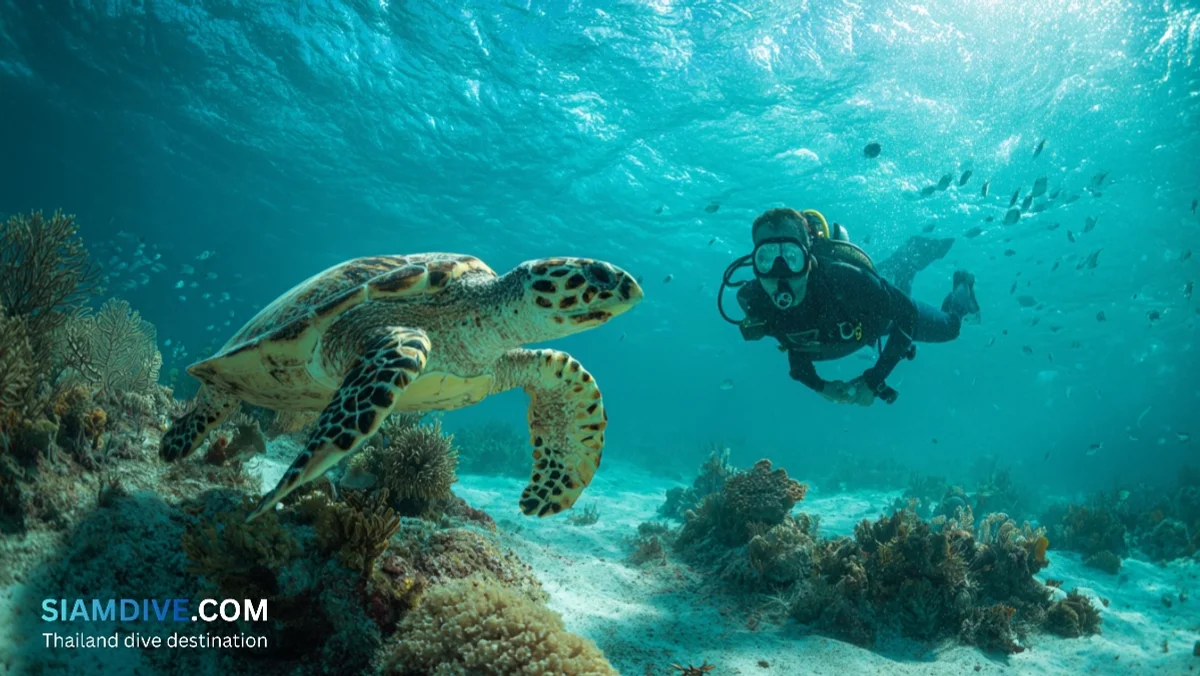
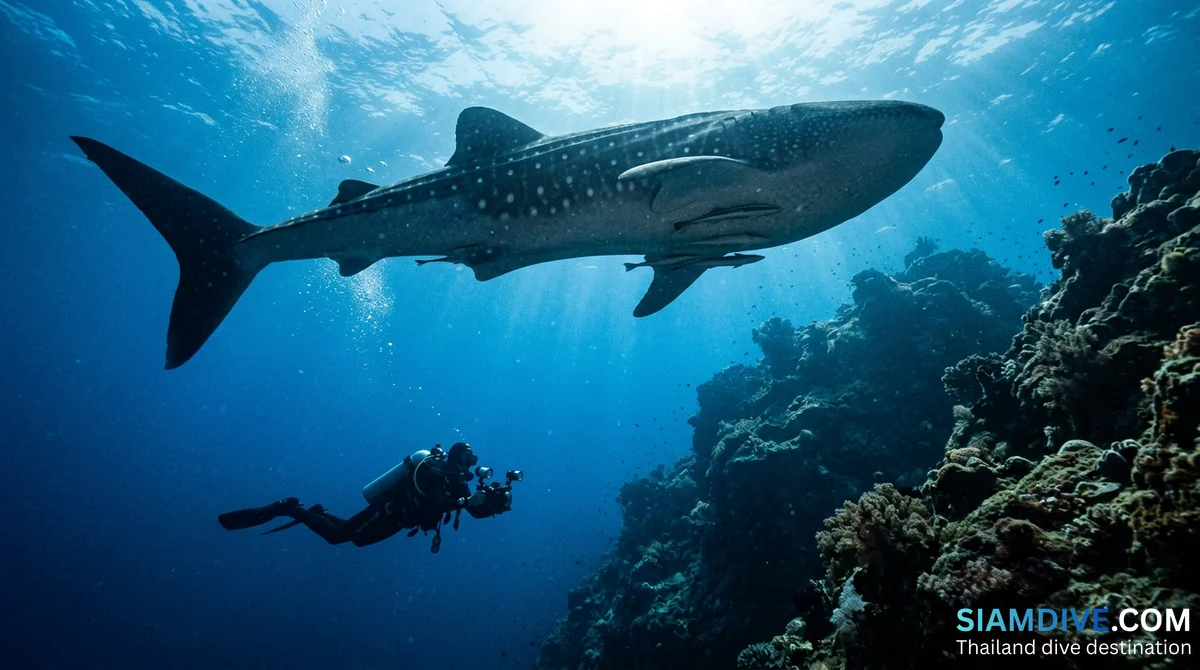
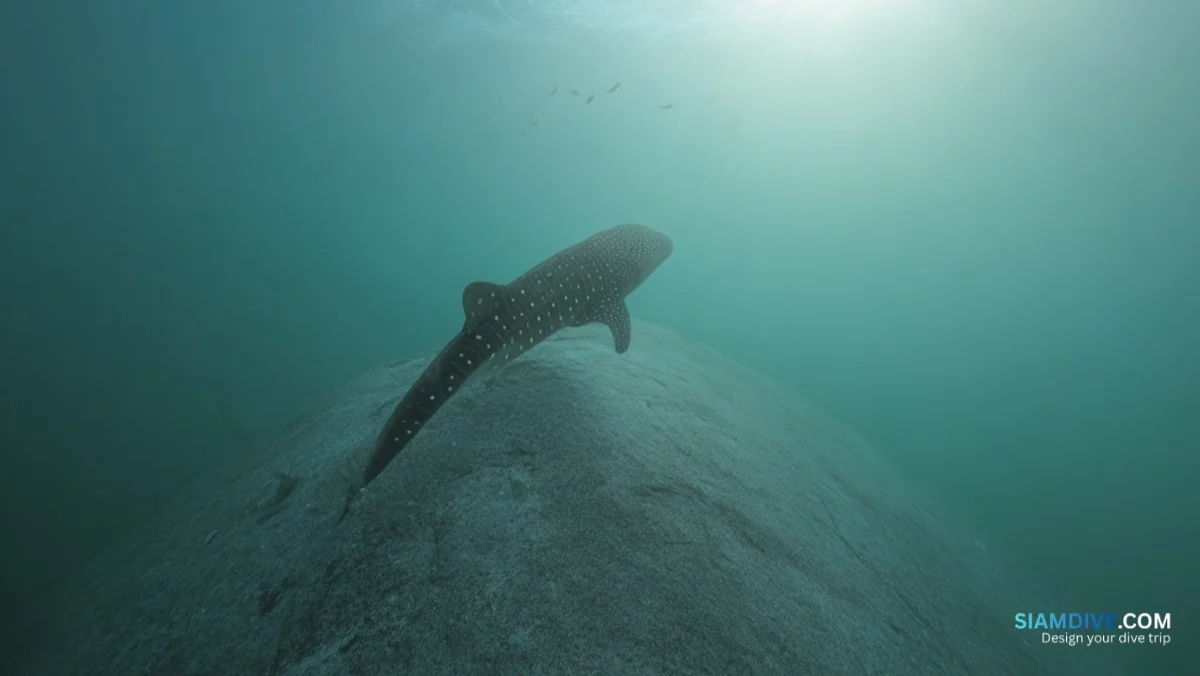
Wider Koh Tao species occasionally pass through. Hawksbill turtles cruise the area between Hin Phae and White Rock. Stingrays show up on the sand. Whale sharks are seasonal visitors to all the west-side pinnacles, and Hin Phae is on their route, even if it is not the most reliable spot to find one.

Conditions and Visibility

Honest answer on visibility: Hin Phae is variable. Average is 2 to 10 meters, often closer to the lower end. On the rare day when everything aligns it can hit 15 meters, but do not book it expecting blue water. The small size of the site means you do not need huge visibility to enjoy it. Currents are moderate and can shift direction during a dive — keep an eye on your guide and the way the soft corals are leaning. Water temperature stays around 29°C year-round.

Best season is the Koh Tao dry months from December through May, when surface conditions are calm and the boat ride is comfortable. June through November is doable but expect choppier rides and reduced visibility from runoff.

How to Book and Get There

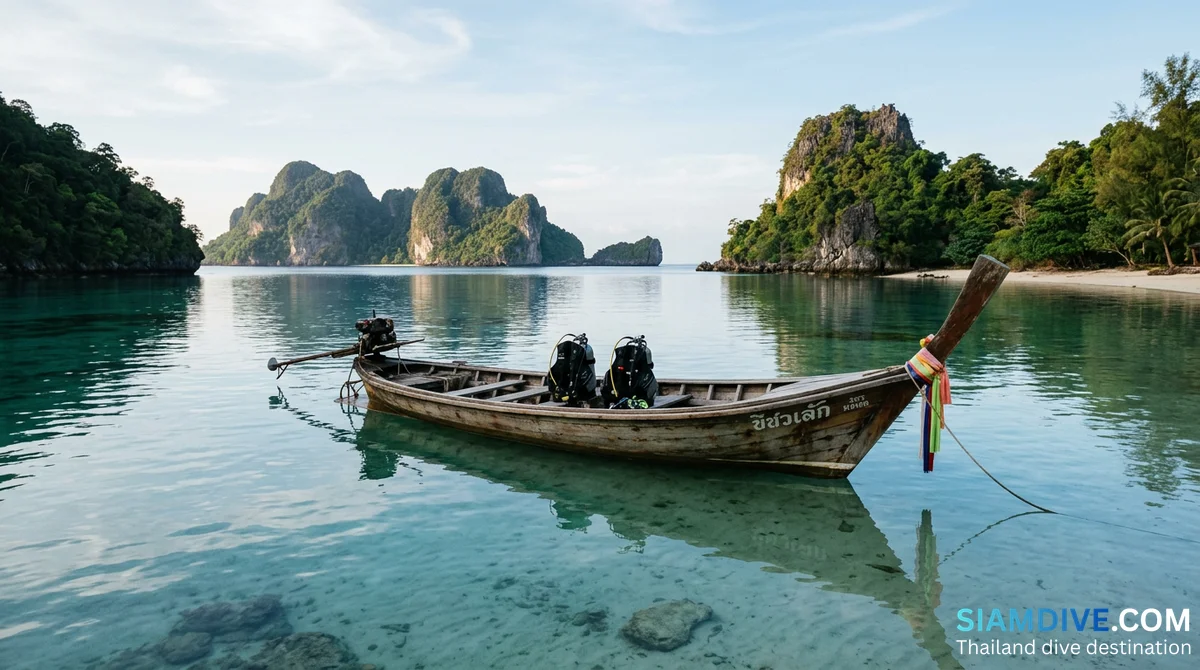
You start on Koh Tao. Get there on the Lomprayah catamaran from Chumphon (about 1.5 hours), the Songserm slow boat from the same pier, or the longer route from Koh Phangan or Koh Samui. Once on Koh Tao, every dive shop in Sairee, Mae Haad, and Chalok Baan Kao knows Hin Phae, but few of them schedule it as a dedicated trip. You usually get there as the second site of a Sattakut wreck dive day.

Booking tip: ask specifically for Hin Phae or Hin Pee Wee. Most fun-dive boards default to Sattakut + Hin Wong or Sattakut + White Rock. Tell the shop you want the smaller pinnacle 30 meters from the wreck and they will adjust the boat plan if conditions allow. Two-tank trips run 2,200 to 2,800 baht depending on the operator and whether your gear is included.

Practical Tips Before You Roll In

  • Have at least 25 logged dives. The depth and currents at Hin Phae are not where you want to be on dive number 6.
  • Bring a torch. The deeper crevices on the southeast side hide the better critters and a torch makes the colors pop in dim viz.
  • Use a reef hook only if you know how. Currents shift during the dive. A hook helps if you can deploy it without dragging it across coral.
  • Combine it with the Sattakut. The wreck is the natural pair. If you are coming all the way out here, do both on the same day.
  • Skip it on bad-viz days. Ask the shop what the morning boat reported. If viz is below 5 meters, swap for a deeper open-water site where current carries the silt away.
  • Mind the titan triggerfish. In nesting season they will charge. Back away vertically, do not turn your back, and the fight ends.

Worth It If You Know What to Ask For

Hin Phae is not a postcard dive. It will not sell you on the first descent. But for divers who already know Koh Tao and want a quiet site with good fish life, healthy coral on the boulders, and a clean profile pairing with the Sattakut wreck, it delivers exactly what it promises. Browse Koh Tao dive options and book with shops that actually run Hin Phae as a planned dive on siamdive.com. Tell them up front you want the small pinnacle, not the standard board, and you will end up with the dive most divers in Sairee Beach have never logged.
← กลับไปหน้า Blog

Gallery

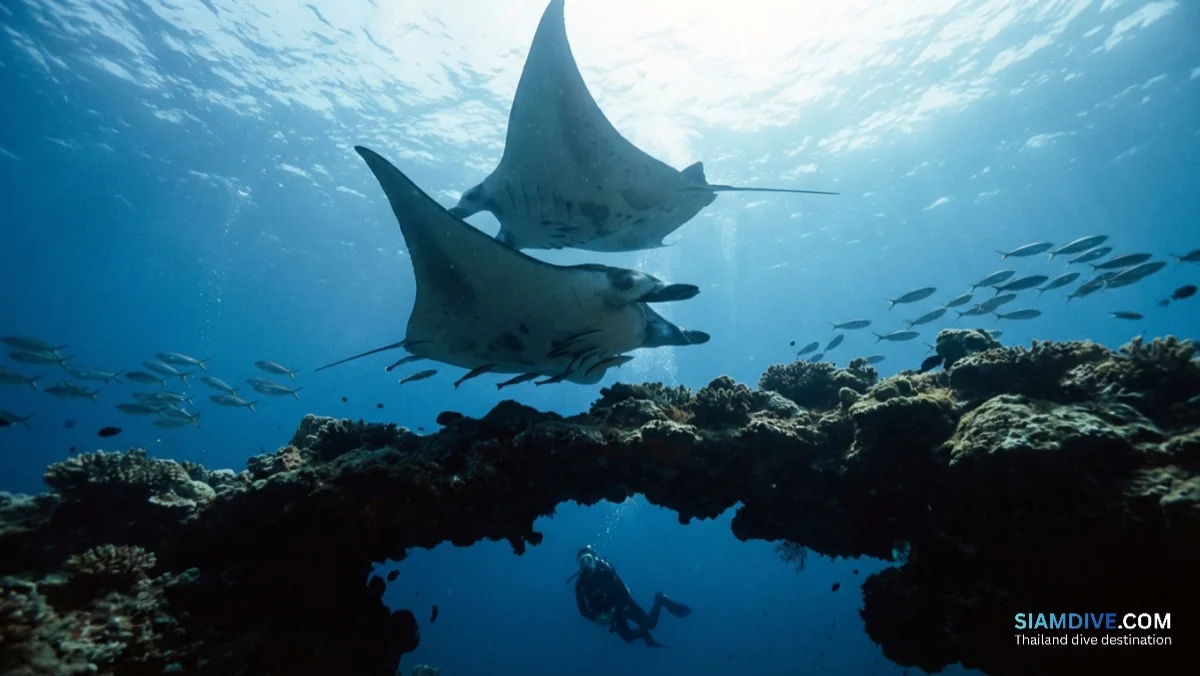
Hin Phae Diving Guide: Koh Tao's Quiet Granite Pinnacle — image 1Hin Phae Diving Guide: Koh Tao's Quiet Granite Pinnacle — image 2Hin Phae Diving Guide: Koh Tao's Quiet Granite Pinnacle — image 3Hin Phae Diving Guide: Koh Tao's Quiet Granite Pinnacle — image 4

บทความแนะนำ

Andaman Sea vs Gulf of Thailand: Picking Your Dive Region

Andaman Sea vs Gulf of Thailand: Picking Your Dive Region

Compare Thailand's two dive coasts side by side — marine life, visibility, seasons, costs, and which region fits your experience level.

Koh Rok Diving Guide: Trang's Pristine Coral Paradise

Koh Rok Diving Guide: Trang's Pristine Coral Paradise

Explore Koh Rok's crystal-clear waters, healthy coral reefs, and rich marine life. Your complete guide to diving Thailand's best-kept Andaman secret.

Aow Leuk Koh Tao Diving Guide: The Island's Best Beginner Bay

Aow Leuk Koh Tao Diving Guide: The Island's Best Beginner Bay

Aow Leuk on Koh Tao's southeast coast offers shallow reefs, juvenile blacktip sharks, and easy shore diving — the perfect beginner bay on the island.

HTMS Prab 741 Wreck Diving Guide: Chumphon's Quiet Artificial Reef

HTMS Prab 741 Wreck Diving Guide: Chumphon's Quiet Artificial Reef

HTMS Prab 741 is the small WWII landing craft sunk south of Koh Ngam Noi in 2011. Open Water depth, intact hull, and almost no other divers — here's how to dive it.

Similan Islands: Last Weeks to Dive Before the 2026 Season Closes

Similan Islands: Last Weeks to Dive Before the 2026 Season Closes

The Similan Islands close in mid-May 2026. Here's why the final weeks offer the best diving conditions and how to book a last-minute liveaboard trip.

Koh Ha Yai Diving Guide: The Cathedral Cave and Beyond

Koh Ha Yai Diving Guide: The Cathedral Cave and Beyond

Home to the famous Cathedral cave and chimney swim-through, Koh Ha Yai delivers some of Koh Lanta's most memorable dives. Complete guide inside.

Koh Ngam Noi Diving Guide: Chumphon's Smaller Sister Island

Koh Ngam Noi Diving Guide: Chumphon's Smaller Sister Island

Koh Ngam Noi is the shallow Chumphon reef where Open Water divers actually relax. Coral gardens, the HTMS Prab wreck nearby, and barely any crowds.

HTMS Chang Koh Chang

HTMS Chang Koh Chang

Dive into the HTMS Chang wreck.

What Makes Thailand Special for Scuba Divers

What Makes Thailand Special for Scuba Divers

Two coasts, year-round warm water, world-class sites you can actually reach, and prices that don't punish you. Here's what really sets Thailand apart for divers.

Saving Racha Yai: Inside Thailand's 3D-Printed Coral Reef Project

Saving Racha Yai: Inside Thailand's 3D-Printed Coral Reef Project

Discover how 3D-printed artificial reefs are reviving marine life and transforming Racha Yai into a thriving center for conservation and scuba diving.

Mergui Archipelago Liveaboard from Thailand: The Untouched Andaman

Mergui Archipelago Liveaboard from Thailand: The Untouched Andaman

The Mergui Archipelago is Asia's last frontier liveaboard — 800 islands, manta rays, whale sharks, almost no other boats. Everything you need to plan a trip from Ranong.

Koh Ngam Yai Diving Guide: Chumphon's Wild Granite Island

Koh Ngam Yai Diving Guide: Chumphon's Wild Granite Island

Koh Ngam Yai is the quiet Chumphon dive site Koh Tao crowds never reach. Anemone fields, whale shark odds, and small boats — here's how to dive it.

Chumphon Pinnacle Diving Guide: Gulf of Thailand's Granite Tower

Chumphon Pinnacle Diving Guide: Gulf of Thailand's Granite Tower

A complete guide to diving Chumphon Pinnacle off Koh Tao — whale sharks, schools of trevally, the swim-through, depths, currents, and how to book.

PADI Open Water Course: What It Involves Day by Day

PADI Open Water Course: What It Involves Day by Day

A day-by-day breakdown of the PADI Open Water course — theory, pool sessions, open water dives, required skills, and what to expect at each stage.

King Kong Pinnacle Koh Tao Diving Guide: The Island's Quietest Pinnacle

King Kong Pinnacle Koh Tao Diving Guide: The Island's Quietest Pinnacle

King Kong Pinnacle south of Koh Tao is the island's least-dived pinnacle — healthy reef, relaxed fish, and empty water for divers who want peace.

Tanote Bay Koh Tao Guide: Snorkeling, Diving, and Cliff Jumping

Tanote Bay Koh Tao Guide: Snorkeling, Diving, and Cliff Jumping

Tanote Bay on Koh Tao's east coast offers fringing reefs, a cliff jumping rock, and a sunken catamaran — the island's best all-in-one shore day.

Discover the Avelo Scuba System: Revolutionizing Diving in Thailand

Discover the Avelo Scuba System: Revolutionizing Diving in Thailand

The Avelo Scuba System redefines buoyancy control with its innovative Hydrotank, offering lighter gear, stable neutrality, and longer dives perfect for Thailand's vibrant dive sites.

How to Actually Enjoy Scuba Diving: A Comfort & Confidence Guide

How to Actually Enjoy Scuba Diving: A Comfort & Confidence Guide

Buoyancy, breathing, weighting, trim and the mental game — the practical skills that turn diving from a workout into a 60-minute float. No fluff.

Cleaning Stations: The Secret Social Hubs of the Reef

Cleaning Stations: The Secret Social Hubs of the Reef

Discover cleaning stations — where predators open their mouths for tiny fish and shrimp to crawl inside. The most fascinating animal behavior you can witness on any dive.

Sea Turtles in Thailand: Species Guide for Scuba Divers

Sea Turtles in Thailand: Species Guide for Scuba Divers

Meet hawksbill, green, and olive ridley turtles at Koh Tao, Similan Islands, and more. Species ID, dive sites, conservation, and photo tips.

ทริปแนะนำ

Hug Ocean Boat
daytrip

Hug Ocean Boat

Discover Phuket's Andaman Sea aboard Hug Ocean — a luxury 3-deck dive yacht for 80 guests with a thrilling water slide, sun-soaked top deck, and PADI-certified diving at Racha Yai and Racha Noi.

Aquarian Liveaboard
liveaboard

Aquarian Liveaboard

MV Aquarian — striking 2021-built red steel liveaboard, 31.4 m × 7.5 m, max 28 guests in 14 cabins. Free unlimited Nitrox via Coltri Sub membranes, one of Thailand's largest dive platforms, and full premium-hotel comfort.

Issara Liveaboard
liveaboard

Issara Liveaboard

MV Issara — high-end Thai steel-hulled liveaboard built 2016–17, 28.5 m × 6.5 m, 4 decks, max 22 guests in 11 hotel-style cabins. Indoor saloon, jacuzzi sun deck, full-board buffet dining.

Mandarin Queen 5
daytrip

Mandarin Queen 5

Brand-new Phuket dive boat — 26.2 m M/V Mandarin Queen 5 with spacious dive platform, lounge and upper sun deck. Daily day trips to King Cruiser Wreck, Shark Point, Anemone Reef, Racha Yai and Racha Noi.