← Blog

Hin Sawaeng Diving Guide: Koh Lipe's Wall and Pinnacle Gem

10 เมษายน 2569

Steep walls, dramatic drop-offs, and rich marine life make Hin Sawaeng one of Koh Lipe's most rewarding dive sites. Complete guide with tips and conditions.

A Pinnacle Reef With Serious Walls

Hin Sawaeng sits east of Koh Lipe in the Tarutao National Marine Park, about 20-40 minutes by dive boat from Sunrise Beach. The name translates loosely to "glistening rock," and the site lives up to it — a pinnacle reef that rises from depth with walls dropping to 40 meters and beyond. The shallow reef top starts at around 5 meters, making it accessible for multiple skill levels, but the real action happens along the steep drop-offs where the wall meets open water.

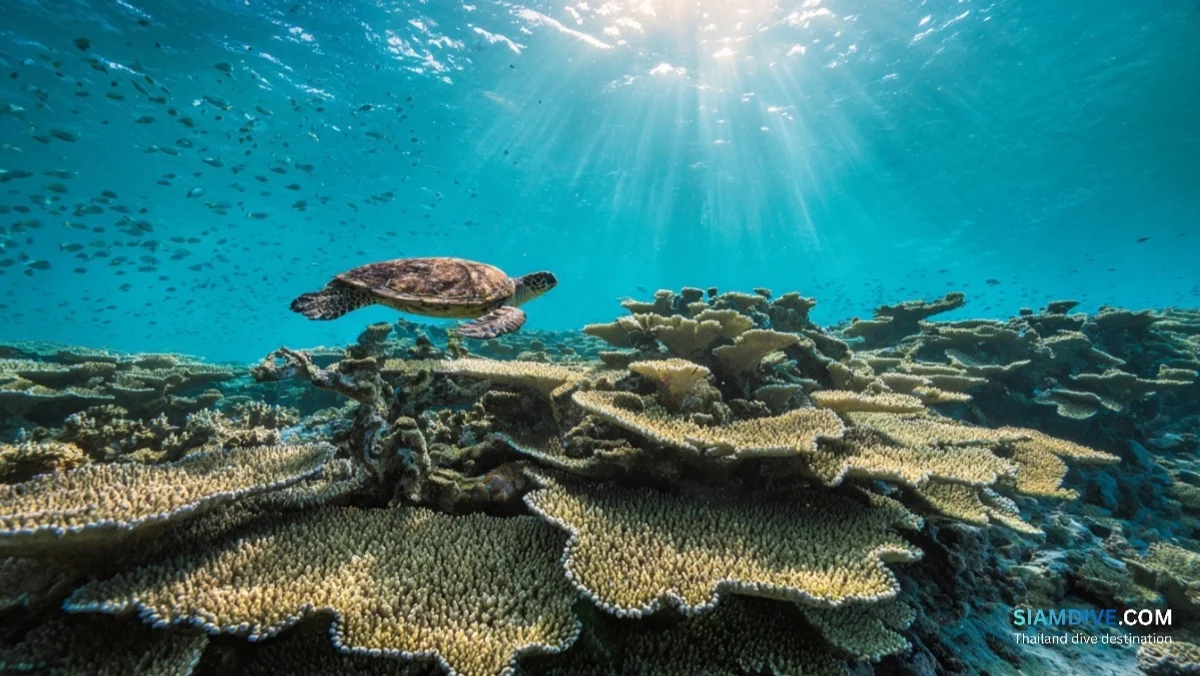
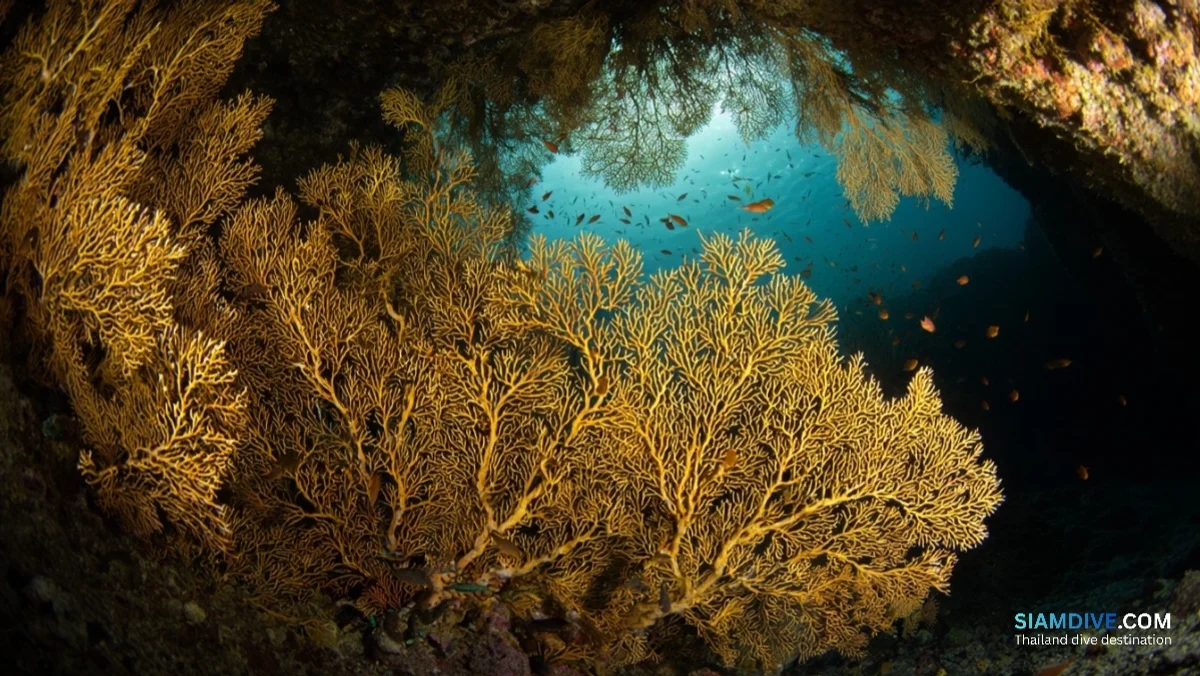
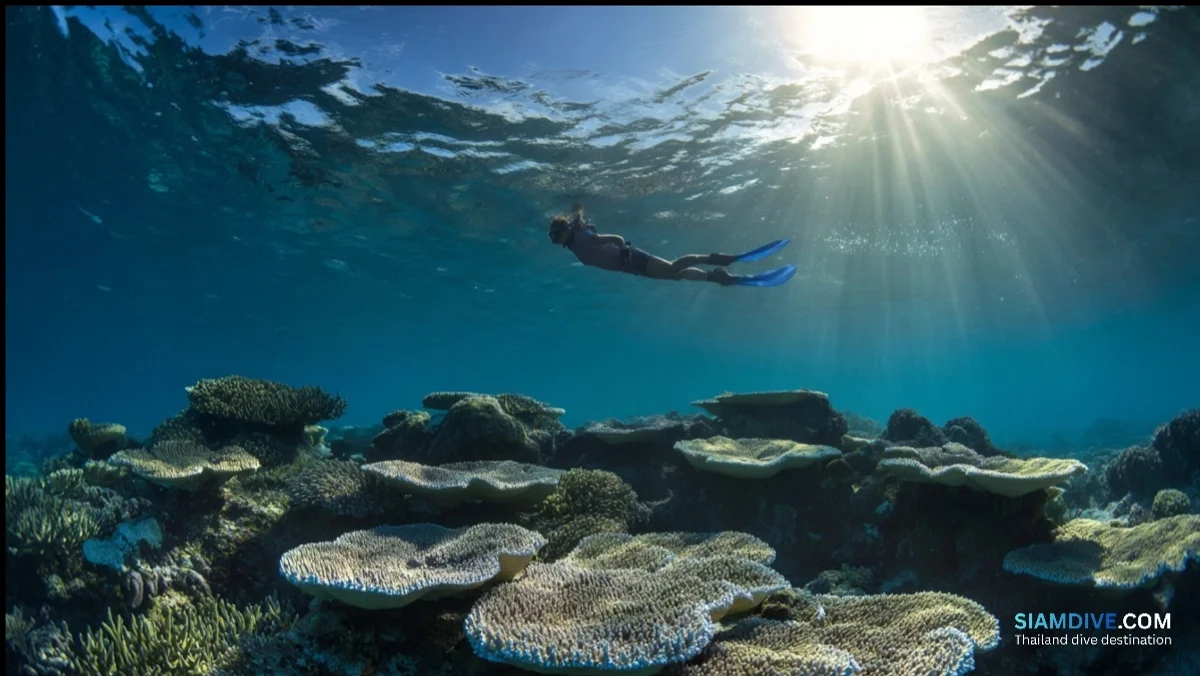
The site features a mix of granite boulders, swim-throughs, and overhangs that create habitat diversity in a compact area. Hard and soft corals cover the surfaces — table corals on the shallower sections, gorgonian fans on the walls, and brain corals tucked into every crevice. Park surveys show healthy reef conditions, a direct benefit of Tarutao's strict marine protection.

Why Divers Rate Hin Sawaeng Highly

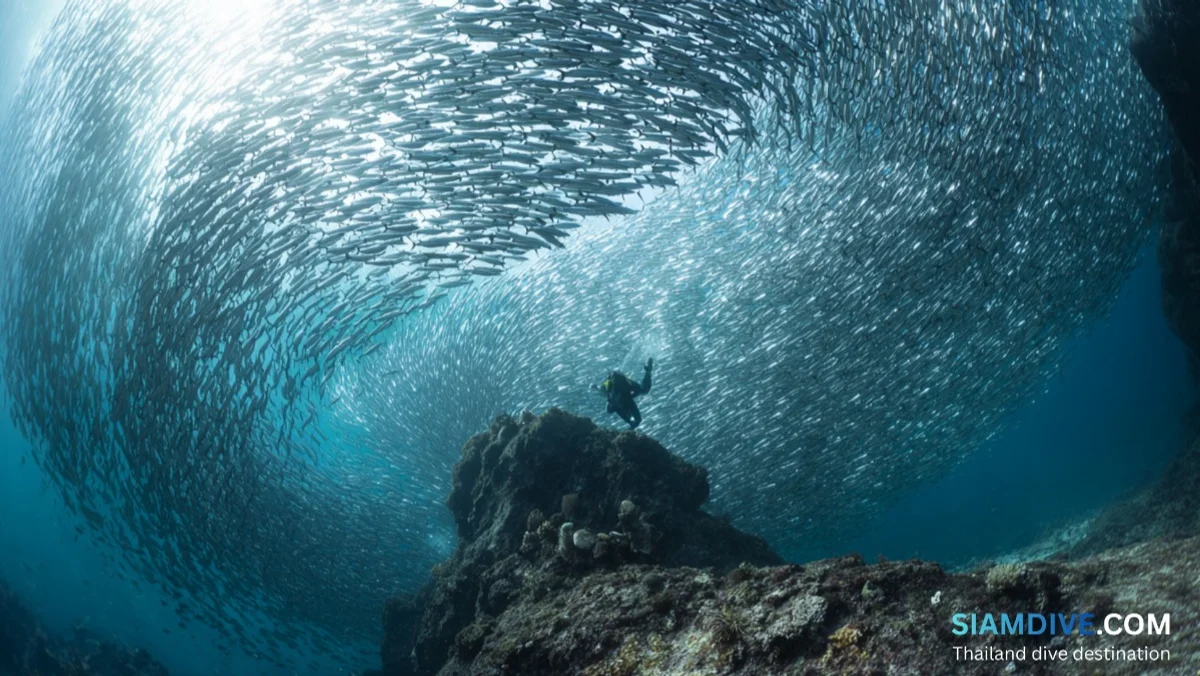
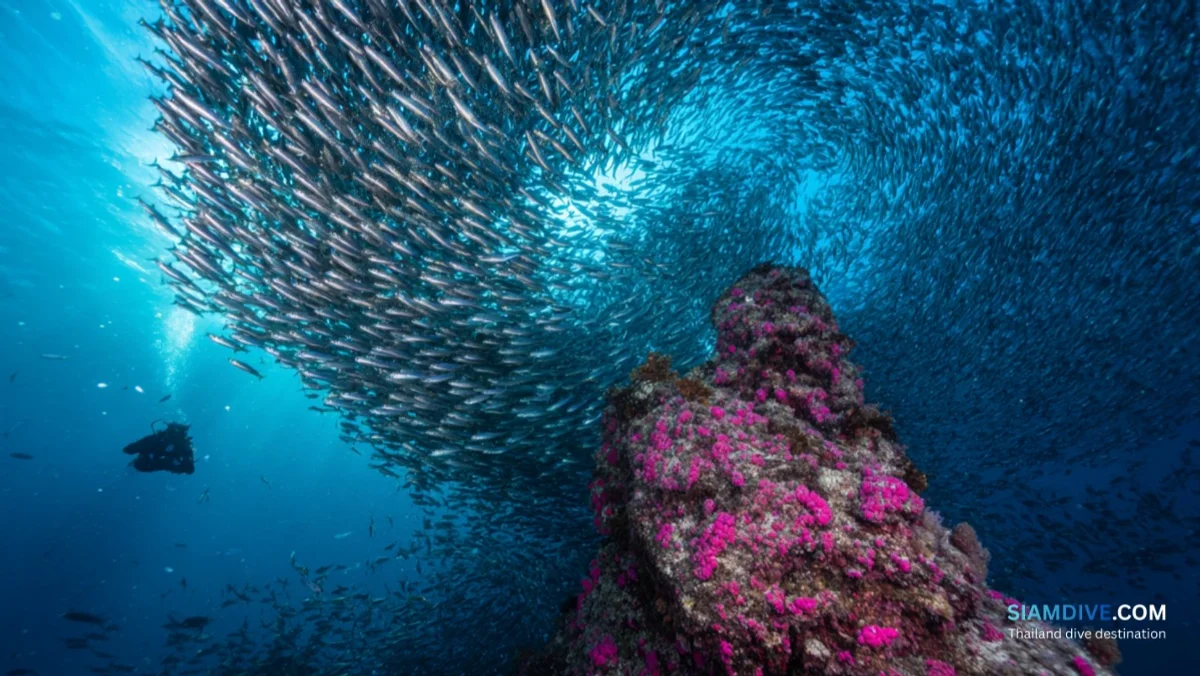
Hin Sawaeng combines two things that most Koh Lipe sites offer individually but rarely together: wall diving and macro hunting. The steep drop-offs attract pelagic visitors — reef sharks, barracuda, and trevally cruise the deeper sections. Meanwhile, the boulder field and overhang areas shelter a rich macro ecosystem with nudibranchs, frogfish, and seahorses hiding in the crevices.

The site also delivers consistent turtle encounters. Hawksbills feed on the coral-covered walls almost daily, sometimes holding position against a mild current while they work on a sponge. Green turtles appear less frequently but show up across the shallower reef sections.

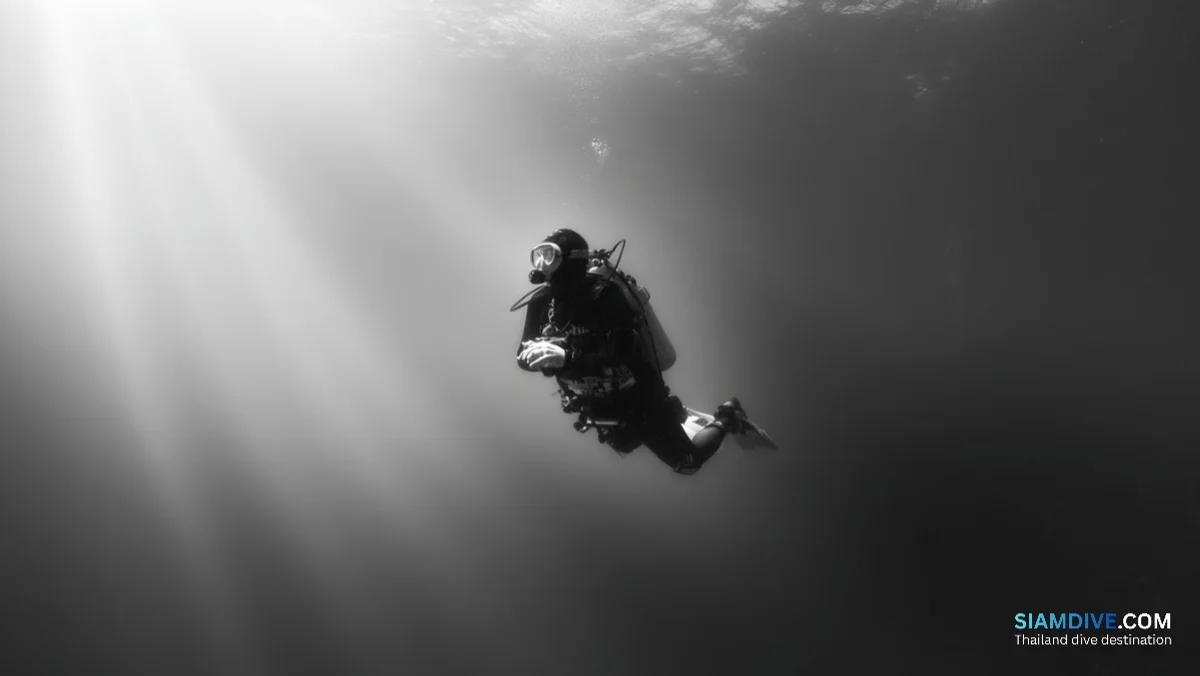
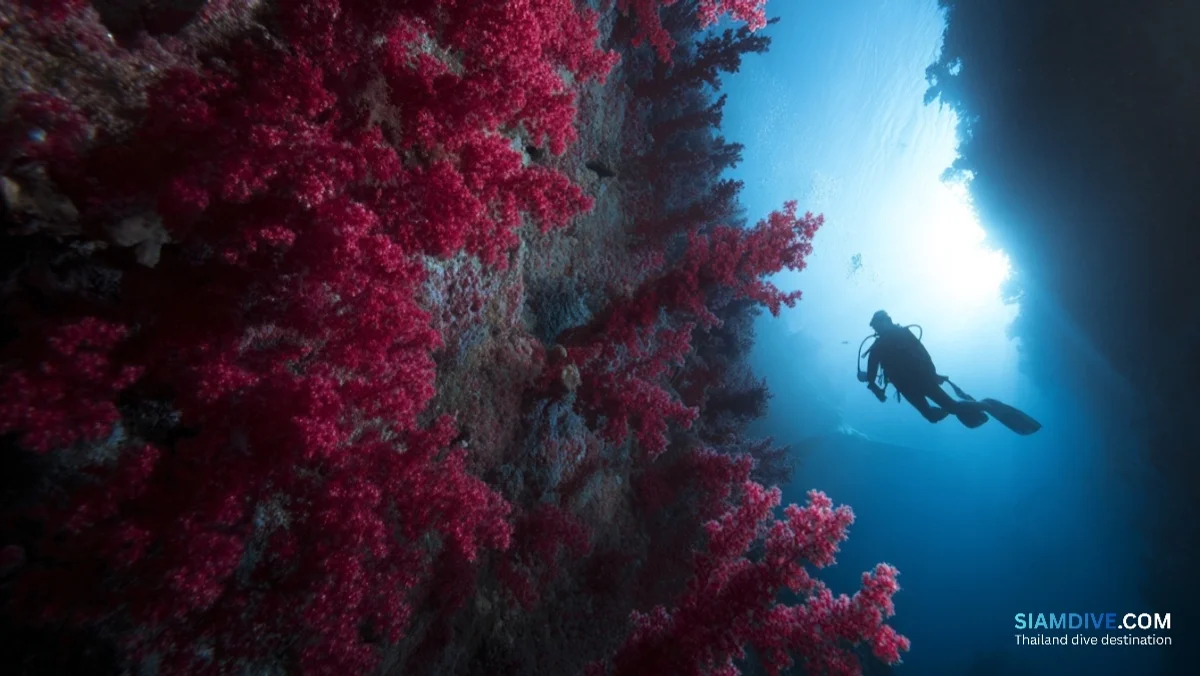
For photographers, the wall topography creates natural frames — gorgonian fans with blue water backgrounds, overhangs with diver silhouettes, and cleaning stations where groupers sit perfectly still. The light at this site is particularly good on morning dives when sun angles penetrate the shallower sections.

Marine Life at Hin Sawaeng

The reef fish populations are dense thanks to the national park protections. Schools of fusiliers and snappers move along the wall face, and butterflyfish pairs work the coral edges. Parrotfish are large here — humphead parrotfish occasionally pass through, drawing attention from across the site.

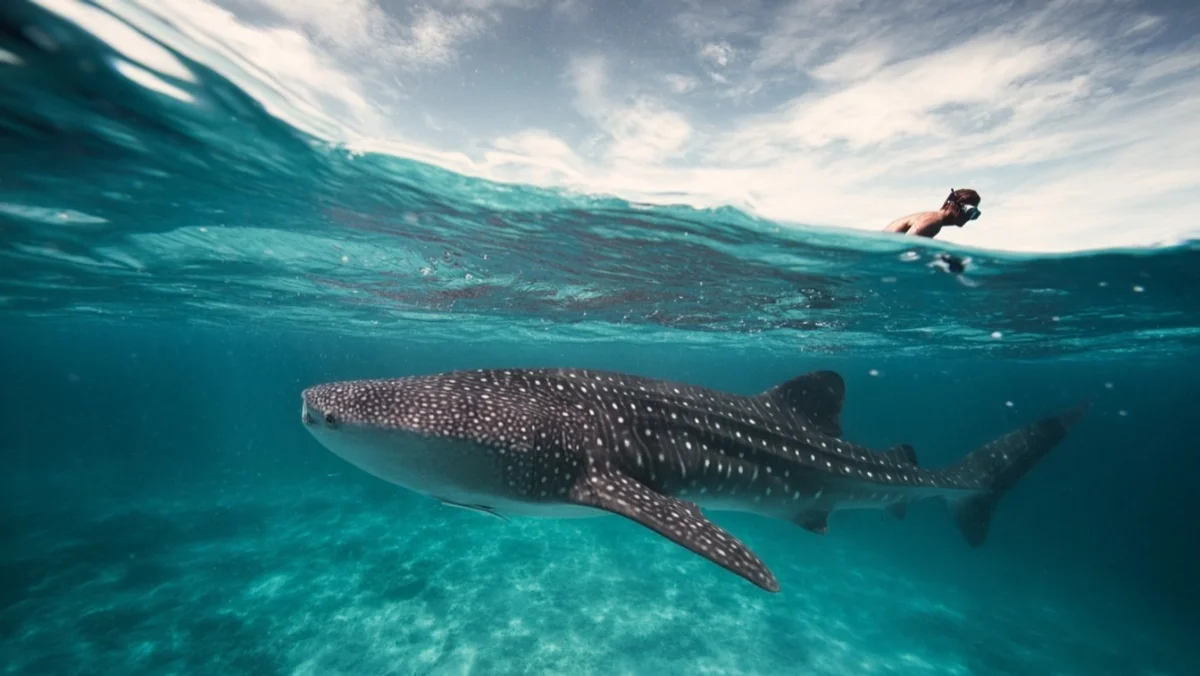
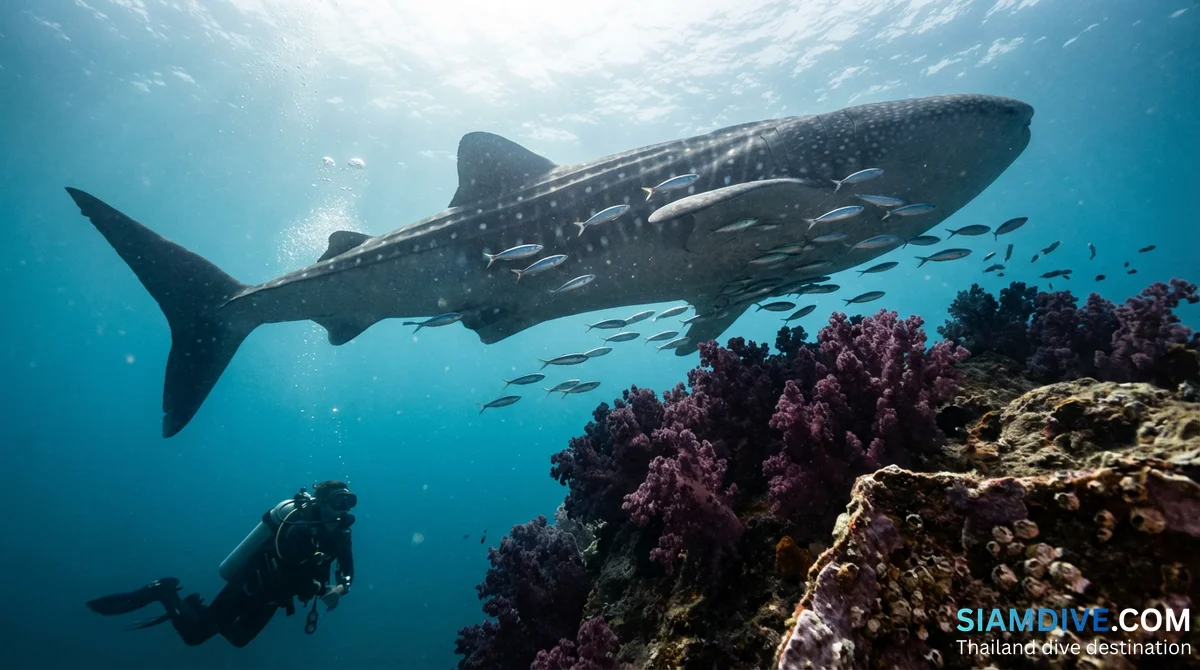
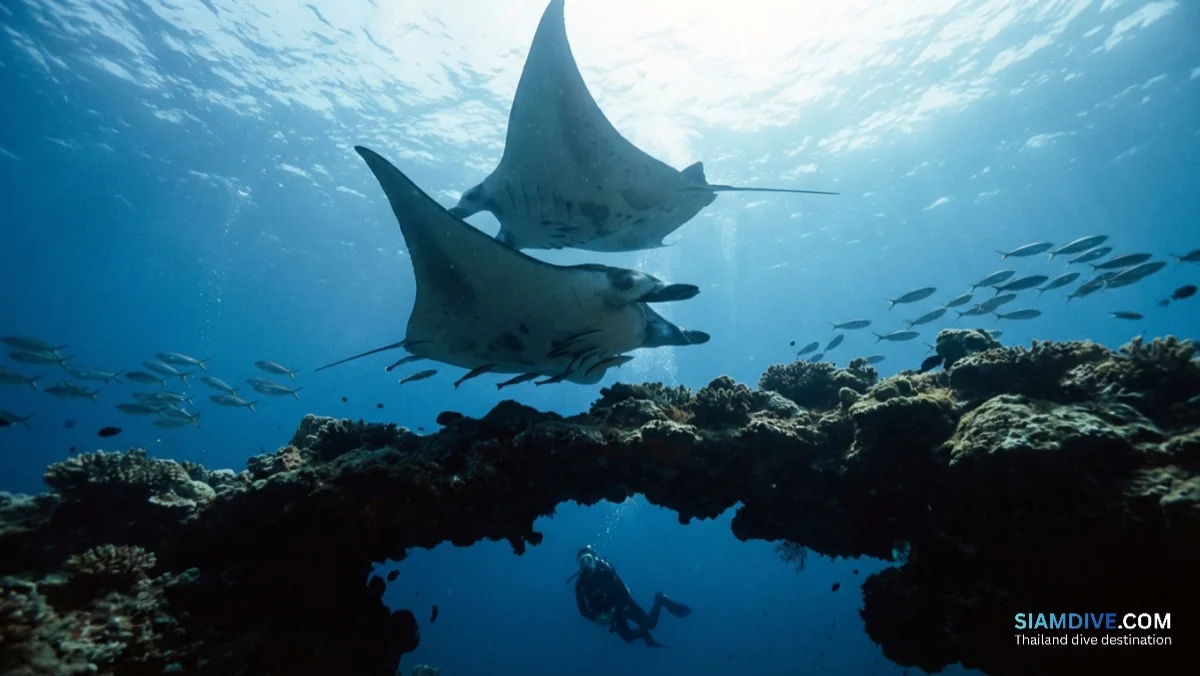
The wall attracts the bigger visitors. Blacktip and whitetip reef sharks patrol the deeper sections at 20-30 meters. Barracuda form loose schools near the pinnacle top during current flow. Eagle rays pass through periodically, especially from December to March. Rare whale shark sightings have been reported during March-May transition periods.

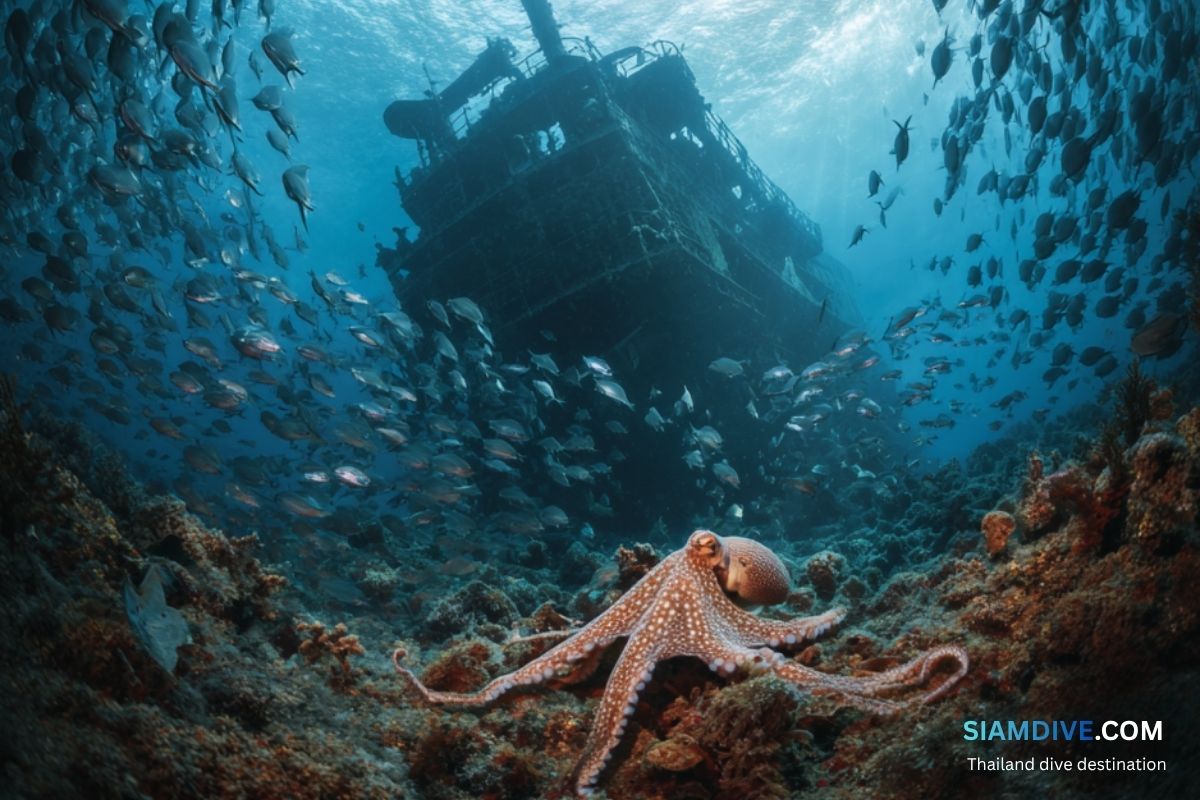
Macro life is genuinely good. The granite crevices hide scorpionfish that blend into the rock surface. Lionfish hover under overhangs in twos and threes. Nudibranch diversity is strong — look carefully on the sponges and soft coral patches. Octopus and cuttlefish camouflage against the boulders, and moray eels — both honeycomb and giant varieties — occupy holes across the reef.

Cleaning stations dot the site. Watch for groupers sitting motionless while cleaner wrasse pick parasites from their gills — one of the more reliably photographable behaviors you'll find.

Best Time to Dive Hin Sawaeng

Season runs November through April, matching all Koh Lipe diving. The monsoon shuts everything down from May to October with rough seas and visibility below 5 meters.

Peak conditions at Hin Sawaeng occur December through February. Visibility reaches 20-30 meters, seas stay calm, and the marine life is most active. Early morning dives — around 7-8 AM — offer the calmest water and best light penetration along the wall.

Currents are variable, ranging from 1-2 knots. They tend to be strongest around full moon tidal changes. On slack tide, the site is accessible to confident Open Water divers. When the current picks up, it becomes an Advanced-level dive, particularly along the deeper wall sections.

Water temperature stays at 28-31°C throughout the season. A 3mm wetsuit is recommended for the deeper wall dives where you may spend extended time at 25-30 meters.

How to Get There

Hin Sawaeng is accessed by dive boat from Koh Lipe, typically departing from Pattaya Beach or Sunrise Beach. The boat ride takes 20-40 minutes depending on sea conditions and vessel type.

Getting to Koh Lipe: Fly to Hat Yai Airport (HDY), then minivan to Pak Bara Pier in Satun province (1.5-2 hours). Speedboats to Koh Lipe run 1-1.5 hours and cost 800-1,200 THB round-trip. From Langkawi, Malaysia, speedboats take about 1.5 hours.

Dive costs: Two-dive day trips run 2,500-3,500 THB per person including full gear rental. Some operators offer Hin Sawaeng as a specialty trip or pair it with nearby sites like Stonehenge. Nitrox is available at several shops for an additional fee.

Tarutao National Marine Park fee: 400 THB for foreigners, valid for 5 days. Pay at the park checkpoint or through your dive operator.

Tips for Diving Hin Sawaeng

  • Mind the wall depth — It's easy to drift deeper than planned along the wall. The scenery keeps pulling you down. Set a depth alarm at 25 meters and stick to it, especially on your first dive here.
  • Dive early — Morning departures get you the best light on the wall and the calmest surface conditions. Afternoon dives work but the wind often picks up.
  • Check the current before committing — Ask your guide about current strength. If it's ripping, the wall dive becomes a drift — different fun, but different skills required.
  • Dual lens strategy — If you can only bring one lens, go wide-angle for the walls and turtles. But the macro here genuinely deserves its own dive. Consider booking two dives at this site if your operator allows it.
  • Stay off the corals — The gorgonians on the wall are decades old and fragile. Maintain distance and control your buoyancy, especially near the wall face. One fin kick against a sea fan undoes years of growth.
  • Hydrate well — The combination of tropical heat, UV exposure, and deeper dives increases dehydration risk. Drink plenty of water between dives.

Build Hin Sawaeng Into Your Koh Lipe Itinerary

Hin Sawaeng works best as part of a multi-day Koh Lipe dive schedule. Combine it with 8 Mile Rock for big-animal action, Stonehenge for boulder formations, and the inner island reefs for gentle afternoon dives. Three to four dive days gives you enough time to hit the highlights without rushing. Check Koh Lipe dive packages and liveaboard options at siamdive.com.
← กลับไปหน้า Blog

บทความแนะนำ

70 Dive Schools on One Island: What Keeps Thai Prices Honest

70 Dive Schools on One Island: What Keeps Thai Prices Honest

Koh Tao squeezes 70+ dive schools into 21 km², driving OW courses to 9,500 baht. How density keeps prices honest and standards high across Thailand.

Southwest Pinnacle Koh Tao Diving Guide: The Gulf's Best Big-Fish Site

Southwest Pinnacle Koh Tao Diving Guide: The Gulf's Best Big-Fish Site

Southwest Pinnacle is Koh Tao's seven-pinnacle offshore site. Whale sharks, dogtooth tuna, and giant groupers — here's how to dive it and when.

Richelieu Rock Diving Guide: Best Site in Thailand 2025

Richelieu Rock Diving Guide: Best Site in Thailand 2025

Discover Richelieu Rock, Thailand's crown jewel of scuba diving. Whale sharks, manta rays, seahorses and world-class biodiversity await in the Andaman Sea.

Where Whale Sharks Surface Daily at Koh Ran Ped

Where Whale Sharks Surface Daily at Koh Ran Ped

Koh Ran Ped and Ran Kai in Chumphon draw whale sharks every spring to a plankton-rich channel just 18 metres deep — reachable by snorkelers on a 1,700 THB day trip.

March in Thailand: Why the Andaman Always Wins the Dive Trip

March in Thailand: Why the Andaman Always Wins the Dive Trip

Thailand has two seas. In March, only one delivers peak visibility, whale shark odds, and liveaboard access. Here's why seasoned divers always pick the Andaman.

48 Hours Post-Dive: The Ear Injury Nobody Expects

48 Hours Post-Dive: The Ear Injury Nobody Expects

Middle ear barotrauma often shows up days after the dive. How to spot delayed ear squeeze, when to ground yourself, and where to find help in Thailand.

Surface Intervals: The Boring Part of Diving That Keeps You Alive

Surface Intervals: The Boring Part of Diving That Keeps You Alive

Everything you need to know about surface intervals — why nitrogen off-gassing matters, how long to wait between dives, what to do (and avoid) during your SI, and how dive computers calculate it all for you.

BCD Basics: Choosing, Fitting, and Using Your Buoyancy Device

BCD Basics: Choosing, Fitting, and Using Your Buoyancy Device

Everything divers need to know about BCDs — from jacket vs back-inflate vs wing, to getting the right fit, underwater technique, and long-term care.

Koh Rok Diving Guide: Trang's Pristine Coral Paradise

Koh Rok Diving Guide: Trang's Pristine Coral Paradise

Explore Koh Rok's crystal-clear waters, healthy coral reefs, and rich marine life. Your complete guide to diving Thailand's best-kept Andaman secret.

Safe Ascent Rate: The Diving Safety Rule Most Divers Break

Safe Ascent Rate: The Diving Safety Rule Most Divers Break

The 9 m/min ascent rate is the most important rule in recreational diving safety — and the one most divers quietly break every dive. Here's how to fix it.

Hin Lak Ngam: Thailand's Black Coral Capital in Chumphon

Hin Lak Ngam: Thailand's Black Coral Capital in Chumphon

Two rocky outcrops inside Mu Koh Chumphon National Park shelter Thailand's highest concentration of black coral — and virtually no other divers.

PADI vs SSI vs NAUI vs RAID: Does the Agency on Your Card Actually Matter?

PADI vs SSI vs NAUI vs RAID: Does the Agency on Your Card Actually Matter?

A diver's honest, no-marketing breakdown of the four big certification agencies — where they differ, where they don't, and what to actually look for.

One Country, Every Type of Dive: Why Thailand Is the Most Underrated Bucket-List Destination

One Country, Every Type of Dive: Why Thailand Is the Most Underrated Bucket-List Destination

Whale sharks, manta rays, macro critters, wrecks, pinnacles, drift, coral gardens — Thailand delivers every style of diving within one country. Here's why that matters.

5 Depths Where Hin Daeng's Red Wall Changes Completely

5 Depths Where Hin Daeng's Red Wall Changes Completely

From snorkelling reef to 60-metre drop-off, each depth band on Hin Daeng's crimson wall delivers a different dive and different animals. Here is what to expect at every level.

10 Reef Stations on a Rope: Koh Mattra's Underwater Trail

10 Reef Stations on a Rope: Koh Mattra's Underwater Trail

Thailand's first underwater nature study trail runs along Koh Mattra's eastern reef in Chumphon, with 10 signed stations from giant clams to sea fans at 1-8 metres depth.

Fried on the Dive Boat: The Complete Sun Protection Guide Every Diver Needs

Fried on the Dive Boat: The Complete Sun Protection Guide Every Diver Needs

Scuba divers face extreme UV exposure — hours on open boat decks, water reflecting 25-40% more UV rays, and wet skin that burns faster. Learn about reef-safe sunscreen, UPF rash guards, and essential gear to protect your skin without harming marine life.

HTMS Chang Koh Chang

HTMS Chang Koh Chang

Dive into the HTMS Chang wreck.

The 15-Minute Post-Dive Rinse That Doubles Your Gear's Life

The 15-Minute Post-Dive Rinse That Doubles Your Gear's Life

Master the complete 15-minute post-dive rinse protocol for every piece of scuba equipment. From regulator dust caps to BCD bladder flushes, this step-by-step routine prevents corrosion and extends gear life.

That Hard Pull at 30 Metres Is Your First Stage Talking

That Hard Pull at 30 Metres Is Your First Stage Talking

When your regulator fights you at depth, intermediate pressure tells the story. A five-minute pre-dive IP check and annual service are all it takes.

First Liveaboard Trip in Thailand: What to Actually Expect

First Liveaboard Trip in Thailand: What to Actually Expect

Your first Thai liveaboard trip means early wake-ups, compact cabins, 3-5 dives daily, and a routine that clicks by day two. Here's the honest version.

ทริปแนะนำ

Vela Liveaboard
liveaboard

Vela Liveaboard

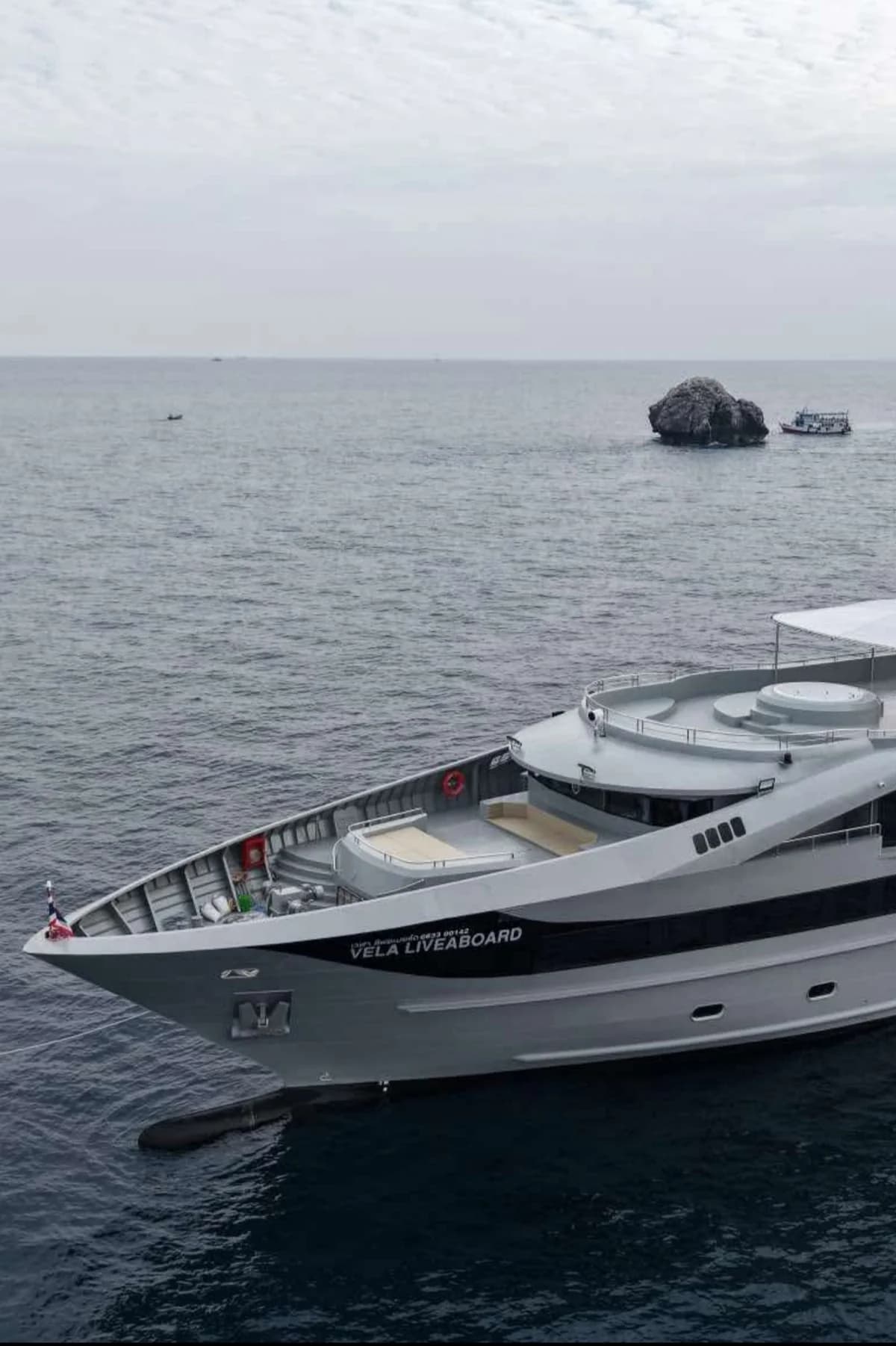
MV Vela / Vala — massive 43 m steel-hull liveaboard with only 20 guests max for ultimate space and privacy. King and twin AC en-suite cabins, large dive deck, indoor saloon and rooftop sun deck. Highest international safety standards.

Hug Ocean Boat
daytrip

Hug Ocean Boat

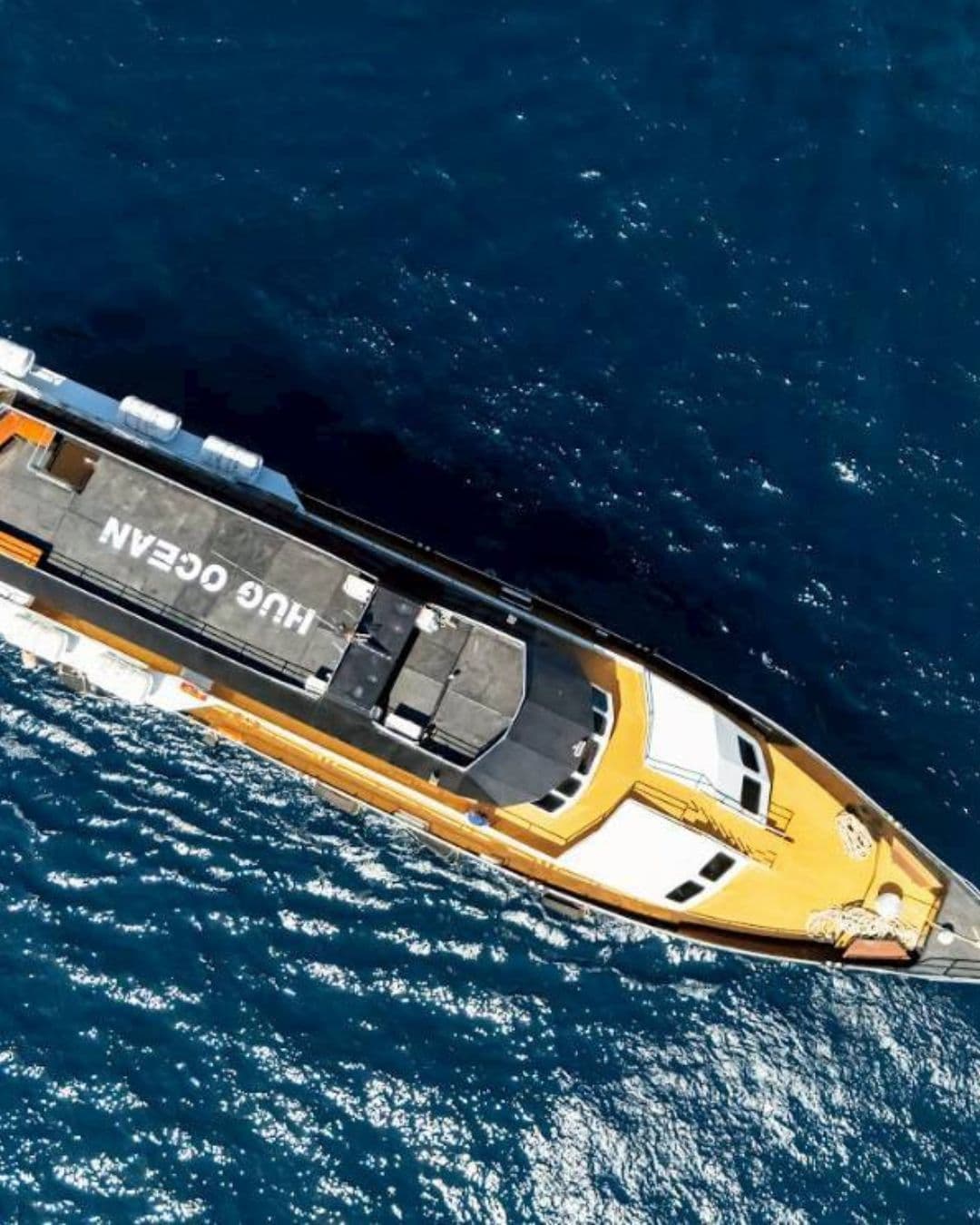
Discover Phuket's Andaman Sea aboard Hug Ocean — a luxury 3-deck dive yacht for 80 guests with a thrilling water slide, sun-soaked top deck, and PADI-certified diving at Racha Yai and Racha Noi.

Aquarian Liveaboard
liveaboard

Aquarian Liveaboard

MV Aquarian — striking 2021-built red steel liveaboard, 31.4 m × 7.5 m, max 28 guests in 14 cabins. Free unlimited Nitrox via Coltri Sub membranes, one of Thailand's largest dive platforms, and full premium-hotel comfort.

Issara Liveaboard
liveaboard

Issara Liveaboard

MV Issara — high-end Thai steel-hulled liveaboard built 2016–17, 28.5 m × 6.5 m, 4 decks, max 22 guests in 11 hotel-style cabins. Indoor saloon, jacuzzi sun deck, full-board buffet dining.