Koh Rok Diving Guide: Trang's Pristine Coral Paradise
10 เมษายน 2569
Explore Koh Rok's crystal-clear waters, healthy coral reefs, and rich marine life. Your complete guide to diving Thailand's best-kept Andaman secret.
Two Islands, One Spectacular Reef System
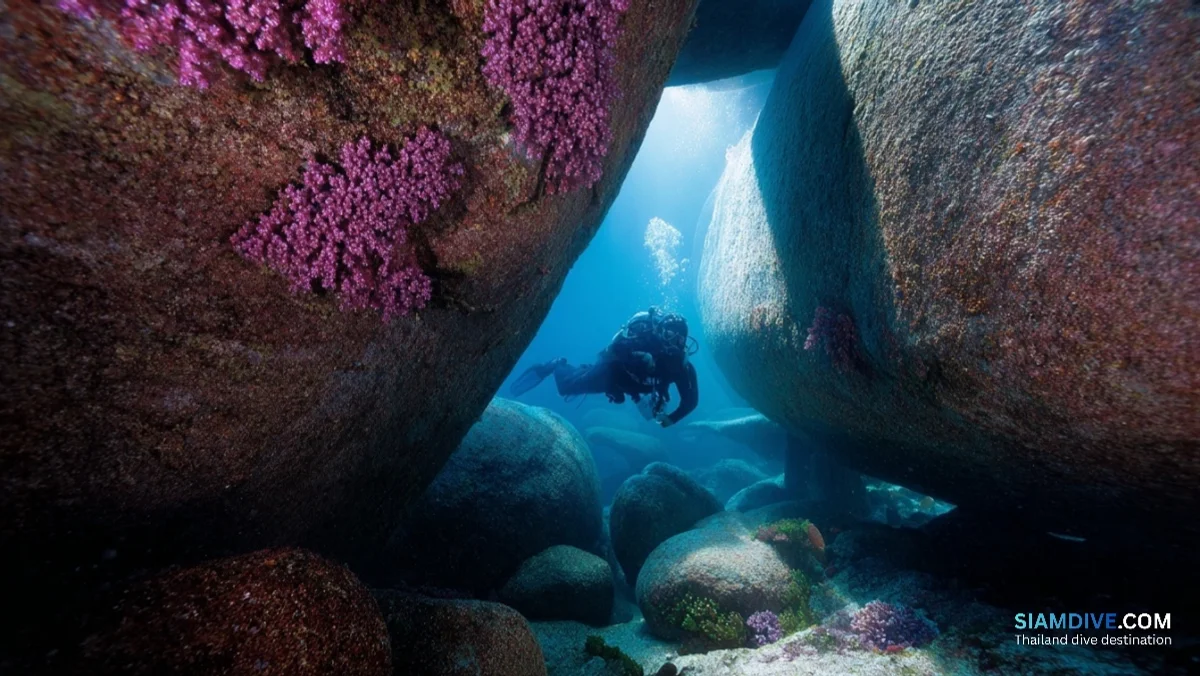
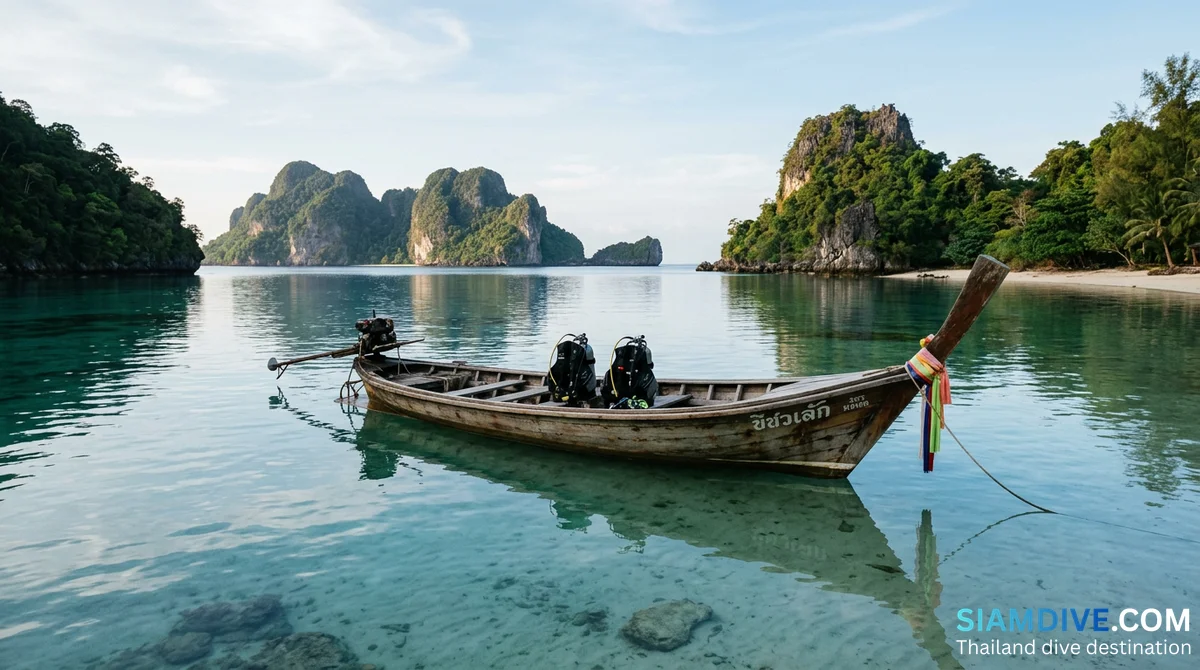
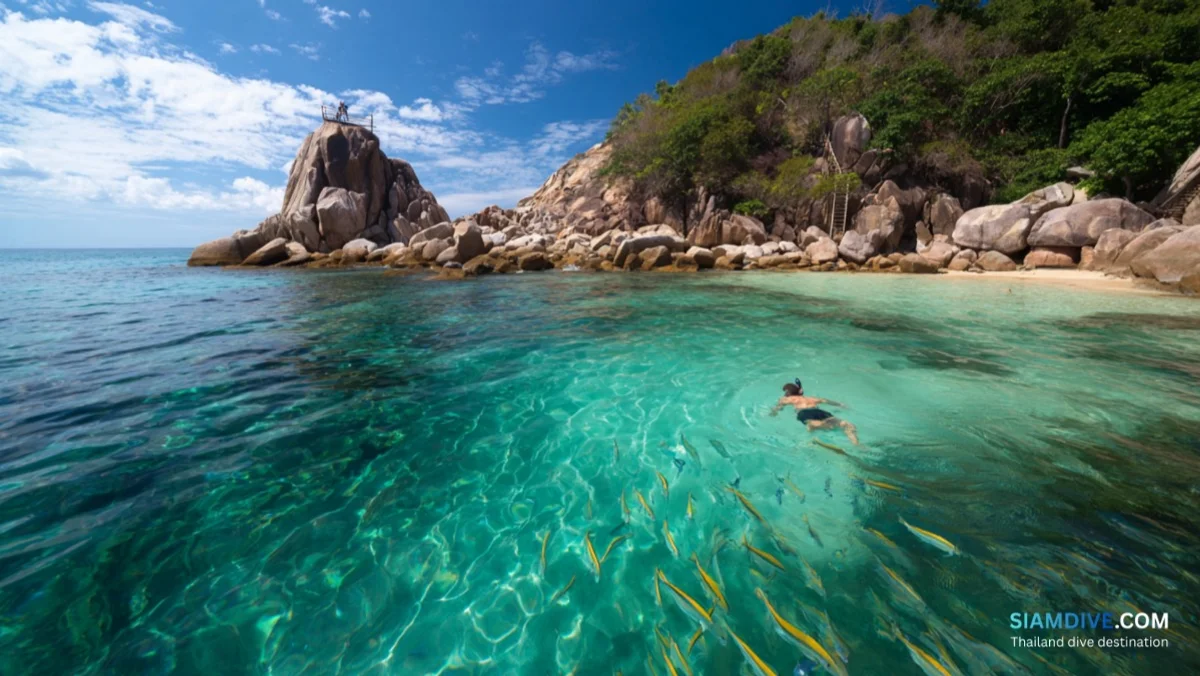
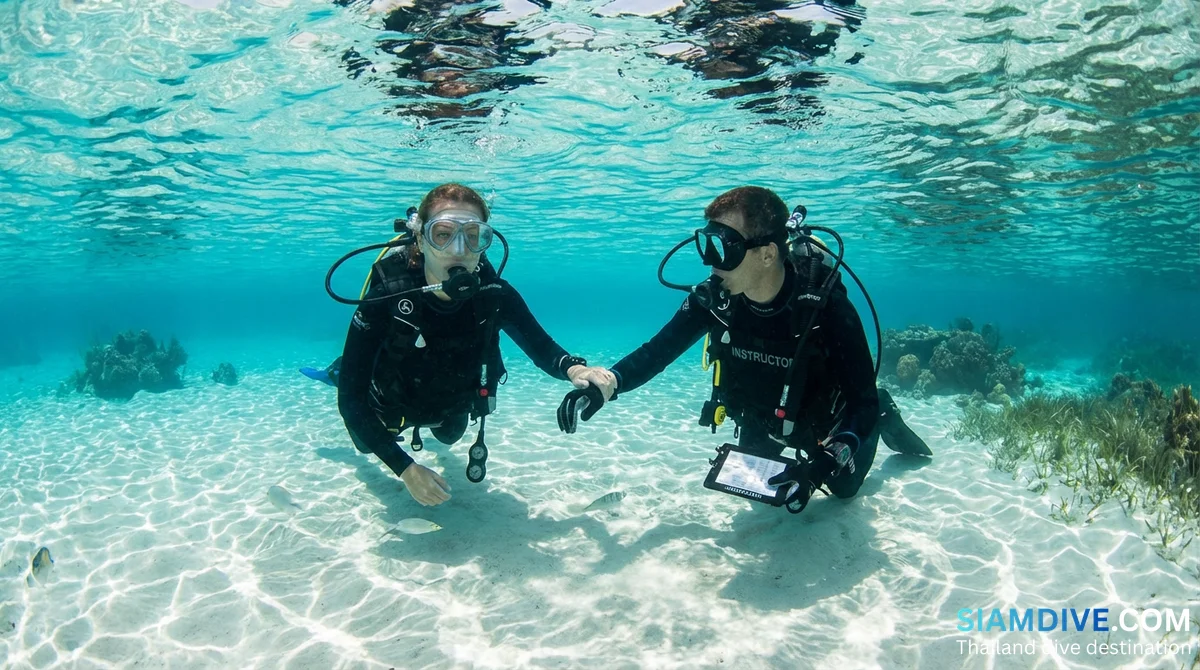
Koh Rok sits about 40 kilometers off the coast of Trang province — two small limestone islands, Koh Rok Nai and Koh Rok Nok, surrounded by some of the healthiest coral reefs left in the Andaman Sea. The water here regularly hits 30 meters of visibility, the kind of clarity that makes you forget you're wearing a mask. Unlike the Similans or Phi Phi, Koh Rok stays relatively quiet. No resorts, no beach bars, just national park rangers and the occasional longtail.
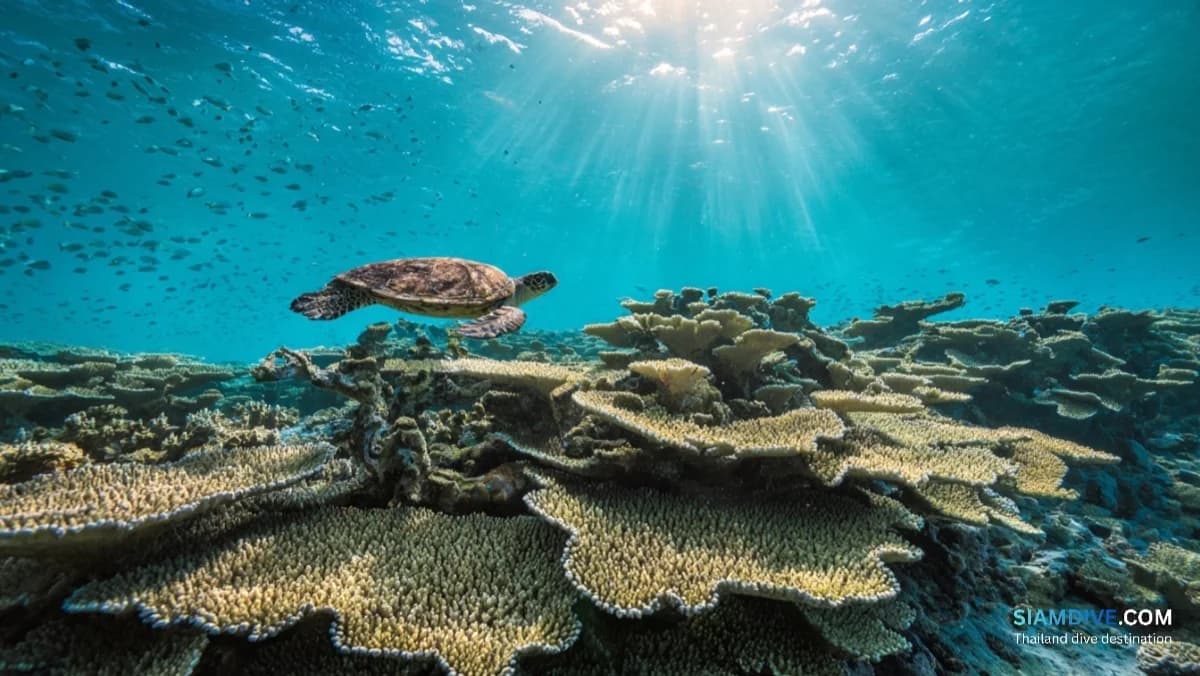
The reef system covers both islands and the channel between them, with over 100 coral species documented. Thailand's Department of Marine and Coastal Resources reported 70%+ live coral cover at the top sites during 2024 surveys — a number that puts most Southeast Asian reefs to shame. If you've been chasing healthy reefs across the region, Koh Rok delivers.
Why Koh Rok Deserves a Spot on Your Dive List
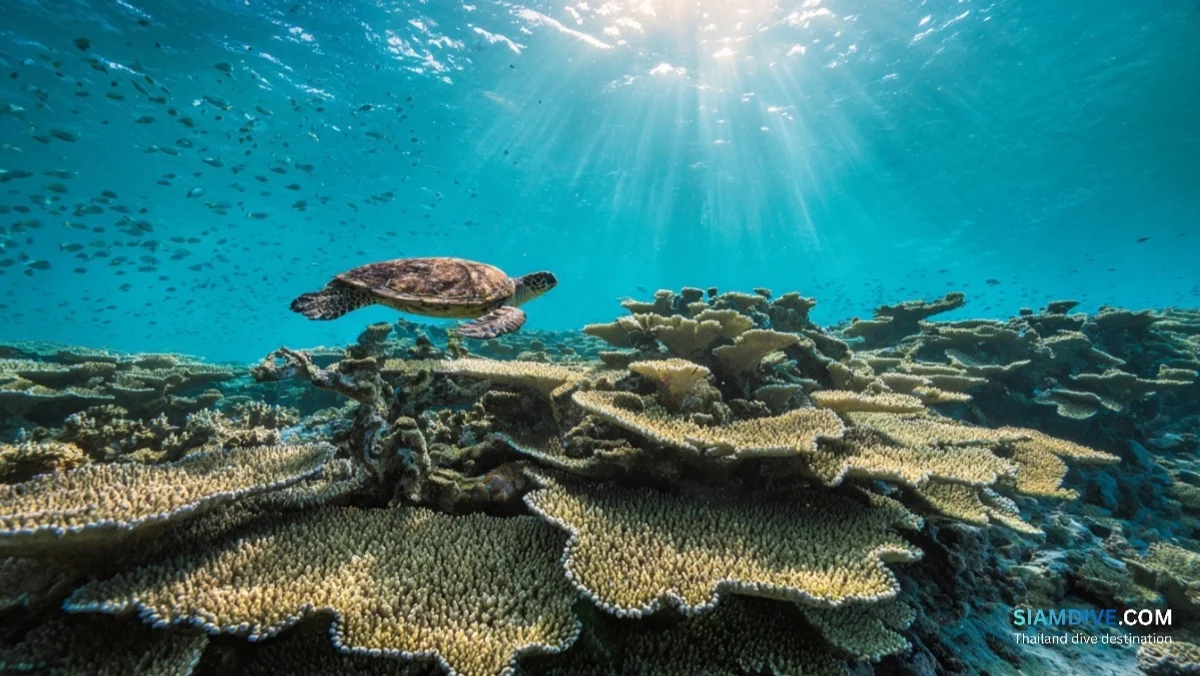
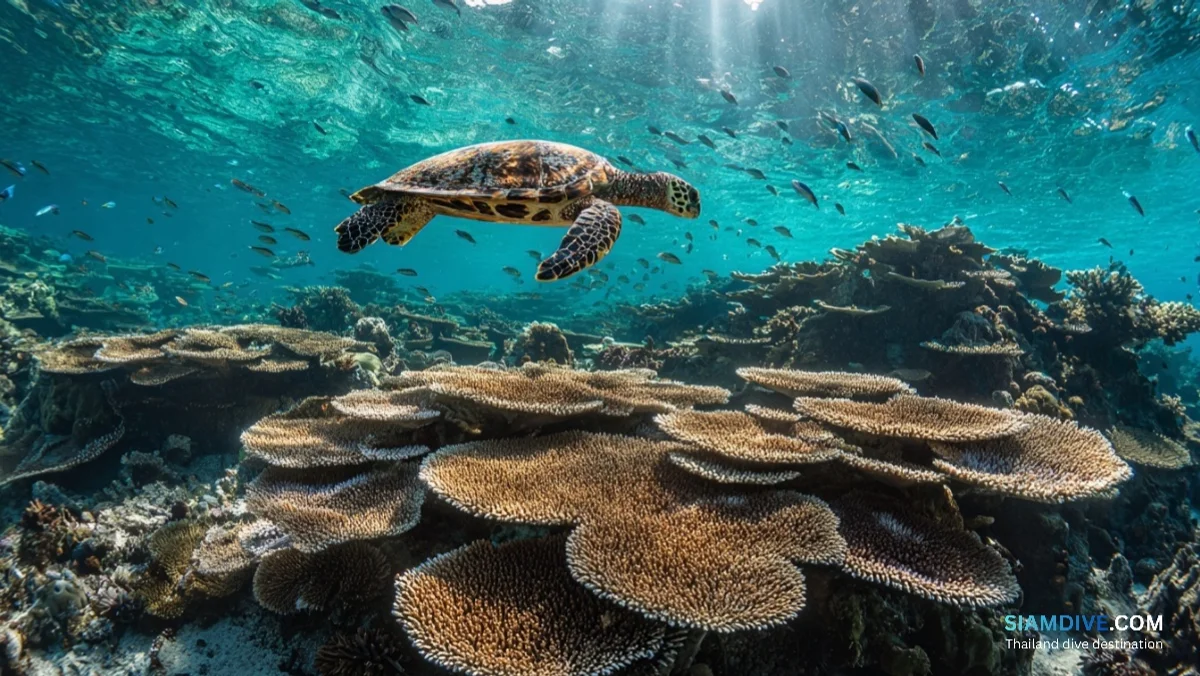
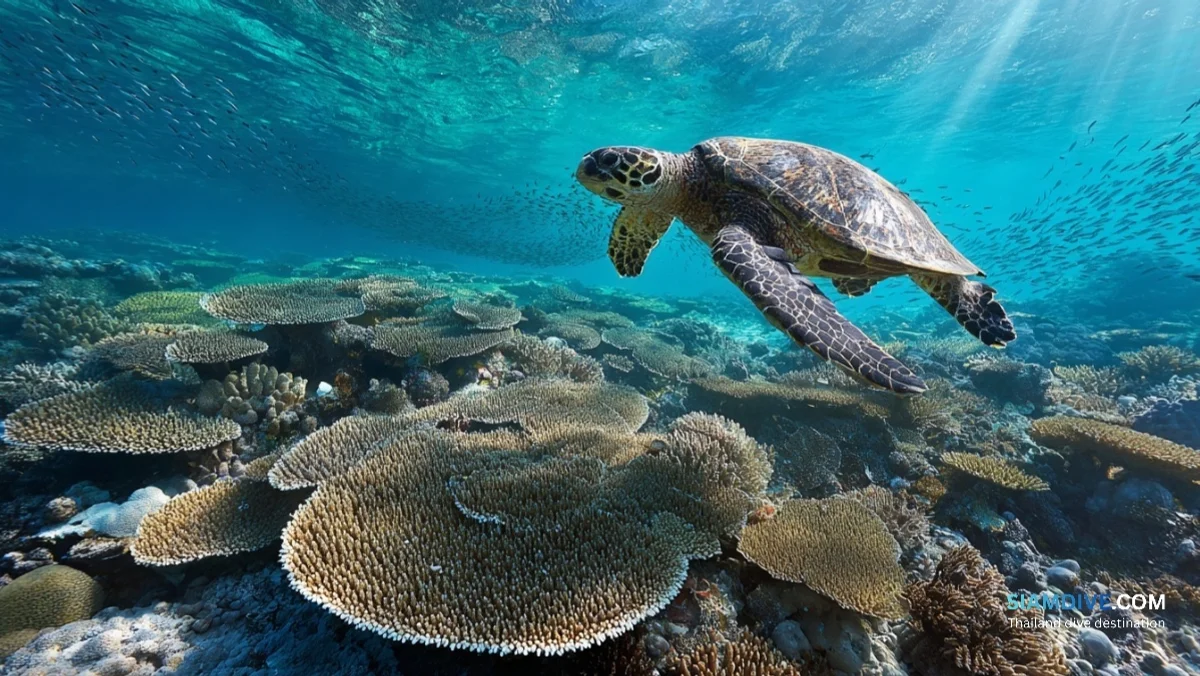
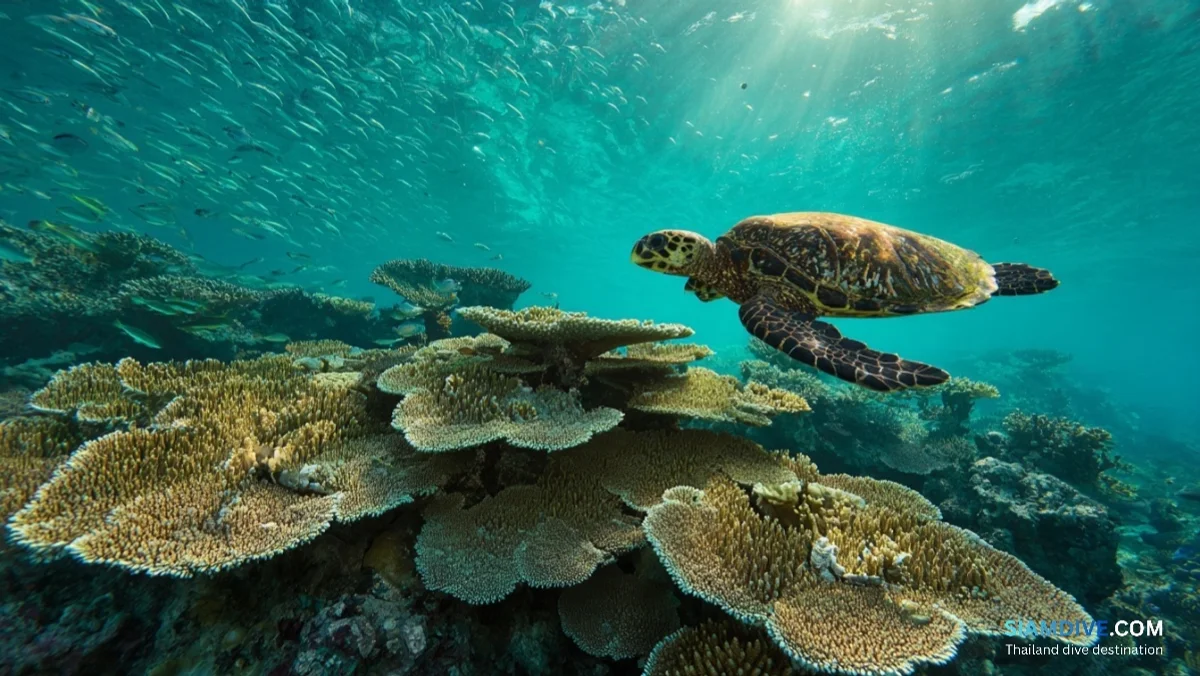
Three things set Koh Rok apart. First, the coral health. Years of strict national park management have kept anchor damage and overtourism in check. You'll see table corals the size of dining tables, brain corals older than most dive shops, and acropora gardens that haven't been bleached into rubble.
Second, the variety. Pinnacles, walls, shallow gardens, and sandy slopes — all within a small area. You can do a 30-meter wall dive in the morning and a 10-meter macro hunt after lunch without moving the boat far.
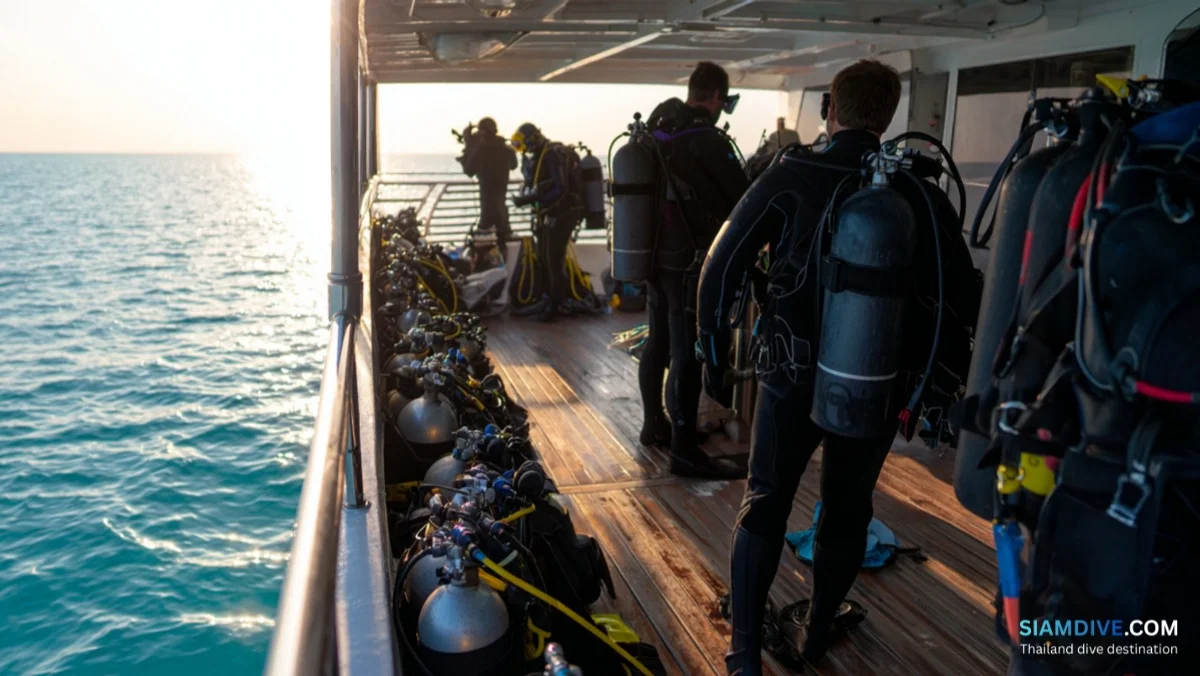
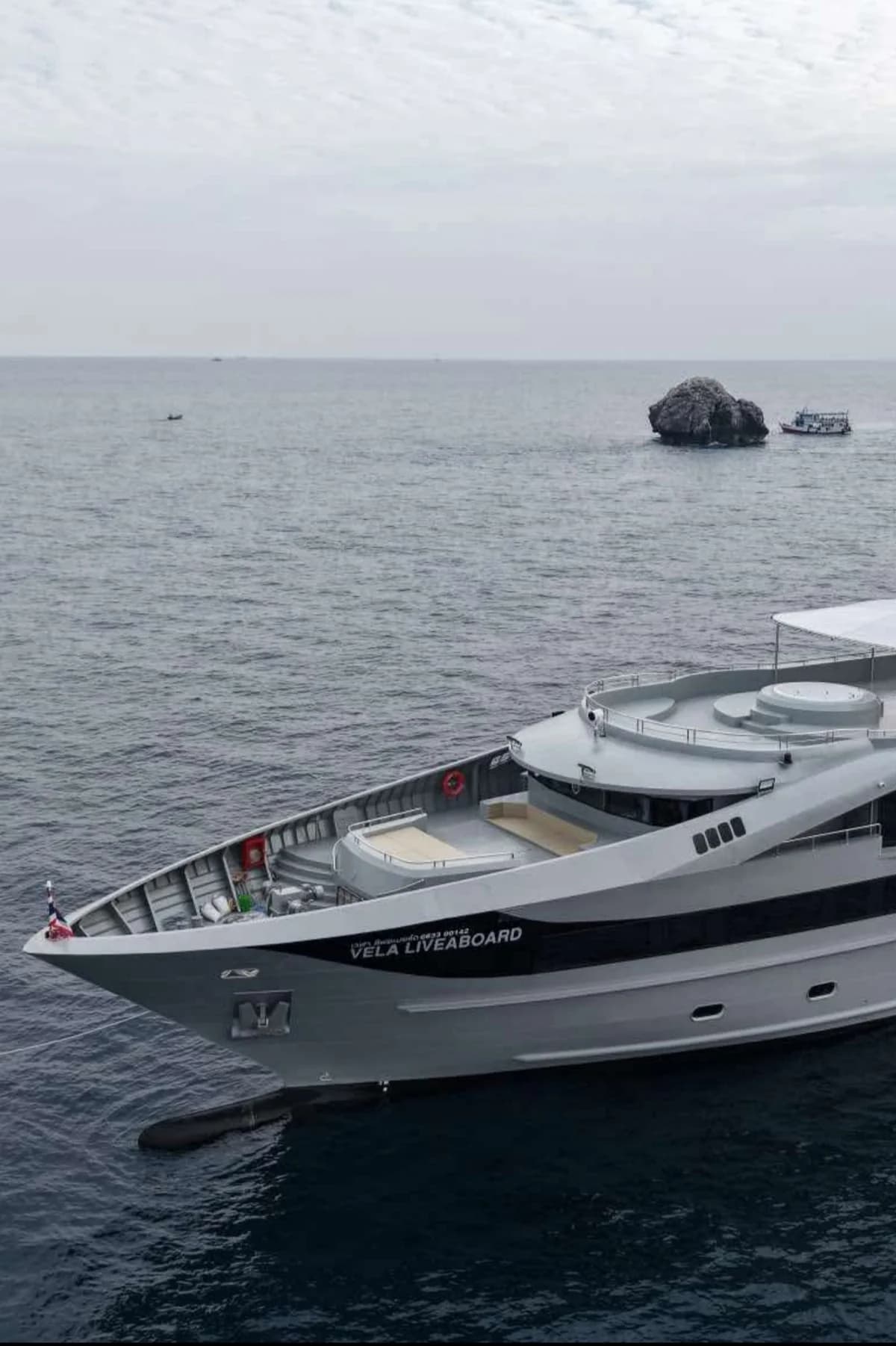
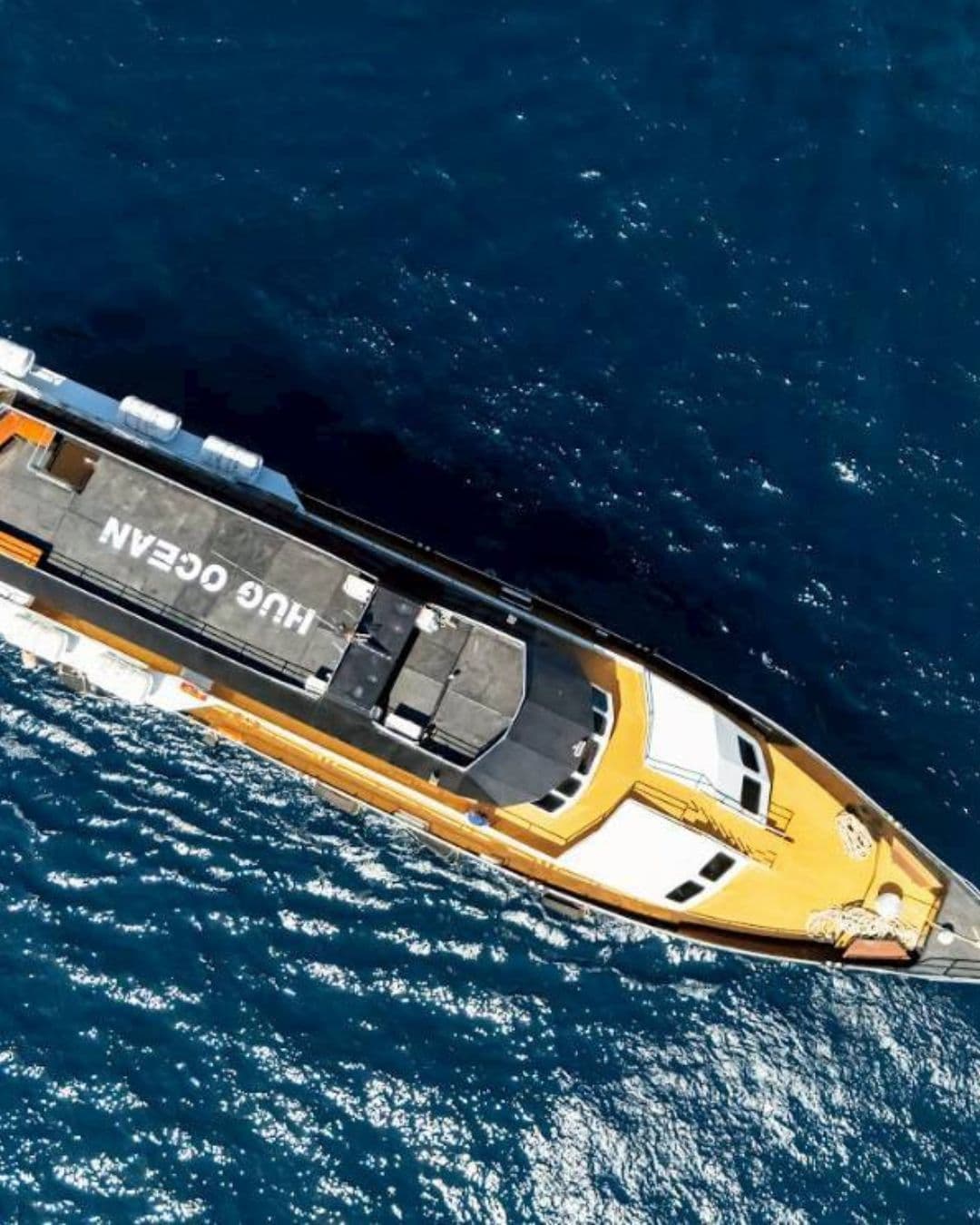
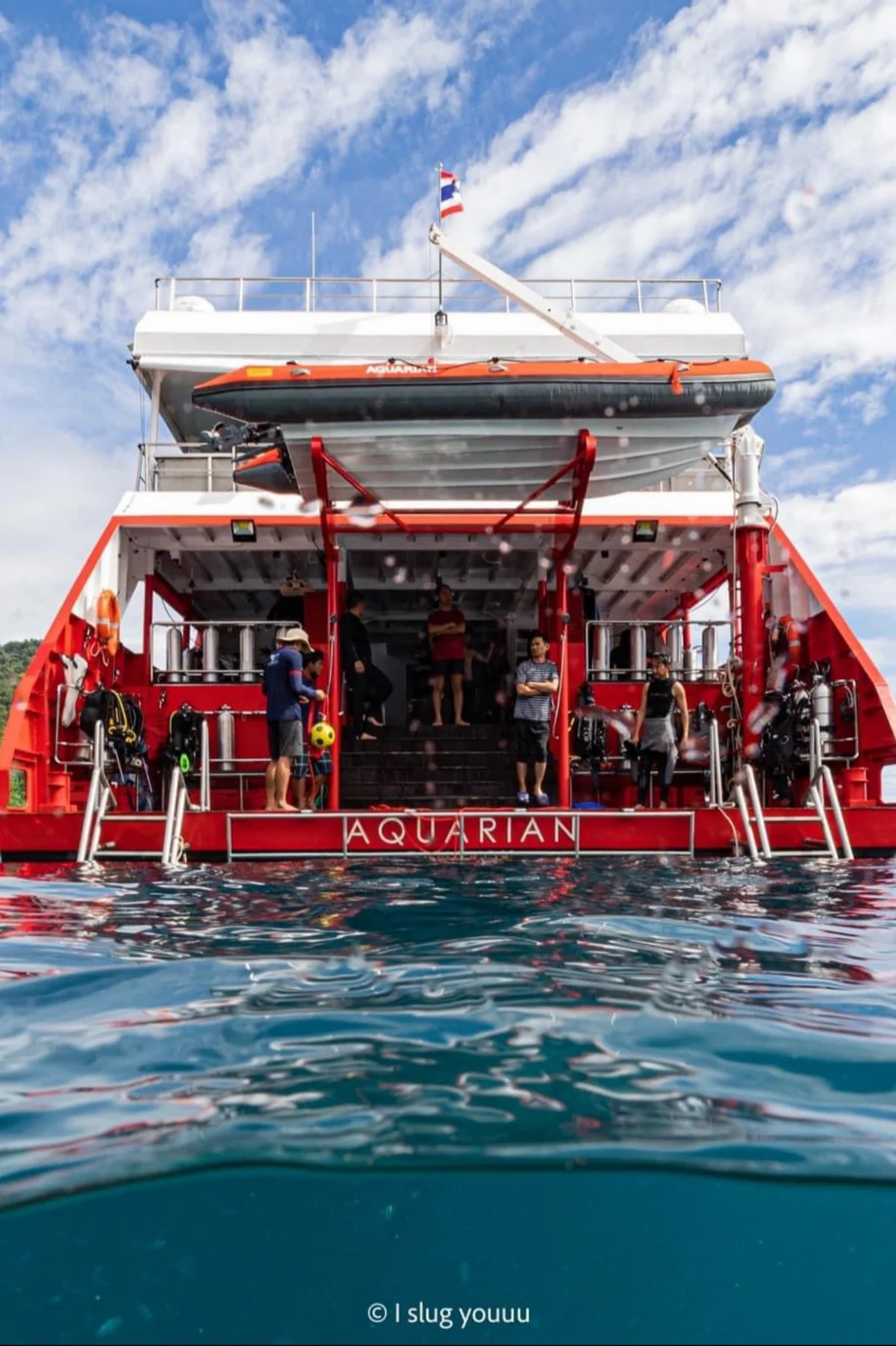
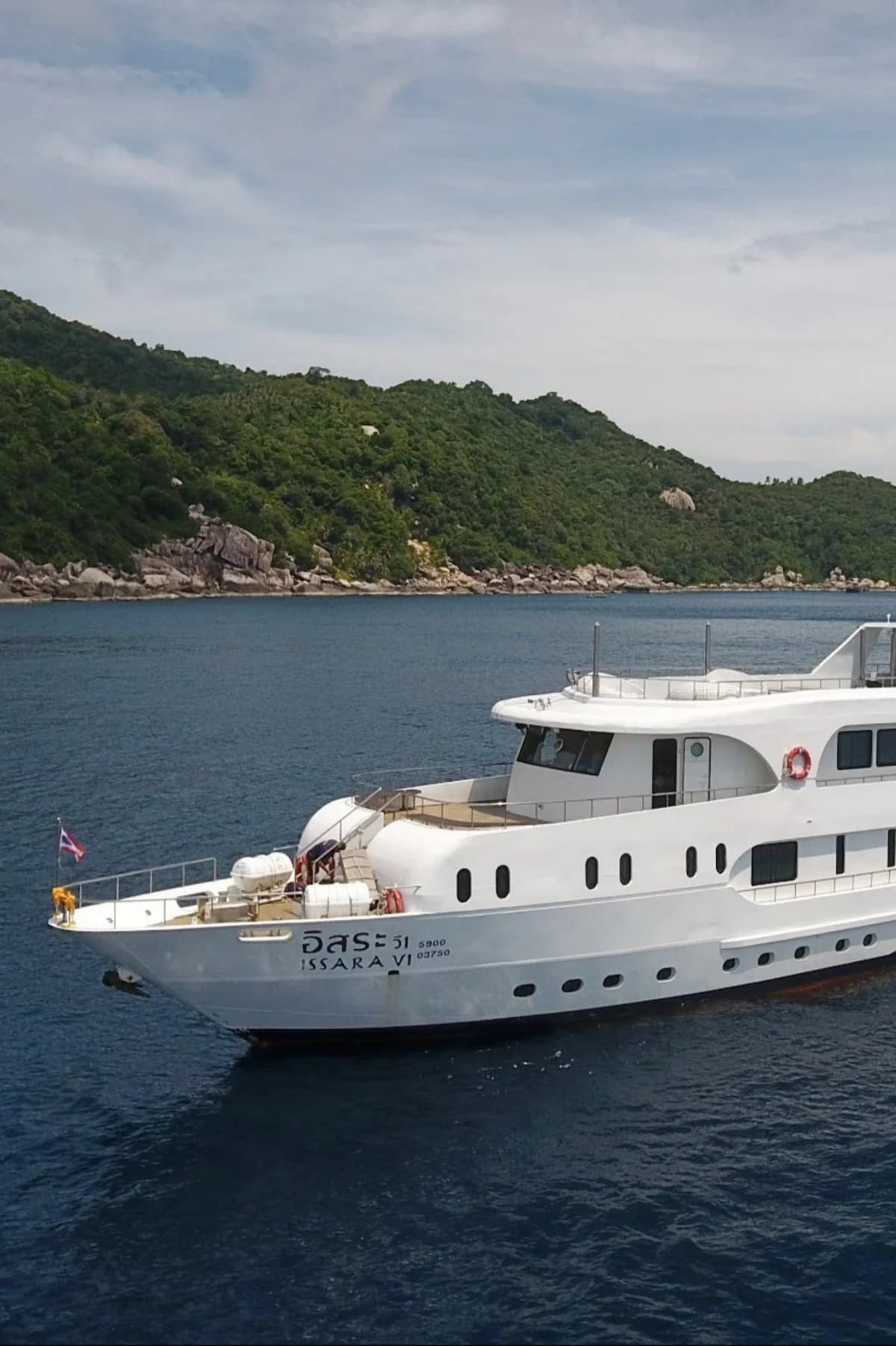
Third, the access. Koh Rok works as a day trip from Trang, Krabi, or Lanta, but it also sits on the route for southern Andaman liveaboards heading to Hin Daeng, Hin Muang, and beyond. You get remote-feeling diving without committing to a week-long expedition.
Best Dive Sites at Koh Rok
The island pair has over 20 marked dive sites. These are the ones worth prioritizing:
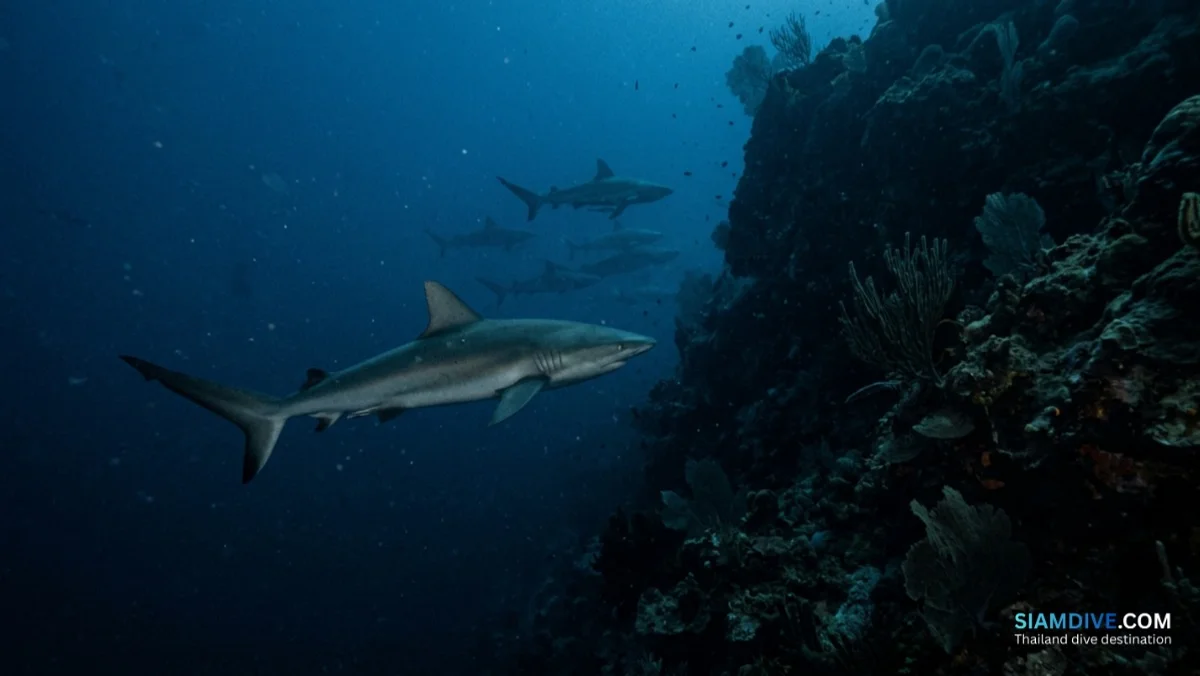
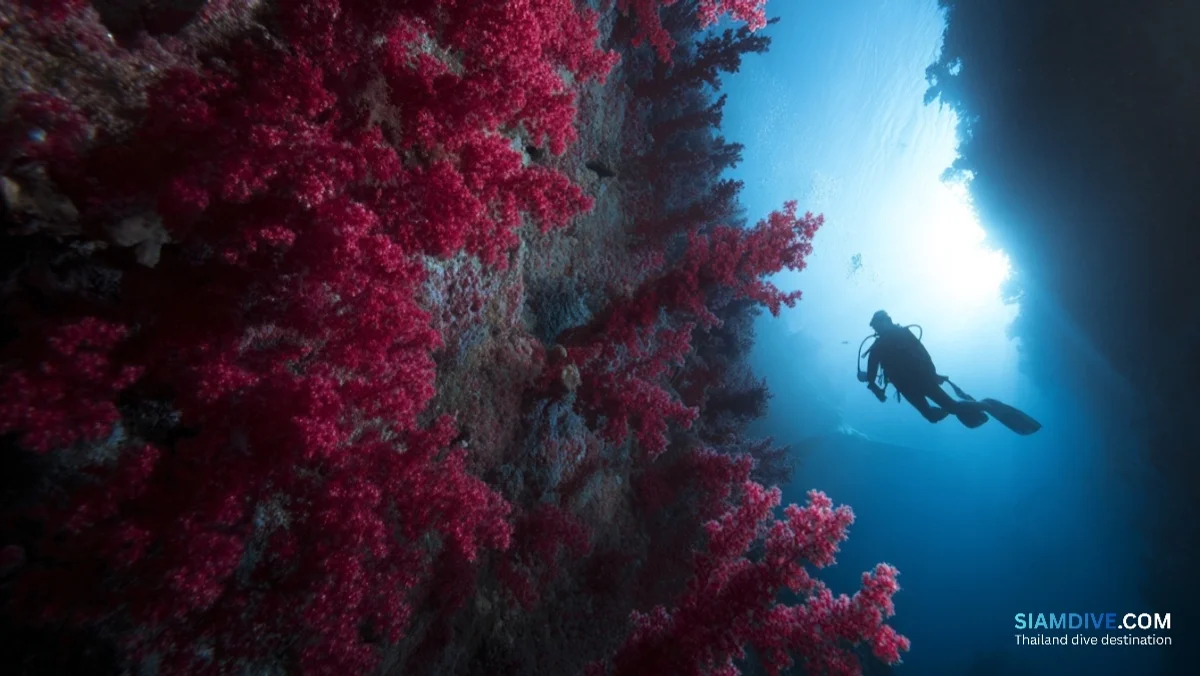
- Soneca Pinnacle (Koh Rok Nok) — A limestone spire rising to 18 meters, draped in soft corals and gorgonians. Blacktip reef sharks patrol the base, and barracuda schools spiral overhead. Currents can rip here, so bring a reef hook and stay close to your guide.
- Man Wichai Pinnacle — Twin pinnacles dropping to 30 meters with big gorgonian fans and resident hawksbill turtles. Calmer currents make this a good first dive of the day.
- Coral Garden (Koh Rok Nai) — A shallow plateau between 5 and 18 meters packed with hard corals. Over 100 species have been logged here. Perfect for long bottom times and photography.
- Shark Point — Sandy bottom at 20 meters where leopard sharks rest during the day. Bluespotted stingrays shuffle around the edges, and the occasional eagle ray passes through the blue.
- 9-Mile Reef — Deeper drift dive at 20-30 meters. Pelagic action picks up here — trevally, eagle rays, and big schools of snappers working the current.
Marine Life You'll See
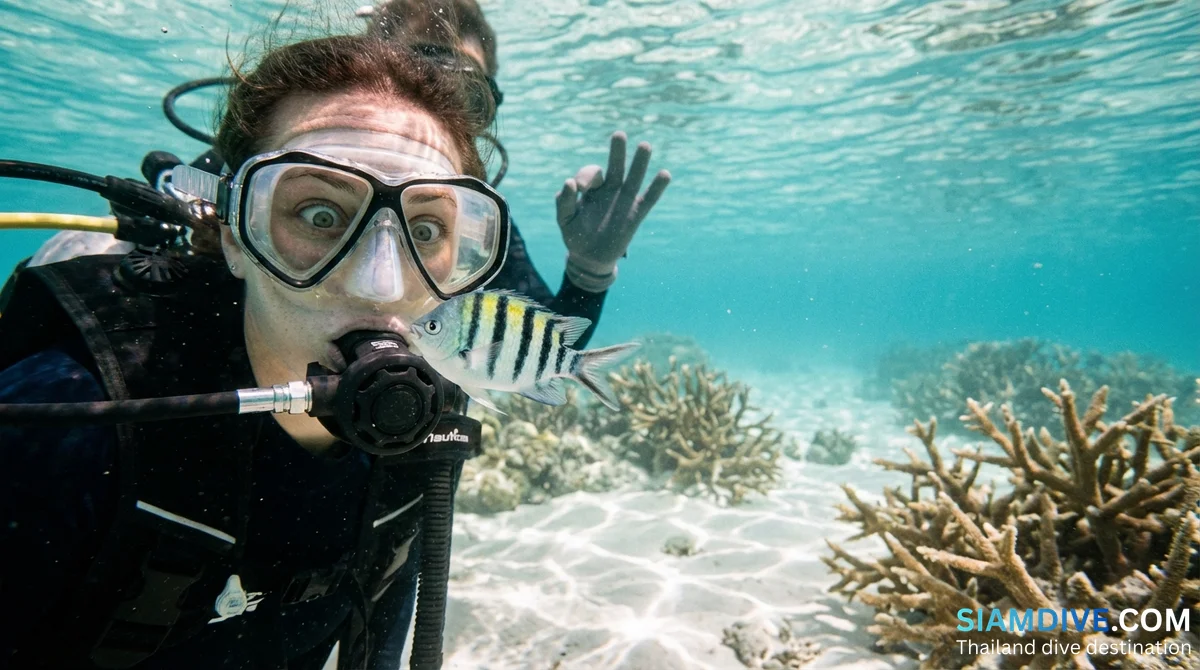
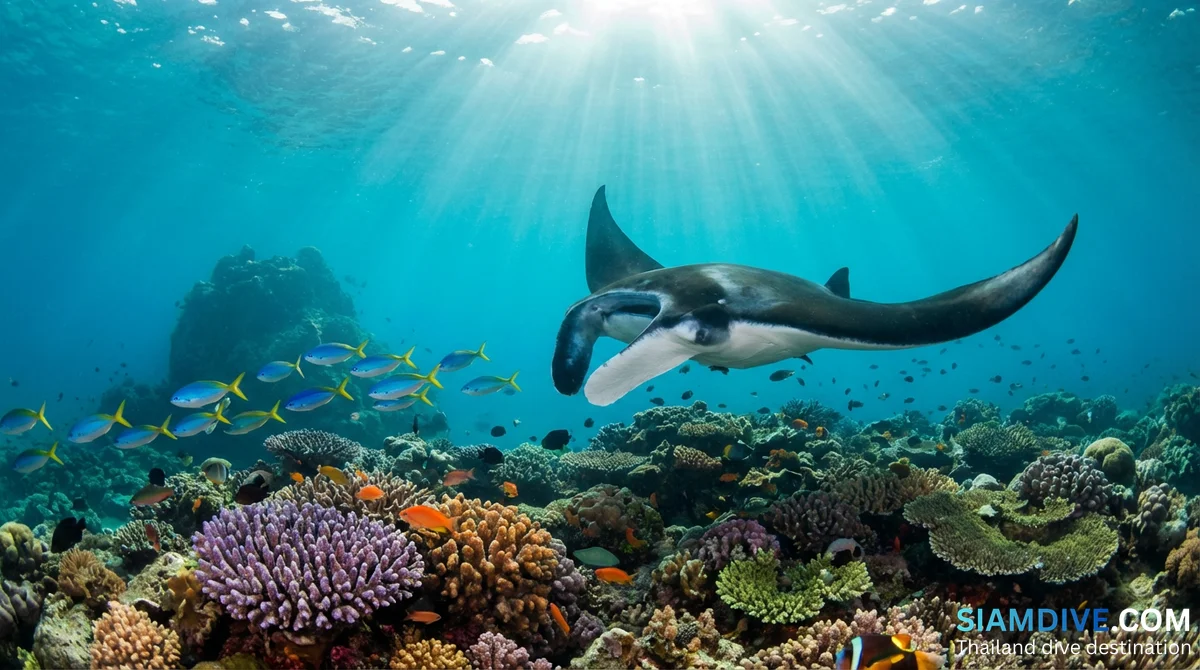
Koh Rok's protected status means the reef fish populations are dense. Schools of fusiliers and snappers cloud the water column on most dives. Parrotfish crunch coral in the shallows, and pairs of butterflyfish work the reef edge.
For bigger encounters, blacktip reef sharks are common around the pinnacles — not just fleeting glimpses, but proper passes within a few meters. Leopard sharks rest on the sand at Shark Point almost daily. Green and hawksbill turtles show up across most sites, often feeding on sponges or sleeping under overhangs.
Macro shooters won't be bored either. Nudibranchs cover the spectrum — from the giant Spanish dancer to tiny Flabellina. Ghost pipefish hide in crinoids, and ornate pipefish cling to sea fans. Honeycomb and giant morays peek from holes across the reef.
Seasonal visitors include eagle rays (common December through March) and occasional whale shark sightings during plankton blooms.
Best Time to Dive Koh Rok
The diving season runs November through April, matching the northeast monsoon dry period. The national park closes completely during the southwest monsoon from May to October — rough seas and poor visibility make diving impossible anyway.
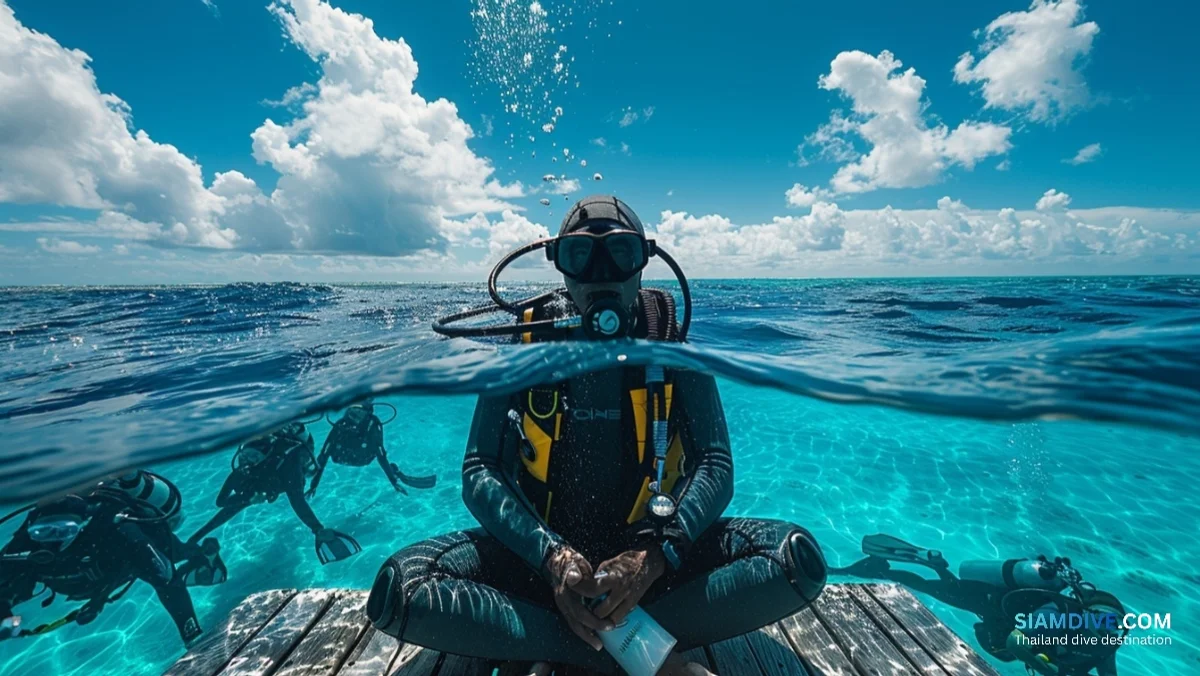
Peak conditions hit December through February. Visibility pushes 30-40 meters, seas stay flat, and water temperatures hover around 29°C. March and April still deliver good diving but afternoon winds can chop up the surface, and visibility drops to 20-25 meters.
November is the sweet spot for value. The park has just reopened, crowds are thin, and conditions are already excellent. Water temperature stays at 28-30°C throughout the season — a rash guard or thin 3mm wetsuit is plenty.
How to Get There
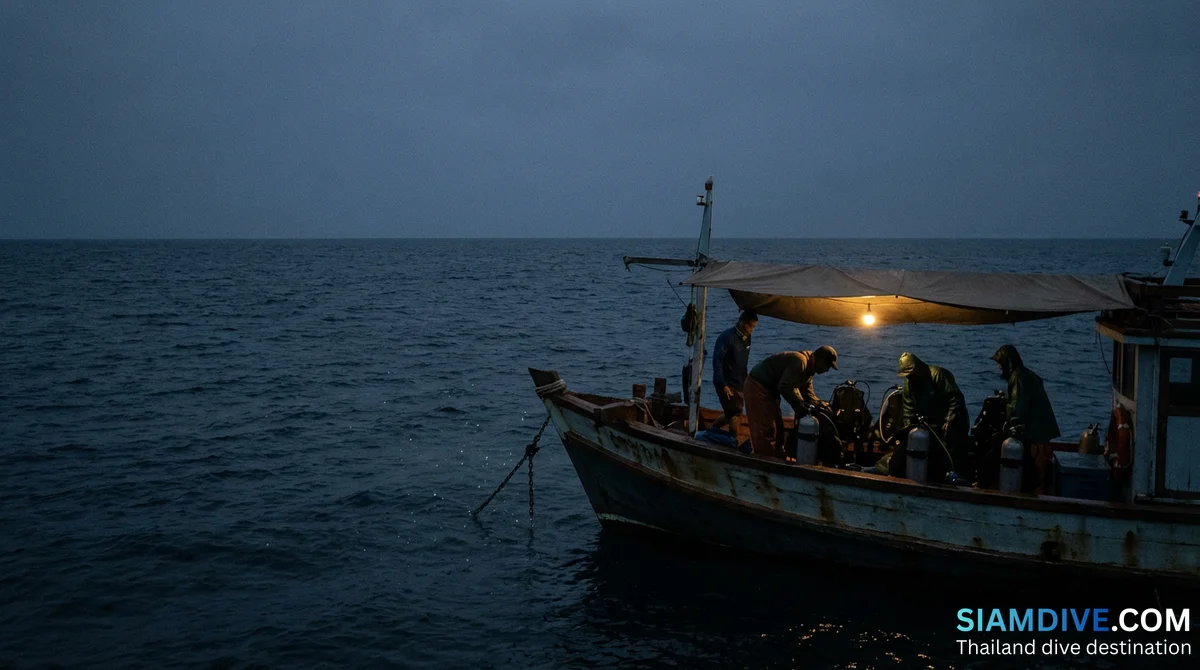
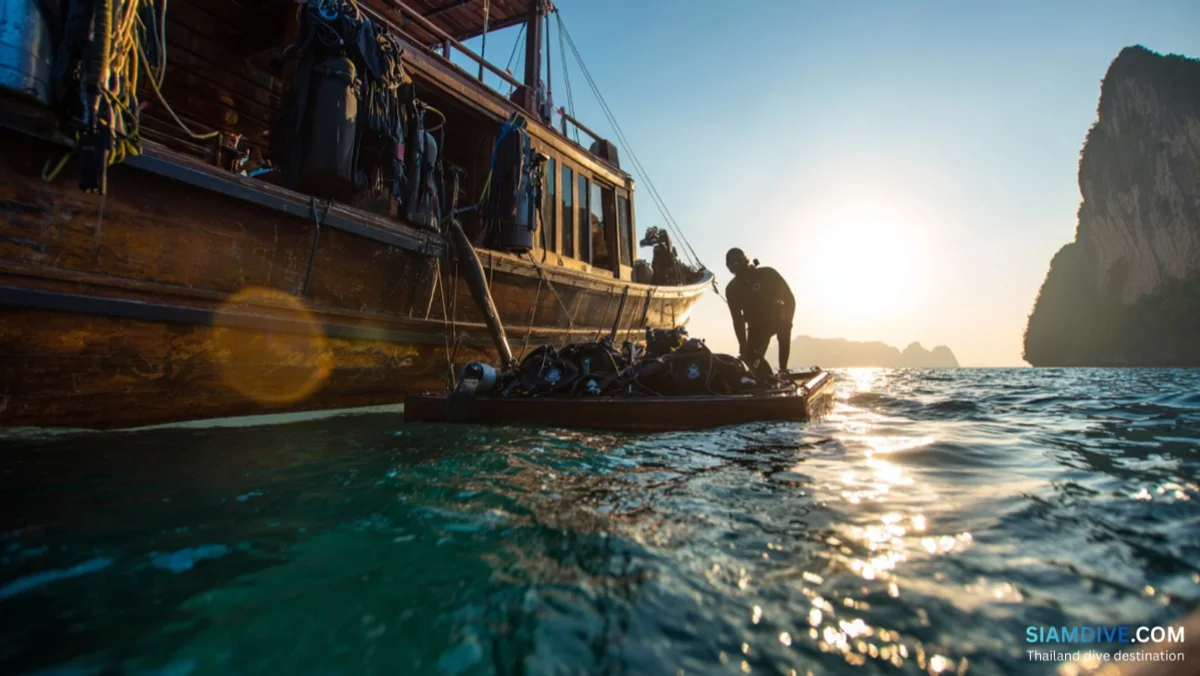
Koh Rok has no accommodation and no scheduled ferries. Every visit is a boat trip, either as a day trip or via liveaboard.
Day trips from Trang depart Pak Meng Pier by speedboat, reaching Koh Rok in about 90 minutes. Expect to pay 3,500-6,000 THB per person including two dives, gear, lunch, and park fees. Formula Speedboat and local operators run these regularly.
From Koh Lanta, speedboats take about an hour. Several dive shops on Lanta offer Koh Rok day trips during high season, typically bundled with two dives and lunch.
From Krabi or Phuket, you're looking at longer transfer times. Krabi's Ao Nang is 45-60 minutes by speedboat. Phuket adds another hour on top of that. Liveaboards departing from these ports often include Koh Rok as part of a multi-day southern Andaman itinerary.
The national park fee is 400 THB for foreigners, valid for three days. Pay on arrival.
Tips for Diving Koh Rok
- Current awareness — Some sites, especially Soneca Pinnacle, get strong currents on tidal changes. Carry an SMB and listen to the briefing about the current plan.
- Buoyancy matters — With pristine corals everywhere, even a fin kick in the wrong spot causes damage. If your buoyancy isn't solid, stick to the deeper sand channels until you're confident.
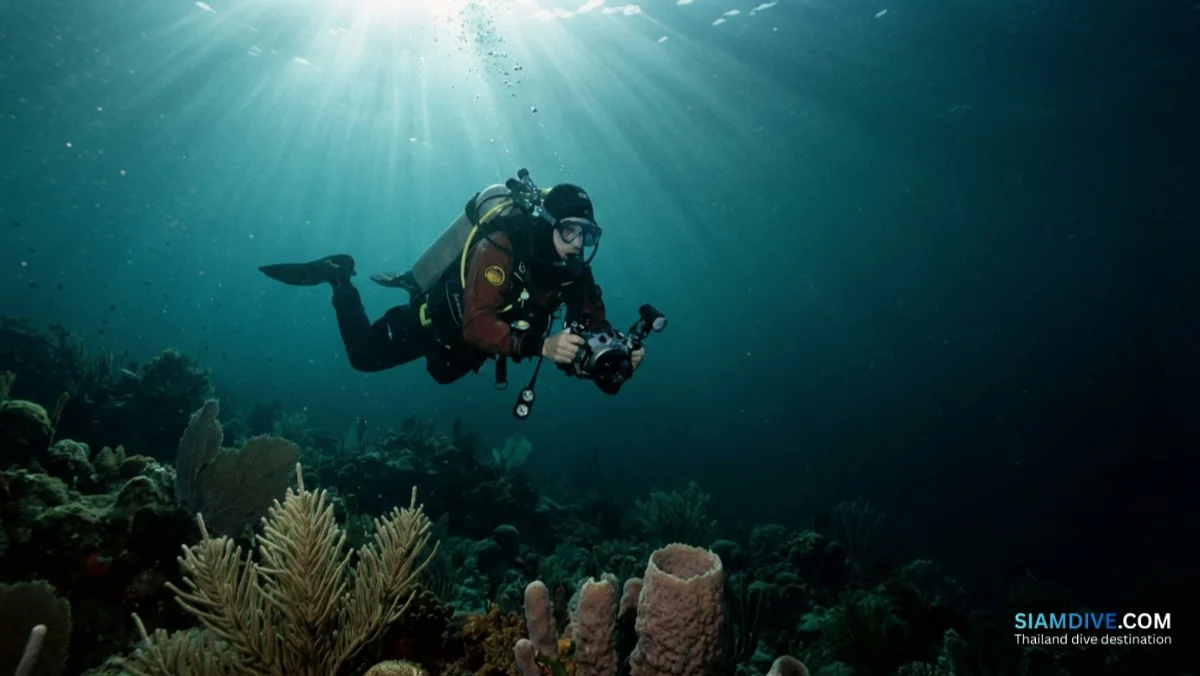
- Bring a camera — Visibility this good is rare in Thailand. A wide-angle setup shines here, especially at the pinnacles. Macro lenses work well at Coral Garden.
- Seasickness prep — The speedboat ride from Trang gets bumpy in afternoon winds. Take medication before boarding, not after you're green.
- Reef-safe sunscreen — The park enforces environmental rules. Chemical sunscreens damage the corals you came to see. Use mineral-based alternatives.
- Book ahead for peak season — December through February fills up fast, especially liveaboard berths. Reserve at least a month out.
Plan Your Koh Rok Dive Trip
Koh Rok proves that strict marine protection works. The reefs here look the way reefs should look — diverse, colorful, and teeming with life. Whether you bolt it onto a Hin Daeng liveaboard itinerary or grab a day trip from Lanta, the diving is worth the boat ride. Check available liveaboard routes and dive packages at siamdive.com to find the trip that fits your schedule.