Similan Liveaboard: What 4 Days and 14 Dives Actually Cost
15 เมษายน 2569
The real math on a Similan Islands liveaboard — 14 dives across 4 days, 32,000-60,000 THB, and when Richelieu Rock actually delivers mantas and whale sharks.
Four Days, Fourteen Dives — Why the Similan Liveaboard Format Works
A Similan Islands liveaboard isn't a holiday with some diving thrown in. It's a working schedule where you eat, sleep, and dive on the same boat for 72 hours straight, moving through a string of sites that would take a week to reach any other way. Four days is the sweet spot most divers land on: long enough to hit Richelieu Rock twice and give the mantas at Koh Bon a fair shot, short enough that you don't run out of clean t-shirts.
The math is simple. Across four days you'll complete somewhere around 14 dives, occasionally 15 if the crew is ambitious and the weather cooperates. Compare that to a day trip from Khao Lak, which gets you three dives and a two-hour speedboat ride twice, and the liveaboard starts making sense even before you count the cost per tank.
The Day-by-Day Schedule You'll Actually Follow
Here's what a standard 4-day/3-night itinerary looks like in practice, based on what most Khao Lak-based operators run between November and April.
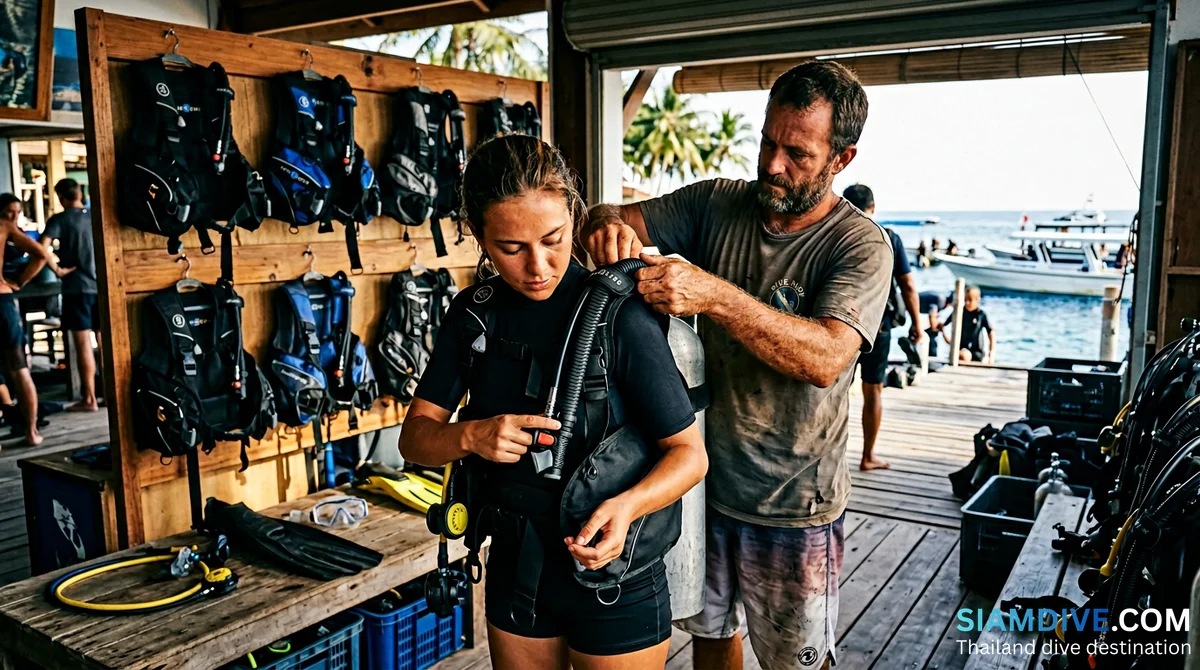
- Day 1: Speedboat transfer from Tab Lamu Pier in the morning, gear setup on arrival, then up to three dives — a checkout dive at a gentle Similan site, an afternoon dive, and your first night dive around 7pm. A beach visit gets squeezed in somewhere.
- Day 2: Four dives. Two morning dives at the northern Similans or Koh Bon, an afternoon dive, and either a sunset or night dive. This is the day your shoulders start noticing the gear.
- Day 3: The northern sweep. Koh Bon at dawn, Koh Tachai mid-morning, Richelieu Rock in the afternoon, and often a second Richelieu dive before sunset. If you're going to see mantas or whale sharks, today is when it happens.
- Day 4: Three early dives — usually a dawn dive at Koh Tachai, a mid-morning dive somewhere shallower to offload nitrogen, and a final easy dive or local wreck before the boat points south. You're back at Tab Lamu by early evening.
The Four Dive Sites That Make the Trip
A Similan liveaboard lives or dies on four locations. Every trip hits all four. What differs is how many times and in which order.
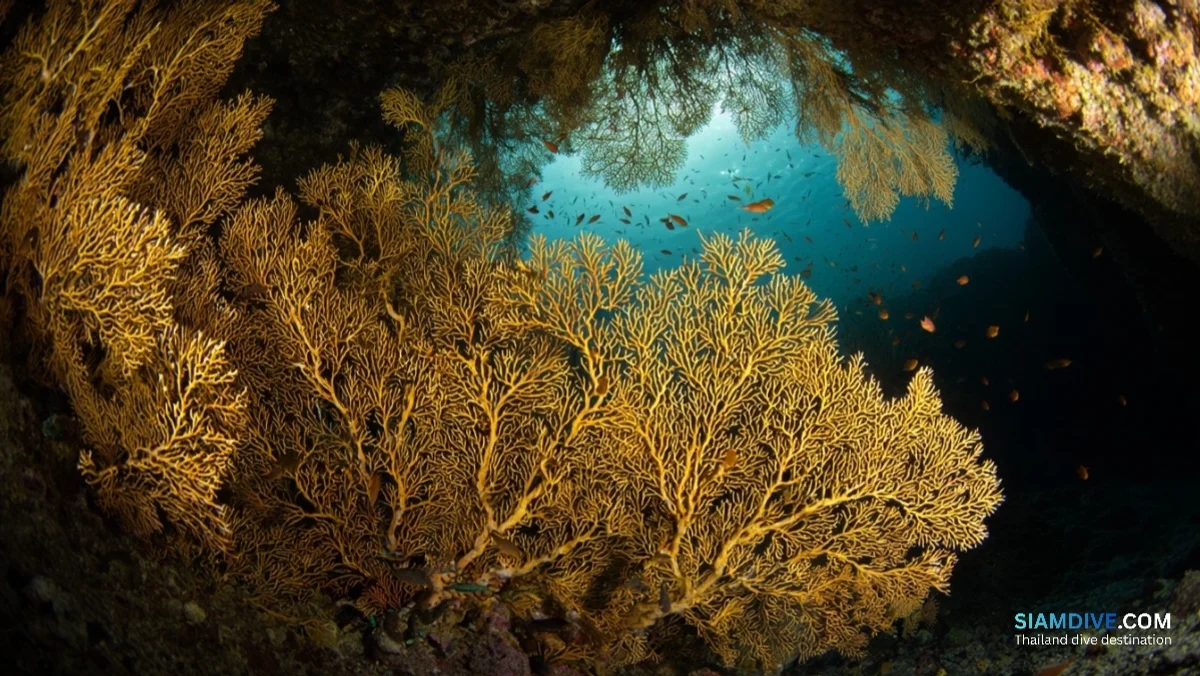
- The Similan Islands proper: Nine granite islands with a mix of boulder swim-throughs on the east side and soft-coral slopes on the west. Gentle, photogenic, good for checkout dives. Depths 5-30m.
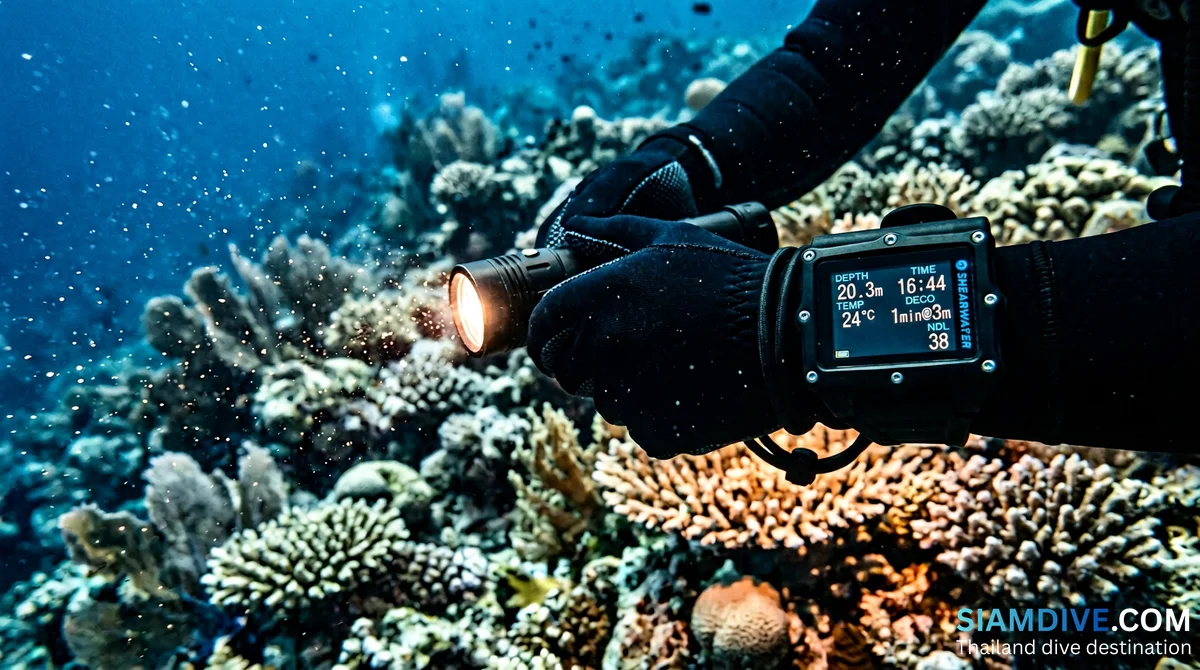
- Koh Bon: A limestone ridge 25km north of the Similans. The west ridge drops from 5m to 40m and is the most reliable manta cleaning station in Thailand outside Myanmar. Currents can rip — brief your buddy on drift protocol before you get in.
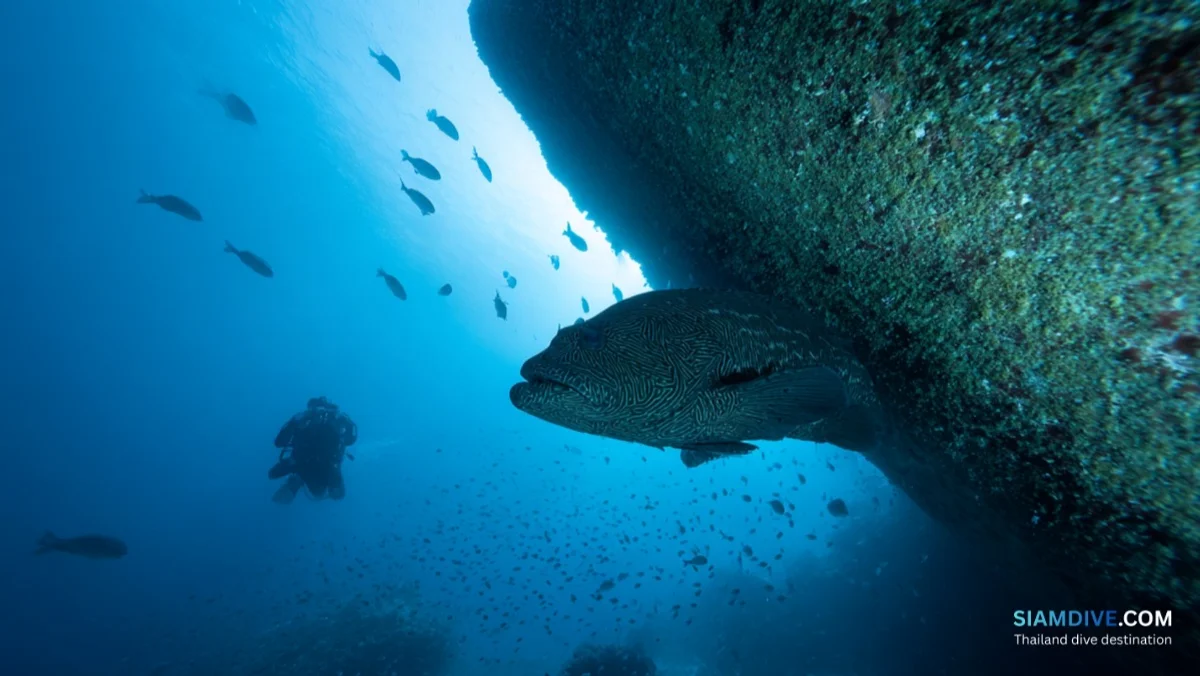
- Koh Tachai: A single pinnacle south of Surin. Current-exposed, marine life in the blue, schools of snapper and barracuda. Boats usually hit this twice across the trip because conditions shift by the hour.
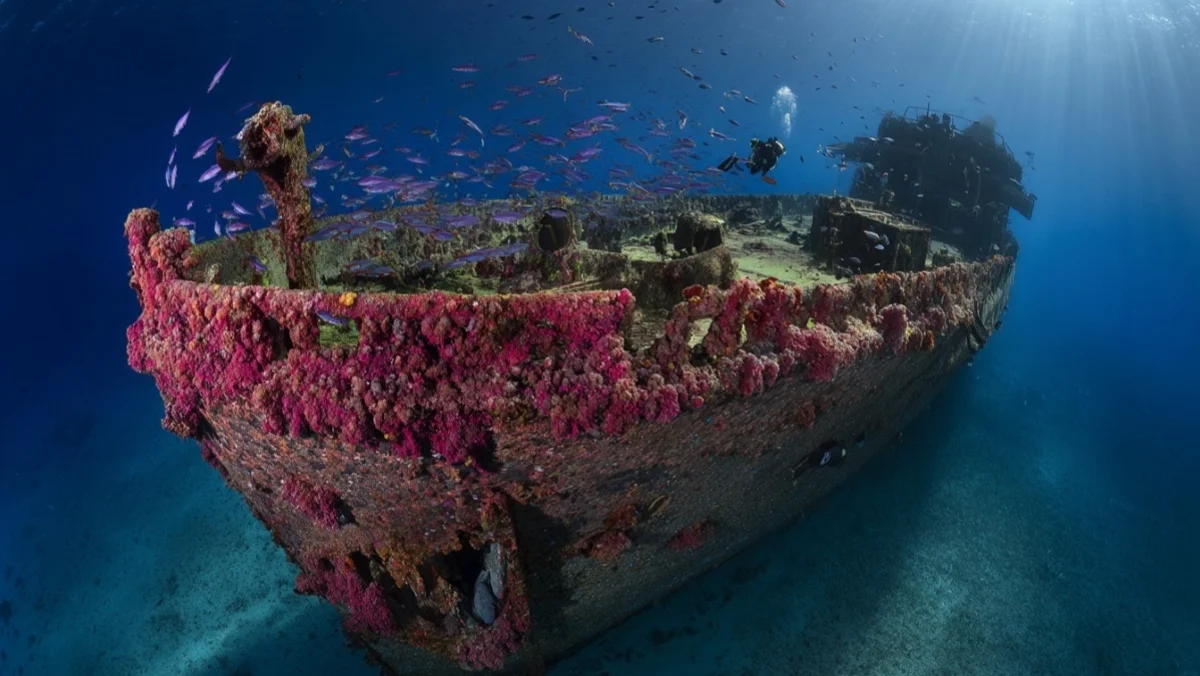
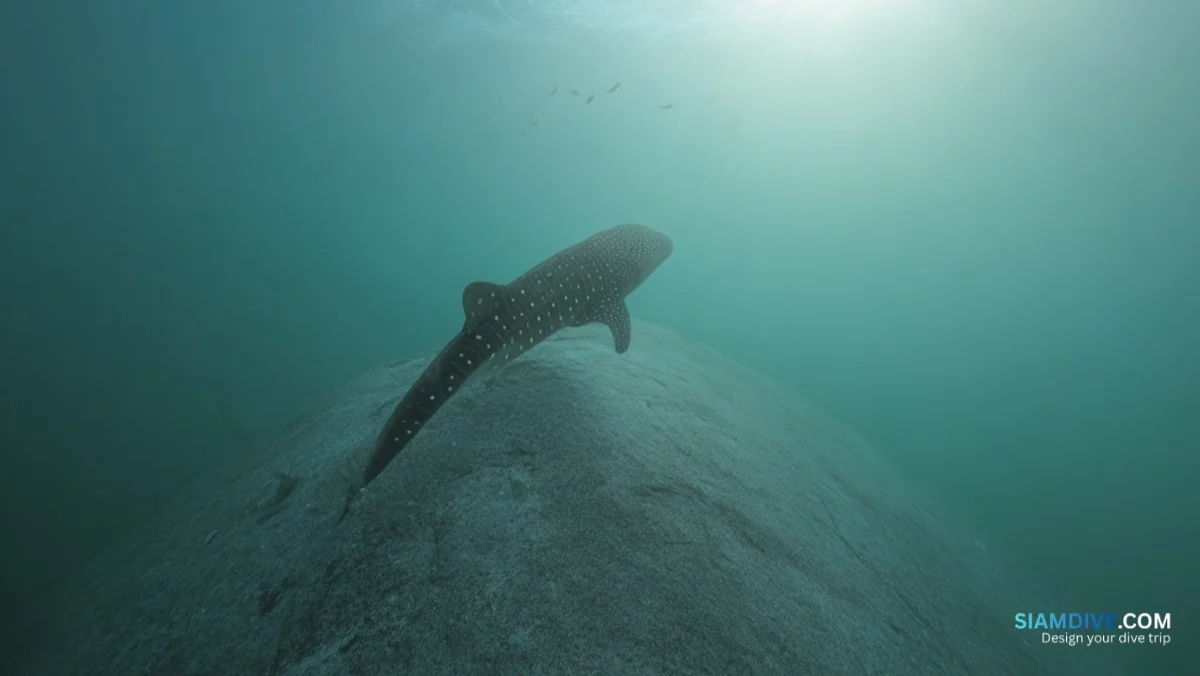
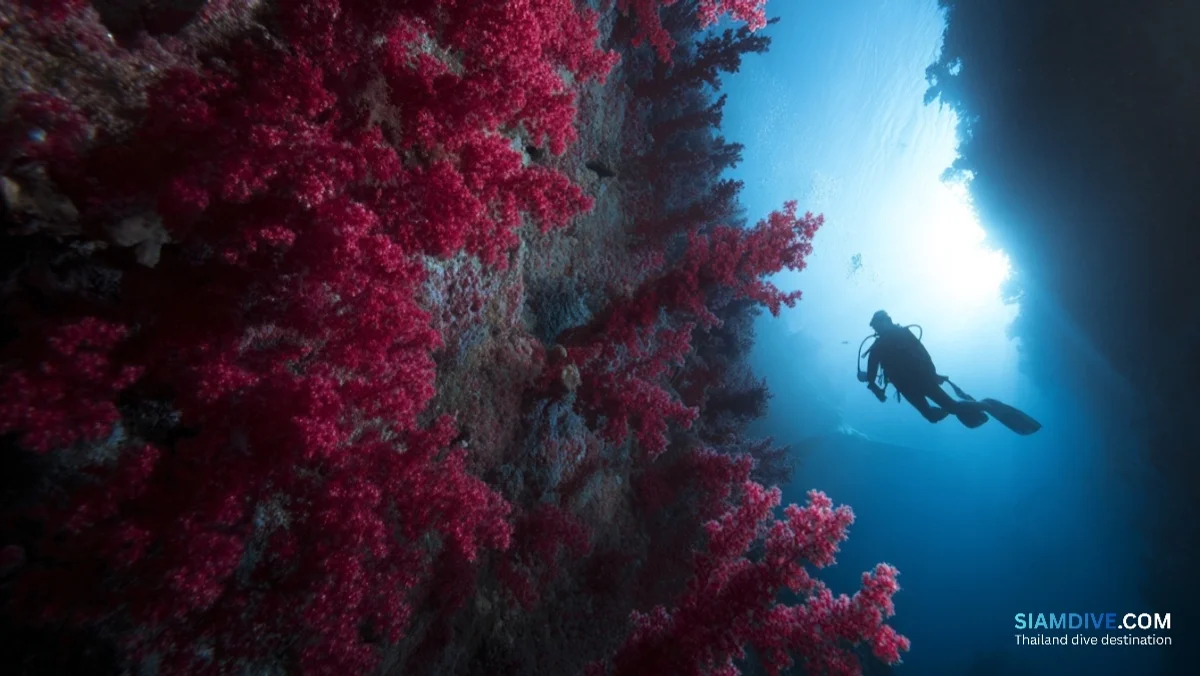
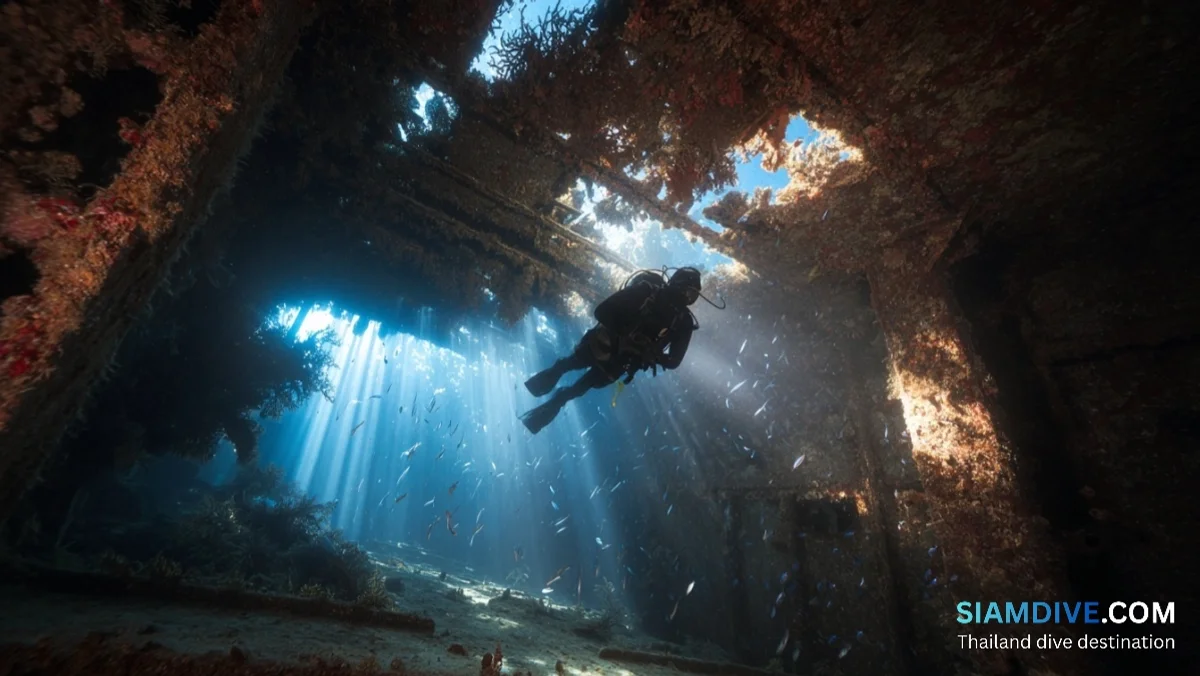
- Richelieu Rock: The single most famous dive site in Thailand. A horseshoe-shaped pinnacle that barely breaks the surface, covered in purple and pink soft corals. Whale sharks pass through from February to April. Most crews plan two dives here because one is never enough.
What You'll Actually See Underwater
The marketing photos show mantas and whale sharks on every frame. Reality is more honest: these are encounters, not guarantees. In peak season (December through March) the odds at Richelieu Rock hit maybe 40% for mantas and 15% for whale sharks on any given dive. Stack three Richelieu dives and a pair at Koh Bon across a 4-day trip and your cumulative probability gets considerably better.
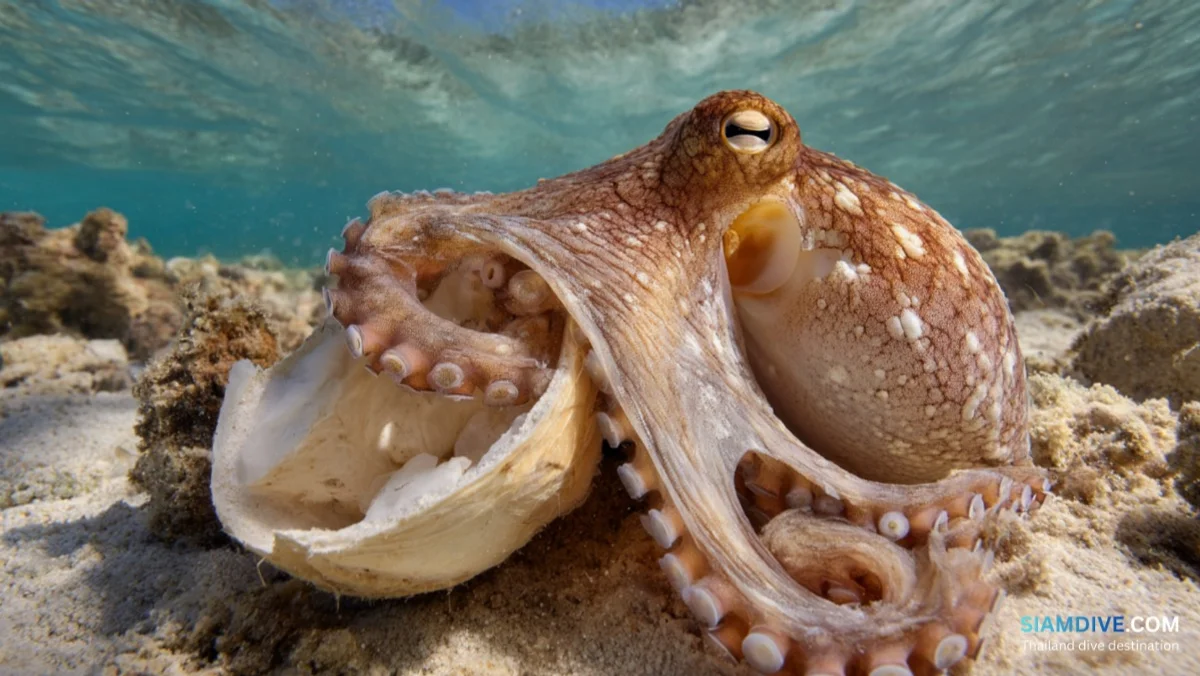
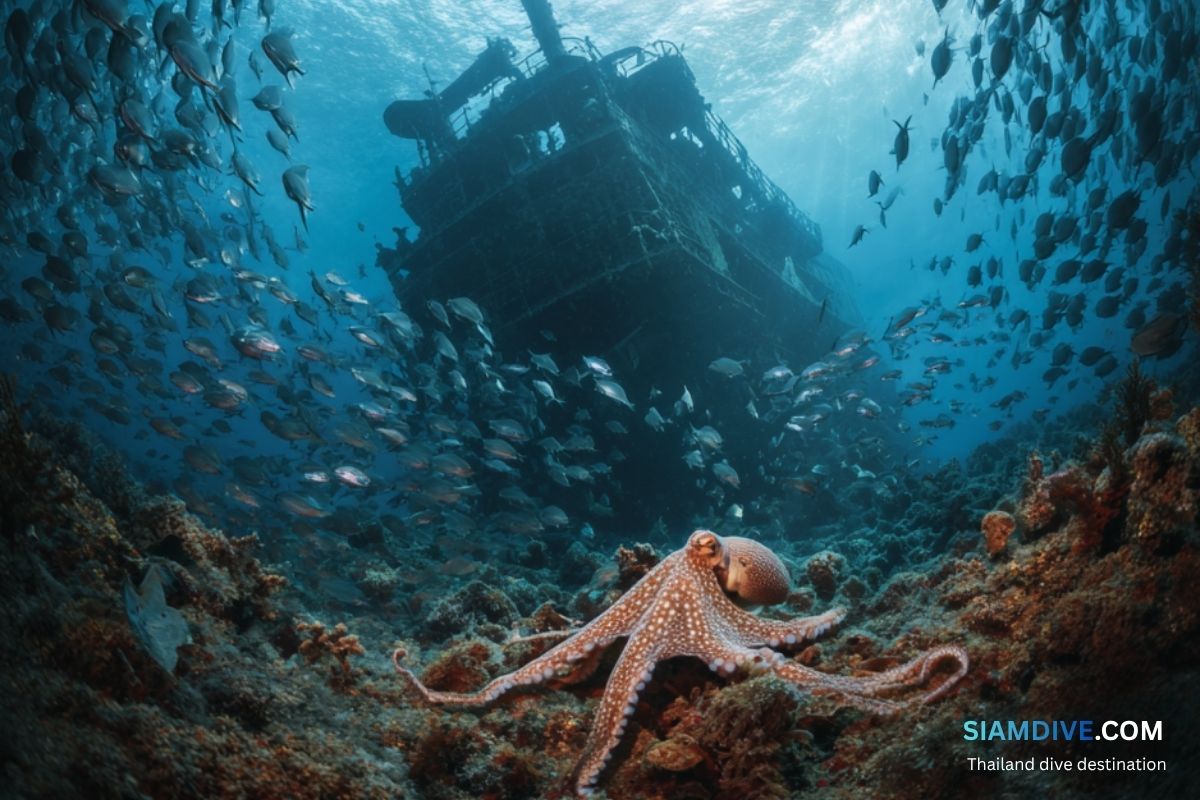
What you will see, reliably: harlequin shrimp on the Similan boulders, seahorses clinging to soft coral at Koh Bon, schools of chevron barracuda at Koh Tachai, and the full Andaman reef fish spread at Richelieu — yellowmask angelfish, squadrons of fusiliers, the occasional reef octopus in a crevice. The dive guides have been working these sites for years and know where the frogfish live.
The Real Cost Breakdown (2025-2026 Season)
Prices in Thai Baht per person, twin-share cabin. Roughly 36 THB to the USD for quick math.
- Budget boats (MV Andaman, similar): 25,000-35,000 THB for 4 days. Shared cabins, basic steel hull, dorm bunks. Expect honest food and hot water only on a schedule.
- Mid-range (MV Blue Dolphin, MV Sawasdee Fasai, MV Marco Polo): 38,000-50,000 THB for 4 days. Private ensuite cabins, proper aircon, full buffet meals. MV Marco Polo includes free nitrox for EANx-certified divers — worth it if you have the cert.
- Luxury (Thailand Aggressor and similar yachts): 55,000-80,000 THB for 4 days. Larger cabins, dive deck service, better wine list. Worth the jump if you're traveling with a non-diving partner who'll spend more time on the sundeck.
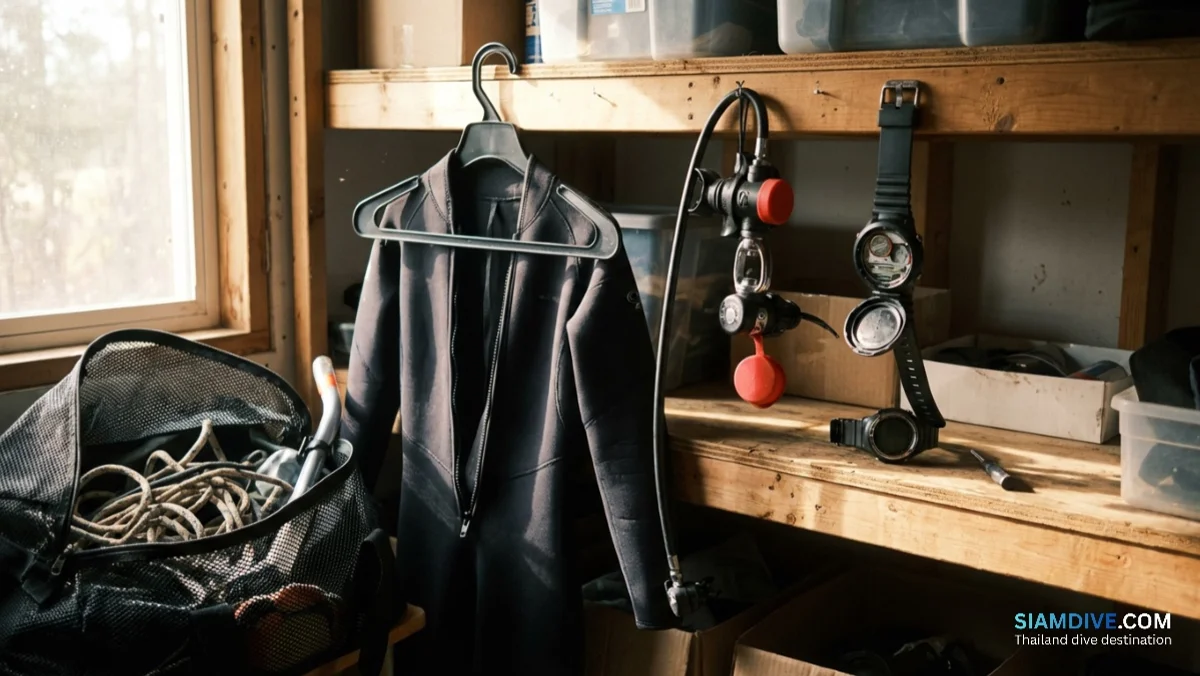
Add 1,700 THB for the Mu Ko Similan National Park fee — everyone pays this, it's not optional. Nitrox is typically 5,000-7,000 THB extra if the boat doesn't include it. Rental gear runs 3,000-5,000 THB for a full set.
When to Go: Season, Visibility, Crowds
The park is open November through April/May, then closes for monsoon. Inside that window:
- November: Shoulder season. Operators discount, the water's clean, visibility hits 20-25m. You get quiet boats and occasional rain squalls.
- December to early February: Peak water conditions. Visibility 25-35m, flat seas, every site clean. Also peak prices and full boats — book four months ahead.
- Mid-February to mid-April: Whale shark window at Richelieu Rock. Water warms to 30°C. This is when you pay the most and see the most.
- Late April to early May: End of season. Thermoclines arrive, current patterns get weird, some sites get plankton-heavy (good for whale sharks, bad for visibility). Last-chance pricing.
Picking the Right Boat
A few things that matter more than the brochure photos:
- Guide ratio: Ask for divemaster-to-diver ratio. 1:4 is good, 1:6 is acceptable, 1:8 means you'll be dive-guided at the pace of the slowest buddy pair. Marco Polo caps at 12 guests for this reason.
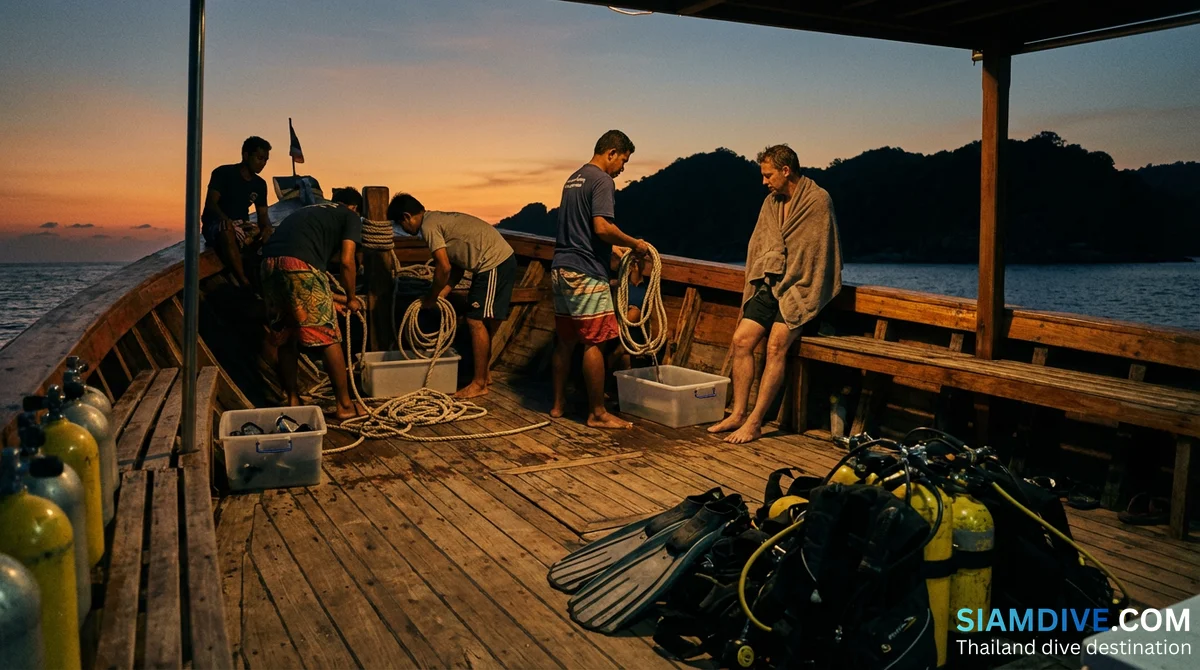
- Dive deck layout: If the boat can't seat 12 people with full gear at once, you'll be rushing or waiting. Ask for a deck photo, not a suite photo.
- Nitrox policy: Free nitrox (if you're certified) buys you longer dive times at Koh Bon and Richelieu, where 25m is the sweet-spot depth. Worth the model upgrade.
- Camera space: If you dive with a housing, confirm there's a dedicated rinse tank and charging station. Not all boats bother.
Certification-wise, Advanced Open Water is the practical minimum. A few operators take Open Water divers but limit them to the shallower Similan sites — you'll miss Koh Bon's deeper ridges and the Richelieu pinnacle tops if you're capped at 18m.
Final Thoughts — Is 4 Days Enough?
For a first Similan liveaboard: yes. Four days gives you enough time at the northern sites to make the journey worth it, and enough buffer that a bad weather day doesn't kill the trip. If you're a returning diver chasing mantas specifically, a 6-day trip doubles your Richelieu time and adds the Surin Islands, and that's where the value sits. For anyone else, 4 days is the trip.
Planning a Similan liveaboard or just trying to work out which boat fits your budget? Browse liveaboard trips on siamdive.com or reach out and we'll match you with an operator that fits.