Ear Equalization for Divers: Techniques That Actually Work
13 เมษายน 2569
Master Valsalva, Frenzel, and Toynbee methods to equalize your ears safely. Stop ear pain on every dive with these proven techniques.
Why Your Ears Hurt When You Dive
Every meter you descend, water pressure squeezes the air space in your middle ear. At just 10 meters deep, that pressure doubles compared to the surface — roughly 14.7 psi of additional force pressing against your eardrum. Without equalizing, the eardrum bows inward, and what starts as mild discomfort quickly becomes sharp pain. Push through it, and you risk a ruptured eardrum, vertigo, or permanent hearing damage.
The fix is simple in theory: push air through your Eustachian tubes into the middle ear to match the outside pressure. But most new divers either equalize too late, too hard, or with the wrong technique. This guide breaks down the three main methods, when to use each one, and the mistakes that send divers home early.
How Ear Equalization Works — The Basic Science
Your middle ear is a sealed air pocket behind the eardrum. It connects to your throat through the Eustachian tubes — two narrow passages lined with soft tissue that stay closed most of the time. When you swallow or yawn on land, the tubes briefly open to equalize pressure changes from altitude or weather. Underwater, the pressure changes happen much faster and the tubes need deliberate help to open.
The Eustachian tubes are controlled by two small muscles: the tensor veli palatini and the levator veli palatini. Different equalization techniques target these muscles in different ways. Understanding which muscle each method activates helps you pick the right technique for your anatomy and dive conditions.
One critical detail: the tubes open more easily when your head is upright. That is why feet-first descents make equalization dramatically easier than going down headfirst. Gravity helps mucus drain away from the tube openings instead of pooling around them.
The Valsalva Maneuver — Most Common, Most Misused
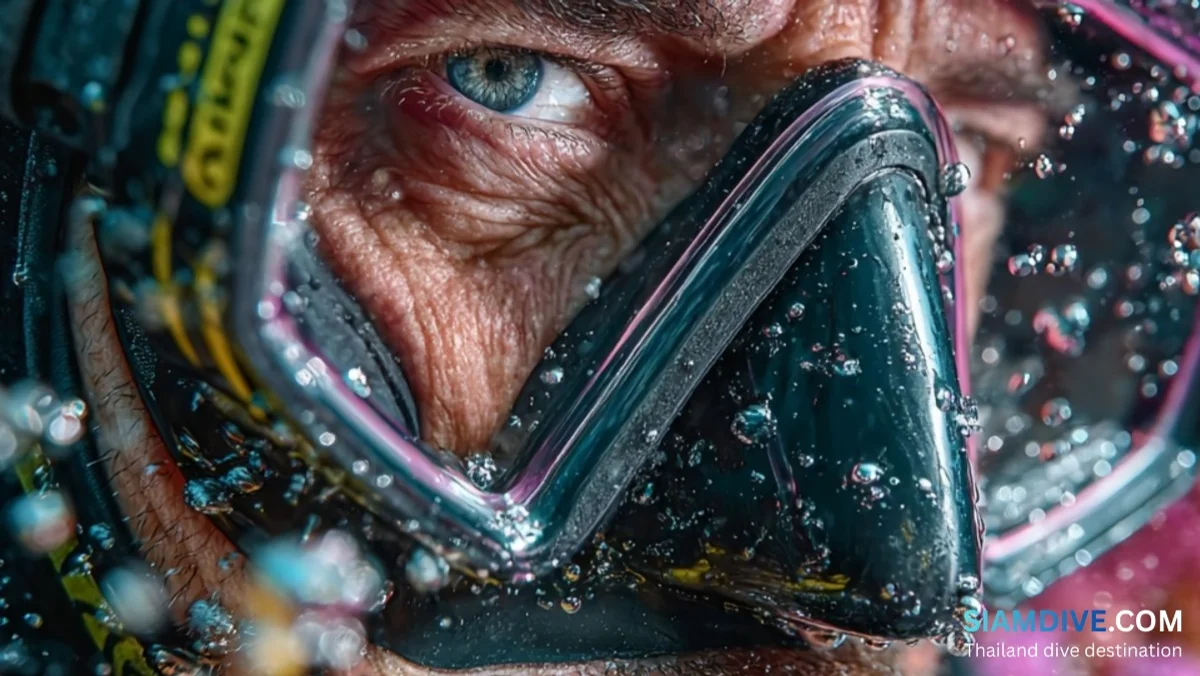
Pinch your nostrils through your mask, close your mouth, and gently blow against the blocked nose. You should feel a soft pop or click in both ears as air pushes through the Eustachian tubes. That is the Valsalva maneuver, and roughly 90% of recreational divers use it as their primary technique.
The problem is the word "gently." Most beginners blow too hard. Excessive pressure can lock the Eustachian tubes shut instead of opening them — the surrounding soft tissue swells and blocks the passage. Worse, forcing a Valsalva can damage the round window of the inner ear, causing vertigo or hearing loss that takes weeks to heal.
Think of it like fogging a mirror from six inches away. That amount of breath pressure is enough. If your ears do not equalize on the first gentle attempt, stop descending, ascend a meter, and try again. Never push harder.
Valsalva works best in the first 10 meters where pressure changes are largest relative to depth. Below that, many divers find it less reliable and switch to Frenzel.
The Frenzel Technique — What Pros Use
Pinch your nostrils, close the back of your throat (like you are about to lift something heavy), and push your tongue upward and backward against the roof of your mouth. Make a "K" or "guh" sound — that throat closure combined with tongue pressure pumps a small pocket of air into the Eustachian tubes.
Frenzel uses zero air from your lungs. The compression comes entirely from your tongue and throat muscles, which means you can equalize at any lung volume. Freedivers rely on Frenzel exclusively because they cannot afford to exhale on descent. For scuba divers, it is gentler on the ears and works faster than Valsalva once you have the muscle memory.
The catch: Frenzel takes practice. Most people cannot isolate the right throat and tongue movements on their first try. Start by practicing on land — pinch your nose, close your throat, and try to make a clicking sound with your tongue pressed against your soft palate. When you feel a tiny pop in your ears, you have found the motion. Repeat it 20 times a day for a week before your next dive.
The Toynbee Maneuver — Gentle and Reliable
Pinch your nostrils and swallow. That is it. The swallowing action pulls open the Eustachian tubes while the pinched nose creates a slight negative pressure that draws air in. Some divers take a small sip of water inside their mask or from a regulator to make swallowing easier.
Toynbee is the gentlest of the three methods and carries almost no risk of inner ear damage. It works particularly well for divers who struggle with the controlled force of Valsalva or the coordination of Frenzel. The downside is that it may not move enough air for rapid descents or deeper dives where pressure differences are significant.
A variation called the Lowry technique combines Valsalva and Toynbee simultaneously — pinch your nose, gently blow, and swallow at the same time. Many experienced divers use Lowry without realizing it has a name. If one method alone is not cutting it, this hybrid approach often solves the problem.
Common Mistakes That Cause Ear Problems
Waiting until you feel pressure is the number one mistake. By the time your ears hurt, the Eustachian tubes are already compressed and harder to open. Equalize before you feel anything — start at the surface and repeat every meter during the first 10 meters of descent. After 10 meters, every 2-3 meters is usually sufficient.
Diving with a cold or congestion is asking for trouble. Swollen mucous membranes block the Eustachian tubes no matter which technique you use. Decongestants can help but carry their own risks underwater — if the medication wears off at depth, you can get a "reverse squeeze" on ascent that is extremely painful. The safest call is to skip the dive.
Descending headfirst forces mucus toward the Eustachian tube openings and works against gravity. Always descend feet-first, especially in the first 10 meters. Use a descent line if available to control your rate.
Forcing equalization when one ear will not clear leads to asymmetric pressure, which can cause vertigo underwater — a genuinely dangerous situation. If one ear is stubborn, ascend until the pressure releases, tilt your head so the problem ear faces the surface, and try again slowly.
When to See a Doctor
Mild ear discomfort after a dive usually resolves within a few hours. But certain symptoms demand medical attention. Persistent pain lasting more than 24 hours, hearing loss (even partial), ringing in the ears, dizziness, or fluid draining from the ear canal are all signs of barotrauma that need an ENT specialist.
Divers with a history of ear infections, surgeries, or perforated eardrums should get medical clearance before diving. Some anatomical variations make the Eustachian tubes naturally narrower, which means equalization is always harder. An ENT can assess whether your tubes function well enough for diving and recommend specific techniques for your anatomy.
If you experience sudden vertigo during a dive — the world spinning, nausea, complete disorientation — this may indicate inner ear barotrauma or a round window rupture. Abort the dive immediately. Ascend slowly, maintain contact with your buddy, and seek medical evaluation the same day.
Practical Tips for Easier Equalization
Warm up your Eustachian tubes 30 minutes before the dive. Chew gum, yawn repeatedly, or do gentle Valsalva attempts on the boat. This loosens the muscles and reduces the chance of a blocked tube on your first descent.
Stay hydrated. Dehydration thickens mucus and makes the Eustachian tubes stickier. Drink water throughout the day, not just before the dive. Avoid alcohol the night before — it dehydrates you and inflames mucous membranes.
If you are prone to equalization problems, try jaw thrust exercises. Push your lower jaw forward and hold for 3-5 seconds, then relax. Repeat 10 times. This stretches the muscles around the Eustachian tubes and can make a noticeable difference.
Consider your descent speed. A controlled, slow descent gives you time to equalize before pressure builds. Rushing down a line because the group is ahead of you is a recipe for ear problems. Communicate with your dive guide — any good operator will wait.
Start Practicing Today
Ear equalization is one of those skills that separates comfortable divers from miserable ones. The technique itself takes minutes to learn but weeks of practice to make automatic. Start with Valsalva if you are new, graduate to Frenzel as your skills improve, and keep Toynbee in your back pocket for gentle descents.
Planning a dive trip? Browse liveaboard options and dive sites at siamdive.com where you can find trips matched to your experience level — including operators who run slow, controlled descents perfect for practicing your equalization game.