Shark Point Phuket: Where Leopard Sharks Sleep Among Purple Coral
14 เมษายน 2569
Shark Point (Hin Musang) is Phuket's top marine sanctuary with leopard sharks, purple soft coral, and 30-meter visibility from November to April.
A Marine Sanctuary 27 Kilometers Off Phuket
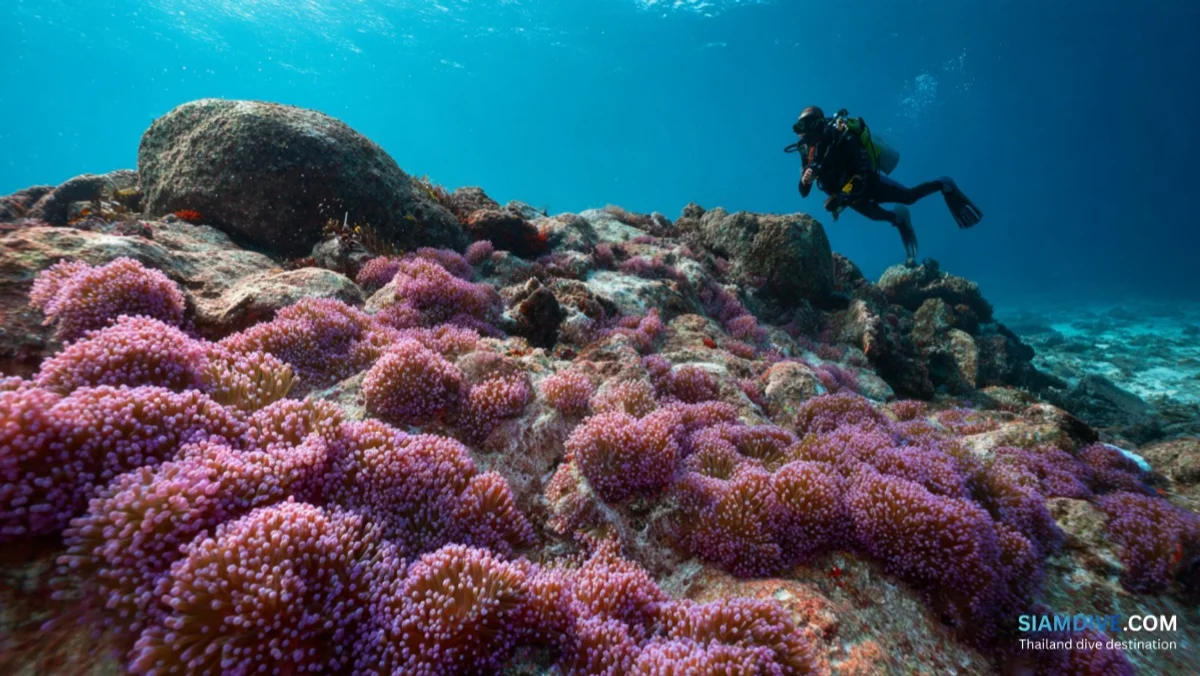
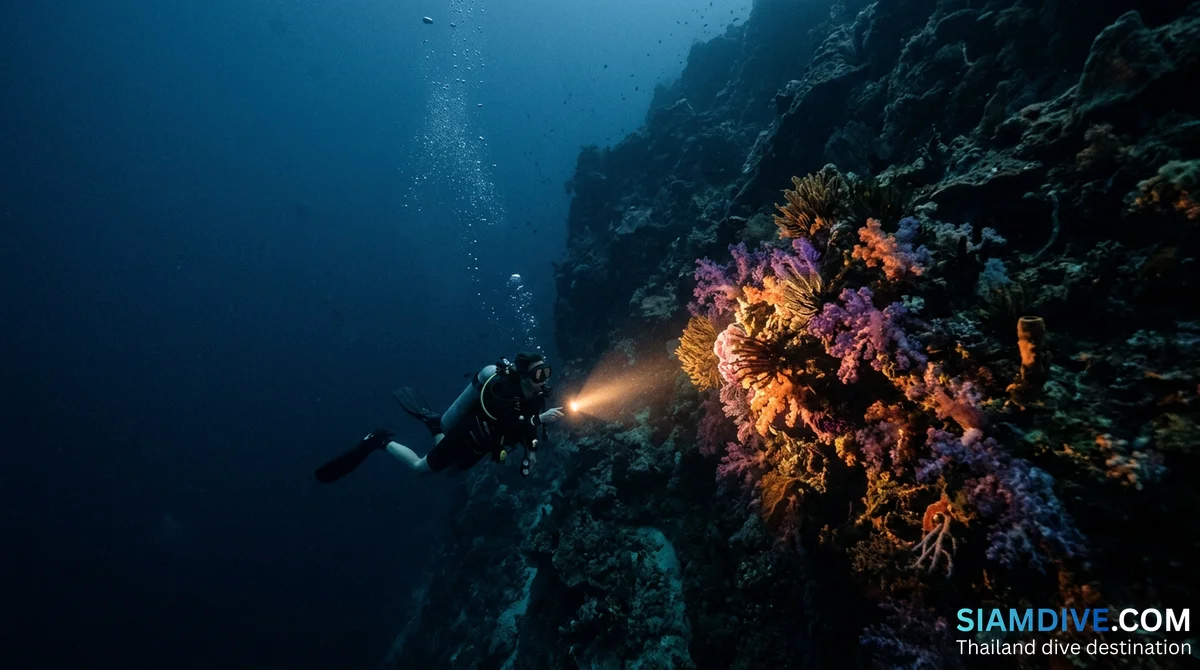
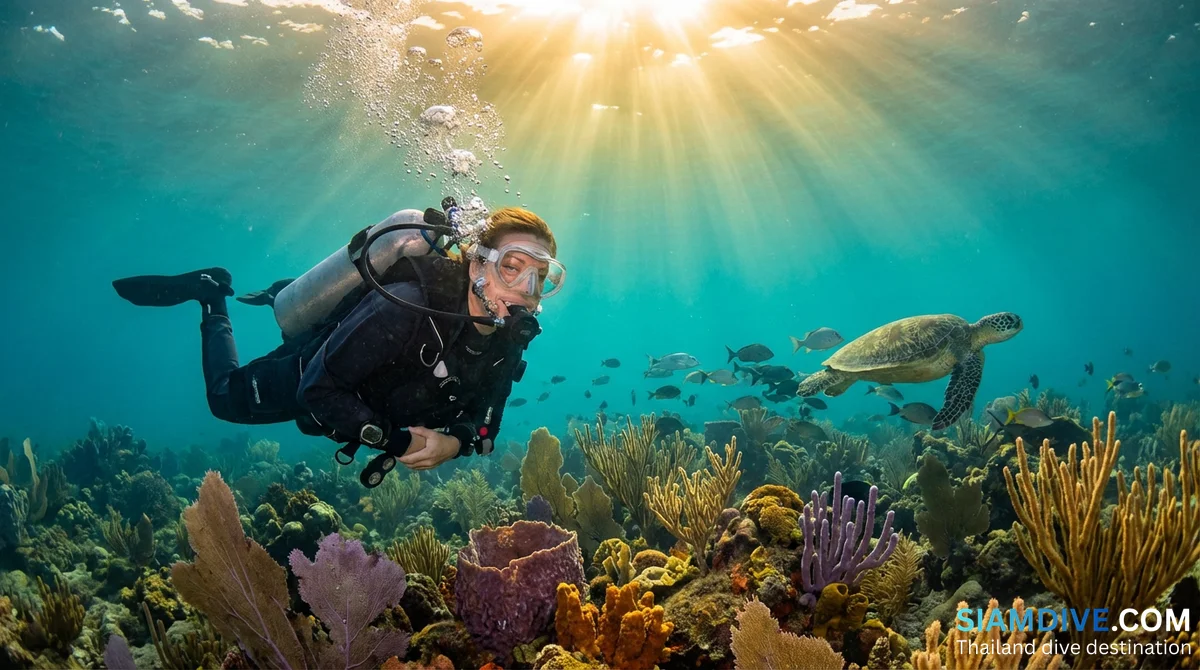
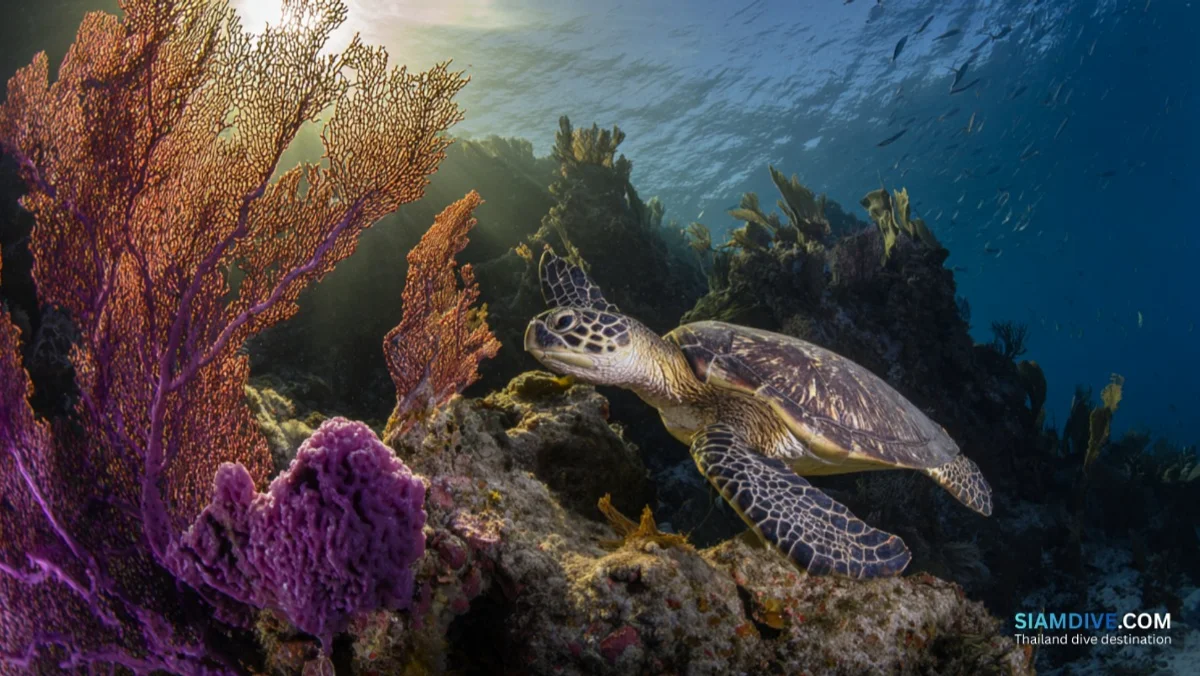
Shark Point — or Hin Musang, as Thai divemasters call it — sits about 27 kilometers east of Chalong Bay. Three limestone pinnacles rise from a sandy bottom at 20-odd meters, and every surface is blanketed in soft purple and pink coral fans. The Thai government declared it a marine sanctuary years ago, which means no fishing, no anchoring on the reef, and no collecting anything. That protection shows. The coral here is thick, healthy, and full of life in a way that most Andaman sites simply aren't anymore.
Why Divers Keep Coming Back for the Leopard Sharks
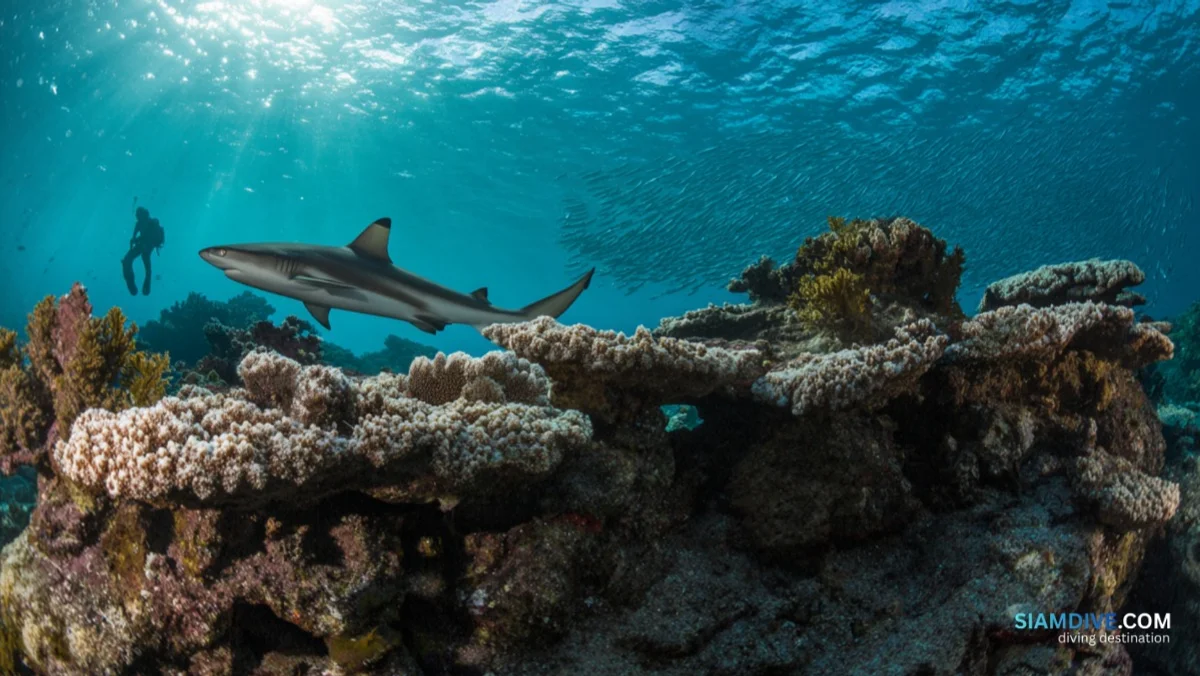
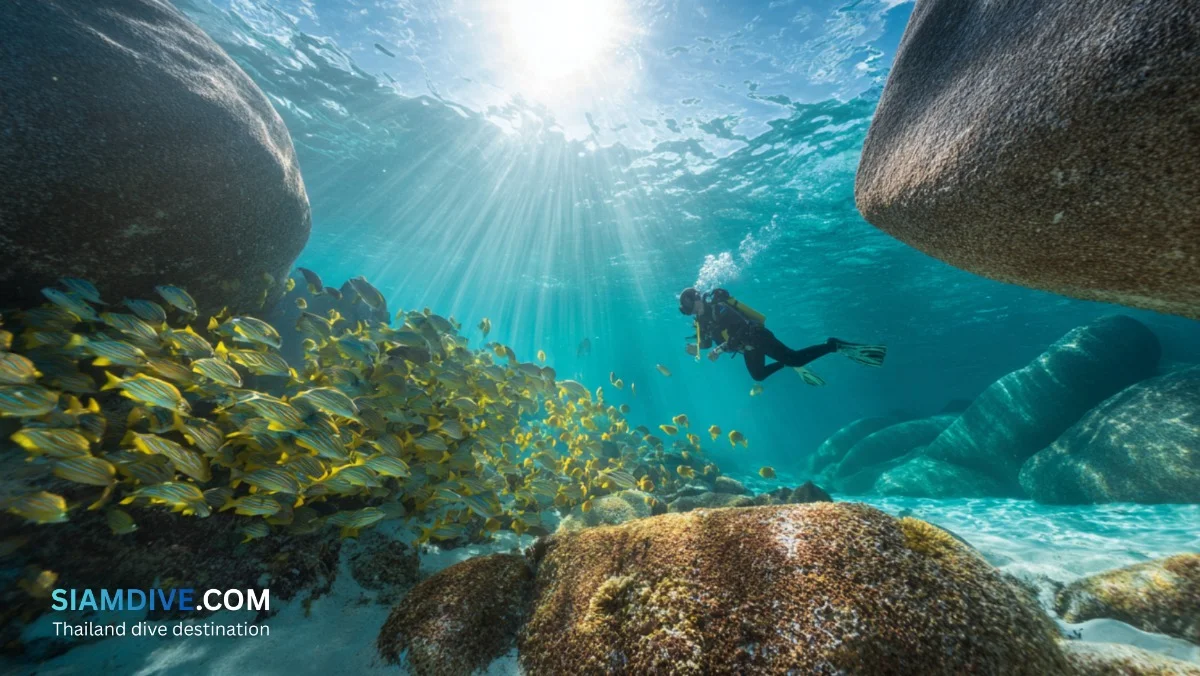
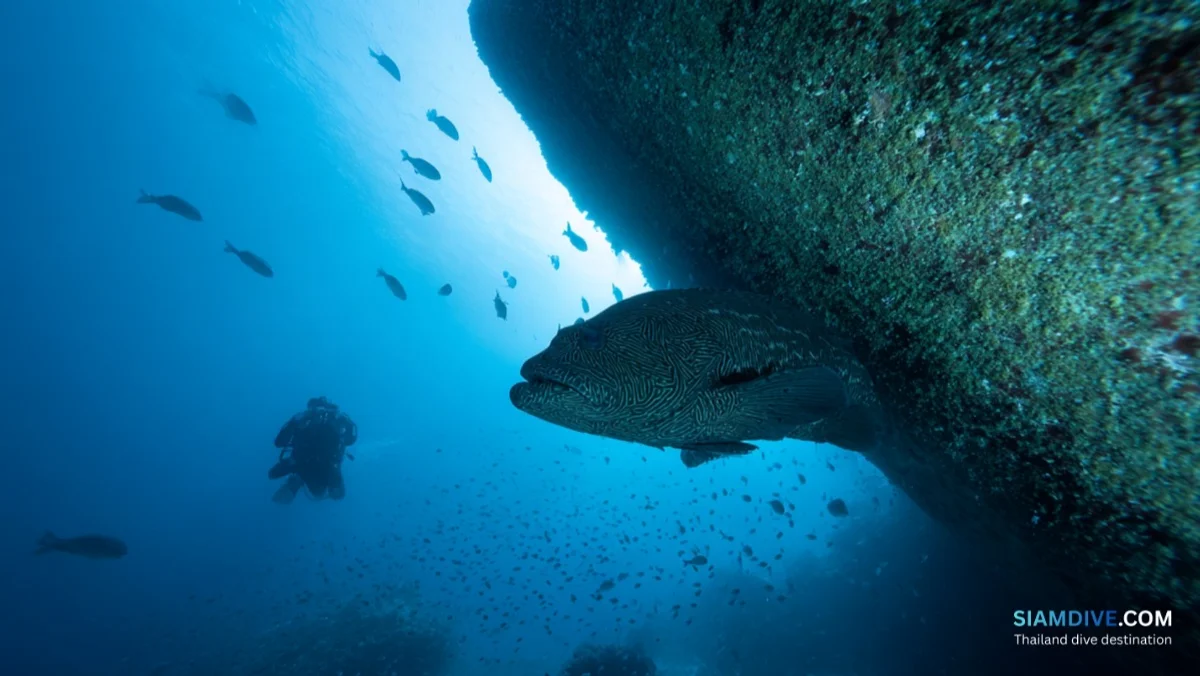
The main draw is obvious from the name. Leopard sharks — also called zebra sharks depending on who you ask — rest on the sandy patches between the pinnacles, sometimes two or three lined up side by side. They're completely harmless, usually asleep or barely moving, and you can watch them from a meter or two away without any reaction. Seeing a spotted, two-meter shark just lying on the sand while purple fans sway overhead is one of those moments that sticks with you. Beyond the sharks, the sheer density of marine life here is remarkable: clouds of snapper, barracuda circling above, moray eels tucked into crevices, nudibranchs on every rock if you look closely enough.
The Three Pinnacles — What Each One Offers
Shark Point is actually three separate pinnacles spread over about 500 meters. The first and tallest breaks the surface at low tide and has a small navigation marker on top — that's how the boat captain finds the site. This pinnacle has the densest soft coral coverage and the best macro life: seahorses, ghost pipefish, and ornate harlequin shrimp if your guide knows where to look. The second pinnacle is slightly deeper, topping out around 8 meters, and this is where most leopard sharks hang out on the sandy bottom at 18-22 meters. The third pinnacle is the deepest and least visited, which makes it the quietest — fewer divers, more fish, and occasionally a passing eagle ray.
Marine Life You'll Actually See
Forget the generic species lists. Here's what you'll realistically encounter on a single dive at Shark Point:
- Leopard sharks — 1-3 individuals on most dives, resting on sand between pinnacles at 18-22 meters
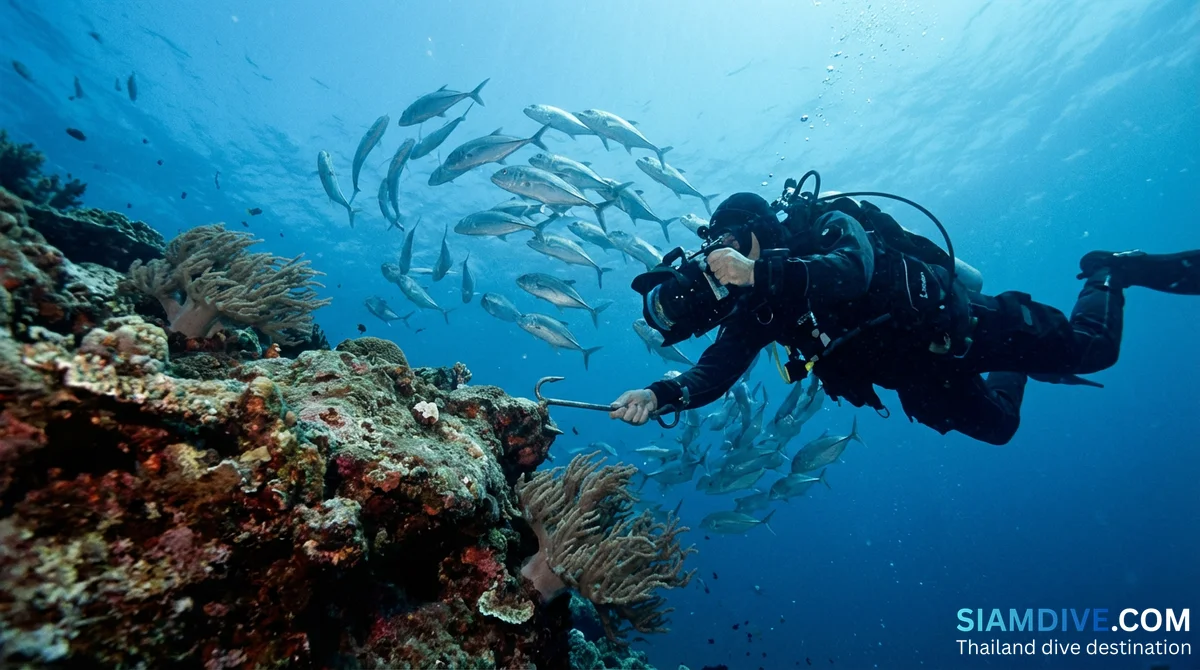
- Yellowtail barracuda — large schools spiraling above the pinnacles, sometimes hundreds strong
- Banded sea kraits — venomous but completely uninterested in divers, often hunting in the coral
- Moray eels — giant morays and white-eyed morays peeking from holes at every depth
- Lionfish — everywhere, especially at dusk dives when they come out to hunt
- Nudibranchs — at least 5-6 species per dive if you slow down and scan the coral
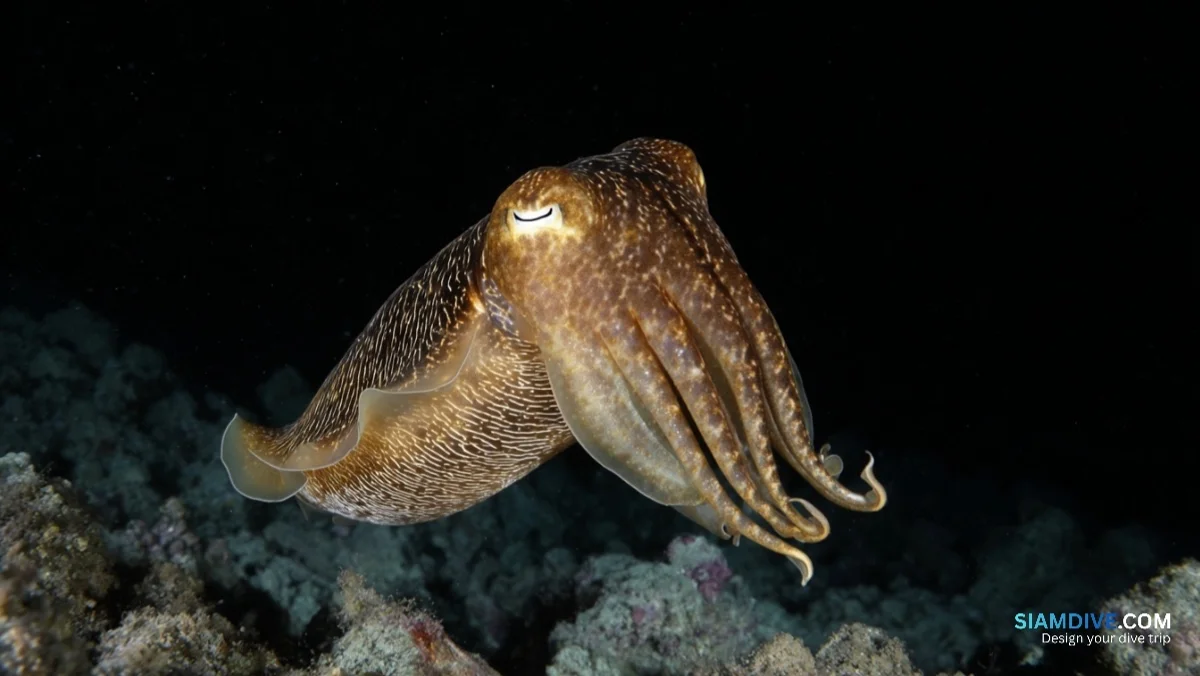
- Cuttlefish — often hovering near the soft coral, flashing color changes
- Scorpionfish — well-camouflaged on the rocks, your divemaster will point them out
Best Time to Dive Shark Point
The season runs from November to April, and that's not just a suggestion. During the southwest monsoon from May to October, swells build up, visibility drops to 5 meters or worse, and most operators won't even run trips to this site. November through February is the sweet spot: calm seas, visibility reaching 25-30 meters, and the water temperature sits at a comfortable 28-29°C. March and April are still good but the viz starts to drop as plankton blooms pick up — though that plankton is exactly what attracts manta rays to nearby sites. Water temperature stays warm year-round, so a 3mm shorty or even a rash guard is enough for most people.
Getting There from Phuket
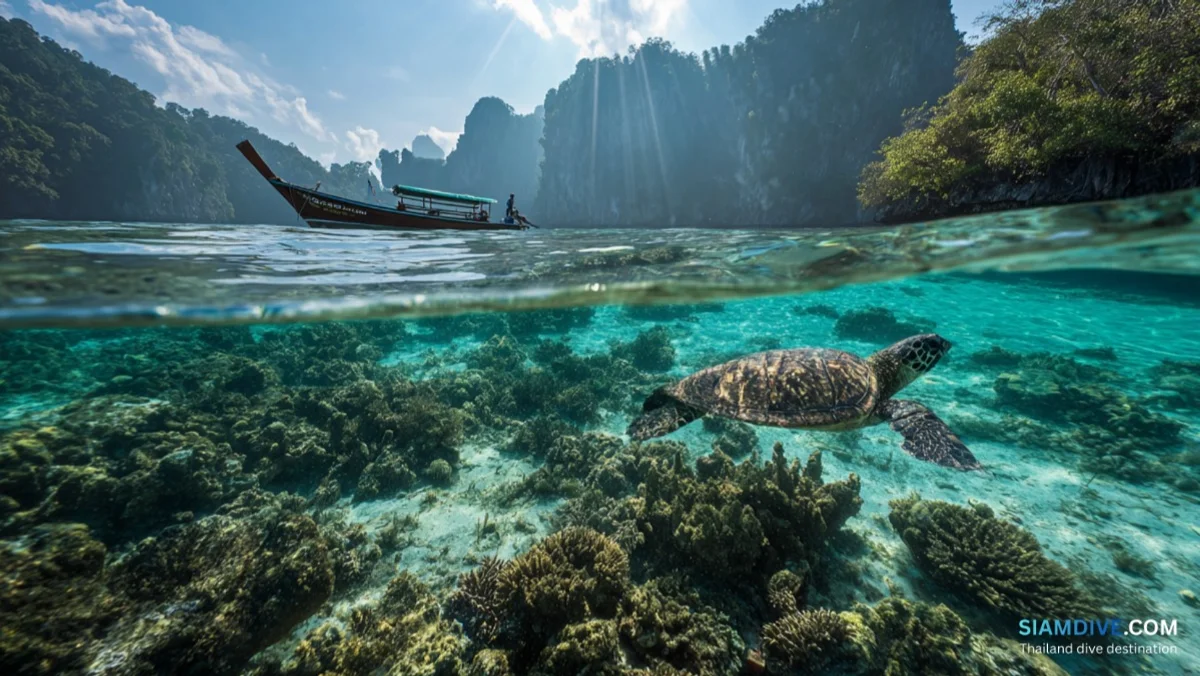
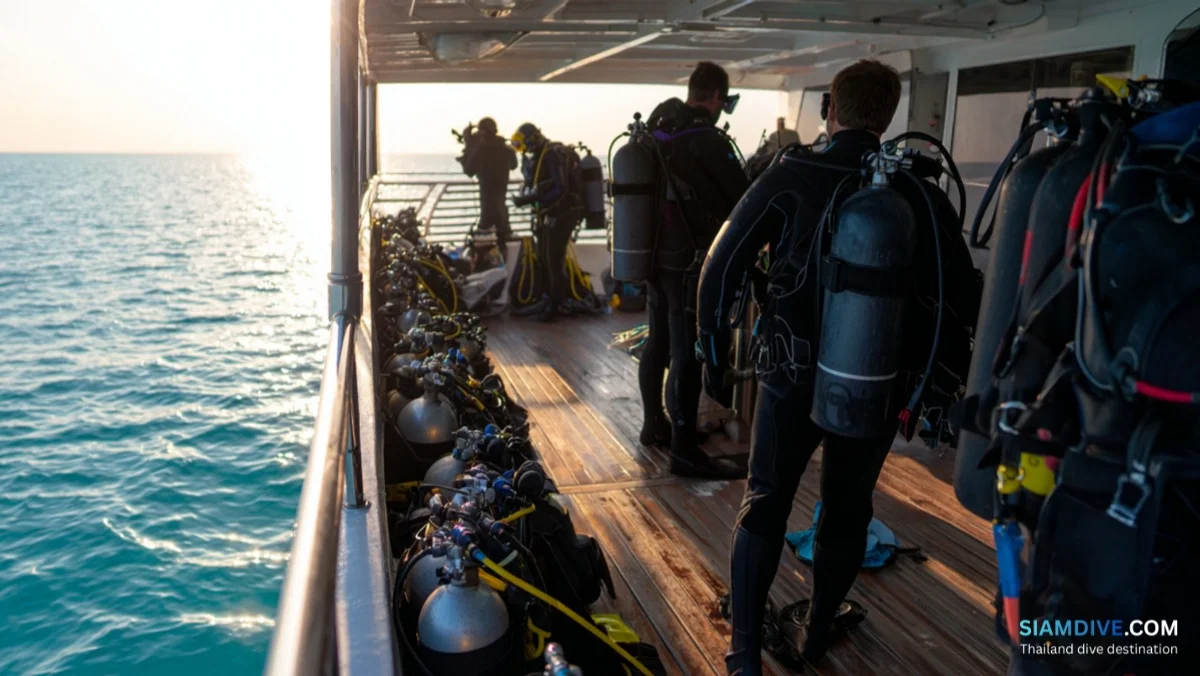
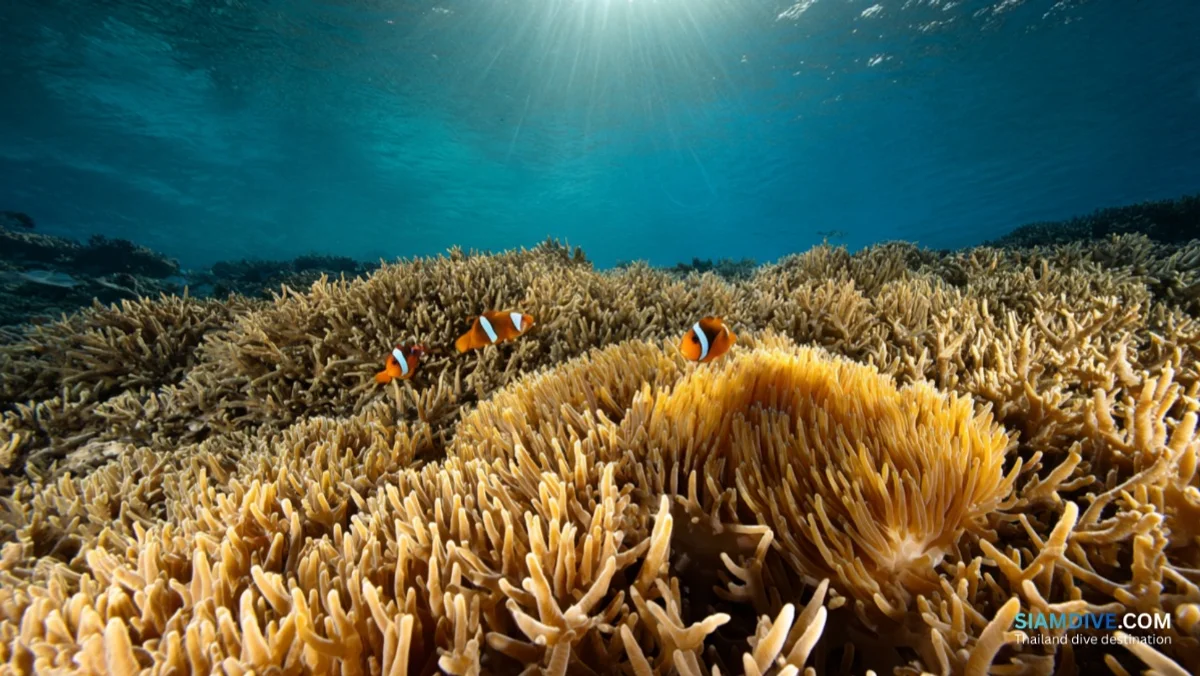
Every dive operator in Phuket runs day trips to Shark Point from Chalong Bay. The boat ride takes roughly 60-90 minutes depending on the vessel — speedboats are faster but rougher, traditional dive boats are slower but you get a proper sundeck and lunch onboard. Most trips depart around 7:30-8:00 AM and return by 3:00-4:00 PM, with two dives at Shark Point and sometimes a third at nearby Anemone Reef or the King Cruiser Wreck. Expect to pay 3,500-5,000 THB per person (roughly $100-140 USD), which includes gear rental, lunch, drinks, and the marine park fee. Book at least a day ahead during peak season — December and January fill up fast.
Practical Tips From Actual Dives
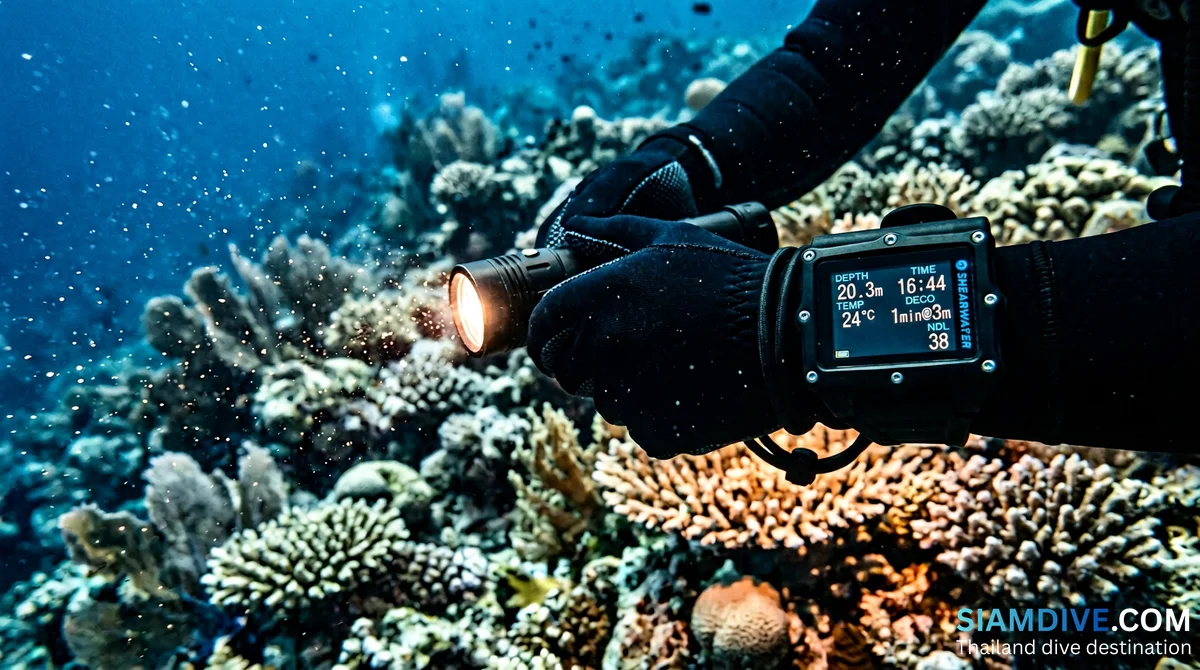
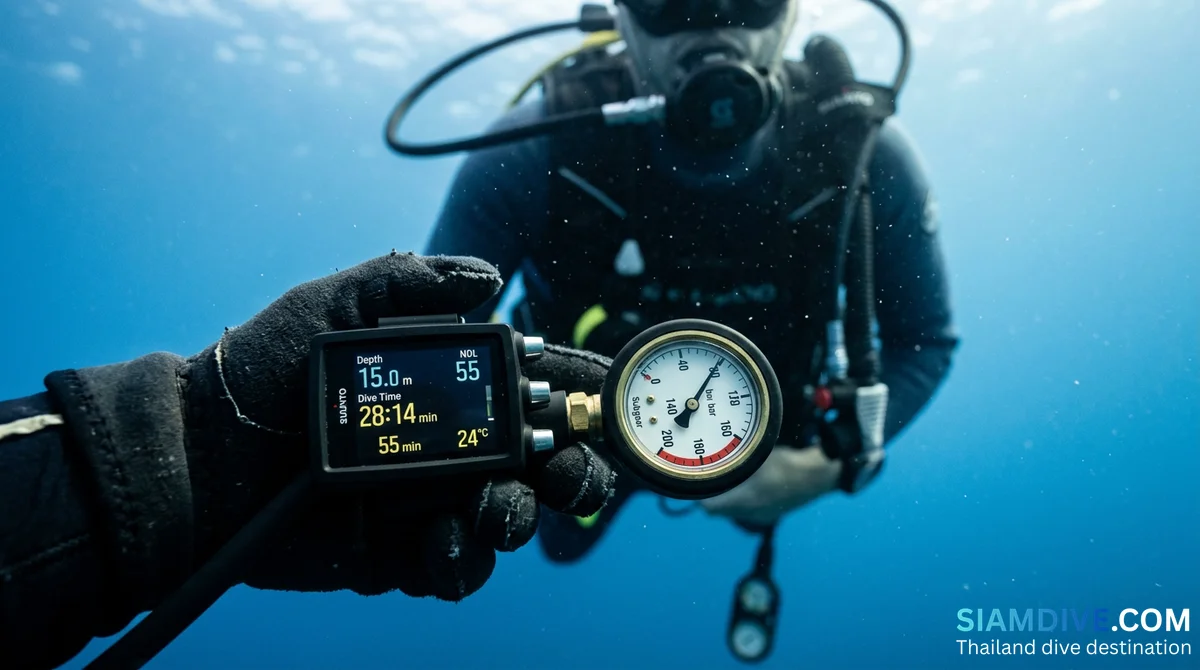
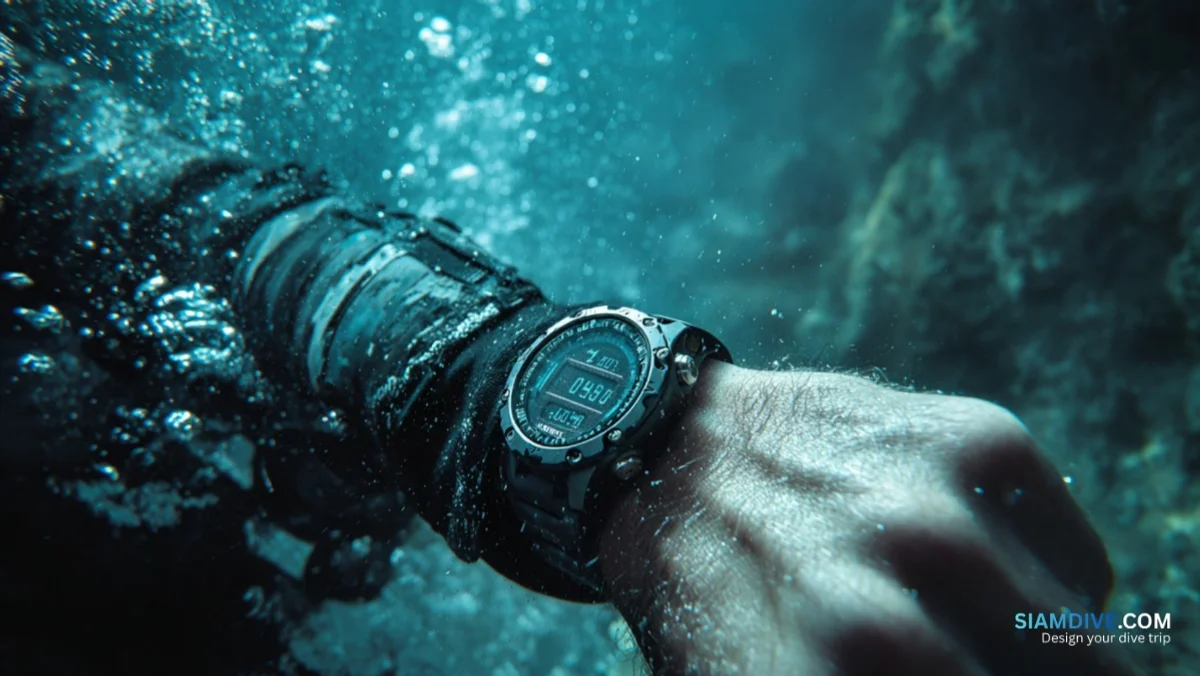
Currents at Shark Point can be tricky. The site is exposed, and tidal flow between the pinnacles can suddenly pick up mid-dive. Always carry an SMB and a dive computer — this isn't the place to rely on depth gauges and tables. An Advanced Open Water certification is technically recommended, though confident Open Water divers with good buoyancy can handle it on calm days. The sand between pinnacles is fine and silty; one careless fin kick clouds the water for everyone behind you. Stay horizontal, keep your fins up, and hover rather than kneel.
One more thing: don't chase the sharks. Leopard sharks are relaxed if you approach slowly from the side and stay low. Swim straight at them from above and they'll glide away before you get close enough for a decent photo. Patience pays off here — settle on the sand a few meters away and let the shark do its thing.
Shark Point Is Phuket's Best Kept Open Secret
Despite being one of the most-dived sites in the Andaman Sea, Shark Point still delivers. The marine sanctuary status keeps the reef in great shape, the leopard shark encounters are almost guaranteed during season, and the soft coral coverage rivals anything you'd see at the Similan Islands. If you're diving Phuket and only have time for one day trip, this is the one. Check available trips and dive operators at siamdive.com to plan your visit.