First Liveaboard Trip in Thailand: What to Actually Expect
9 เมษายน 2569
Your first Thai liveaboard trip means early wake-ups, compact cabins, 3-5 dives daily, and a routine that clicks by day two. Here's the honest version.
It's Not a Cruise, and That's the Point
Let's clear something up right away: a liveaboard dive trip is not a cruise. There's no buffet at midnight, no entertainment deck, no spa menu slid under your door. The boat exists for one purpose — to get you underwater as often as possible — and everything else is organized around that goal.
That might sound spartan, but it's actually liberating. You don't have to plan anything. You don't have to decide where to eat, how to get to the dive site, or what time to wake up. The crew handles all of it. Your only job is to show up, gear up, and jump in.
If you've never been on a liveaboard in Thailand before, the first 24 hours can feel disorienting. The boat is smaller than you imagined. The schedule is tighter than you expected. And the ocean is louder than any hotel room you've ever slept in. But by day two, the rhythm clicks. By day three, you'll wonder why you ever bothered with day trips.
Here's what actually happens on board, what to pack, what to expect from the social dynamics, and how to handle the parts that nobody warns you about.
What a Typical Day Looks Like
The wake-up call comes early. On most Thai liveaboards, someone knocks on your cabin door around 6:00 AM — sometimes earlier if the first dive is at sunrise. Coffee and light snacks are waiting on the deck. Don't expect a full breakfast yet; that comes after the first dive.
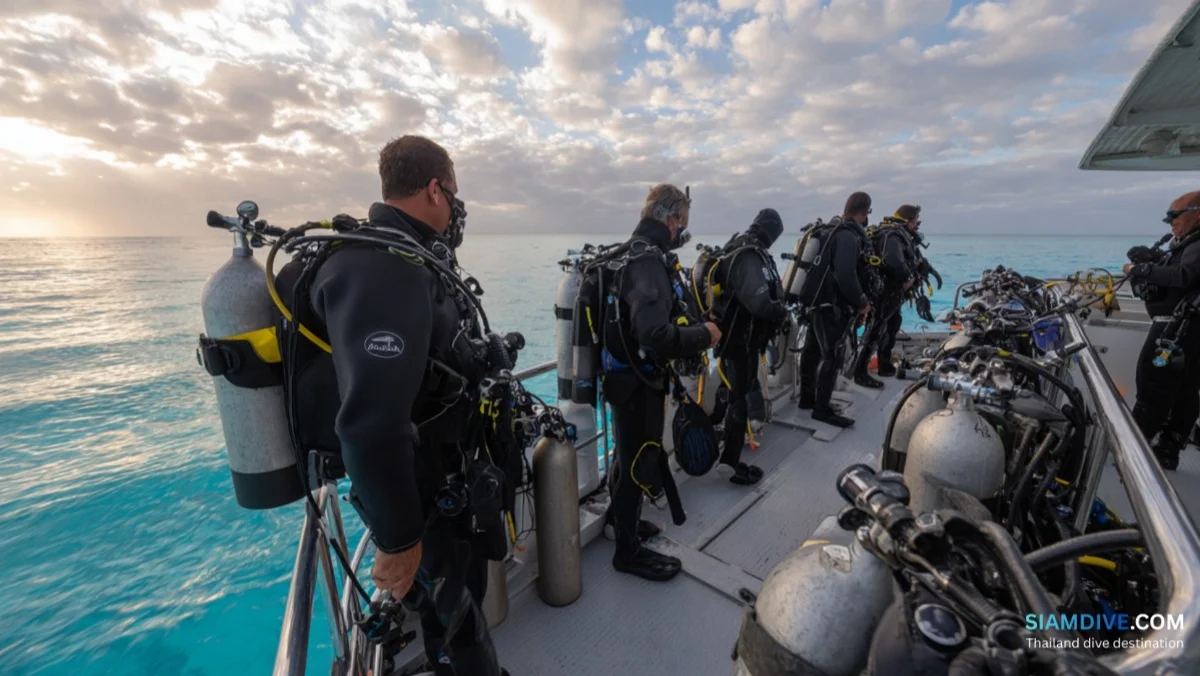
The morning dive briefing starts around 6:30. The dive guide walks through the site map, points out current direction, maximum depth (usually 18 to 30 meters depending on the site), and what marine life you might encounter. Pay attention to this. The guides on Thai boats know these sites inside out, and their briefings save you time underwater.
You're in the water by 7:00. The first dive of the day is usually the deepest, because your nitrogen loading is at its lowest. You'll typically spend 45 to 60 minutes underwater, depending on depth and air consumption. After surfacing, full breakfast is served — and it's substantial. Eggs, toast, fruit, Thai-style rice porridge, coffee. You eat while the boat repositions for dive two.
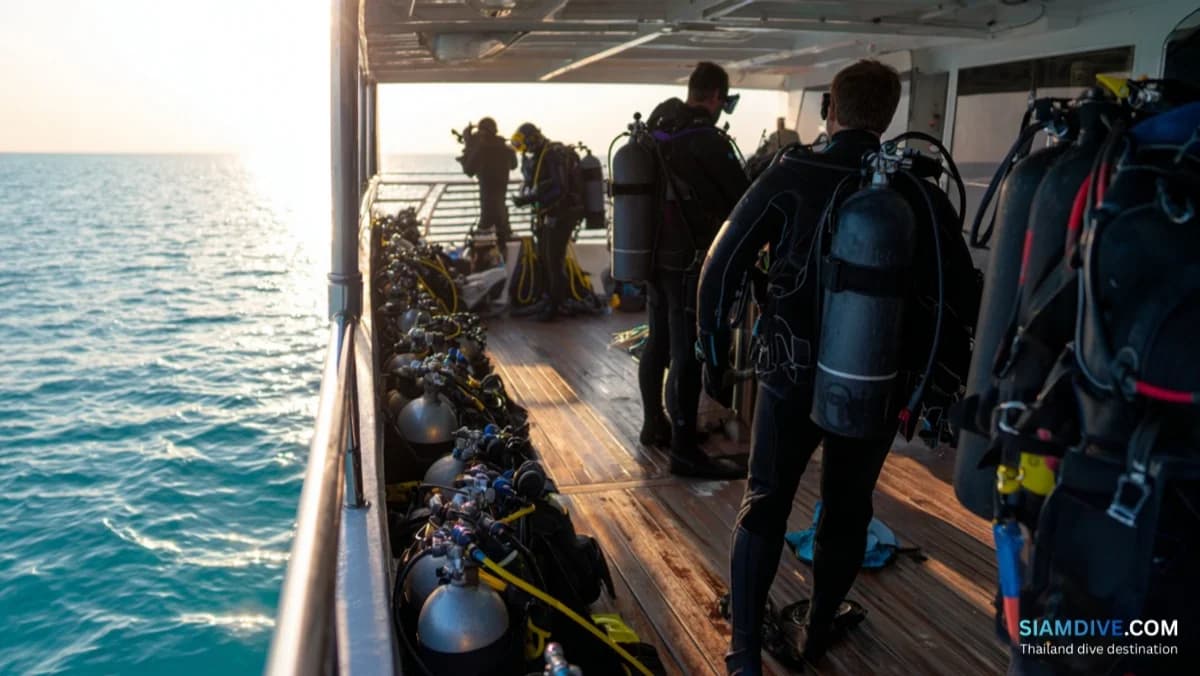
The second dive happens mid-morning, followed by lunch. Then a third dive in the early afternoon, another surface interval with snacks, and often a fourth dive in the late afternoon or at dusk. Some boats add a fifth option — a night dive after dinner, usually around 7:00 PM.
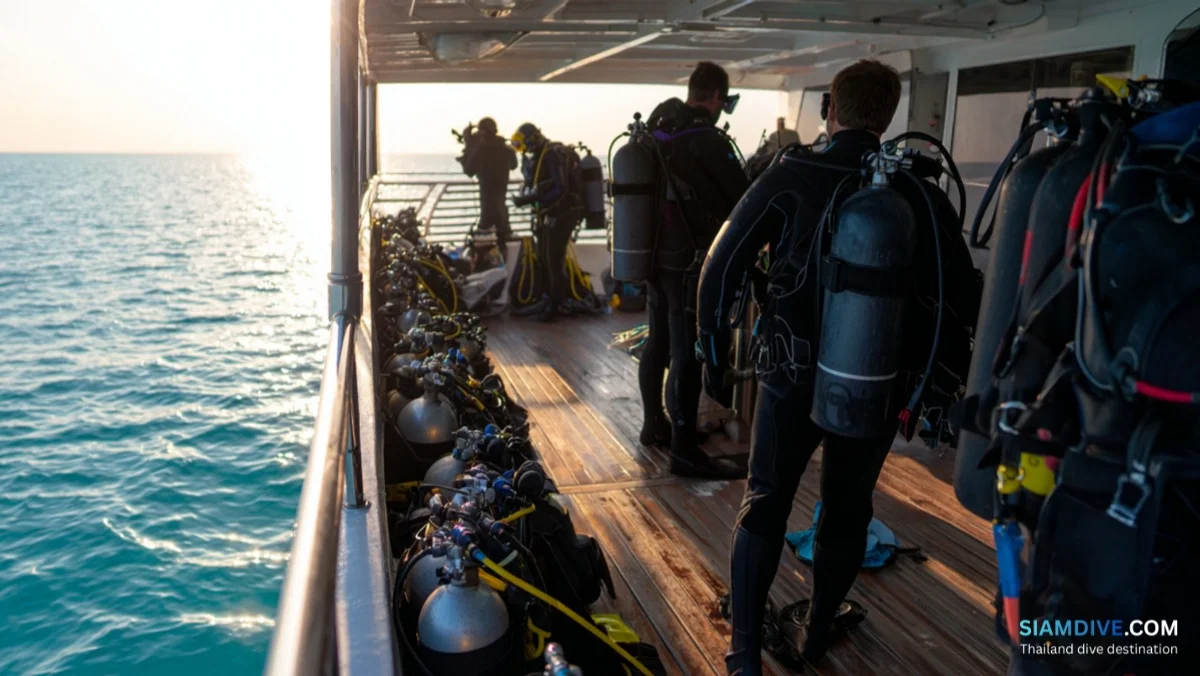
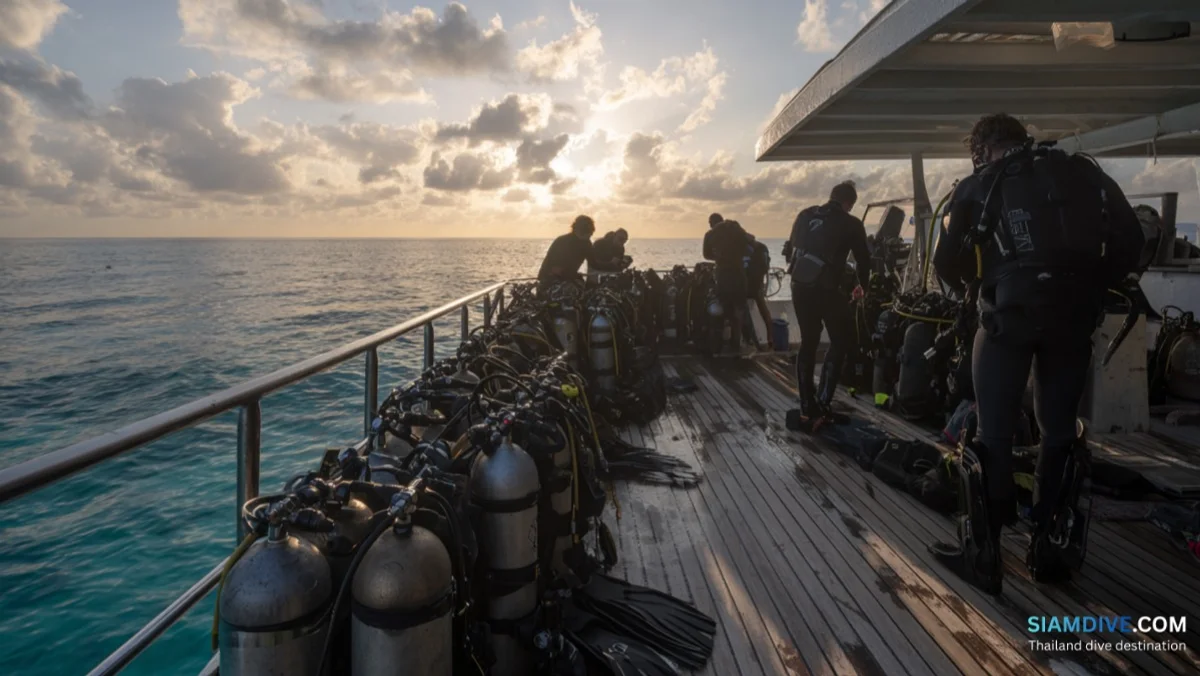
Between dives, you're free to nap, read, chat with other divers, review your camera footage, or just sit on the sundeck and watch the islands slide by. The surface intervals are mandatory for safety — your body needs time to off-gas nitrogen — so there's no way to rush through them even if you wanted to. Most people find these breaks surprisingly pleasant.
Dinner is served around 7:30 or 8:00 PM. On Thai liveaboards, dinner is usually the most elaborate meal — three or four dishes, often a mix of Thai and international cuisine. After dinner, the boat moves to the next anchor point. Most passengers are asleep by 9:30 or 10:00 PM, because 5:30 AM comes fast.
This cycle repeats for three to seven days, depending on your itinerary. An average four-night trip includes 12 to 16 dives. Longer routes — like eight-day Ranong to Phuket itineraries — push past 25 dives.
Cabin Life — Space, Sleep, and Sea Legs
Your cabin will be smaller than you think. Even on mid-range boats, a double cabin is roughly the size of a large closet. There's a bed, maybe a small shelf, a few hooks for clothes, and barely enough floor space to stand and change. Budget boats with shared cabins are tighter — you're in a bunk bed situation with a curtain for privacy and your bag stowed under the mattress.
This sounds uncomfortable, and for the first night, it might be. But you spend almost no waking time in your cabin. It's for sleeping and changing, nothing else. The communal areas — deck, lounge, dining area — are where you actually live.
Sleeping on a boat takes adjustment. The engine rumbles through the hull when the boat repositions at night. The anchor chain clanks. Waves slap the side. Some people find this immediately soothing, like white noise. Others need two nights to adapt. Earplugs help. A sleep mask helps more, because early risers tend to open cabin doors at 5:30 AM and let light flood in.
The boat moves. Not dramatically — Thailand's liveaboard season (November through April) coincides with the calmest months in the Andaman Sea — but you'll feel a gentle roll at anchor and more noticeable motion when the boat transits between sites. If you've never slept on a boat before, pick a mid-deck cabin. They experience the least motion.
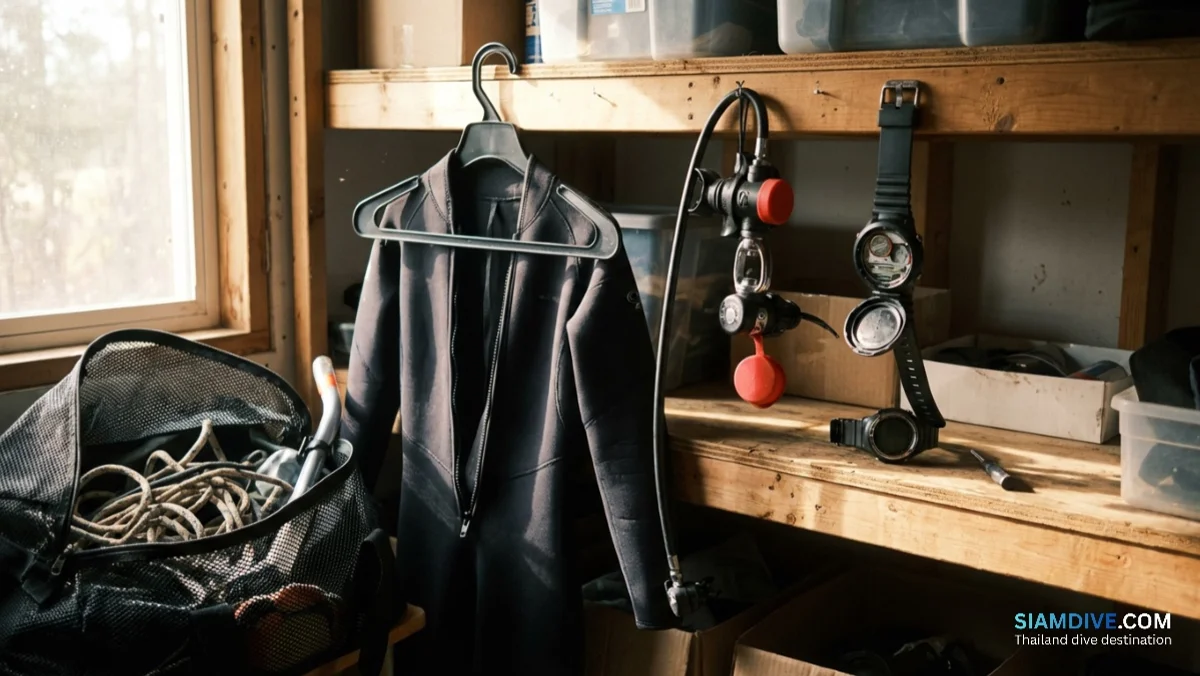
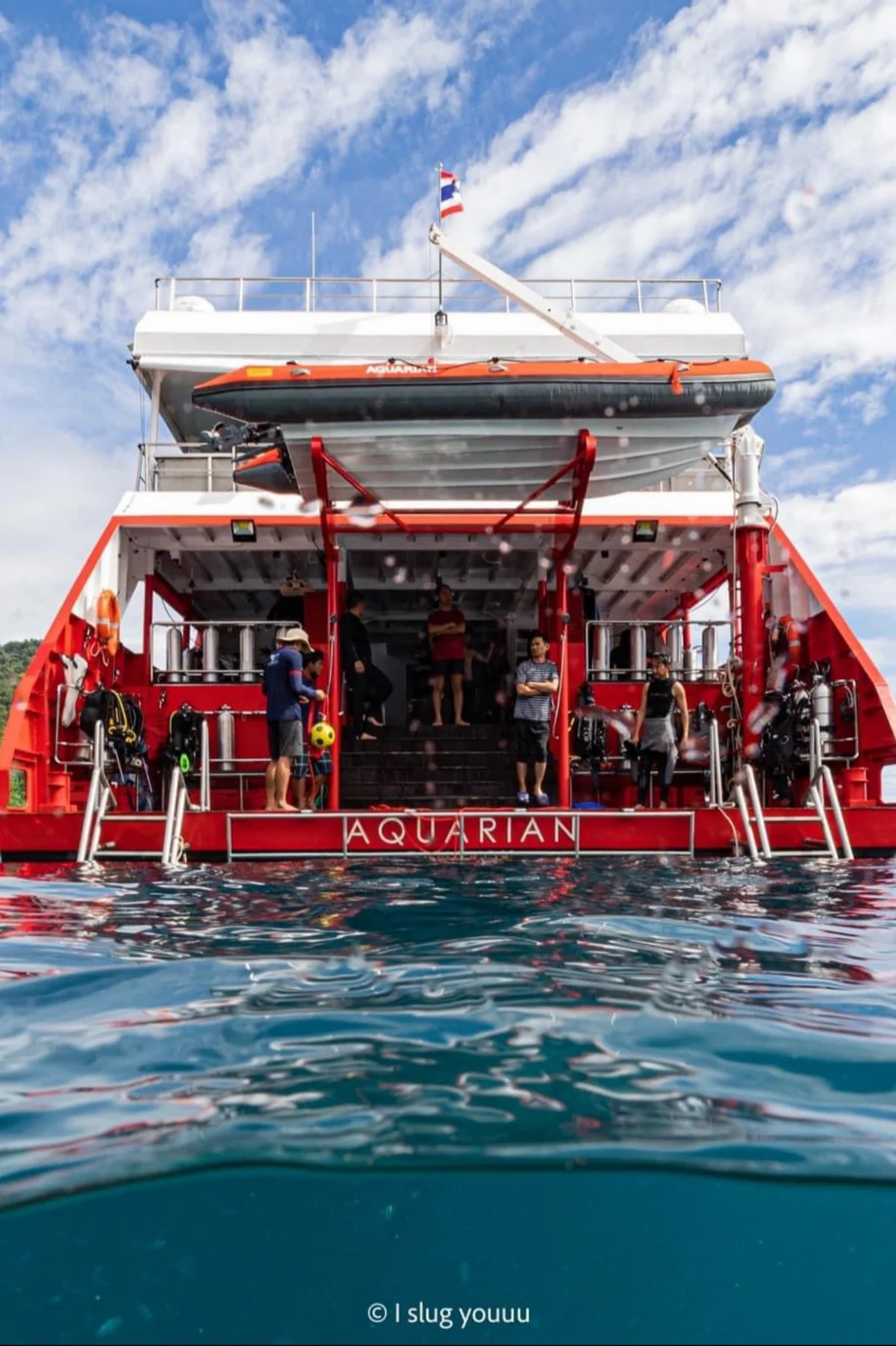
Soft luggage is essential. There's no room for hard-shell suitcases. Bring a duffel bag or a large backpack that you can compress and shove into a corner. Most boats have a designated gear storage area on the dive deck where your BCD, wetsuit, fins, and regulators stay for the duration of the trip.
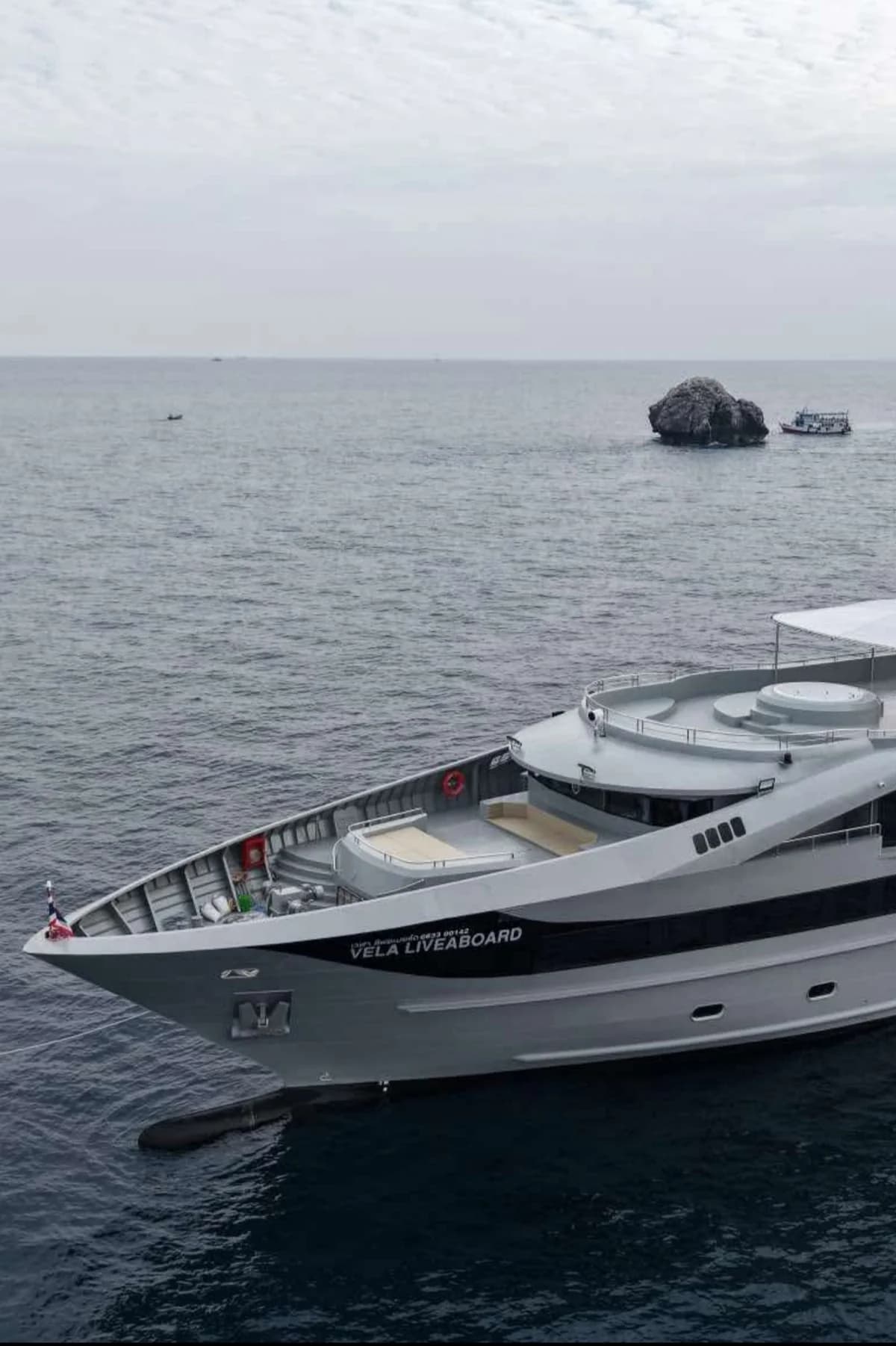
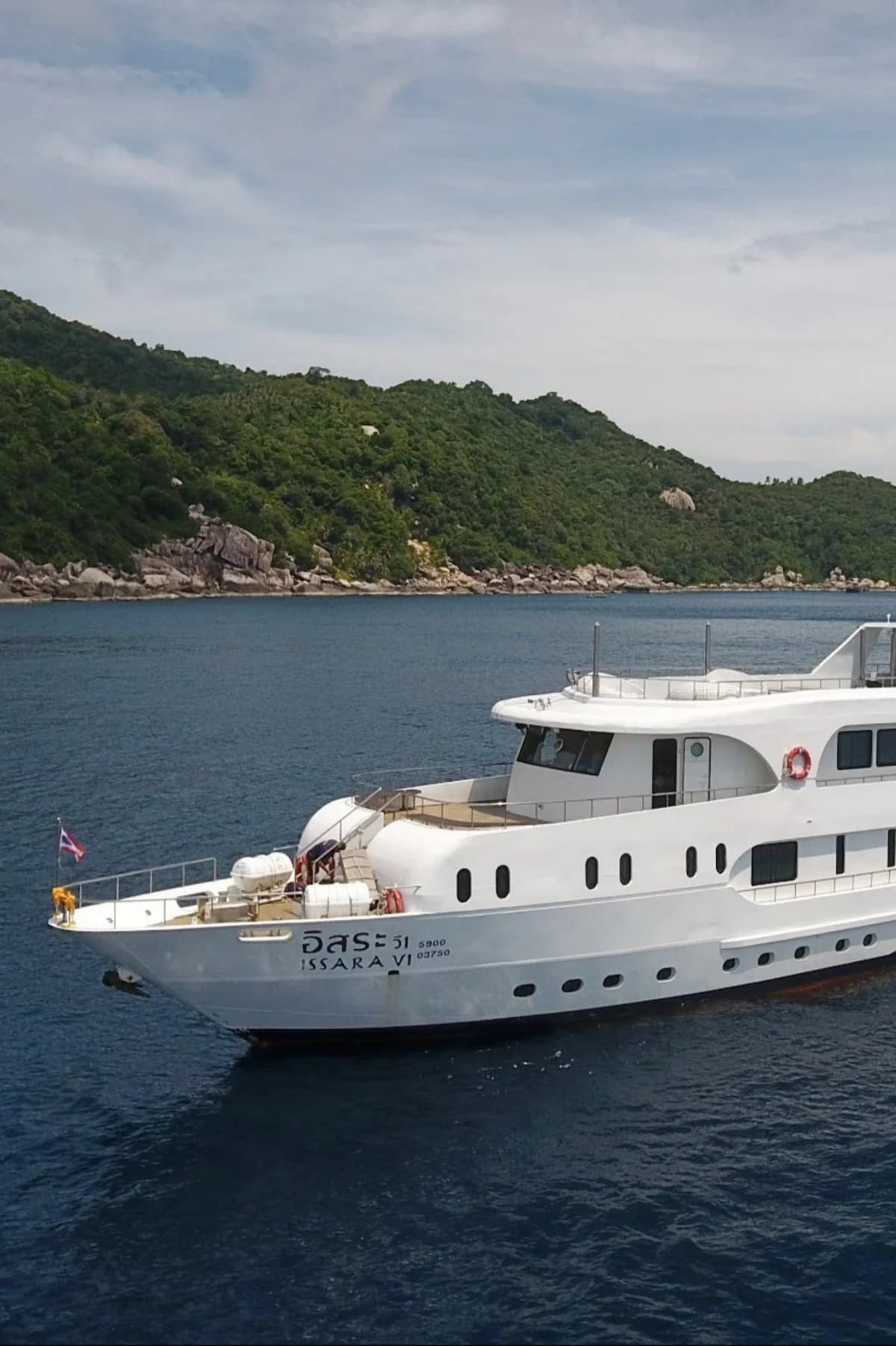
Bathrooms vary by boat class. Budget boats often have shared toilets and cold-water showers. Mid-range boats like the Thailand Master — a 34-meter vessel with 5 double/twin and 2 quad cabins, en-suite bathrooms, and space for up to 18 guests — offer a much more comfortable setup. Luxury boats add hot water, better ventilation, and sometimes surprising touches like heated towel racks.
The Packing List That Actually Matters
Overpackers suffer on liveaboards. Space is limited, and half the stuff you'd bring to a resort is useless on a boat. Here's what actually matters.
Your carry-on essentials — the things that absolutely cannot go in checked luggage — are your mask, regulator, and dive computer. If the airline loses your bag, you can rent a BCD and wetsuit on the boat. You can't rent a mask that fits your face properly or a regulator you trust. Your dive computer is your life-support instrument. Keep it with you.
Pack medications in your carry-on too. Seasickness tablets (more on that below), any prescription meds, and a basic first-aid kit. Boats carry medical supplies, but they might not have your specific brand of motion sickness medication.
A save-a-dive kit is worth its weight. This is a small bag with spare o-rings, a mask strap, fin strap buckles, cable ties, and maybe a multi-tool. When something breaks at sea, you can't drive to a dive shop. The crew usually has spare parts, but self-sufficiency earns respect.
Clothes are minimal. You'll live in swimwear and a rash guard during the day. One pair of shorts and a t-shirt for evenings. A light fleece or hoodie for after night dives — the wind on wet skin at 8 PM gets cold. One change of clothes for the journey home. That's it.
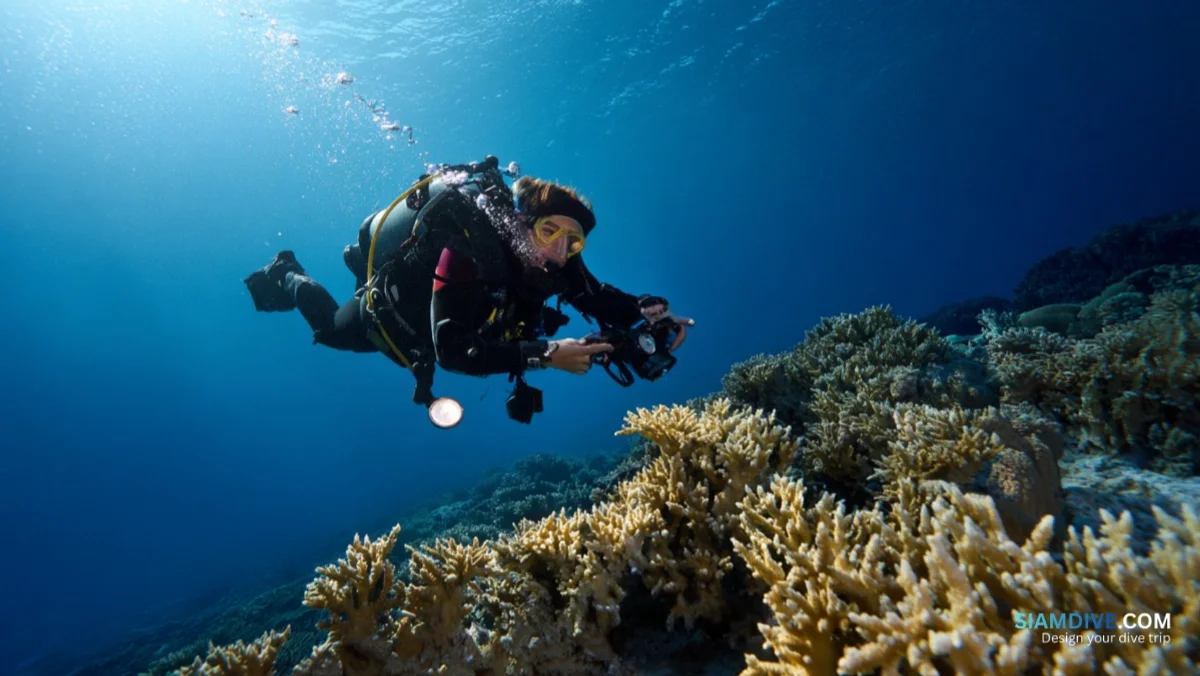
Camera gear needs waterproof protection for transit and a designated rinse area on the boat. Most mid-range and luxury boats have camera tables with freshwater rinse tanks. Budget boats might not — ask before you book if underwater photography is important to you.
Skip the books, the laptop, the travel pillow, and the three extra outfits. You won't use them. Bring a headlamp (for night dives and midnight bathroom trips), reef-safe sunscreen, and a dry bag for your phone and wallet.
Dealing with Seasickness (It's Normal)
Here's the thing nobody likes admitting: almost everyone feels some motion discomfort on the first day of a liveaboard trip. Even experienced sailors. The combination of boat movement, diesel smell, and the anticipation of confined spaces triggers a low-grade queasiness that your body needs time to overcome.
The crew knows this. Most Thai liveaboards offer motion sickness tablets at the start of the trip — take them. Don't wait until you feel sick. By the time nausea hits, medication takes longer to work because your stomach is already in revolt. Take a tablet the night before boarding, and another on the morning of departure. After 24 to 36 hours, most people have their sea legs and can stop.
If you know you're prone to seasickness, pack your own medication in your carry-on, not in checked luggage. Dramamine, Stugeron (cinnarizine), or scopolamine patches all work. Test your chosen medication at home first — some cause drowsiness that makes diving unsafe.
Cabin selection matters. Mid-deck cabins at the center of the boat experience the least movement. Bow cabins pitch up and down. Stern cabins vibrate from the engines. If seasickness is a concern, request a mid-ship cabin when booking.
Other tricks that work: stay on deck and look at the horizon when you feel queasy. Avoid reading or looking at screens below deck. Eat light, frequent meals — an empty stomach makes seasickness worse, not better. Ginger tea or ginger candies help some people. Stay hydrated.
Most importantly, don't be embarrassed. The crew has seen it thousands of times. They'll quietly hand you a bag, point you to the lee side of the boat, and check on you later. By day two, you'll almost certainly be fine.
Budget vs Luxury — What You Get for Your Money
The range of liveaboard pricing in Thailand is wide, and the experience at each tier is genuinely different.
Budget boats — around $100 per night — are the entry point. Expect shared cabins with bunk beds, shared bathrooms (sometimes with cold water only), straightforward Thai meals, and well-maintained but older equipment. The diving itself is identical to luxury boats — you hit the same sites with experienced guides. The difference is in the accommodation and service between dives. Budget boats suit younger travelers, backpackers, and anyone who views the boat as just a platform to get underwater.
Mid-range boats — $150 to $250 per night — are where comfort starts mattering. Private cabins with en-suite bathrooms, air conditioning that actually works, better meal variety (expect Thai, Western, and sometimes Asian fusion), Nitrox availability (which extends your no-decompression limits on repetitive dives), and newer dive gear for rental. The Thailand Master is a good example at this tier: 34 meters long, 5 double/twin cabins and 2 quad cabins, all with en-suite facilities, accommodating up to 18 guests. Crew-to-guest ratios improve significantly. Camera equipment rooms with rinse tanks start appearing.
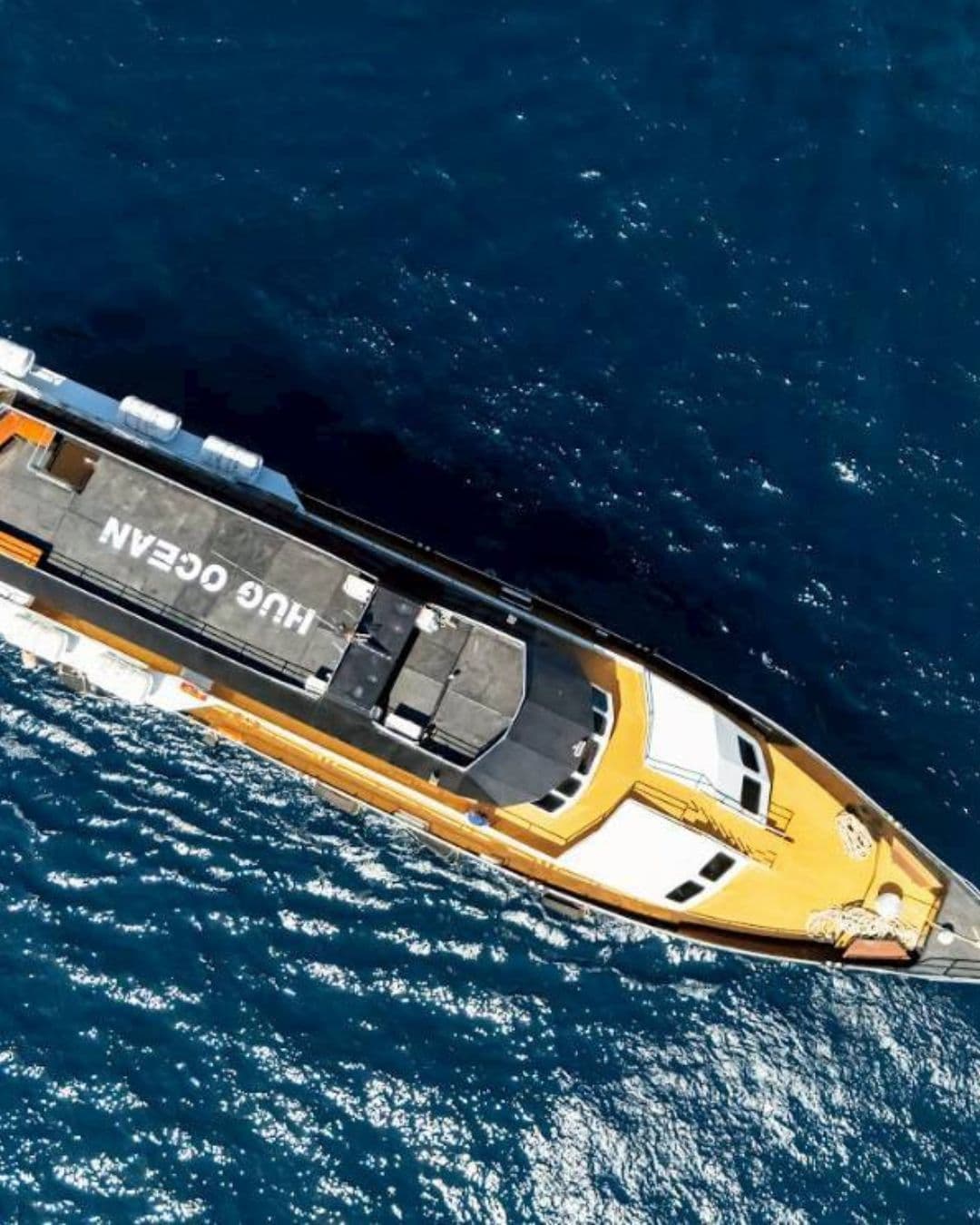
Luxury boats — $300 to $1,000+ per night — add private suites, sometimes with jacuzzis or balconies. Gourmet meals with wine service. Unlimited Nitrox included. Dedicated camera rooms with individual workstations, compressed air for sensor cleaning, and professional-grade rinse facilities. Spa treatments between dives. Some luxury operators run boats with only 8 to 10 passengers, which means uncrowded dive sites and near-private guide attention. At this level, the boat is part of the experience, not just transportation.
Group bookings of six or more people often unlock discounts across all tiers — some operators offer up to 30% off for full-boat charters. Shoulder season (November and April) pricing can drop 15 to 20% compared to peak months (December through February). If budget flexibility exists, the sweet spot for value is usually early November or late March.
Social Dynamics and Boat Etiquette
A liveaboard puts 12 to 18 strangers in close quarters for several days. The social dynamics are unique and, for most people, one of the best parts of the trip.
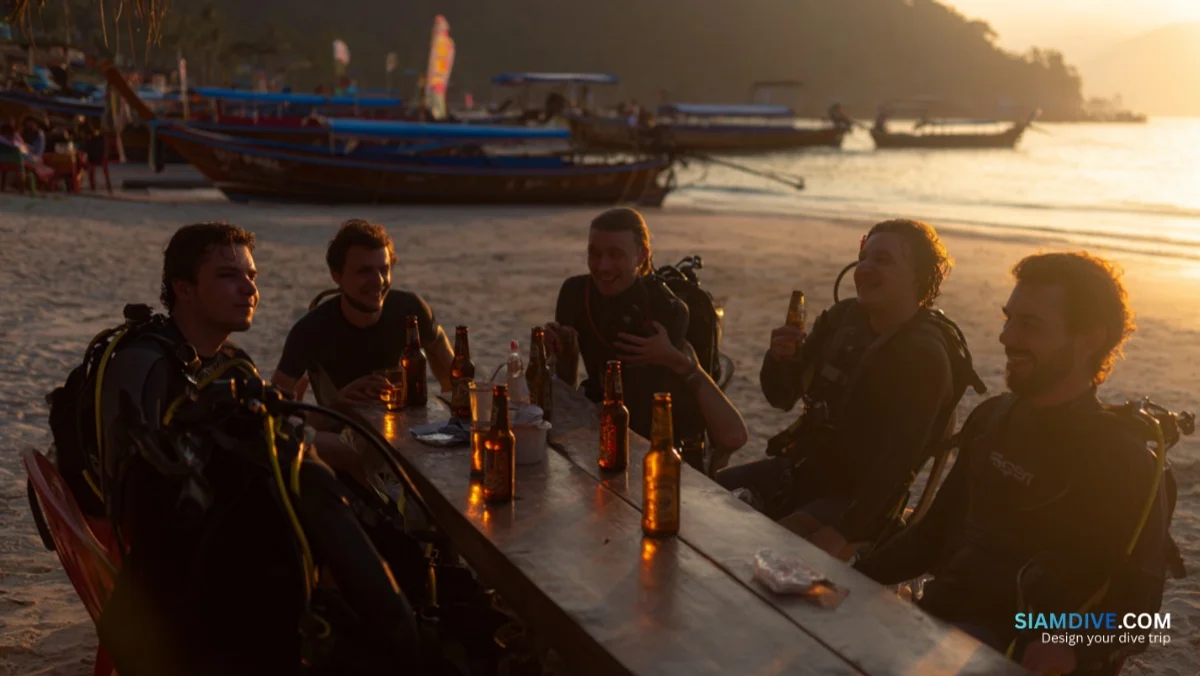
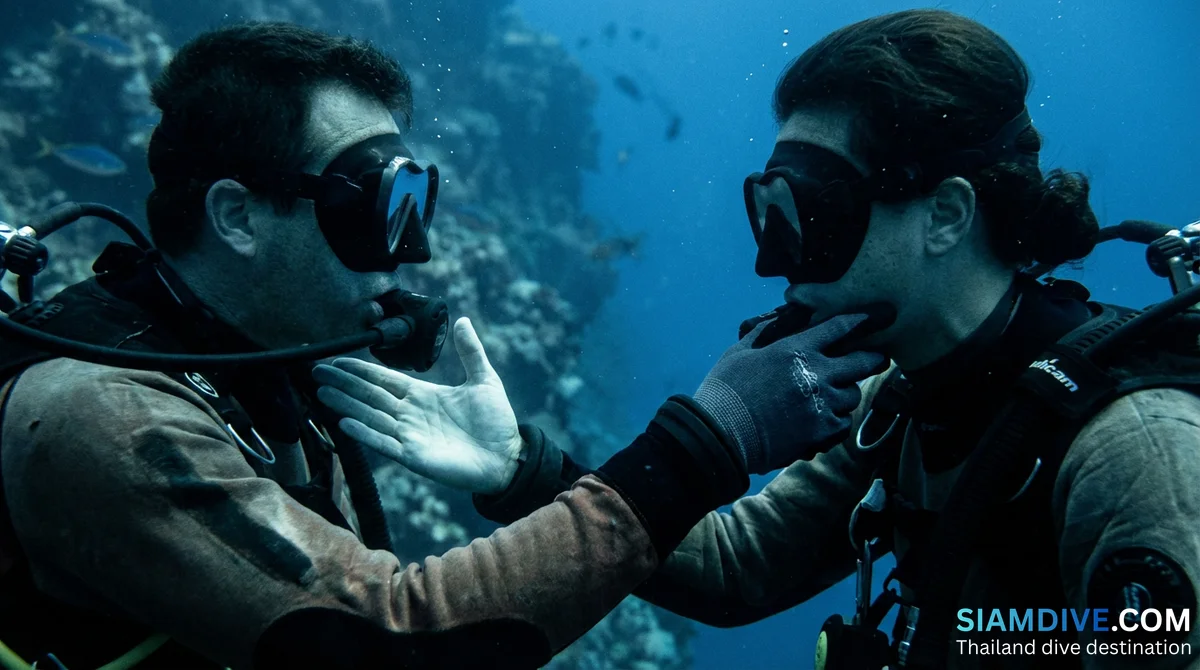
Dive groups are typically small — four divers per guide, sometimes fewer. You'll be assigned a buddy or asked to pair up. Solo travelers fit in easily; the shared purpose of diving creates instant common ground. By the second dive, you're discussing marine life over breakfast. By the second day, you know everyone's certification level, camera setup, and home country.
Punctuality matters more than you'd expect. When the dive guide says "briefing at 6:30," that means 6:30. Not 6:35. The schedule is tight because surface intervals, boat repositioning, and meal timing all interlock. One late diver holds up the entire group. Set alarms if you need to, but don't be the person everyone waits for.
Gear etiquette is straightforward: keep your equipment in your assigned station, don't touch other people's gear, and rinse your camera housings in the designated freshwater tank — not the drinking water. Label your gear with tape if it's rental equipment that looks identical to everyone else's.
Noise management is part of boat life. Cabins share thin walls. Conversations carry across the deck at night. If you're a light sleeper, bring earplugs. If you're a night owl, take your conversations to the top deck away from sleeping cabins. Most boats have an informal quiet-hours policy after 10 PM.
Tipping is customary on Thai liveaboards. A general guideline is 10% of the trip price, split between the dive crew and boat crew, collected at the end of the trip. Cash is preferred — Thai baht or US dollars. Some boats have a tip box; others collect it more informally. Ask the boat manager on the first day so there are no surprises at the end.
Photography etiquette deserves a mention. Underwater photographers tend to linger at interesting subjects, which can block the dive path for other divers. Be aware of your group. Take your shots, then move on. Don't monopolize a seahorse for 15 minutes while your buddy circles overhead burning air. The golden rule is simple: dive first, photograph second.
Final Thoughts
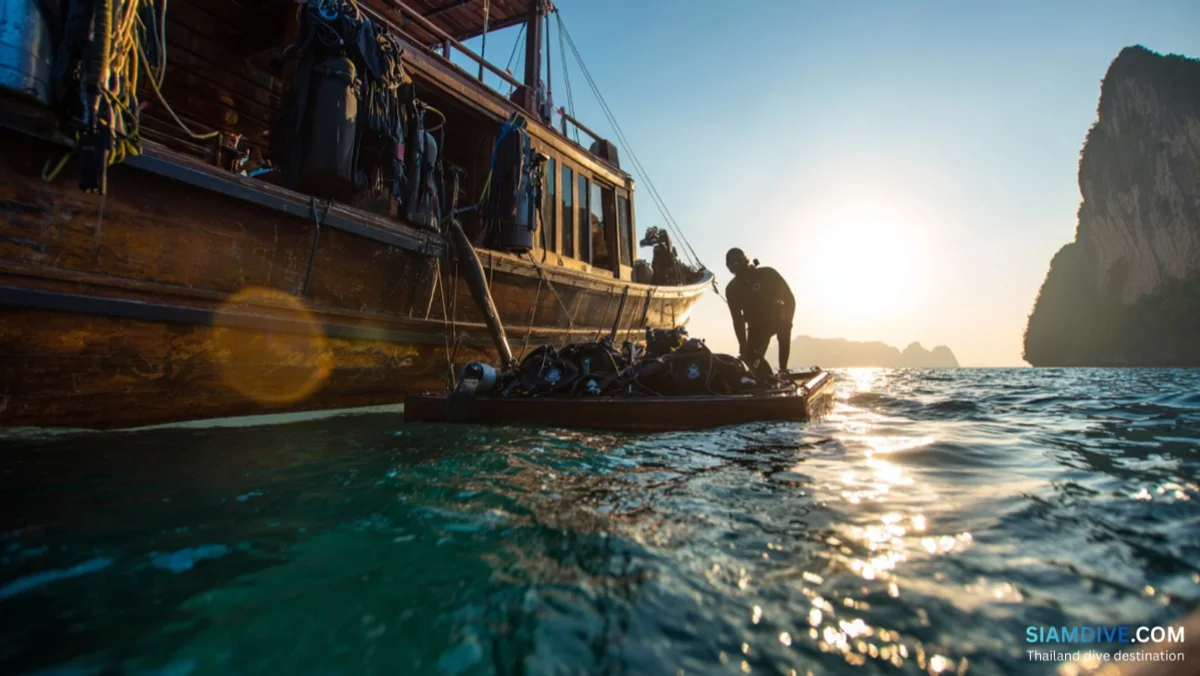
Your first liveaboard trip will be messy. You'll pack too much, sleep poorly the first night, maybe feel queasy, and probably fumble the gear setup at least once. None of that matters. By the third day, you'll be moving through the routine like you've done it a hundred times — coffee at dawn, giant stride off the platform, an hour in the blue, warm towel on the way up, nap, repeat.
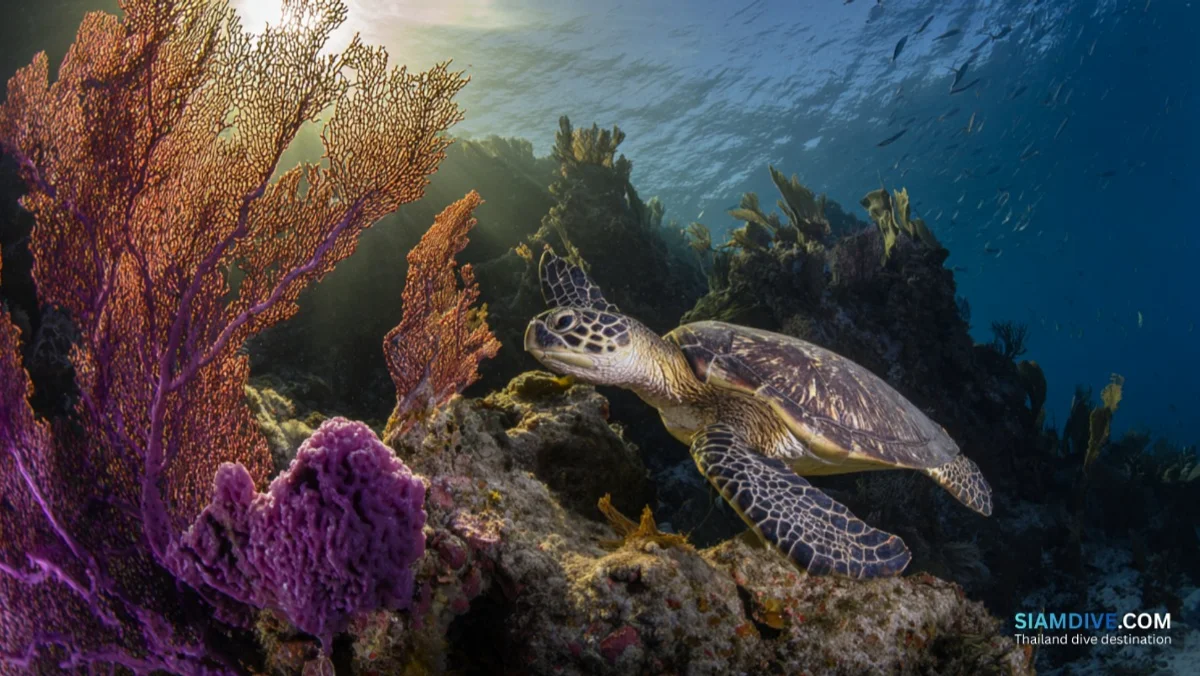
The experience is unlike any other form of diving. It's immersive in a way that hotel-based diving can't match. You live, eat, sleep, and breathe diving for days at a time. The friendships form fast. The marine life gets richer with every dive. And when you step off the boat on the last morning, sunburned and salt-crusted and slightly dazed, you'll already be thinking about the next trip.
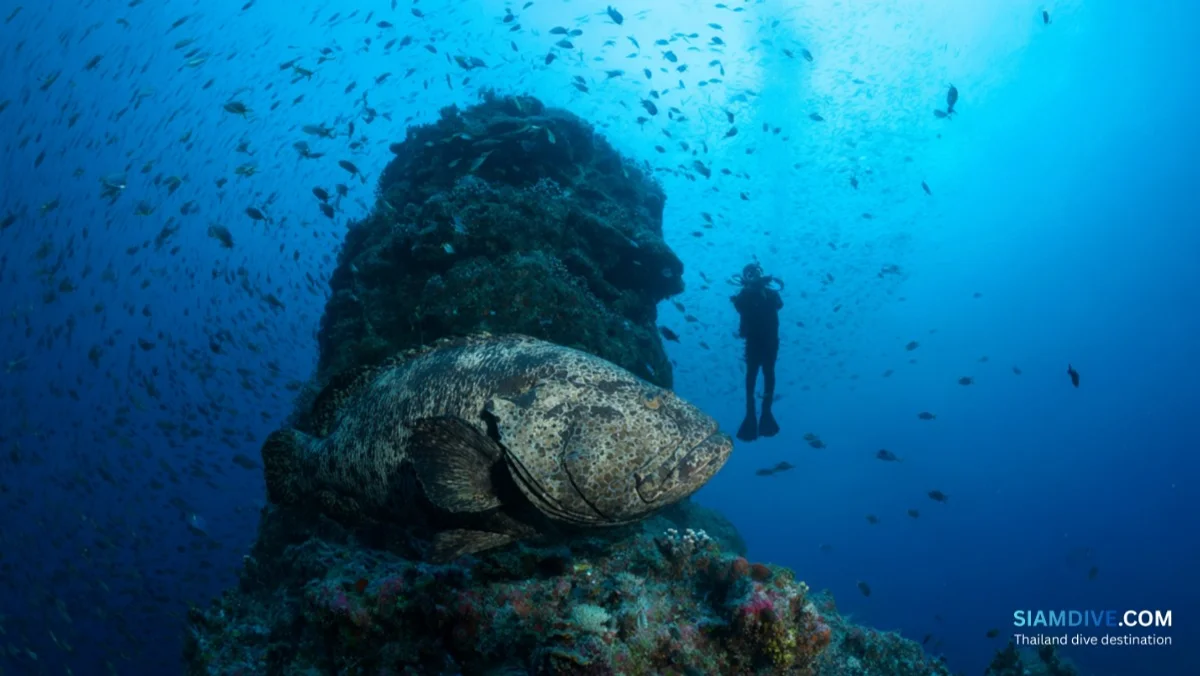
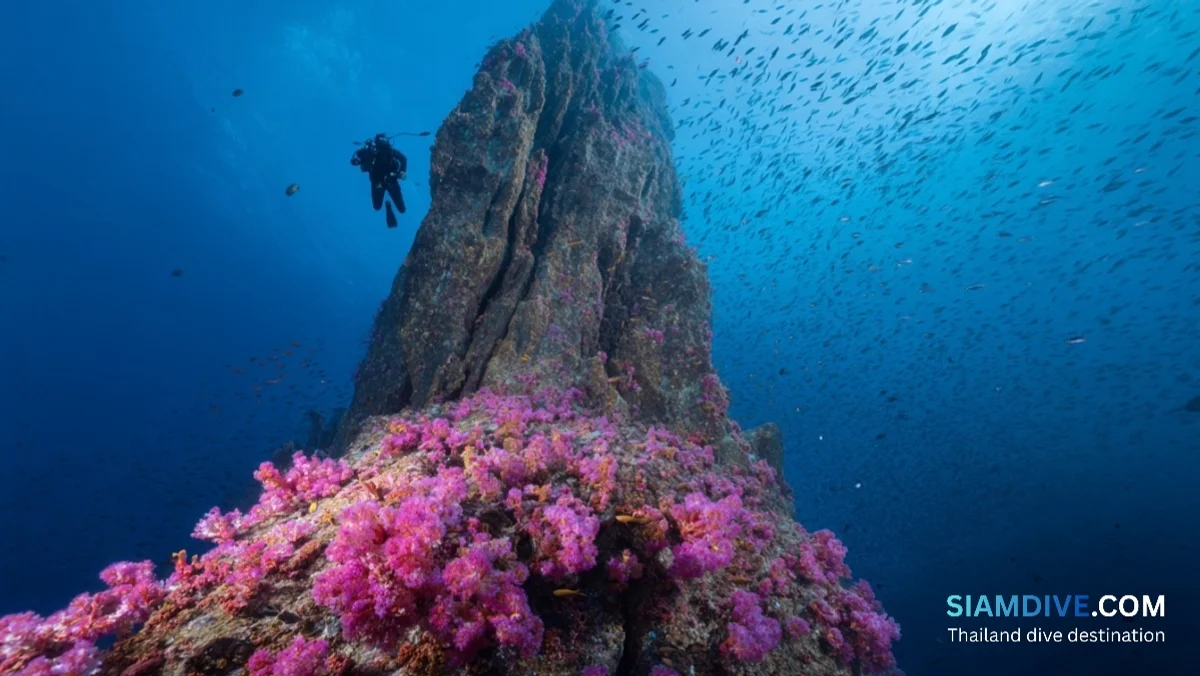
Thailand's Andaman Sea is one of the best places in the world to do this for the first time. The boats are well-run, the sites are world-class, the water is warm, and the prices are lower than almost any comparable destination. Season runs November through April.
Start planning at siamdive.com. Compare boats, routes, and dates side by side. Check cabin availability in real time. Every listing includes verified photos, full itineraries, and transparent pricing — no hidden fees, no bait-and-switch. Your first liveaboard trip starts with choosing the right boat, and the right boat is the one that matches your budget, your experience level, and the sites you want to see.