Maya Bay Reopened — But the Rules Have Changed
14 เมษายน 2569
Maya Bay closed for 4 years and reopened with strict new rules. Here's what divers and snorkelers can actually do there now, plus the best nearby dive sites.
The Beach That Died and Came Back
Maya Bay spent 3.5 years closed to every human being on the planet. Not because of COVID, not because of politics — because we wrecked it. Between 2000 and 2018, up to 5,000 tourists per day trampled through this 250-meter-wide bay on Koh Phi Phi Leh, turning one of the Andaman Sea's most photogenic spots into an ecological disaster zone. The coral bleached. The sharks left. The sand eroded.
Then Thailand did something genuinely surprising: it shut Maya Bay down completely in June 2018 and didn't reopen it until January 2022. When it came back, the rules were unrecognizable. This is no longer the party beach from Leonardo DiCaprio's film. It's a tightly controlled nature reserve that happens to be stunning — and if you're a diver or snorkeler visiting Phi Phi, you need to understand exactly what you're walking into.
Why Divers and Snorkelers Should Care About Maya Bay
Here's the honest truth: Maya Bay itself is not a great dive site. You can't scuba dive in the bay. You can barely snorkel in it — the current rules only allow wading up to knee depth. But Maya Bay matters to the diving community because it's become the most visible coral reef recovery story in Southeast Asia.
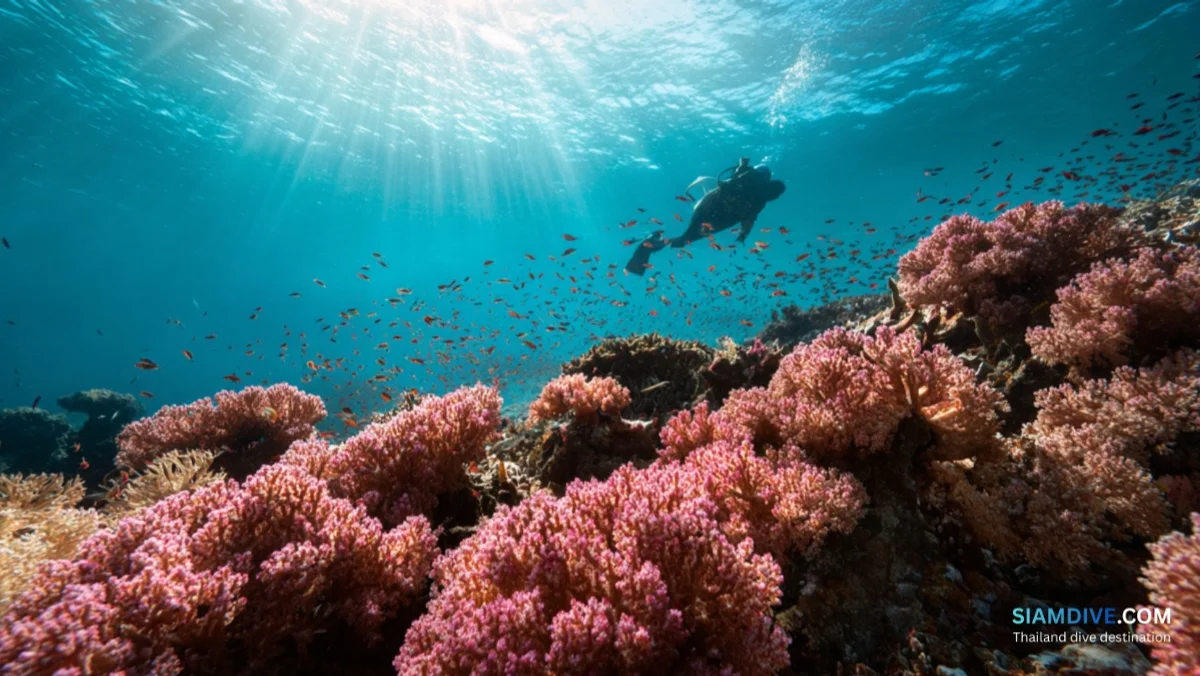
During the closure, marine biologists documented blacktip reef sharks returning to the shallows within months. Juvenile reef fish populations rebounded. Coral that had been crushed by boat anchors and fin kicks began regenerating. The recovery wasn't just PR spin — peer-reviewed studies confirmed measurable increases in coral cover and fish biomass.
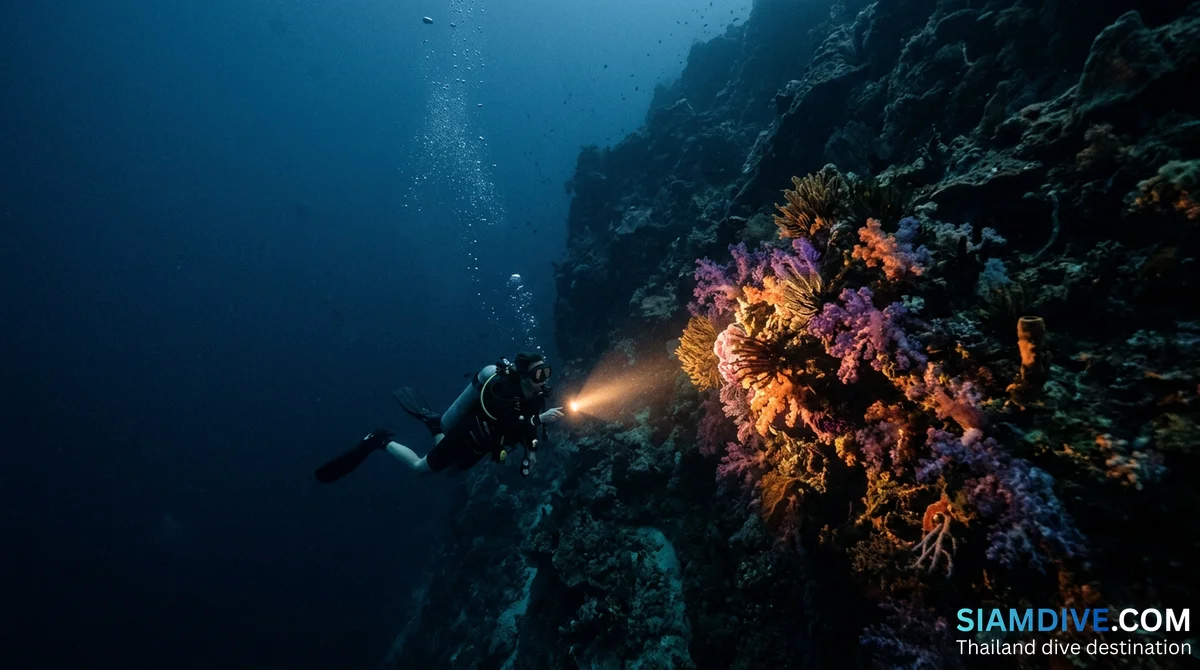
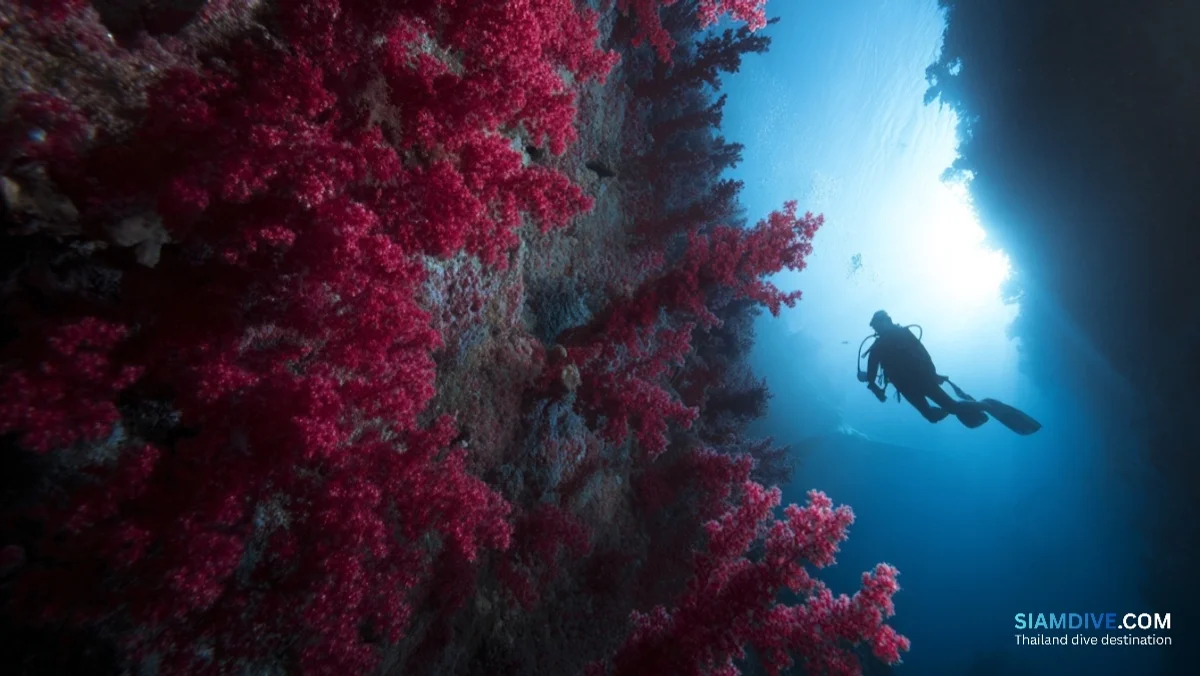
For divers, the real action is at the surrounding sites. Ko Bida Nai and Ko Bida Nok, two small limestone pinnacles about 3 km south of Phi Phi Leh, offer wall diving with leopard sharks, seahorses, and barrel sponges down to 25 meters. Shark Point (Hin Musang), about 20 km east, is where you'll reliably see blacktip reef sharks cruising the shallows. And Pileh Lagoon, on Phi Phi Leh's eastern side, has calm emerald water with excellent visibility for snorkeling over coral gardens.
What You Can Actually Do at Maya Bay Now
The new rules are strict, and park rangers enforce them. Here's the reality:
- No swimming past knee depth. This is the big one. You can wade into the water up to your knees, but swimming, snorkeling, and diving within Maya Bay are all prohibited. The bay is now a visual experience, not an aquatic one.
- No boats on the beach side. All vessels now dock at Loh Sam Bay on the back of the island. You walk over a short path to reach Maya Bay. This eliminated the anchor damage that destroyed coral for two decades.
- One hour maximum. Tour operators are given roughly one-hour time slots. Rangers track entry times and will ask you to leave when your time is up.
- Visitor caps enforced. The park limits daily visitors (the exact number fluctuates by season). Early morning tours departing at 7 AM consistently have the smallest crowds.
- No drones. Don't even bring one. Rangers will confiscate it, and you'll face a fine.
- Reef-safe sunscreen only. Chemical sunscreens containing oxybenzone and octinoxate are banned. Bring mineral-based zinc oxide sunscreen or wear UV-protective clothing.
- No single-use plastics. No plastic water bottles, bags, or straws allowed in the national park.
National park entry fee is 400 THB per adult (roughly $11 USD). You'll pay this at the pier or through your tour operator.
Marine Life and Coral Recovery
The numbers tell a remarkable story. Before the closure in 2018, coral cover in parts of Maya Bay had dropped below 10%. By 2022, surveys showed recovery to over 40% in some zones, with branching corals — the most fragile and first to die — showing the strongest comeback.
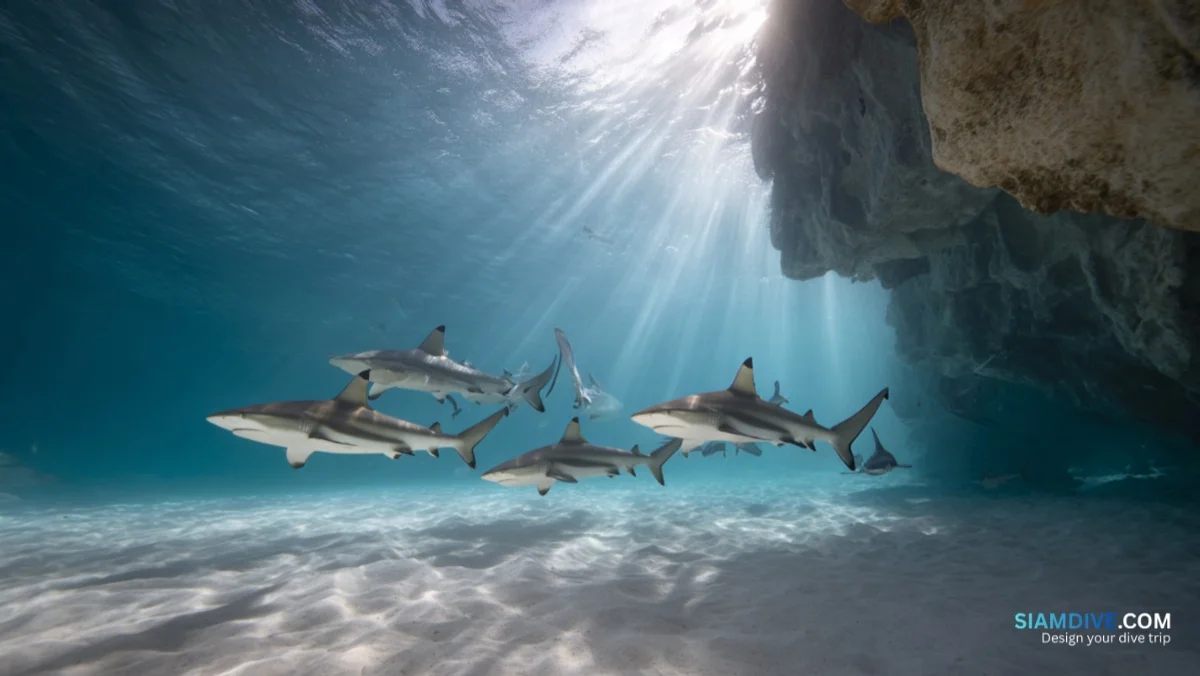
Blacktip reef sharks, which had been completely absent from the bay since around 2010, returned within the first year of closure. They now patrol the shallows regularly, and spotting them from the beach is common. These are small, harmless sharks rarely exceeding 1.5 meters — they're more afraid of your splashing than you should be of them.
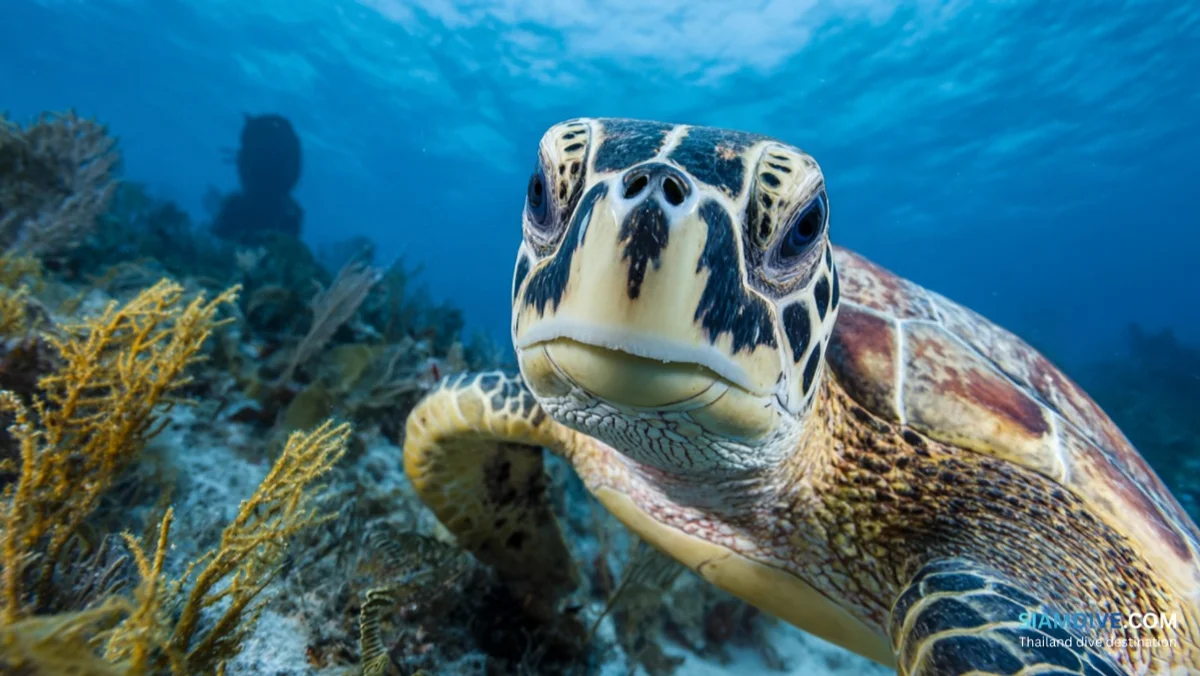
Other marine life that's returned includes green sea turtles (occasional visitors, not residents), cuttlefish, moray eels, and massive schools of juvenile damselfish and wrasse that use the bay as a nursery. The seagrass beds have also recovered, which is significant because seagrass provides habitat for seahorses and pipefish.
For snorkelers wanting to actually get in the water, the nearby sites deliver. Pileh Lagoon has calm, sheltered water with 10-15 meter visibility and healthy hard coral formations. Loh Samah Bay, just south of Maya Bay, has scattered coral bommies with anemonefish and lionfish. Neither is a world-class reef, but both are solid for a half day of snorkeling.
Best Time to Visit
The Andaman coast season runs November through April. This is when you'll get calm seas, minimal rain, and visibility reaching 20-30 meters at the dive sites around Phi Phi. January through March is peak season — meaning peak crowds, peak prices, and the hottest weather, but also the best underwater conditions.
Maya Bay closes every year in August and September for environmental maintenance. The park authority uses this time to survey coral health, remove any invasive species, and let the reef rest during the monsoon season when rough seas make access dangerous anyway.
If you can manage it, visit in November or April — the shoulder months. Tour boats are half-full, the weather is still good, and park rangers are noticeably more relaxed about time limits when the bay isn't packed.
How to Get There
From Phuket: Speedboat tours depart from Rassada Pier. The ride to Phi Phi Leh takes approximately 45 minutes. Most operators offer half-day tours (about 4 hours, hitting Maya Bay plus one or two snorkel stops) or full-day tours (8-9 hours including Bamboo Island, Monkey Beach, lunch on Phi Phi Don, and 3-4 snorkel sites).
From Krabi: Speedboats leave from Nopparat Thara Pier in Ao Nang. The crossing takes about 40 minutes. Krabi departures tend to be slightly cheaper than Phuket and less crowded, since most mass-market tours originate from Phuket.
From Phi Phi Don: If you're already staying on Phi Phi, longtail boats can take you to Maya Bay in about 20 minutes. This is the cheapest option (around 1,500-2,500 THB for a private longtail) and gives you the most flexibility on timing. Book a 7 AM departure to arrive before the Phuket speedboats show up at 9 AM.
Full-day tours typically cost 2,000-3,500 THB from Phuket and include lunch, snorkel equipment, and national park fees. Half-day tours run 1,500-2,500 THB. The early-access 7 AM departures are worth the price premium — you'll have 30-45 minutes with fewer than 50 people on the beach instead of 300.
Tips for Getting the Most Out of Maya Bay
Book the earliest tour available. The 7 AM speedboat departures from Phuket or the 6:30 AM longtail from Phi Phi Don get you to the bay before the mid-morning rush. The difference between 8 AM and 10 AM at Maya Bay is the difference between a nature experience and a queue.
Bring your own snorkel gear. Tour-provided masks and fins are usually scratched, ill-fitting, and shared by hundreds of people. Your own gear makes the stops at Pileh Lagoon and Loh Samah infinitely better.
Wear water shoes. The walk from Loh Sam Bay to Maya Bay crosses rocky terrain, and the beach itself has coral rubble near the waterline. Reef-safe water shoes protect your feet and give you better footing on the boat ladders.
Go for the full-day tour. Half-day trips feel rushed. The full-day itinerary usually includes Bamboo Island (good snorkeling on the north side), a proper lunch break, and enough time to actually enjoy the snorkel stops instead of rushing through them.
Manage your expectations. Maya Bay is beautiful, but your on-beach time is limited to roughly an hour. The real value of a Phi Phi trip for water enthusiasts is the snorkeling and diving at the surrounding sites, not the beach itself.
If you're a certified diver, book a separate dive trip. The tour boats that visit Maya Bay don't do scuba stops. For Ko Bida Nai/Nok or Shark Point, you need a dedicated dive boat departing from Phi Phi Don or Phuket. These sites are genuinely excellent — wall diving with 20+ meter visibility and consistent marine life encounters.
A Bay Worth Protecting
Maya Bay is a rare case where conservation actually worked. The Thai government took a massive financial hit by closing one of its biggest tourist attractions for nearly four years, and the reef paid them back by recovering faster than anyone predicted. The strict new rules feel limiting — and they are — but they're the reason blacktip reef sharks now cruise through water that was once clouded by sunscreen and boat exhaust.
Whether you visit Maya Bay for the scenery, the story, or just the Instagram photo, make it part of a bigger Phi Phi diving and snorkeling trip. The bay itself is a 60-minute visit. The coral reefs, sharks, and underwater landscapes around Phi Phi Leh are what will keep you coming back.
Planning a trip to Phi Phi? Browse dive operator reviews, liveaboard schedules, and detailed site guides at siamdive.com — Thailand's most complete diving resource.