Scuba Day TripsSnorkelingLand TourLiveaboardDive ResortFreedive Trips
Scuba CoursesFreedive Courses
Blog
Pattaya Diving from Bangkok: Wrecks & Reefs Just 2 Hours Away
← Blog

Pattaya Diving from Bangkok: Wrecks & Reefs Just 2 Hours Away

8 เมษายน 2569

Reefs around Koh Larn, two penetrable navy wrecks, and a 2-hour drive from Sukhumvit. Here's how Pattaya works as a Bangkok day-trip dive plan.

Why Pattaya Works as a Day Trip from Bangkok

Pattaya sits 150 kilometres southeast of Bangkok, which translates to roughly two hours of driving on the motorway and around three hours on a public bus. That distance is the whole reason Pattaya is on this list — you can leave Sukhumvit at 6:30 AM, finish two dives by 2:00 PM, and still be home for dinner. No flights, no overnight bags, no hotel.

You won't get the 30-metre visibility of the Andaman side here. What you get is a working day-trip plan: real reef life in the 5–15 metre range, two penetrable navy wrecks, and a dive scene that has been operating year-round for decades. For Bangkok-based divers who want regular dive days without burning a long weekend, this is the obvious answer.

Koh Larn and the Surrounding Reef Sites

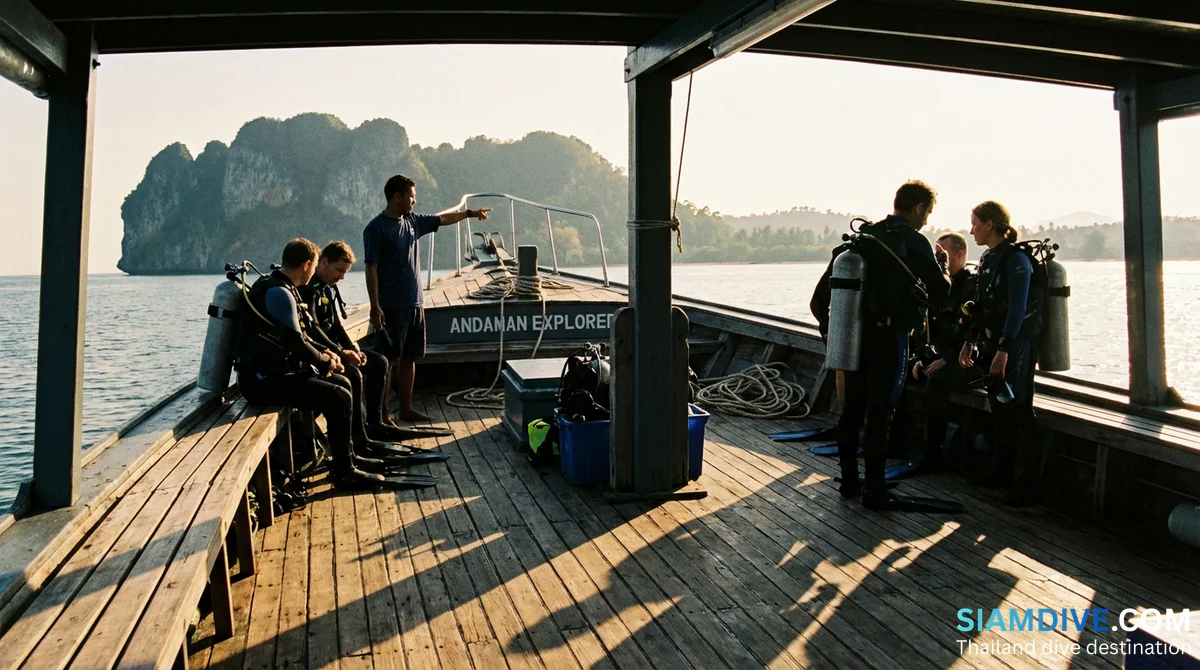
Most Pattaya day trips revolve around the islands west of the city — Koh Larn, Koh Sak, Koh Krok, and Koh Phai. The boat ride from Bali Hai Pier takes 30 to 60 minutes depending on which sites you book. Reef depths sit between 5 and 18 metres, with gently sloping coral plates broken up by sandy patches and the occasional rock pinnacle.

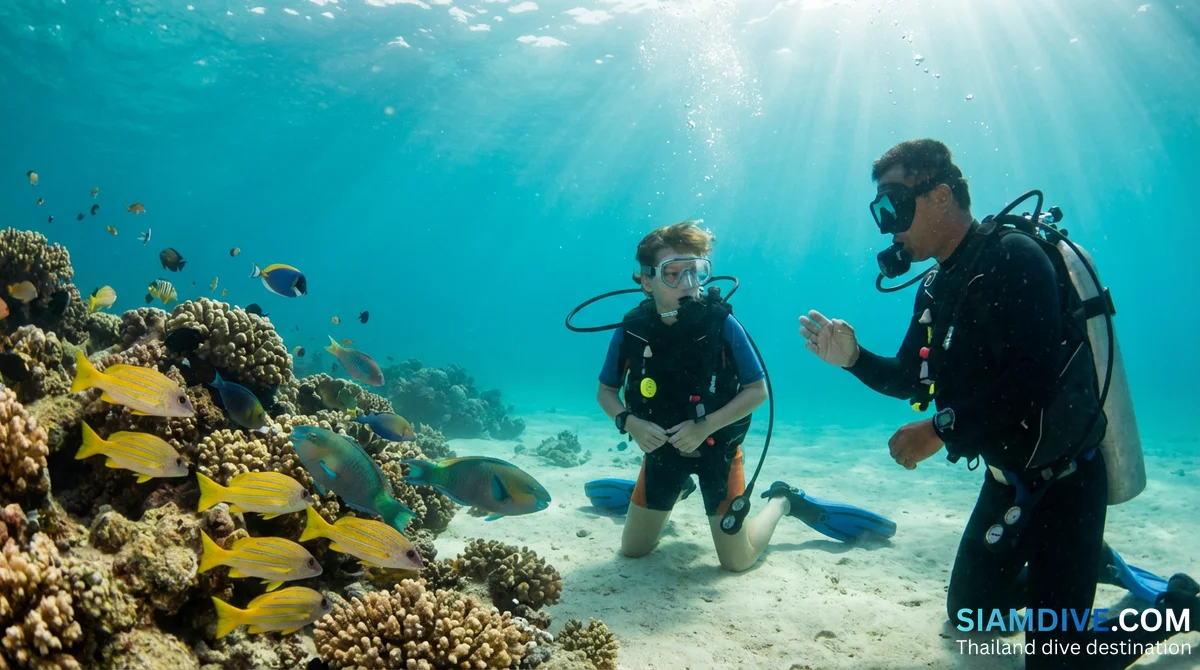
Koh Sak and Koh Krok are the closest and the busiest — fine for warm-up dives and Discover Scuba groups. Koh Larn's southern coves at Hat Nuan and Tien Beach are quieter, with healthier hard coral cover. Koh Phai sits about 12 kilometres further out and tends to deliver the better visibility on the same day, which is why most operators schedule it as the second dive of a two-tank trip.

The Wrecks: HTMS Khram and HTMS Kut

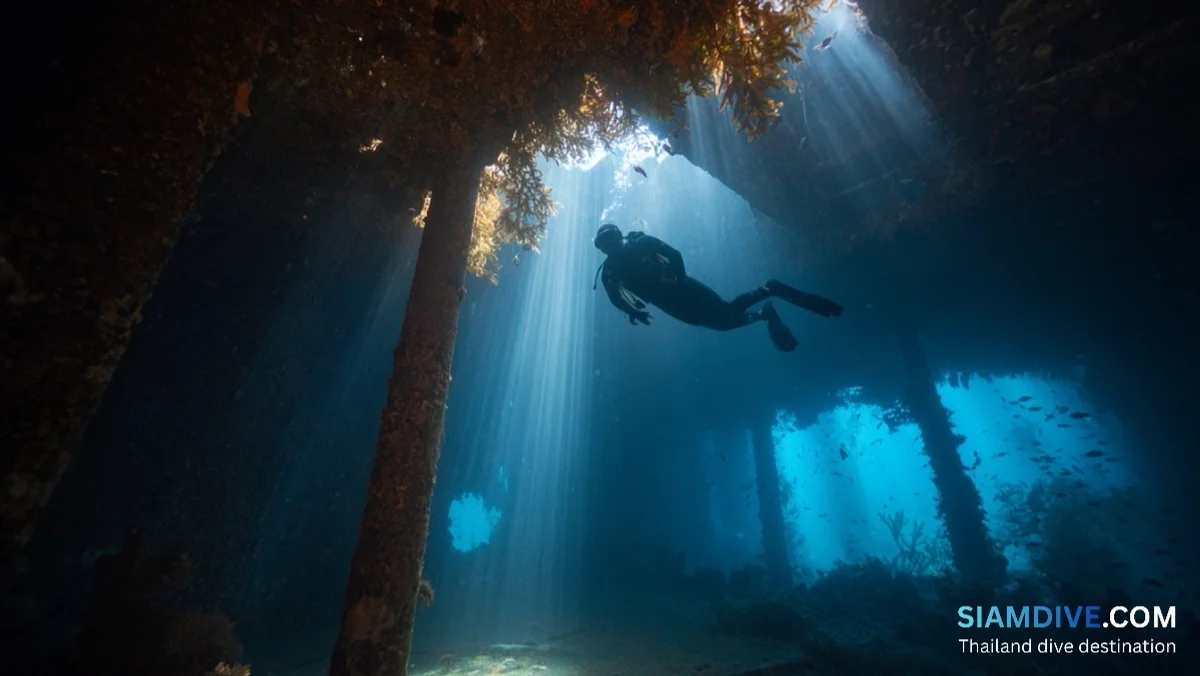
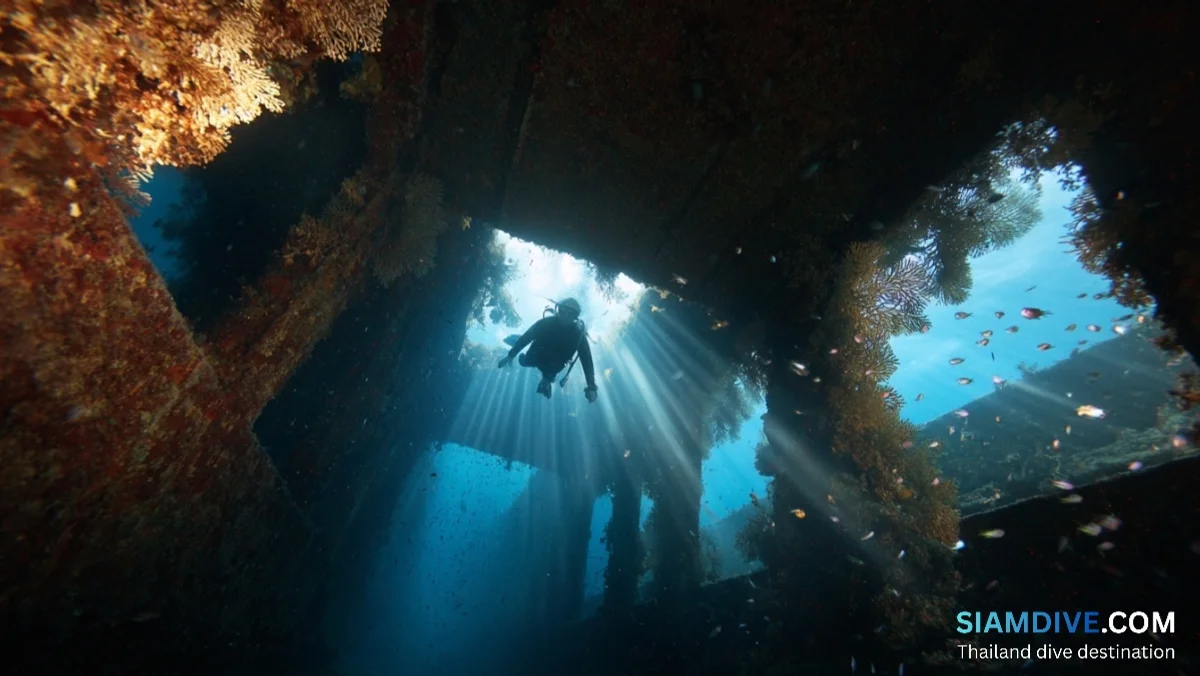
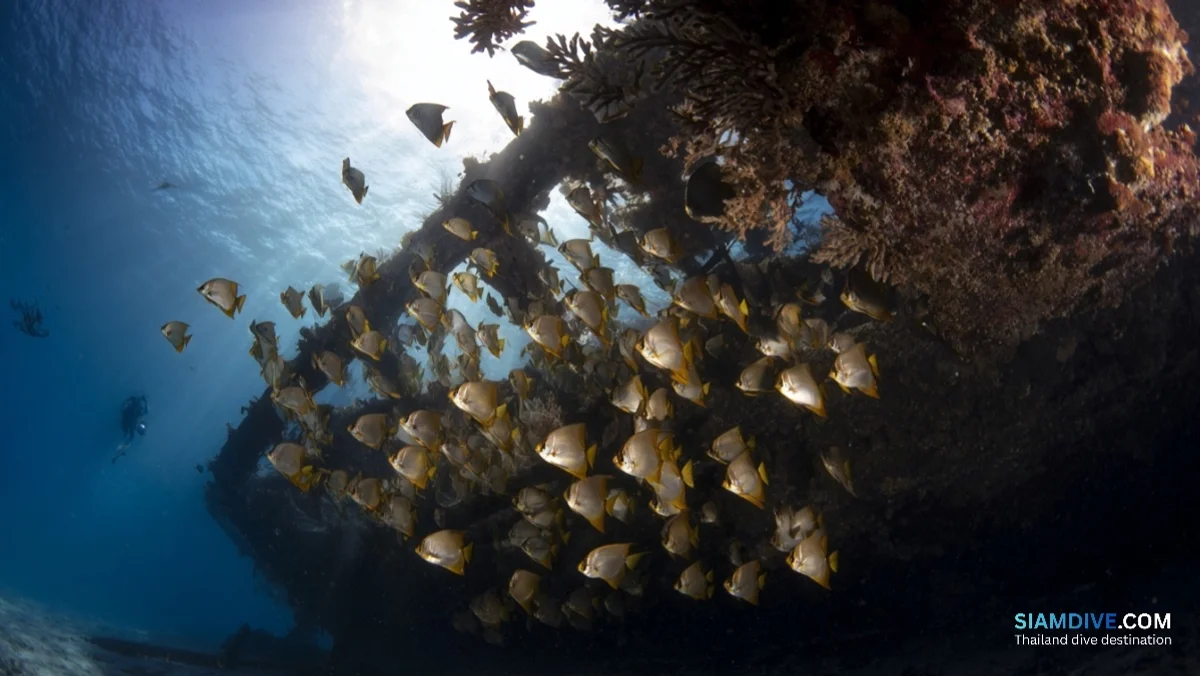
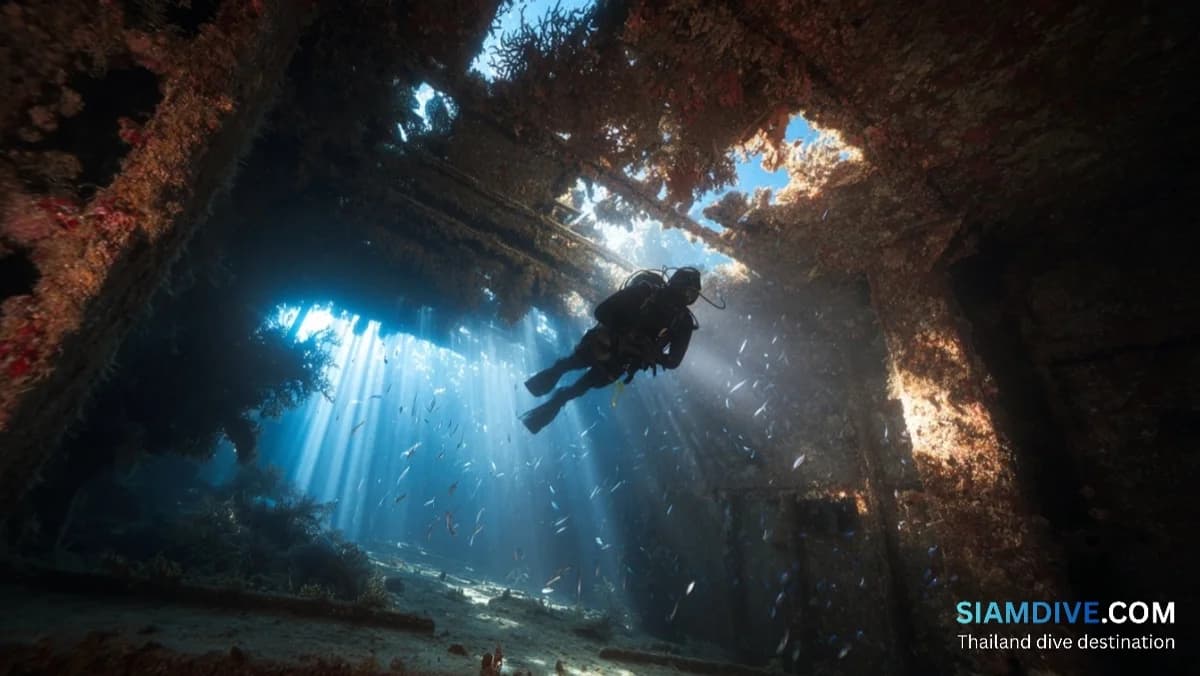
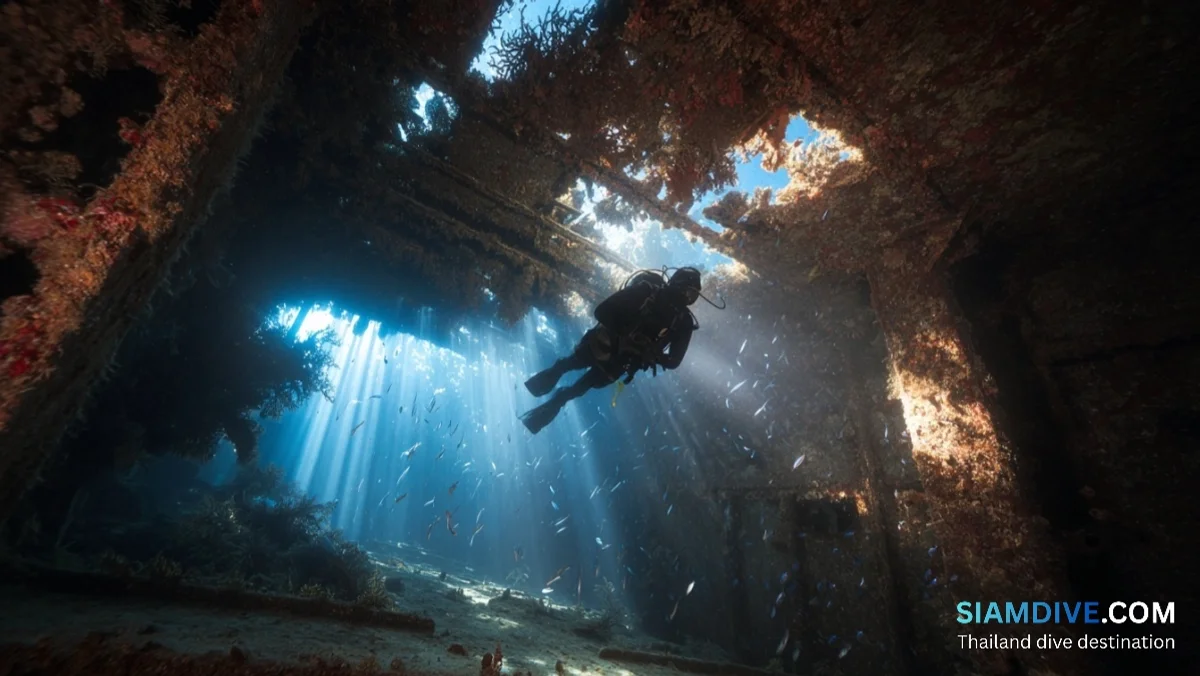
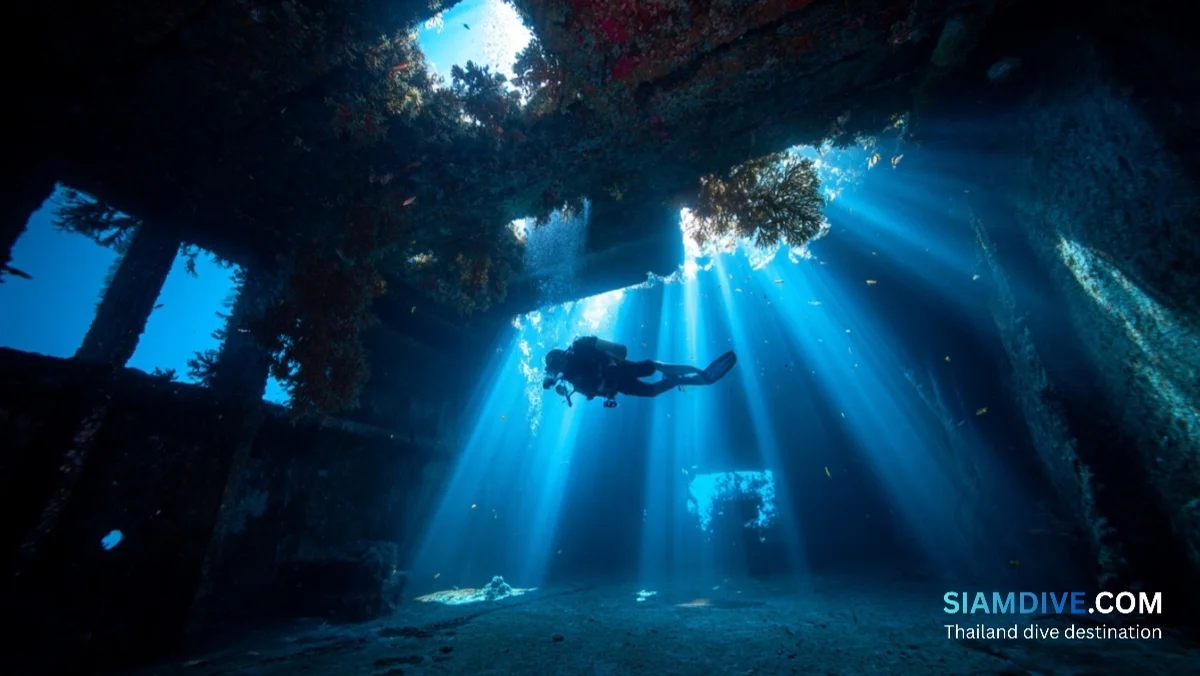
HTMS Khram is the headline act. She's a 56-metre former US Navy LSM-469 transferred to the Royal Thai Navy in 1962, then sunk intentionally in January 2003 about 300 metres east of Koh Phai as Thailand's first artificial reef. The deck sits at 24 metres and the sand at 28–30 metres. Pre-cut access holes make penetration possible for divers with the right training, and after twenty-plus years on the bottom she's well coated in soft coral and resident fish.

HTMS Kut (sometimes spelled Khood) is the easier sister wreck — another 56-metre LSM, sunk in 2006 close to Koh Sak. Top deck around 18 metres, bottom at 25–30 metres. Because it's the closest wreck to Pattaya Beach, it gets more traffic, and you'll often see it paired with a Koh Sak reef dive on a half-day trip.

Both wrecks sit upright on sandy bottoms. Penetration on either is do-able for an Advanced Open Water diver with a guide, but the formal recommendation for any swim-through beyond the first compartment is a Wreck Specialty card.

What You'll Actually See Underwater

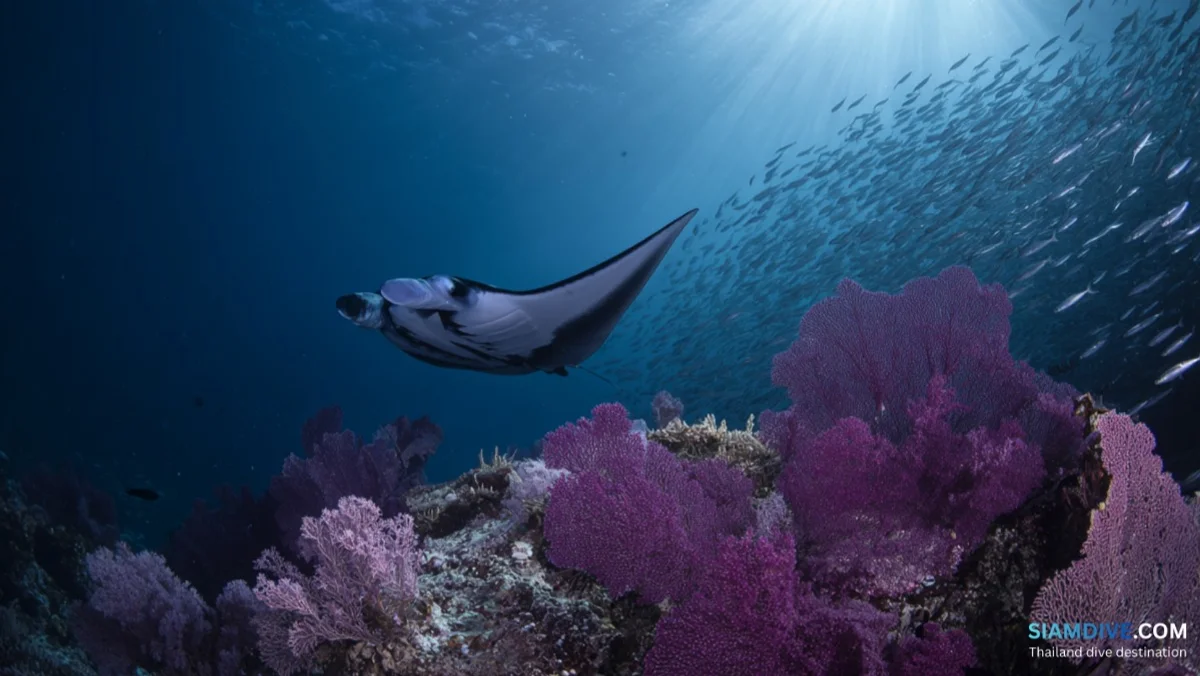
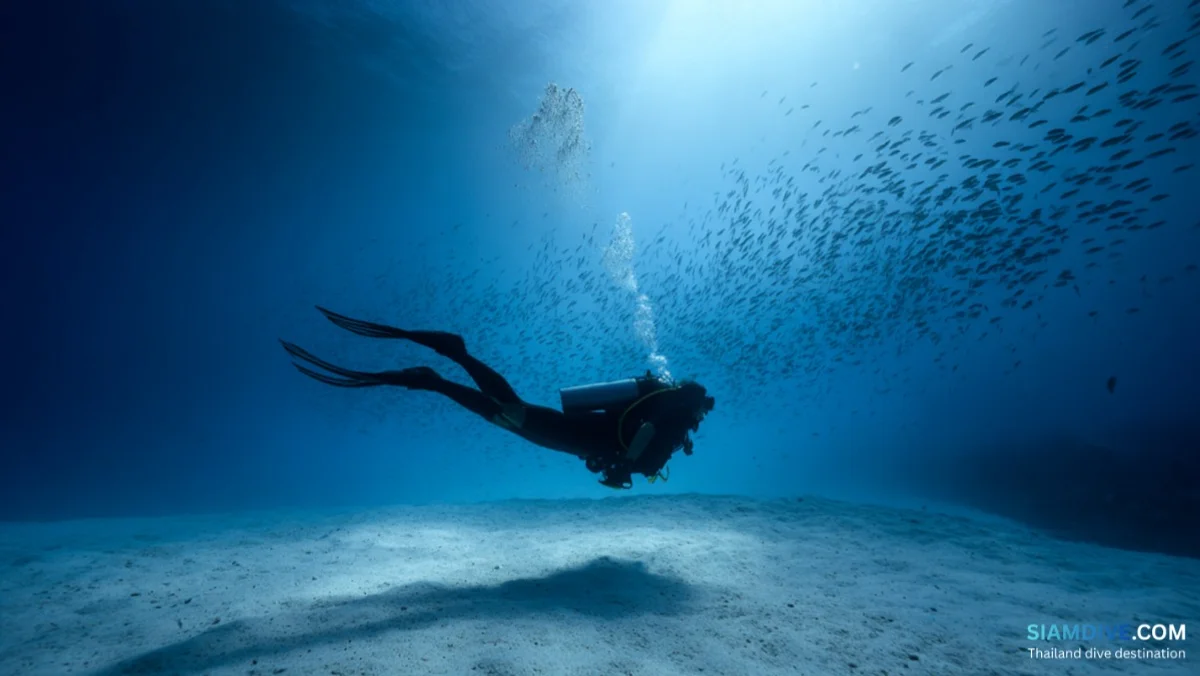
Pattaya is not a megafauna destination. What it does well is small life and reef fish in numbers. On a typical Koh Larn cluster dive expect:

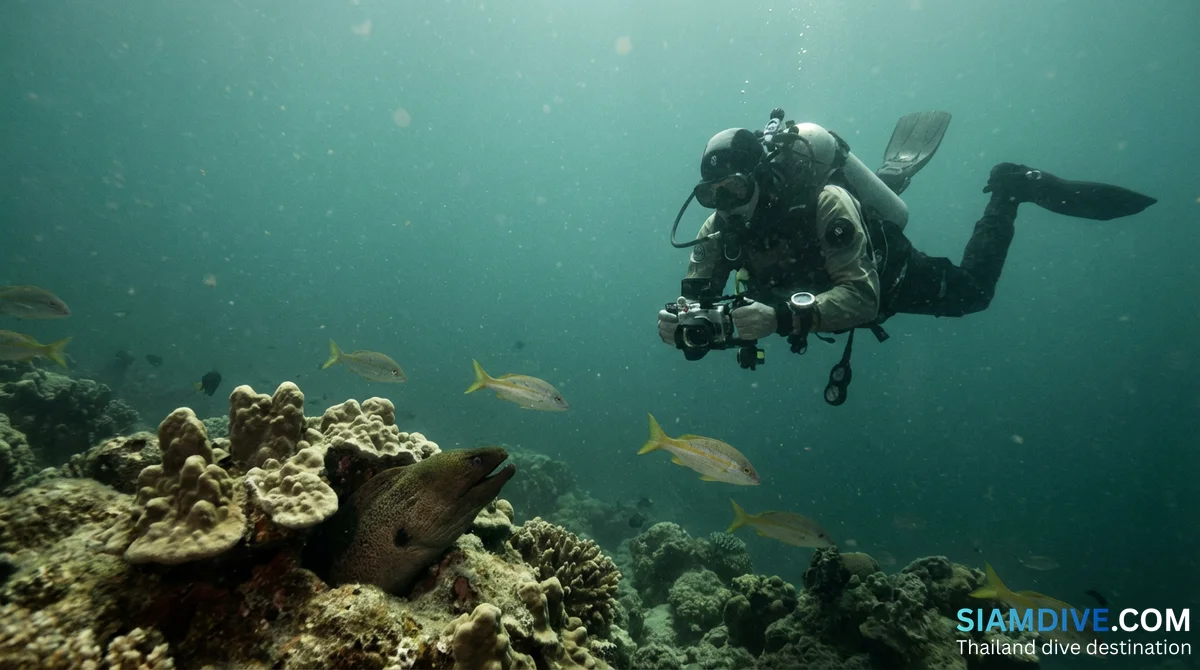
  • Macro life — nudibranchs, porcelain crabs, shrimps, scorpionfish, and the occasional stonefish tucked into the rocks
  • Reef fish — angelfish, sergeant majors, butterflyfish, sweetlips, and schools of fusiliers passing over the corals
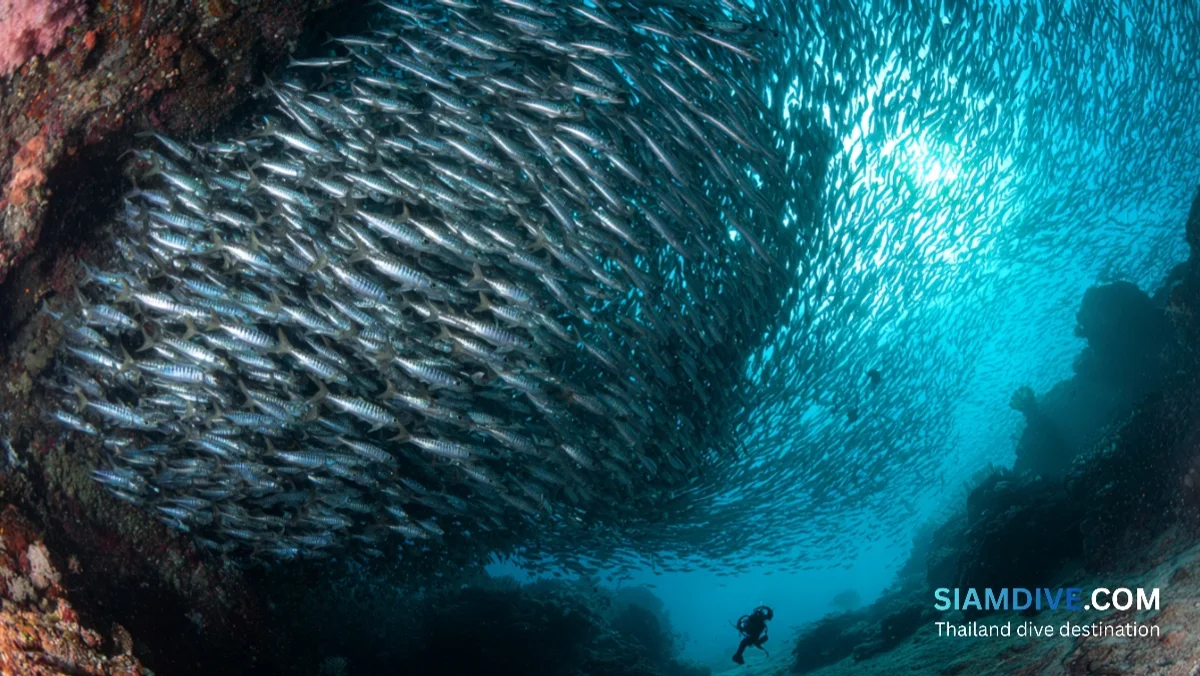
  • Wreck residents — barracuda hovering above the deck, batfish drifting in the shadows, lionfish in the gun towers
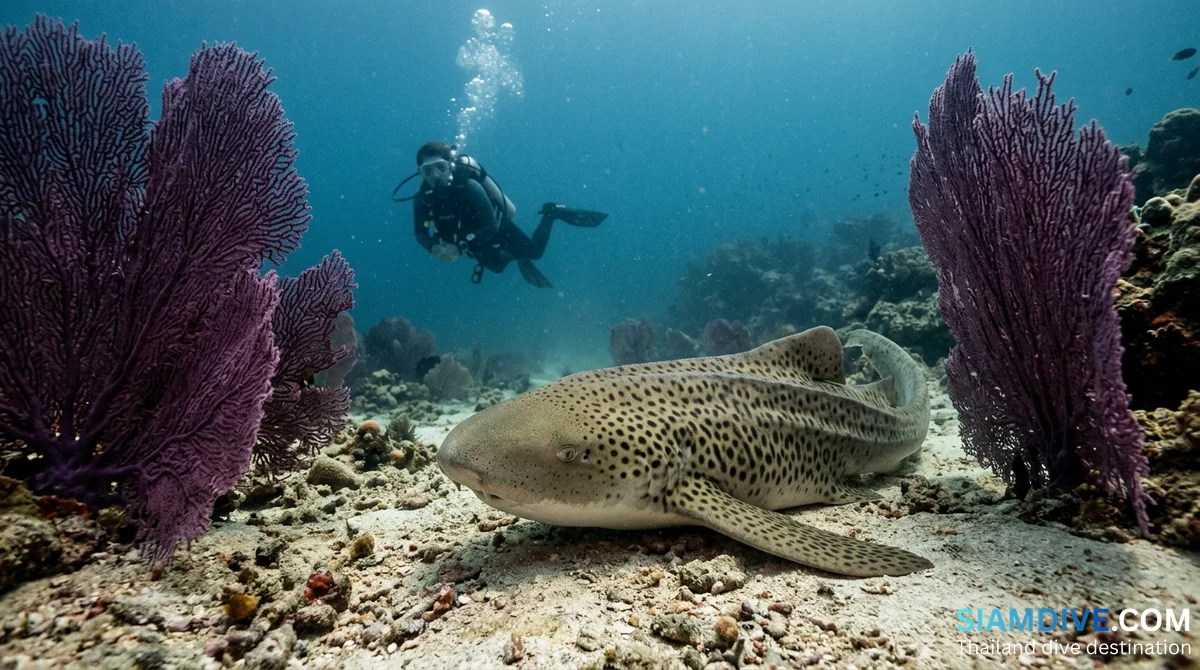
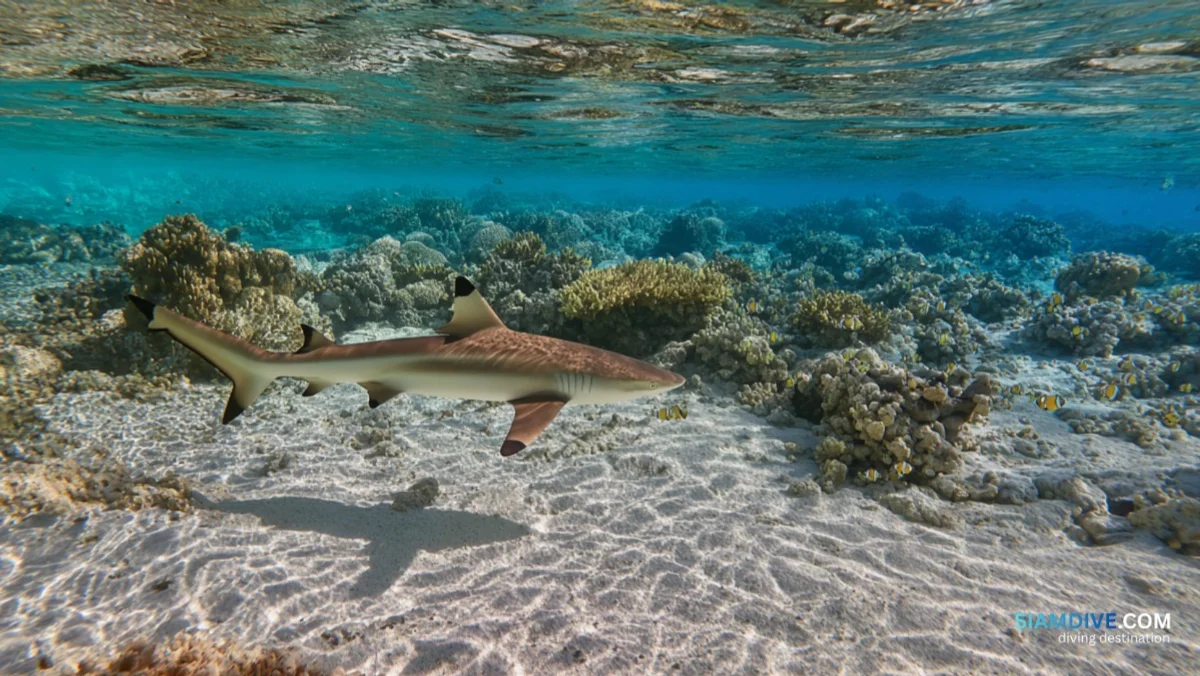
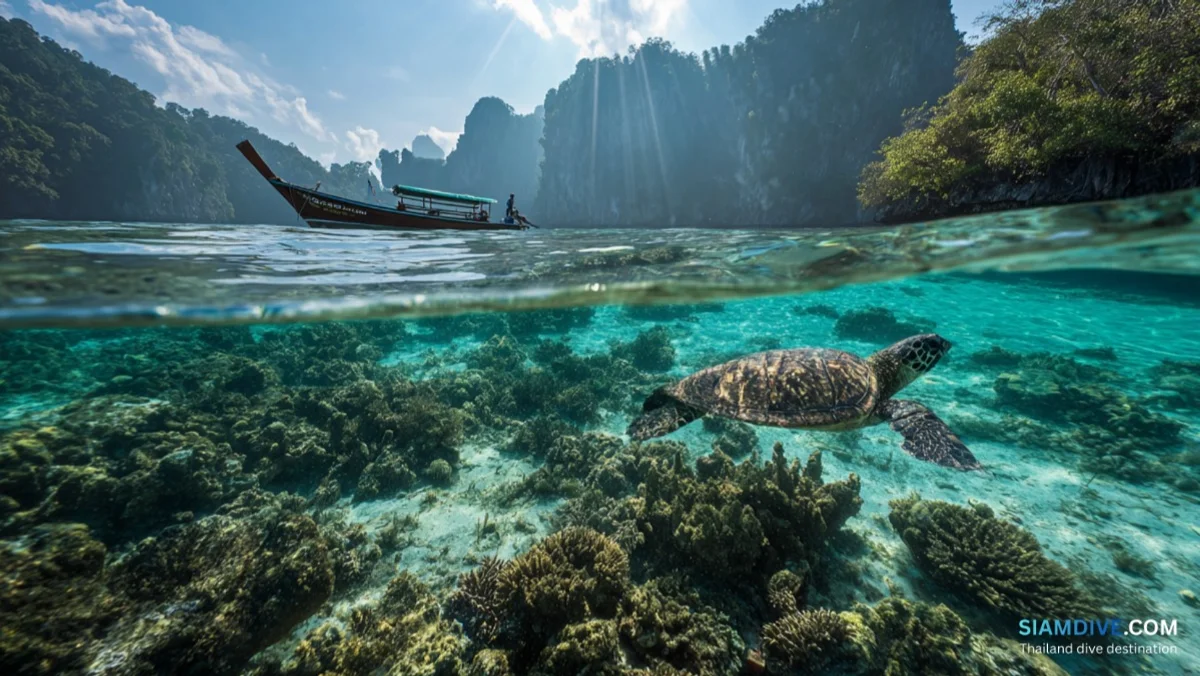
  • Lucky sightings — green and hawksbill turtles, blue-spotted stingrays on the sand, and on a very good day a passing blacktip reef shark

This is a destination for divers who enjoy looking closely. Bring a torch and a macro lens and you'll have a lot more fun than someone scanning the blue for big stuff.

Best Season and Visibility You Can Expect

Pattaya dives year-round, but the conditions change a lot. November through April is the dry season — calmer surface, less rain, and visibility usually in the 8–15 metre range. May through October is the southwest monsoon and you should expect 5–10 metres on most days, with occasional cancellations when the wind picks up. Water temperature stays in the 27–30°C band all year, so a 3 mm wetsuit or shorty is plenty.

If you're planning a single trip, target a calm-weather window between December and March. If you're a regular diver, the monsoon months are actually fine for the wrecks, which sit deeper and don't get stirred up the way the shallow reefs do.

Getting from Bangkok — Bus, Van, Taxi or Driving

You have four options, ranked from cheapest to fastest:

  • Bus — 120–250 THB from Ekkamai (Eastern Bus Terminal) or Mo Chit. Departures every 30–60 minutes, journey around 2.5–3 hours. Drops you at Pattaya North Bus Terminal, then 100 THB on a songthaew to Beach Road.
  • Minivan — 150–270 THB from Ekkamai, faster than the bus at around 2.5 hours and drops you closer to the centre.
  • Driving — 1 hour 55 minutes via Motorway 7. Tolls run about 105 THB. Petrol for a return trip in a small car is roughly 600–950 THB. The fastest non-taxi option.
  • Taxi or Grab — 1,500–2,300 THB one way. Convenient if you're carrying gear, less convenient for your wallet.

If you want to dive at 9:00 AM you need to be at the dive shop by 7:30 AM, which means leaving Bangkok before 5:30 AM. Most regular divers solve this by either driving themselves or sleeping in Pattaya the night before.

Day-Trip Costs and Which Shops to Book

Standard pricing for a two-dive day trip with a certified diver runs 2,700–3,300 THB at the established centres. That usually includes boat, tanks, weights, lunch, and dive insurance. Full equipment rental is typically an extra 300–500 THB if you don't have your own gear. Discover Scuba (no certification needed) sits at 3,500–4,000 THB.

The PADI 5-star centres on Beach Road and Sai Nuan run their own boats and have decades of operating history — Pattaya Dive Centre, Mermaids Dive Centre, Seafari, and Adventure Divers are the names you'll see on most certification cards. For wreck-focused trips, ask specifically whether HTMS Khram is on the schedule that day, because not every boat runs to Koh Phai.

Final Thoughts

Pattaya isn't the dive trip you take to impress people. It's the dive trip you take when you live in Bangkok and you want to actually use your certification more than twice a year. Two hours in a car, two dives in the water, and you're back home — that's a good deal nobody from the Andaman side can match.

Ready to plan your day? Browse dive trips and shops on siamdive.com to find a Pattaya operator that matches your level and your schedule.
← กลับไปหน้า Blog

Gallery

Pattaya Diving from Bangkok: Wrecks & Reefs Just 2 Hours Away — image 1Pattaya Diving from Bangkok: Wrecks & Reefs Just 2 Hours Away — image 2Pattaya Diving from Bangkok: Wrecks & Reefs Just 2 Hours Away — image 3Pattaya Diving from Bangkok: Wrecks & Reefs Just 2 Hours Away — image 4

บทความแนะนำ

Mergui Archipelago Liveaboard from Thailand: The Untouched Andaman

Mergui Archipelago Liveaboard from Thailand: The Untouched Andaman

The Mergui Archipelago is Asia's last frontier liveaboard — 800 islands, manta rays, whale sharks, almost no other boats. Everything you need to plan a trip from Ranong.

The Pre-Dive Buddy Check Most Scuba Divers Skip

The Pre-Dive Buddy Check Most Scuba Divers Skip

Half of all scuba accidents could be prevented by a five-minute BWRAF buddy check. Here's why experienced divers skip it and how to do it right.

Hin Daeng & Hin Muang Liveaboard: Thailand's Wildest Walls

Hin Daeng & Hin Muang Liveaboard: Thailand's Wildest Walls

Hin Daeng and Hin Muang are Thailand's deepest soft coral walls — manta rays, whale sharks, and serious current. Here's how to dive them by liveaboard.

Japanese Gardens Koh Tao Diving Guide: The Island's Easiest Great Reef

Japanese Gardens Koh Tao Diving Guide: The Island's Easiest Great Reef

Japanese Gardens is Koh Tao's most-used training site, but it's more than that. Shallow coral, hidden swim-throughs, and the island's most reliable dive.

Southwest Pinnacle Koh Tao Diving Guide: The Gulf's Best Big-Fish Site

Southwest Pinnacle Koh Tao Diving Guide: The Gulf's Best Big-Fish Site

Southwest Pinnacle is Koh Tao's seven-pinnacle offshore site. Whale sharks, dogtooth tuna, and giant groupers — here's how to dive it and when.

Koh Ngam Noi Diving Guide: Chumphon's Smaller Sister Island

Koh Ngam Noi Diving Guide: Chumphon's Smaller Sister Island

Koh Ngam Noi is the shallow Chumphon reef where Open Water divers actually relax. Coral gardens, the HTMS Prab wreck nearby, and barely any crowds.

How to Start Scuba Diving: A Complete Beginner's Guide

How to Start Scuba Diving: A Complete Beginner's Guide

Ready to try scuba diving but don't know where to begin? This step-by-step guide covers everything from choosing a course to your first ocean dive.

Nitrox Diving Guide: Benefits, Risks & MOD Explained

Nitrox Diving Guide: Benefits, Risks & MOD Explained

Master Enriched Air Nitrox diving — understand MOD calculations, oxygen toxicity risks, EAN32 vs EAN36, and how Nitrox extends your bottom time safely.

The Junkyard Koh Tao Diving Guide: The Island's Quirkiest Artificial Reef

The Junkyard Koh Tao Diving Guide: The Island's Quirkiest Artificial Reef

The Junkyard off Mae Haad is Koh Tao's artificial reef built from recycled trash — toilets, bikes, and a thriving coral nursery with resident batfish and lionfish.

Green Rock Koh Tao Diving Guide: The Island's Best Swim-Through Site

Green Rock Koh Tao Diving Guide: The Island's Best Swim-Through Site

Green Rock off Koh Nang Yuan offers Koh Tao's best boulder maze, The Chimney swim-through, dense macro life and advanced training — here's everything divers need.

7 Reasons Thailand Is the Best Place to Scuba Dive

7 Reasons Thailand Is the Best Place to Scuba Dive

Two coastlines, warm water year-round, whale sharks for the price of a nice dinner — here's why more divers choose Thailand than almost anywhere else on earth.

Sail Rock Diving Guide: The Gulf of Thailand's Best Pinnacle

Sail Rock Diving Guide: The Gulf of Thailand's Best Pinnacle

Dive Sail Rock (Hin Bai) — the Gulf of Thailand's premier pinnacle with its famous chimney swim-through, whale shark sightings, and massive barracuda schools.

Tanote Bay Koh Tao Guide: Snorkeling, Diving, and Cliff Jumping

Tanote Bay Koh Tao Guide: Snorkeling, Diving, and Cliff Jumping

Tanote Bay on Koh Tao's east coast offers fringing reefs, a cliff jumping rock, and a sunken catamaran — the island's best all-in-one shore day.

HTMS Chang Koh Chang

HTMS Chang Koh Chang

Dive into the HTMS Chang wreck.

King Kong Pinnacle Koh Tao Diving Guide: The Island's Quietest Pinnacle

King Kong Pinnacle Koh Tao Diving Guide: The Island's Quietest Pinnacle

King Kong Pinnacle south of Koh Tao is the island's least-dived pinnacle — healthy reef, relaxed fish, and empty water for divers who want peace.

Andaman Sea vs Gulf of Thailand: Picking Your Dive Region

Andaman Sea vs Gulf of Thailand: Picking Your Dive Region

Compare Thailand's two dive coasts side by side — marine life, visibility, seasons, costs, and which region fits your experience level.

Koh Haa Diving Guide: Five Islands of Crystal Clear Water

Koh Haa Diving Guide: Five Islands of Crystal Clear Water

Dive Koh Haa's lagoon, Cathedral cave, and deep pinnacles from Koh Lanta. All-level sites with 20-30m visibility and rich marine life.

Sea Turtles in Thailand: Species Guide for Scuba Divers

Sea Turtles in Thailand: Species Guide for Scuba Divers

Meet hawksbill, green, and olive ridley turtles at Koh Tao, Similan Islands, and more. Species ID, dive sites, conservation, and photo tips.

Why Learn Scuba Diving? 8 Reasons to Get Certified

Why Learn Scuba Diving? 8 Reasons to Get Certified

Not sure if scuba diving is for you? Here are 8 real reasons why getting certified changes how you travel, stay fit, and see the world.

Discover the Avelo Scuba System: Revolutionizing Diving in Thailand

Discover the Avelo Scuba System: Revolutionizing Diving in Thailand

The Avelo Scuba System redefines buoyancy control with its innovative Hydrotank, offering lighter gear, stable neutrality, and longer dives perfect for Thailand's vibrant dive sites.

ทริปแนะนำ

Hug Ocean Boat
daytrip

Hug Ocean Boat

Discover Phuket's Andaman Sea aboard Hug Ocean — a luxury 3-deck dive yacht for 80 guests with a thrilling water slide, sun-soaked top deck, and PADI-certified diving at Racha Yai and Racha Noi.

Aquarian Liveaboard
liveaboard

Aquarian Liveaboard

MV Aquarian — striking 2021-built red steel liveaboard, 31.4 m × 7.5 m, max 28 guests in 14 cabins. Free unlimited Nitrox via Coltri Sub membranes, one of Thailand's largest dive platforms, and full premium-hotel comfort.

Issara Liveaboard
liveaboard

Issara Liveaboard

MV Issara — high-end Thai steel-hulled liveaboard built 2016–17, 28.5 m × 6.5 m, 4 decks, max 22 guests in 11 hotel-style cabins. Indoor saloon, jacuzzi sun deck, full-board buffet dining.

Mandarin Queen 5
daytrip

Mandarin Queen 5

Brand-new Phuket dive boat — 26.2 m M/V Mandarin Queen 5 with spacious dive platform, lounge and upper sun deck. Daily day trips to King Cruiser Wreck, Shark Point, Anemone Reef, Racha Yai and Racha Noi.