Thailand vs the World: Where Should You Get Scuba Certified?
16 เมษายน 2569
Compare scuba certification costs, conditions, and quality across Thailand, Honduras, Philippines, and more — and discover why Koh Tao certifies more divers than anywhere on Earth.
The Big Question Every Aspiring Diver Faces
You have decided to get your scuba certification. Congratulations — it is one of the best decisions you will ever make. But now comes the next question: where should you do it? A PADI or SSI Open Water course is the same curriculum worldwide, but the experience of earning that card varies wildly depending on location. The water temperature, visibility, marine life, cost, and even the vibe of your dive class all change based on where you choose to learn. Some people get certified in murky lakes back home for convenience. Others fly halfway around the world for warm, crystal-clear water. This guide breaks down the real differences — costs, conditions, and trade-offs — so you can pick the destination that fits your budget, schedule, and dream first dive.
Why Thailand Dominates Scuba Certification
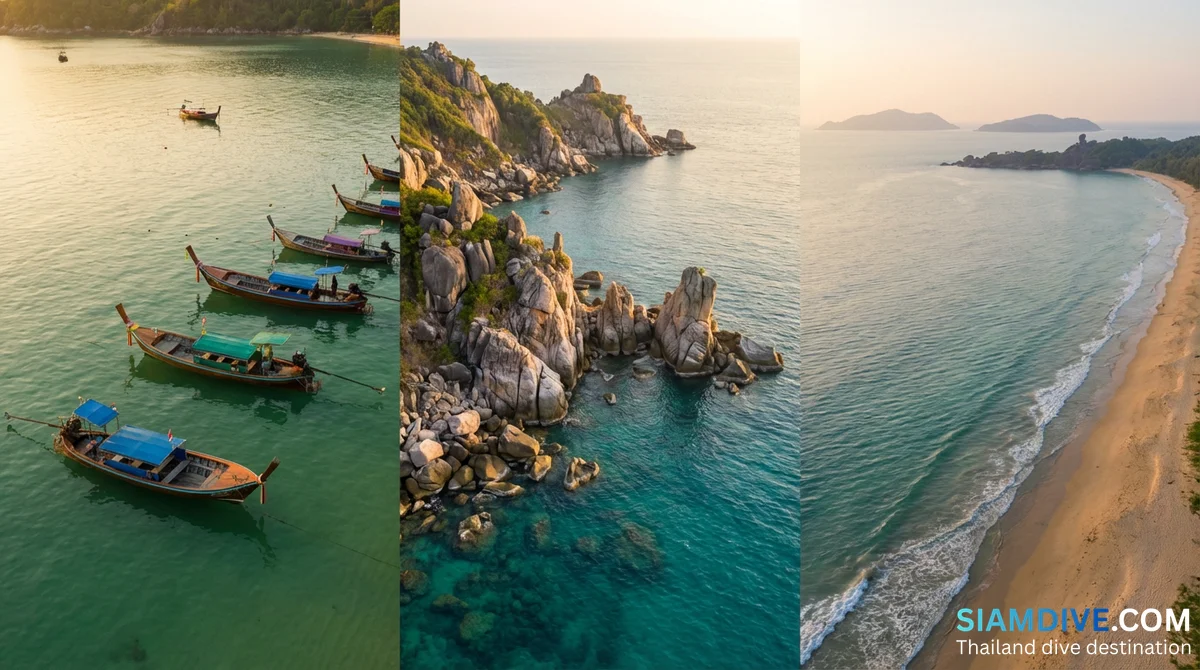
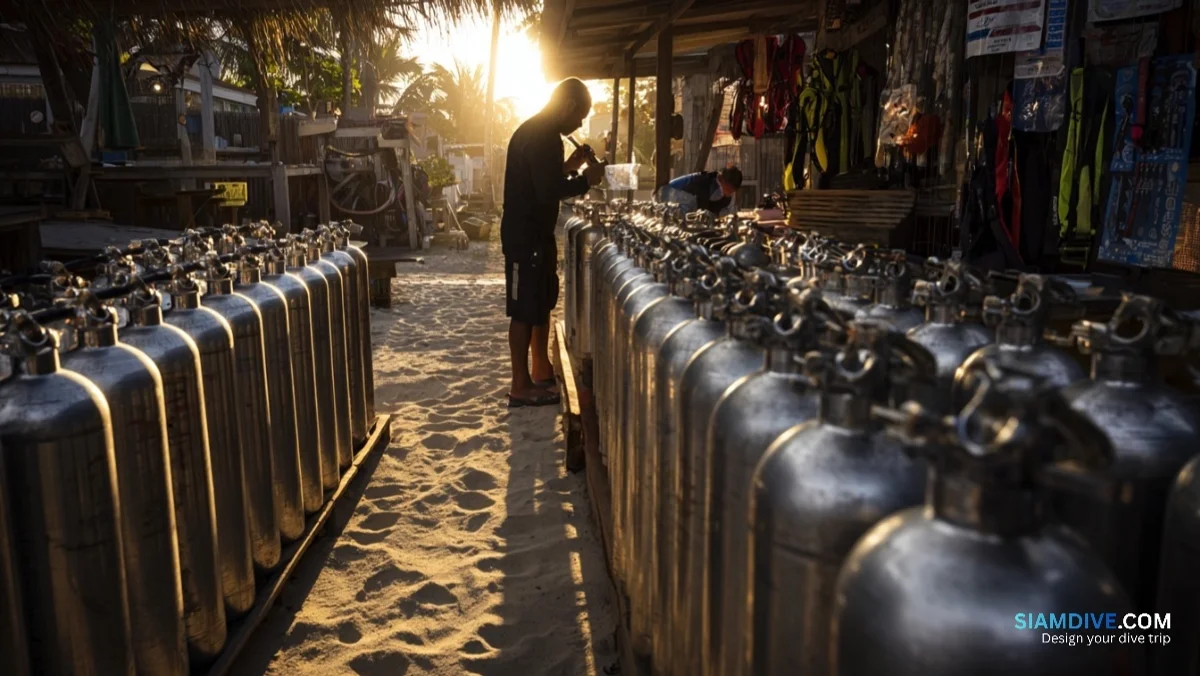
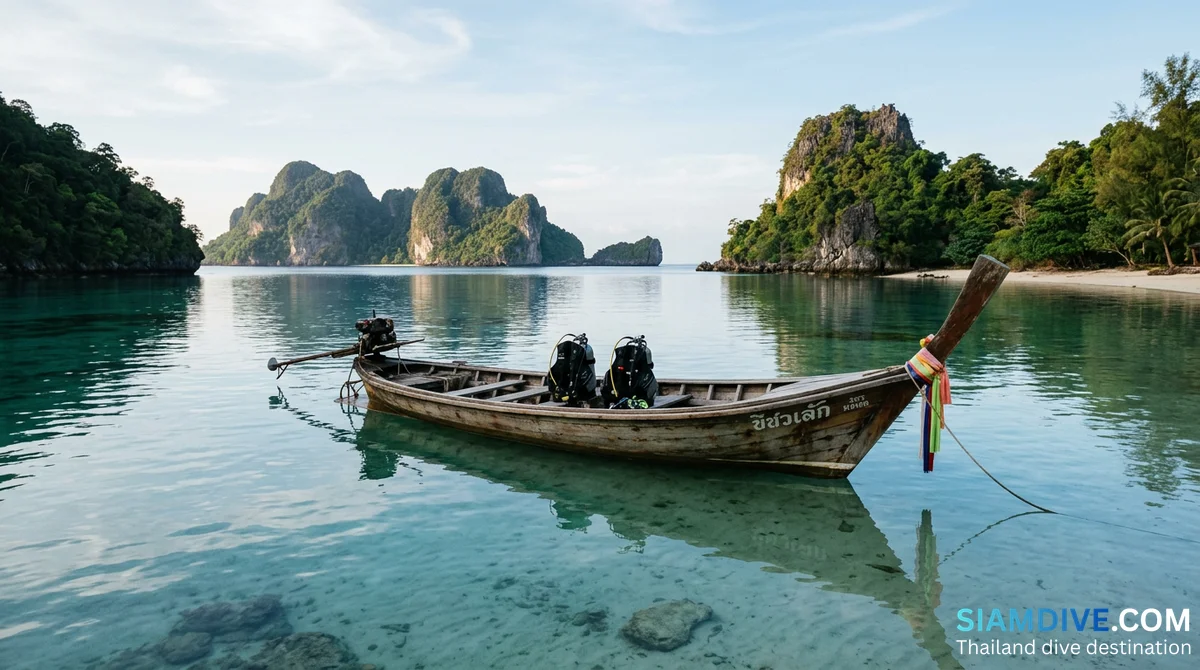
Thailand, and specifically Koh Tao, has earned its reputation as the scuba certification capital of the world. More PADI certifications are issued on this tiny Gulf of Thailand island than anywhere else on the planet. The reasons are straightforward: a PADI Open Water course on Koh Tao costs between 9,500 and 12,000 THB (roughly $270–$340 USD), including all equipment, certification fees, and typically 3-4 days of training. Compare that to $450–$600 USD in Australia, $500–$700 in the United States, or $400–$550 in Europe. But price is only part of the story. Koh Tao offers warm water year-round (28-30°C), decent visibility averaging 10-20 meters, and more than 30 dive sites within a short boat ride. The island has over 50 dive schools competing for students, which keeps quality high and prices low. After your course, you walk out onto the beach, grab a 100-baht pad thai, and plan your next dive — the total immersion experience is hard to beat.
The Global Price Breakdown
Let us compare what an Open Water certification costs around the world. These prices include equipment rental and certification fees unless noted:
- Koh Tao, Thailand: $270–$340 USD (9,500–12,000 THB). The global benchmark for affordable certification. Warm water, short boat rides, high competition among schools.
- Phuket, Thailand: $290–$380 USD (10,000–13,500 THB). Slightly pricier than Koh Tao but with access to Andaman Sea sites and day trips to the Phi Phi Islands and Shark Point.
- Utila, Honduras: $299–$349 USD. Often includes basic accommodation. Utila competes directly with Koh Tao as the cheapest place to certify, with Caribbean reef systems and excellent visibility.
- Bohol, Philippines: $250–$350 USD. Incredibly affordable with warm water and rich marine biodiversity. Less tourist infrastructure than Koh Tao but excellent value.
- Gili Trawangan, Indonesia: $300–$400 USD. Warm, clear water and a backpacker-friendly atmosphere. Sea turtles are nearly guaranteed during training dives.
- Cairns, Australia: $415–$600 USD. Great Barrier Reef access but significantly more expensive. Cold-water alternatives in southern Australia are cheaper but less appealing for beginners.
- Florida, USA: $450–$700 USD. Convenient for Americans but pricier, and spring/quarry training is common before ocean dives.
- Red Sea, Egypt: $300–$450 USD. Outstanding visibility (30+ meters) and warm water. Hurghada and Dahab are popular budget options.
The pattern is clear: Southeast Asia and Central America offer the best value, with Thailand consistently ranking at or near the top for the combination of price, quality, and experience.
Beyond Price: What Actually Matters When Choosing
Cost matters, but it should not be the only factor. Here is what experienced divers wish they had considered before their first course:
- Water temperature: Learning in cold water is miserable. A thick wetsuit restricts movement, makes skills harder, and distracts from the experience. Tropical destinations (Thailand, Philippines, Honduras, Indonesia) keep water above 27°C year-round, so you train in a thin 3mm shorty or even just a rash guard.
- Visibility: If you cannot see your instructor clearly, learning is harder and less enjoyable. Quarry and lake certifications in temperate countries often have 3-5 meter visibility. Thailand averages 10-20 meters; the Red Sea can exceed 30 meters. Better visibility means better learning.
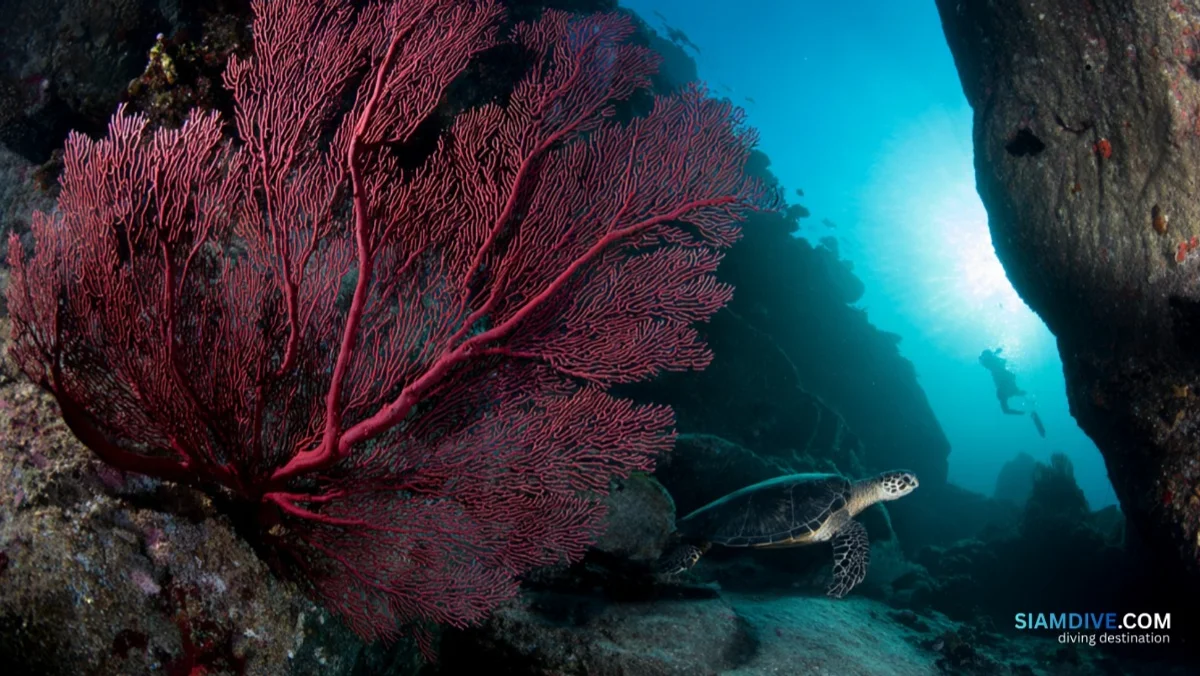
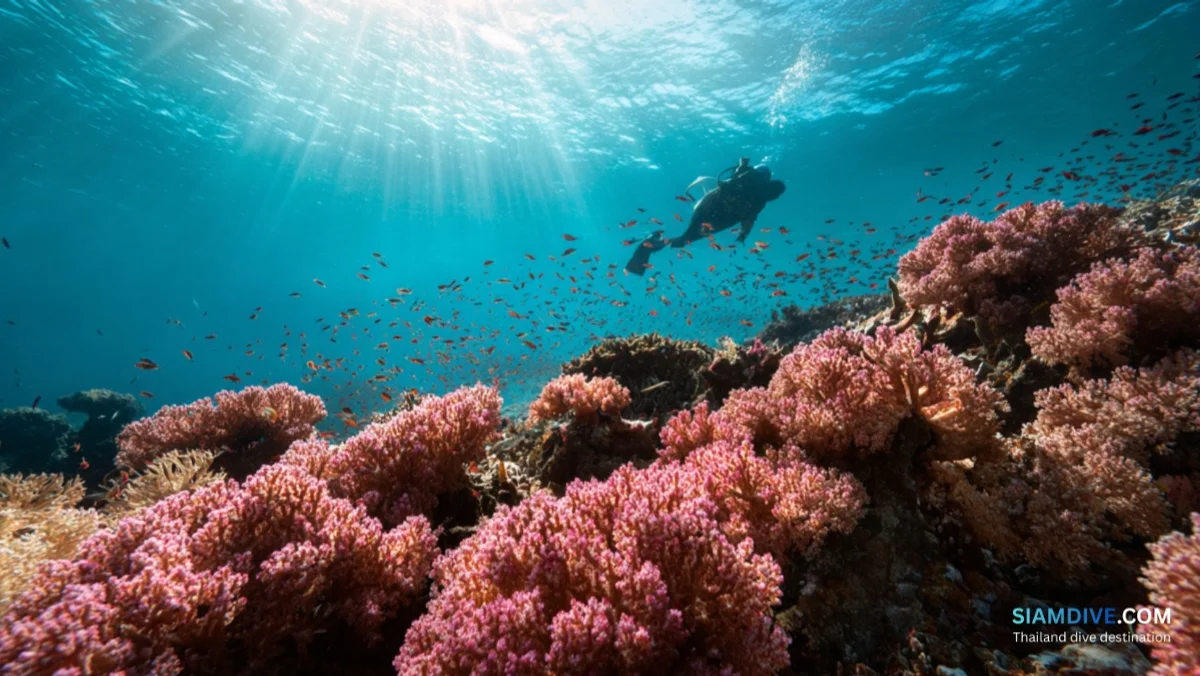
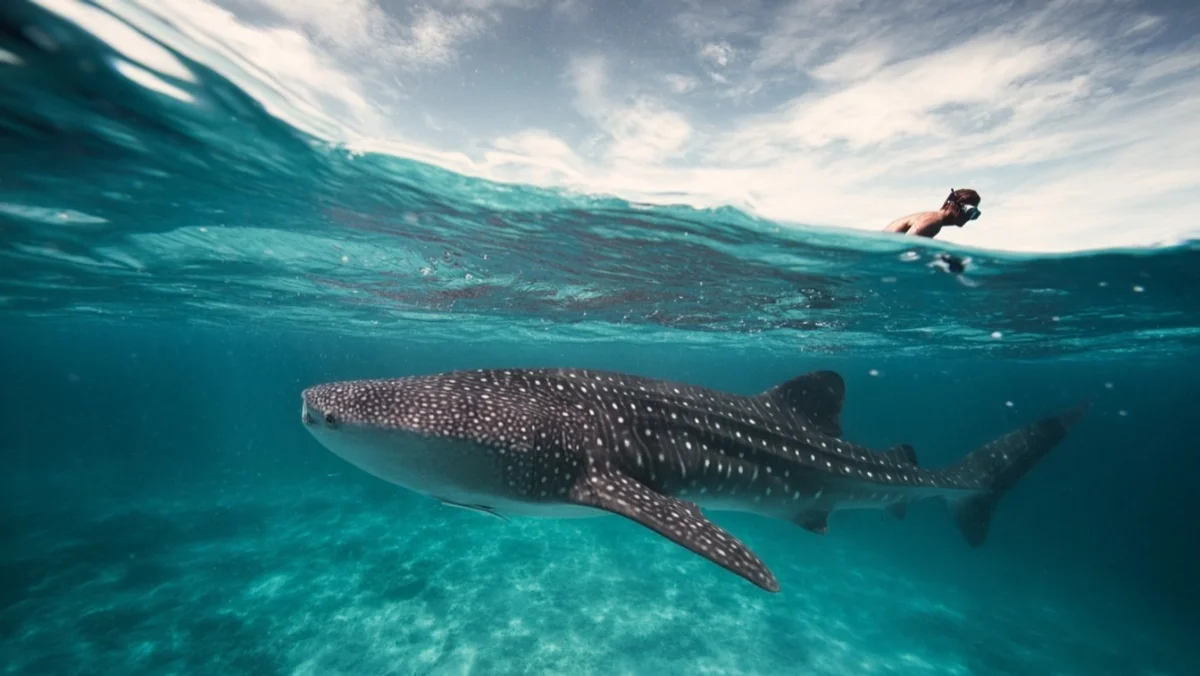
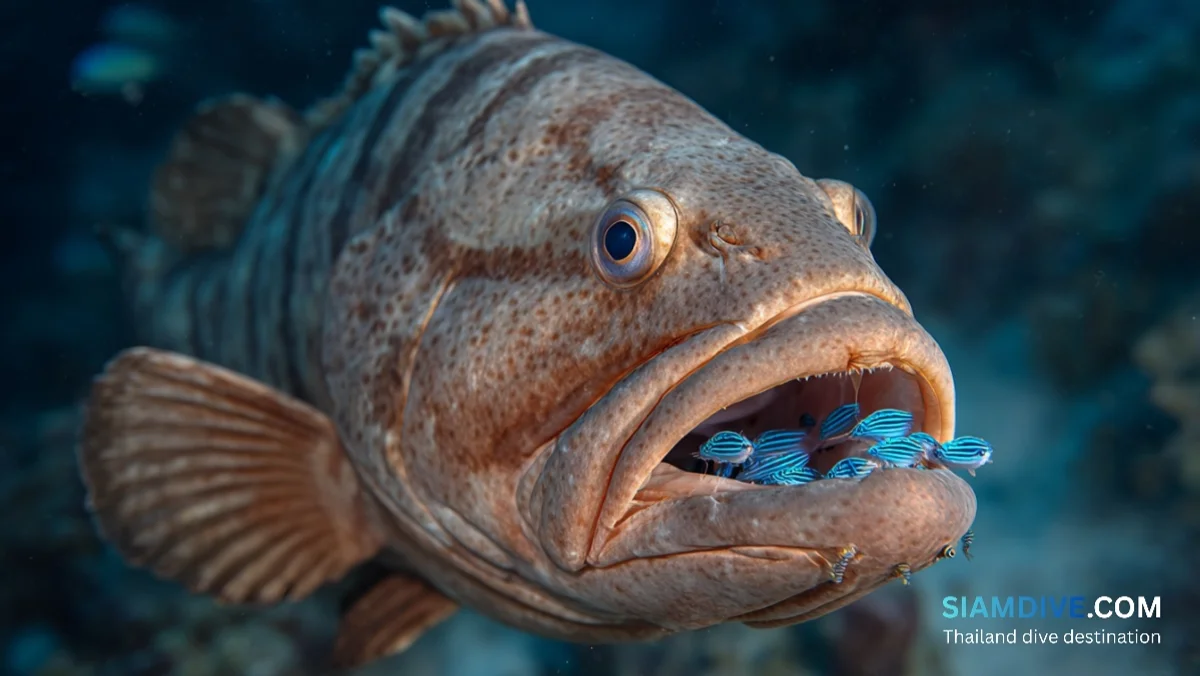
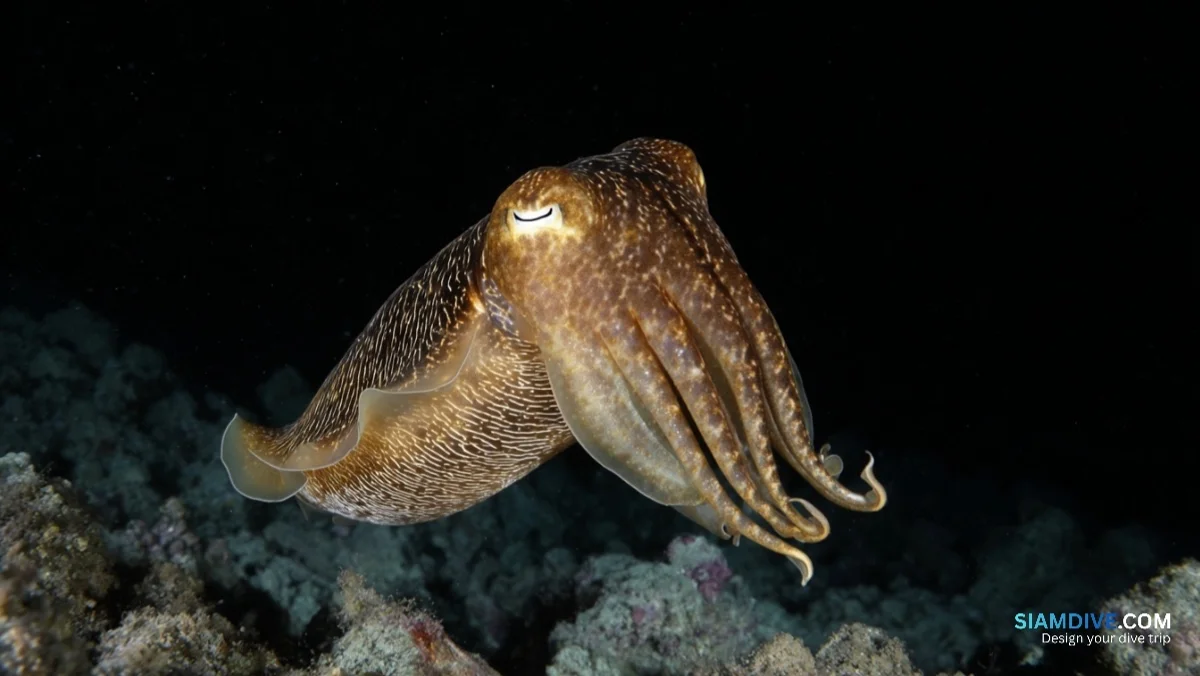
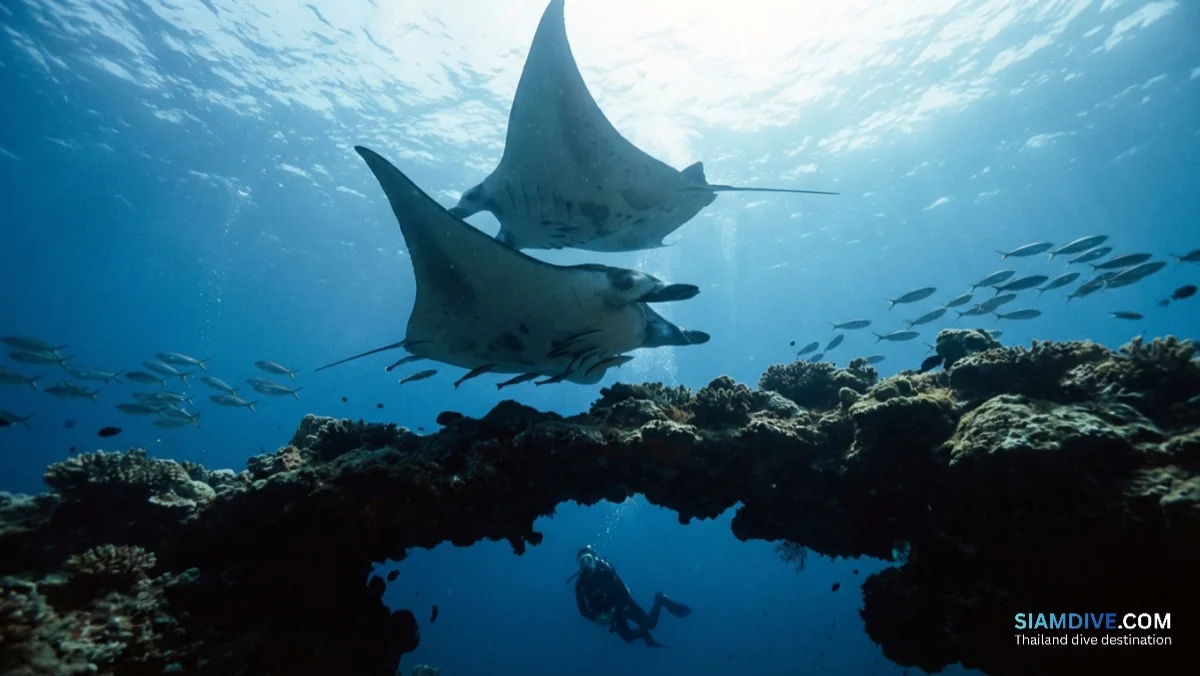
- Marine life during training: Seeing a sea turtle or a clownfish during your certification dives transforms the experience from a skills test into an adventure. Tropical destinations deliver this naturally; temperate lakes do not.
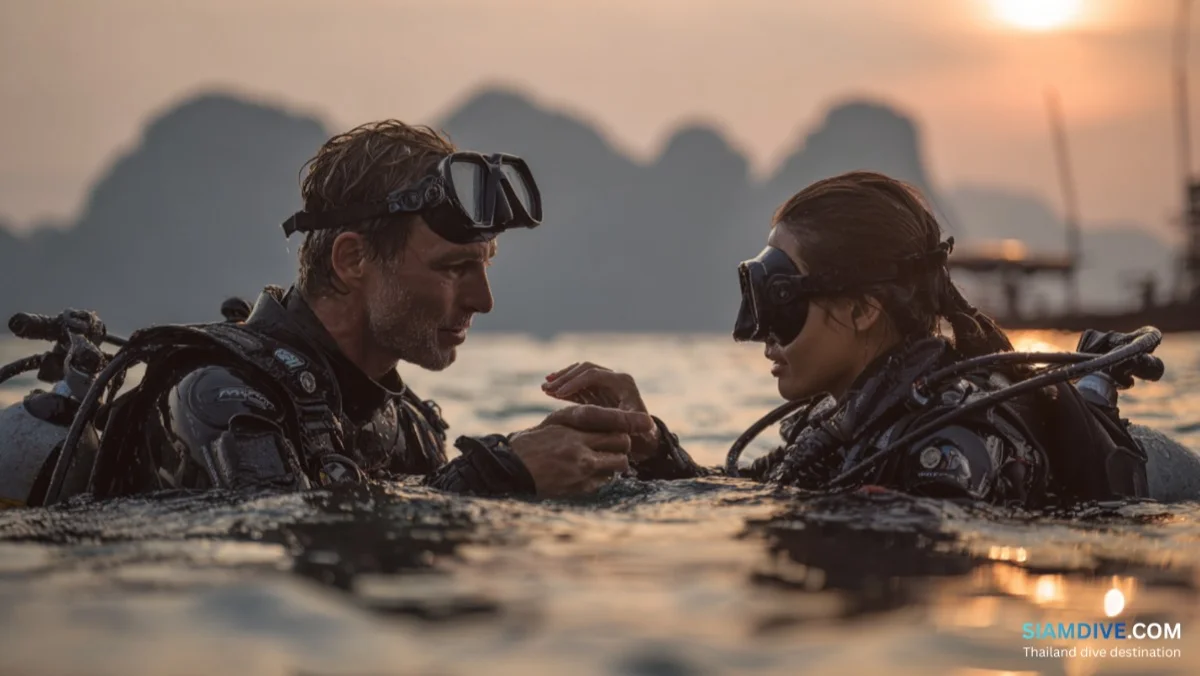
- Instructor ratio: Smaller groups mean more attention. In Thailand, competitive pressure means most schools cap groups at 4-6 students per instructor. In some budget operations elsewhere, ratios can be 8-10:1.
- Post-certification diving: Where will you dive after your course? Getting certified somewhere with great fun diving means you can immediately put your skills to use on world-class sites without booking another trip.
Thailand's Hidden Advantage: The Full Package
What truly sets Thailand apart is not just the certification itself — it is everything around it. Consider the total trip cost:
- Accommodation: A clean guesthouse on Koh Tao runs 300–600 THB/night ($8–$17). In Cairns, budget accommodation starts at $30–$50 AUD. In Florida, even a basic motel is $80+ USD.
- Food: Street food in Thailand costs 40–80 THB ($1–$2) per meal. You can eat well for $10/day. In Western countries, budget $30–$50/day minimum.
- Flights: If you are coming from Asia, flights to Thailand are cheap. From Europe or North America, Thailand is farther but the savings on the ground easily offset the airfare.
- Continuation diving: After your Open Water, fun dives on Koh Tao cost 900–1,000 THB per dive ($25–$28). A 10-dive package drops to around 700 THB/dive ($20). In Australia, expect $70–$100+ AUD per dive.
A full week on Koh Tao — including Open Water certification, accommodation, food, and a couple of extra fun dives — can cost under $500 USD total. Try matching that anywhere in the Western world.
Koh Tao vs Phuket: Thailand's Internal Rivalry
If you have decided on Thailand, the next choice is usually between Koh Tao and Phuket. Here is the honest comparison:
- Koh Tao: Cheaper courses, more dive schools, backpacker atmosphere, easy island lifestyle, Gulf of Thailand sites. Best for: budget-conscious travelers, solo travelers, people who want a dive-community experience.
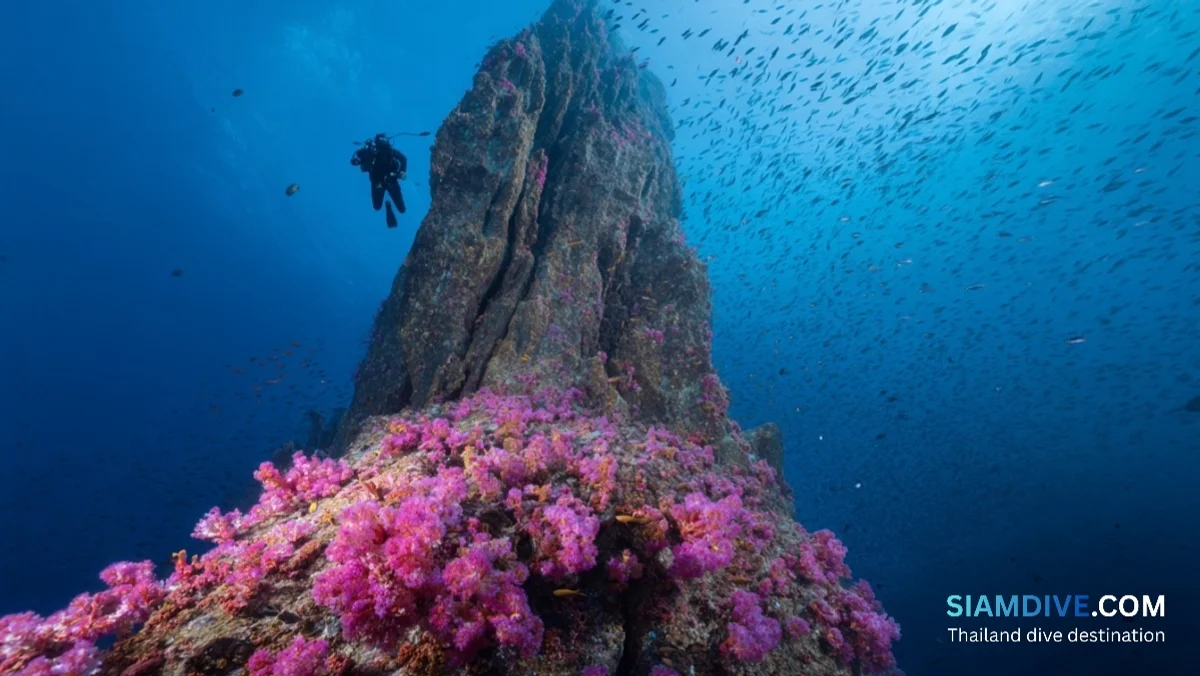
- Phuket: Slightly more expensive, access to Andaman Sea (better coral, more variety), easier to reach by direct flights, more upscale options available. Day trips to Phi Phi and Shark Point. Best for: families, couples, anyone wanting to combine diving with a broader Thai holiday.
Both are excellent choices. Koh Tao wins on price and dive culture; Phuket wins on accessibility and marine diversity.
Common Myths About Learning to Dive Abroad
Some people hesitate to get certified overseas. Let us address the most common concerns:
- "Standards are lower in cheap countries" — False. PADI and SSI curricula are identical worldwide. Instructors must pass the same exams and meet the same teaching standards regardless of location. Thailand's high volume actually means instructors are extremely experienced — many have taught thousands of students.
- "My certification won't be recognized back home" — False. A PADI or SSI card from Thailand is accepted at every dive shop on Earth. There is no regional restriction.
- "I should learn in conditions similar to where I'll dive" — Partially true, but learning in warm, clear water builds confidence and solid fundamentals. You can always do a refresher or orientation dive when you visit a new environment.
- "It's unsafe to dive in developing countries" — Thailand's dive industry is mature, well-regulated, and has an excellent safety record. Koh Tao's recompression chamber, SSS Network, handles emergencies professionally. Safety depends on the individual dive school, not the country.
Final Verdict: Where Should You Get Certified?
If you want the best combination of price, warm water, quality instruction, marine life, and post-certification diving opportunities, Thailand — especially Koh Tao — is extremely hard to beat. Honduras (Utila) and the Philippines (Bohol) are close competitors on price, but Thailand's infrastructure, instructor experience, and sheer volume of dive sites give it an edge. Egypt's Red Sea wins on visibility, and Australia wins on prestige reef access, but both cost significantly more. The bottom line: there is no wrong place to learn to dive, but some places make the experience cheaper, warmer, and more unforgettable. Thailand happens to check all three boxes. Start your scuba journey and compare dive schools at siamdive.com.