HTMS Prab 741 Wreck Diving Guide: Chumphon's Quiet Artificial Reef
11 เมษายน 2569
HTMS Prab 741 is the small WWII landing craft sunk south of Koh Ngam Noi in 2011. Open Water depth, intact hull, and almost no other divers — here's how to dive it.
The Easier Wreck Most Divers Skip for the Bigger One
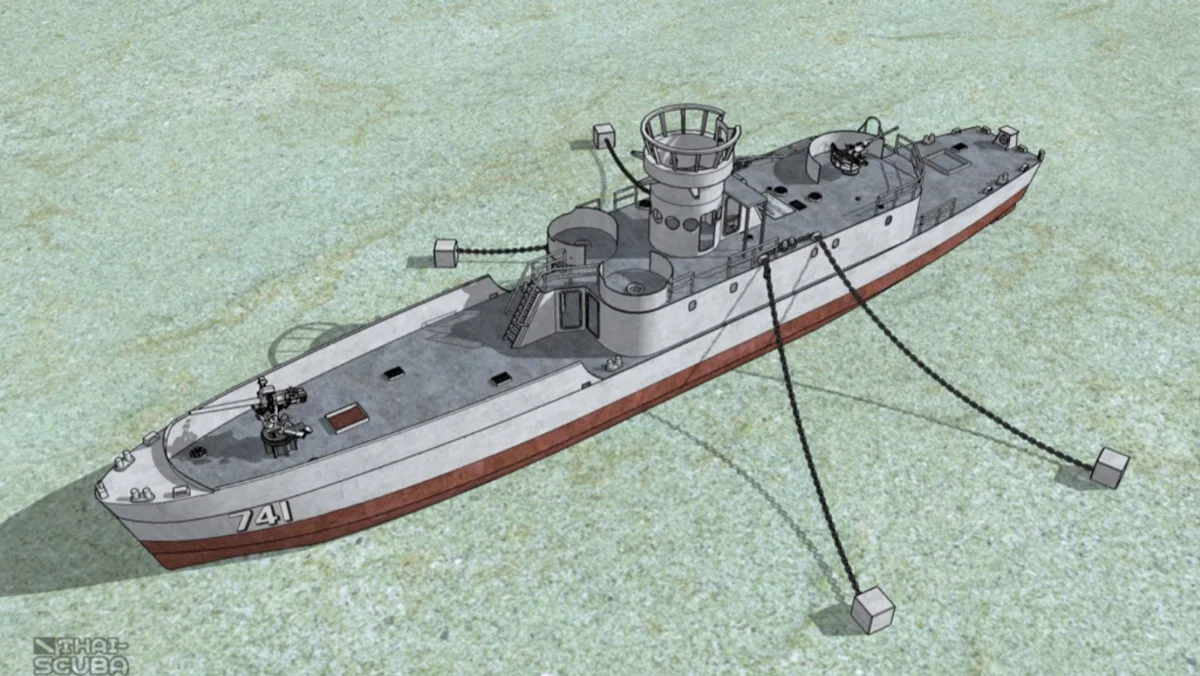
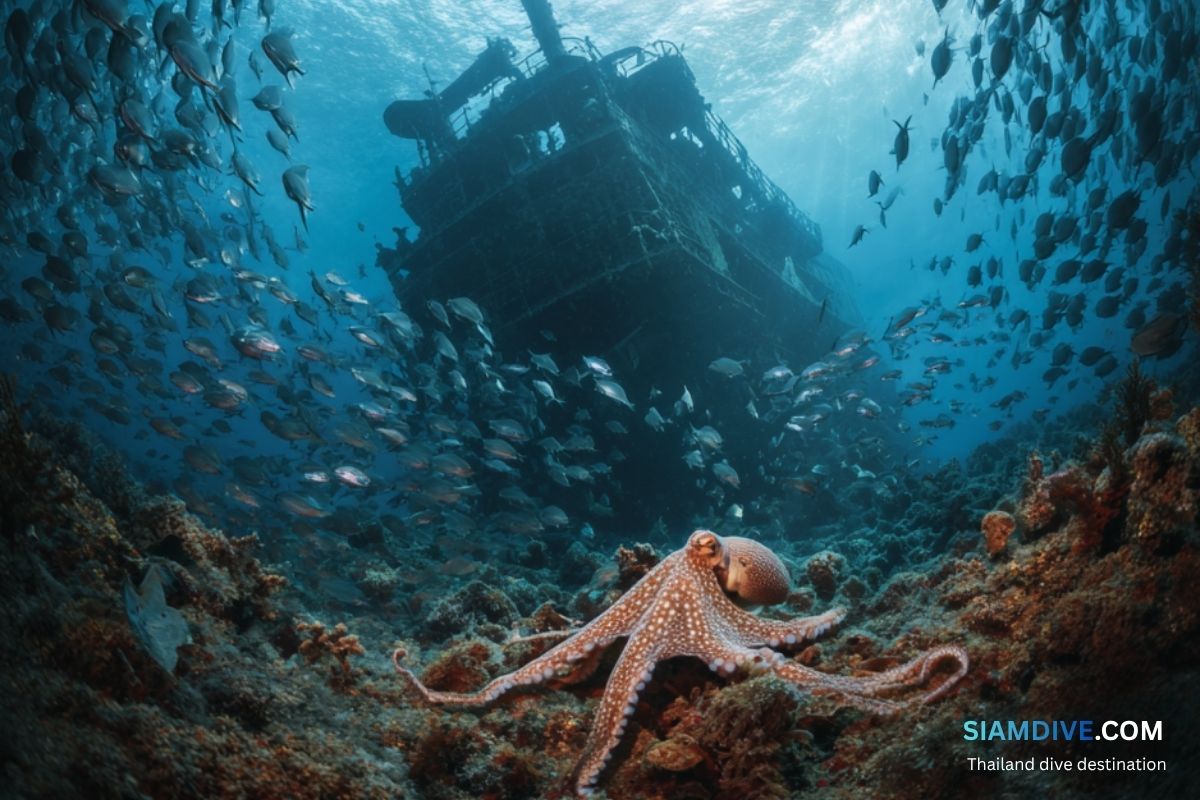
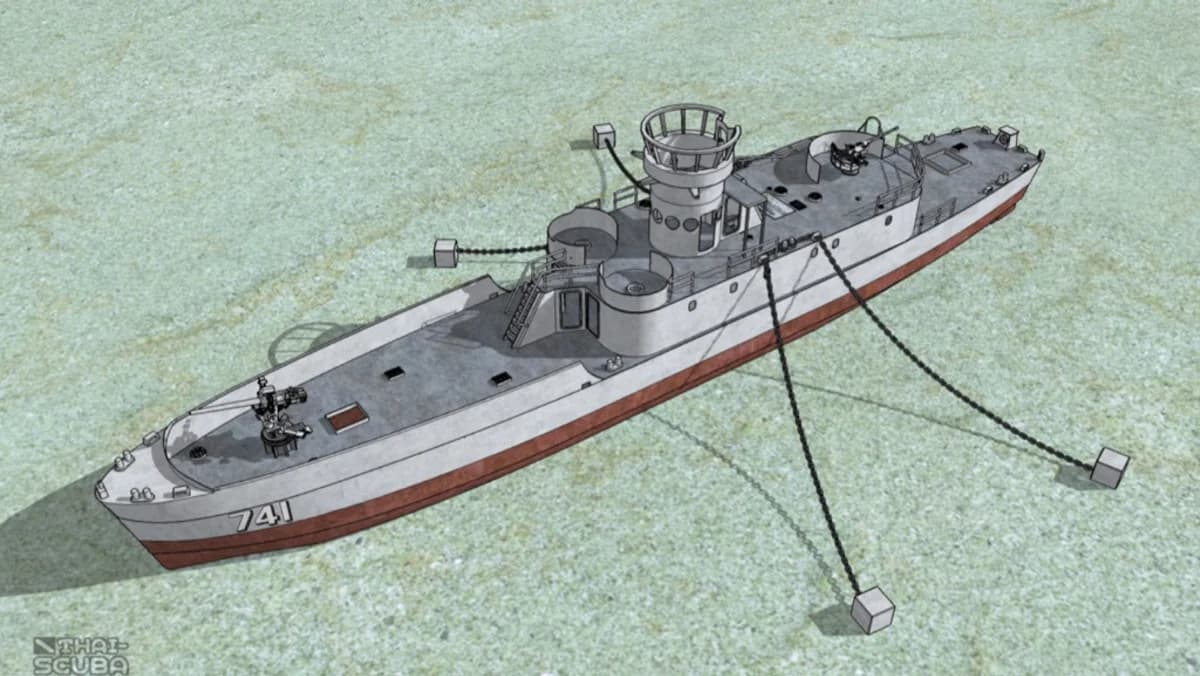
HTMS Prab 741 is a small WWII-era US landing craft sitting on a sand bottom south of Koh Ngam Noi in Chumphon. It was sunk on purpose in 2011 to create an artificial reef and quietly dropped onto the marine park map. The deck sits at around 18 meters and the bottom of the hull touches sand at 23 meters. That makes it one of the few wreck dives in Thailand a freshly certified Open Water diver can actually do without holding back.
Most wreck-curious divers in Thailand chase the bigger names — the HTMS Sattakut at Koh Tao, the HTMS Chang at Koh Chang — and the Prab gets overlooked because it is smaller and harder to reach from a major dive hub. That is exactly why it stays good. The wreck is intact, the marine life has had over a decade to settle in, and on most days you have it to yourself.
The Backstory of the Wreck
The Prab 741 began life as a US landing ship, the kind of flat-bottomed craft that ran troops onto beaches in the Pacific theater of WWII. It was transferred to the Royal Thai Navy after the war and served for decades before being decommissioned. Instead of being scrapped, it was prepared for sinking — fuel removed, hatches sealed against fishing line snags, and openings cut for diver safety — and dropped into the sand bed south of Koh Ngam Noi as part of a Department of Marine and Coastal Resources artificial reef program.
Sinking date varies depending on the source you trust, but most local dive operators put it at 2011. By 2026 the steel has been underwater for fifteen years, and the wreck is well into the artificial reef life cycle: soft coral colonies on the upper deck, encrusting sponges along the hull, and a permanent population of resident fish that move in patterns you can almost predict.
What the Dive Looks Like
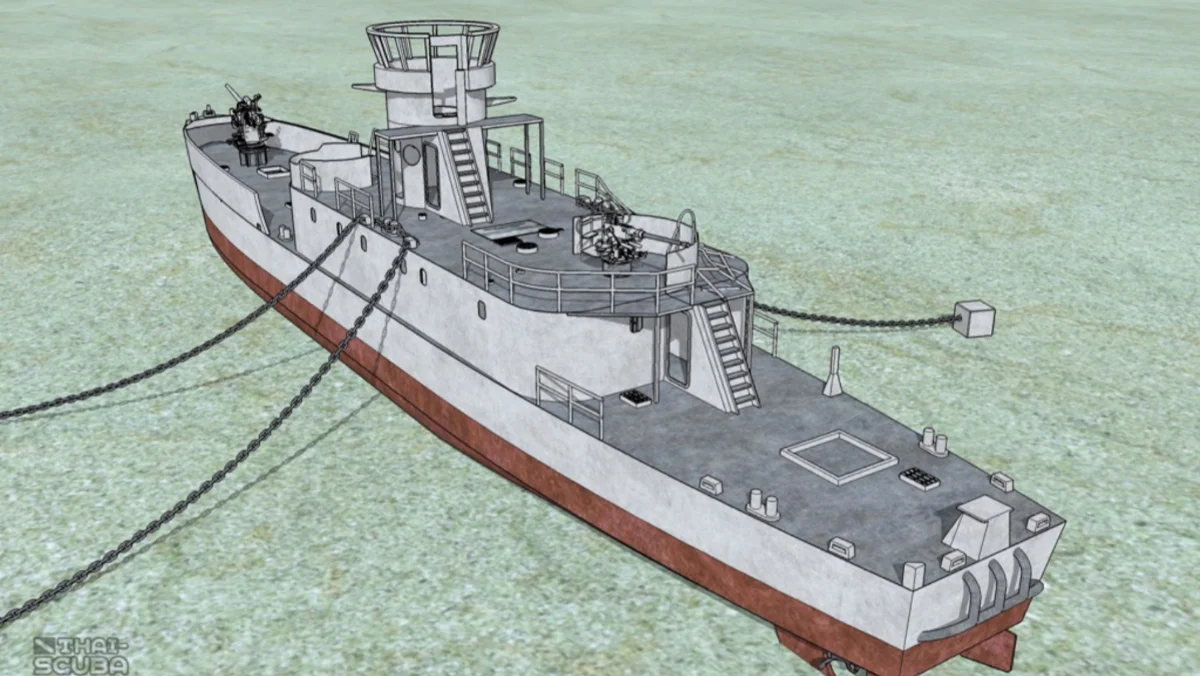
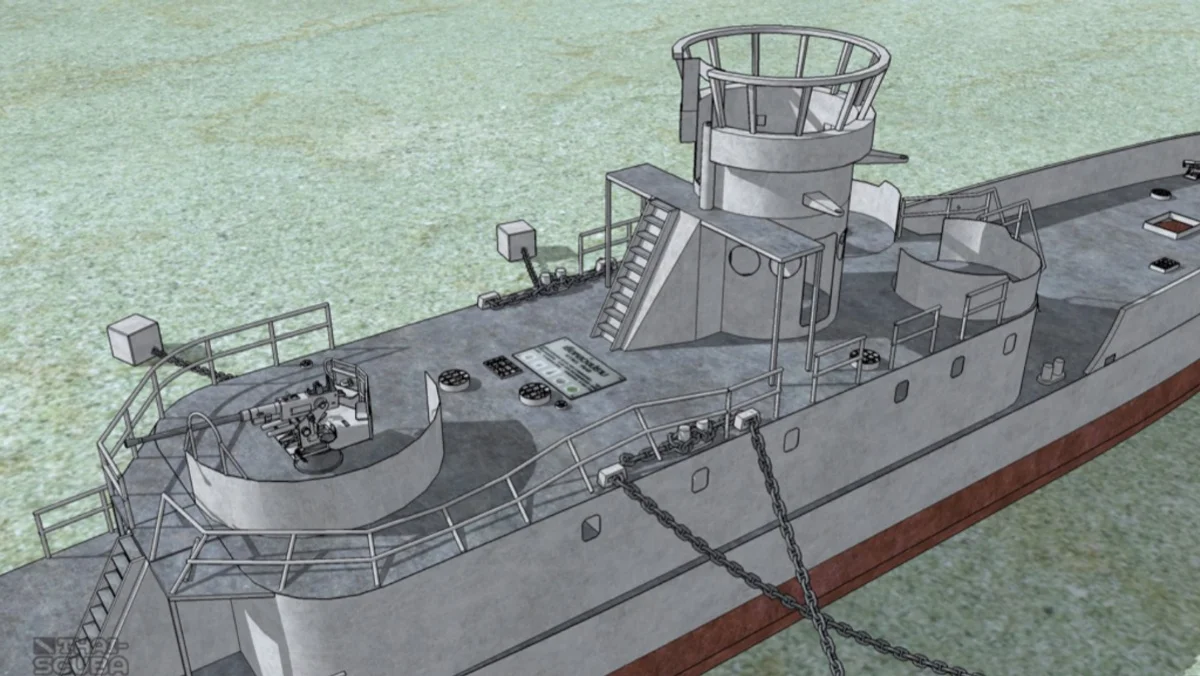
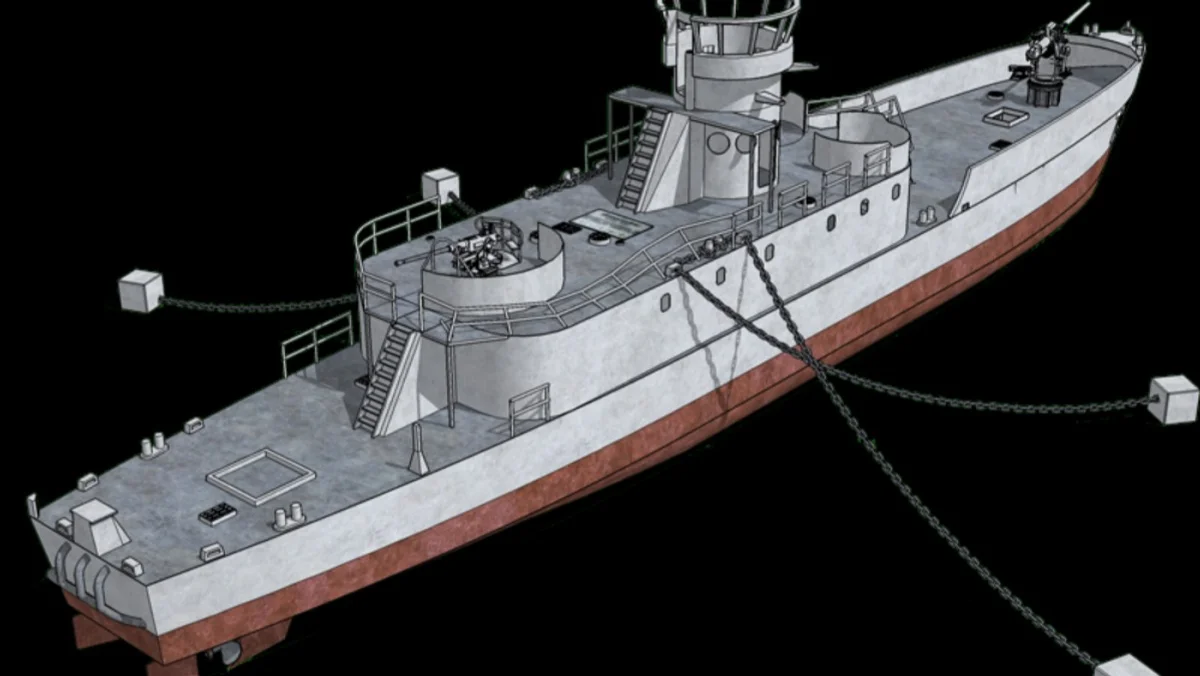
You descend the mooring line to the upper deck around 18 meters. The wreck is intact and recognizable — bow, stern, and superstructure all in place — and small enough that a single dive covers the whole thing comfortably. You can swim along the deck, drop down the port or starboard side to the sand at 23 meters, and circle the hull in less than 25 minutes if you stay focused.
Penetration is possible but only as far as the cargo bay openings the navy cut before sinking. There are no narrow corridors, no overhead obstacles you cannot retreat from in a single fin kick, and no need for a wreck specialty card to enter. A normal Open Water diver with a guide can swim through the openings without stress. If you have a wreck cert, the cargo holds at the deeper end of the hull are interesting and well-lit. If you do not, stick to the deck.
Marine Life on the Prab
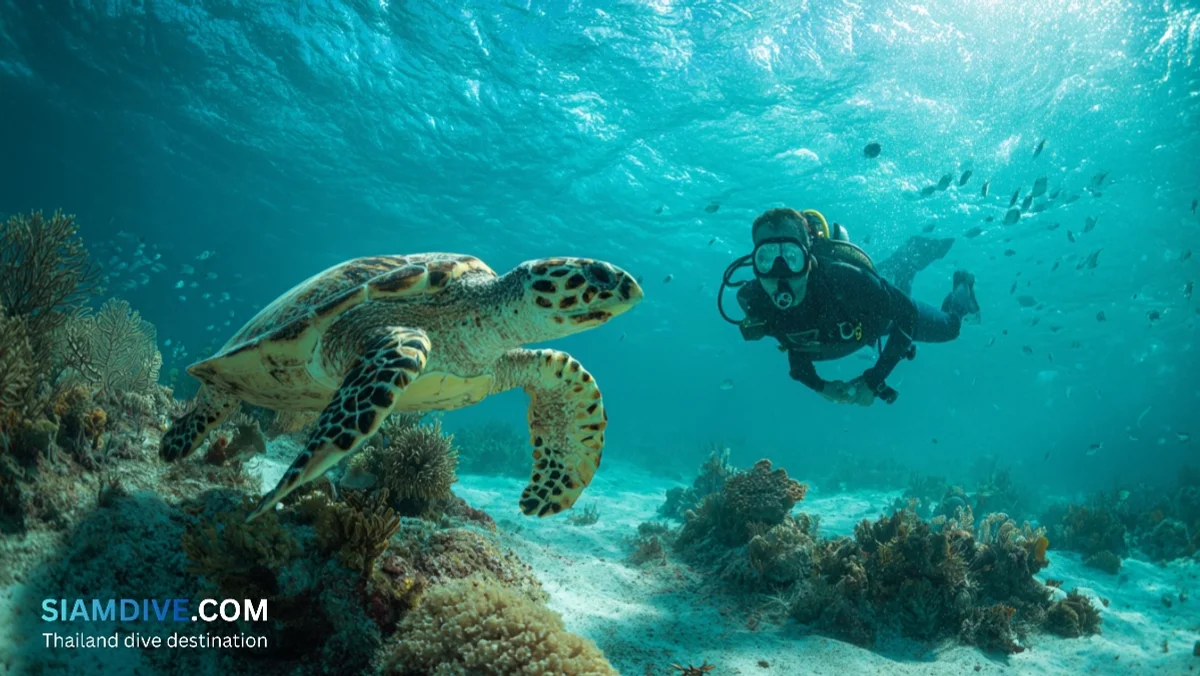
Fifteen years is enough time for a wreck to grow into the reef around it. The Prab now hosts:
- Schools of fusiliers and snappers circling the superstructure, especially in the morning when the current shifts.
- Big batfish hovering over the deck — usually two or three at a time, always in the same spots.
- Lionfish tucked under the rails. Plenty of them. The wreck is one of the easier places to photograph one head-on.
- Moray eels in the cargo hold openings. Big ones.
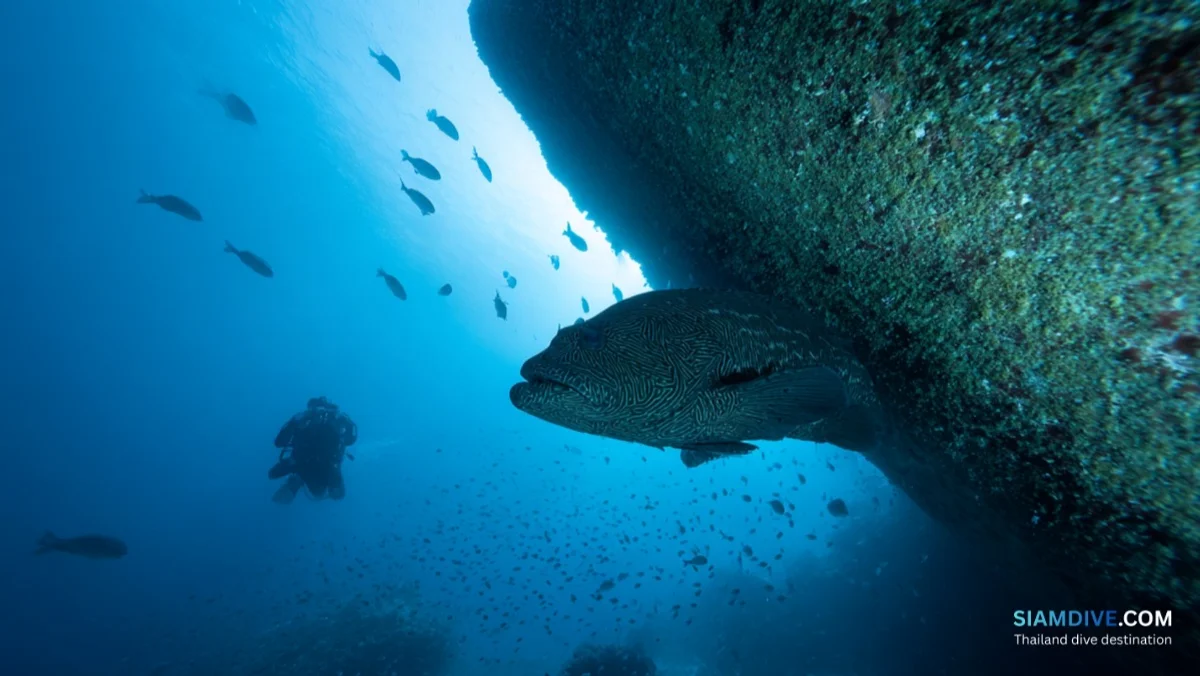
- Resident grouper under the bow, big enough that the local divemasters have a name for it.
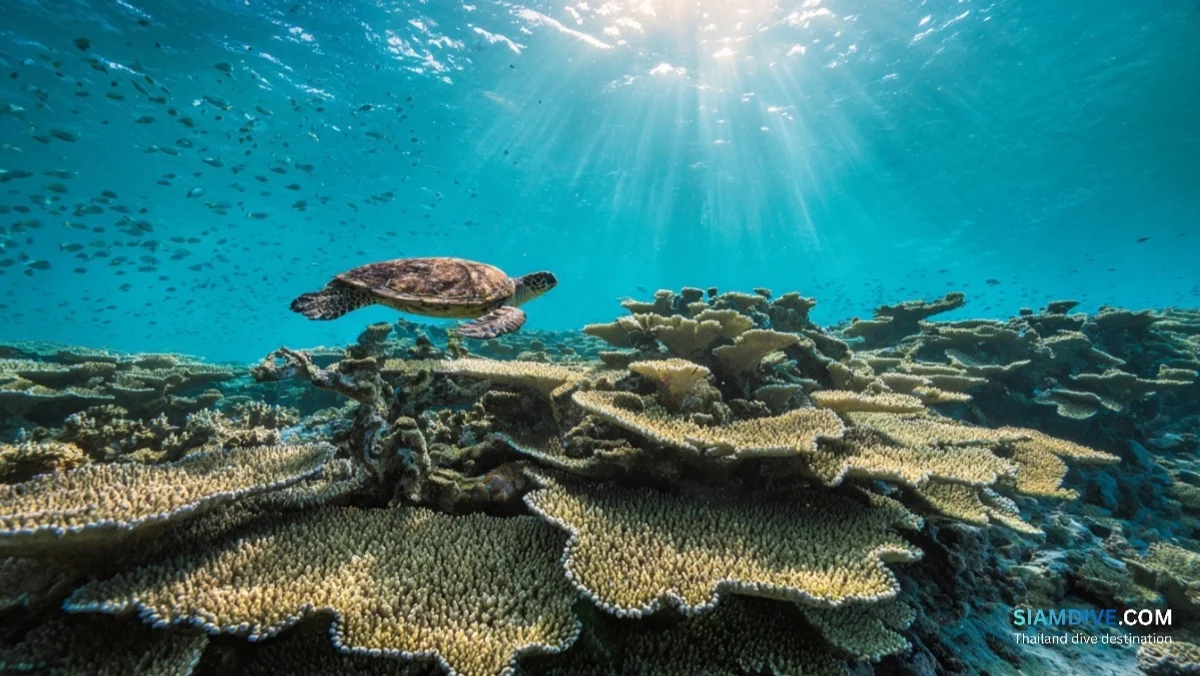
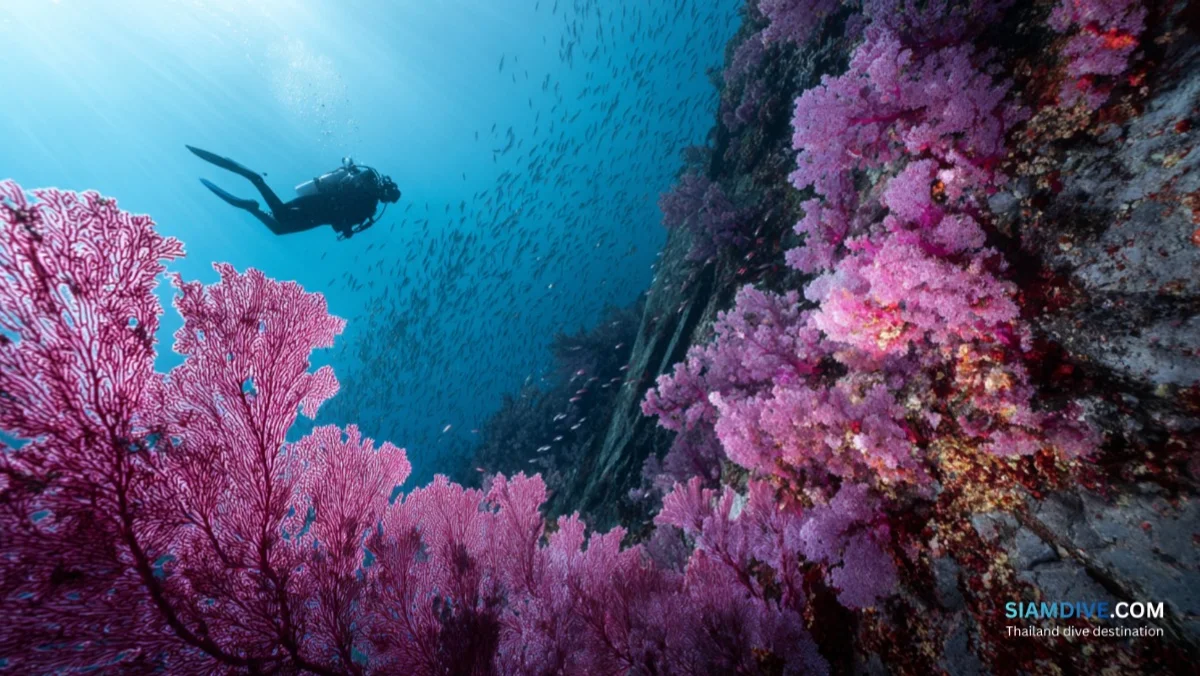
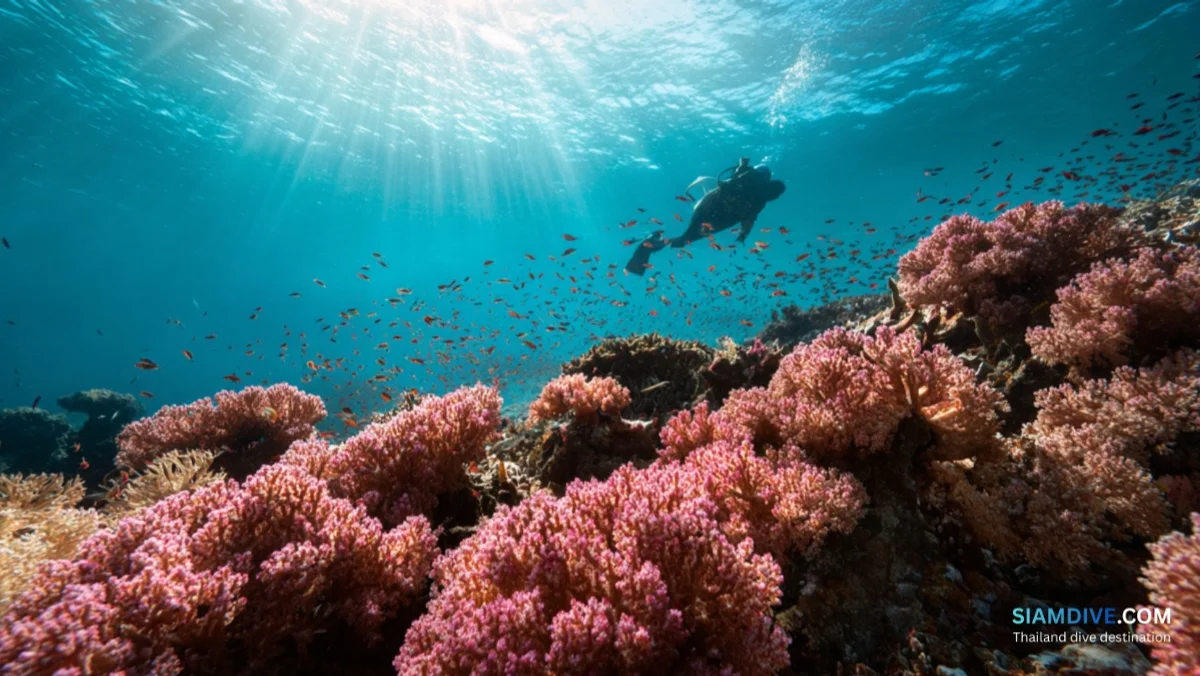
- Soft coral and gorgonian growth on the upper deck and railings — best photographed against the blue water in late morning when the light hits.
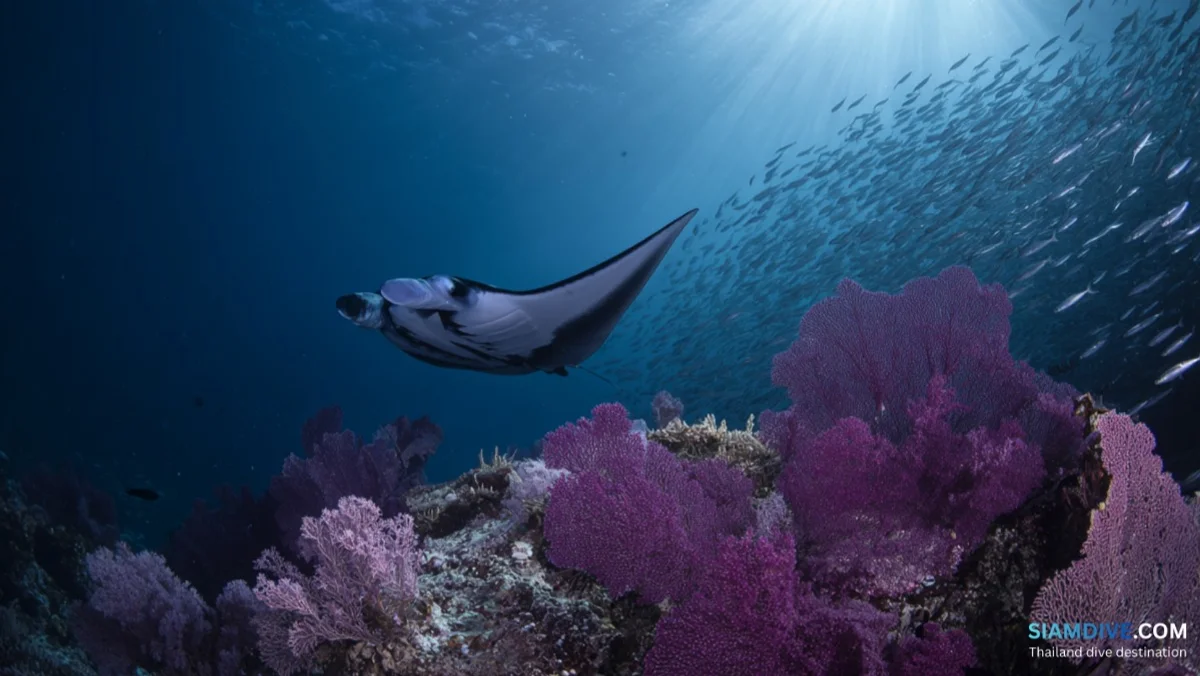
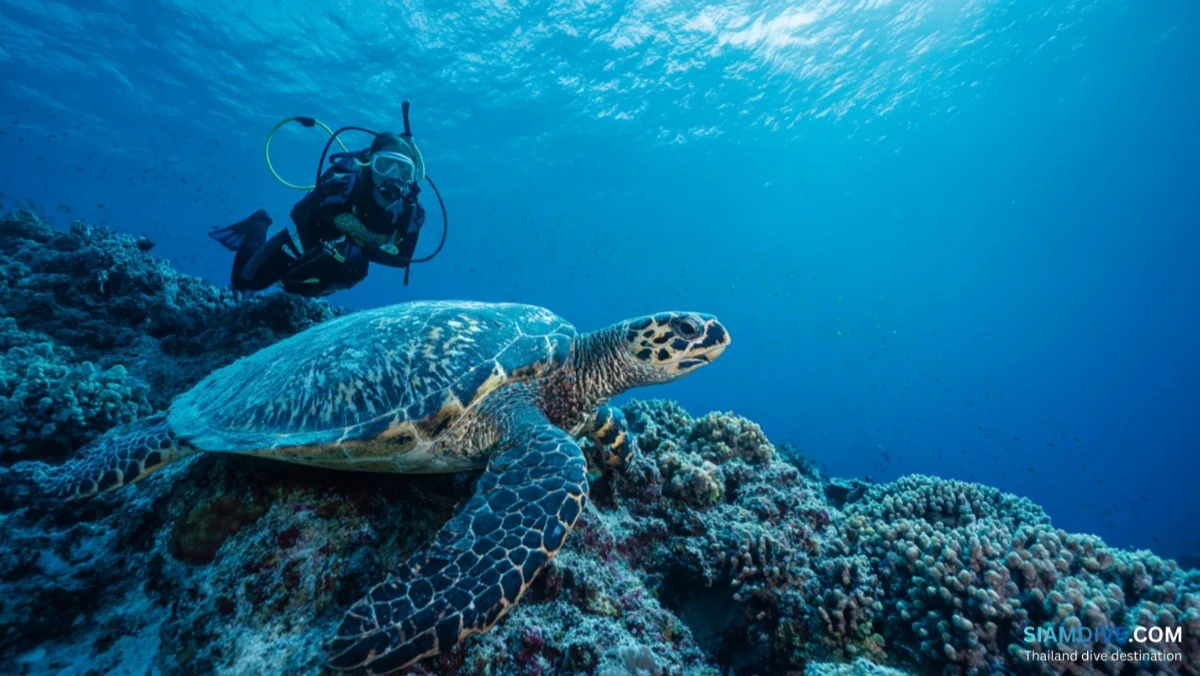
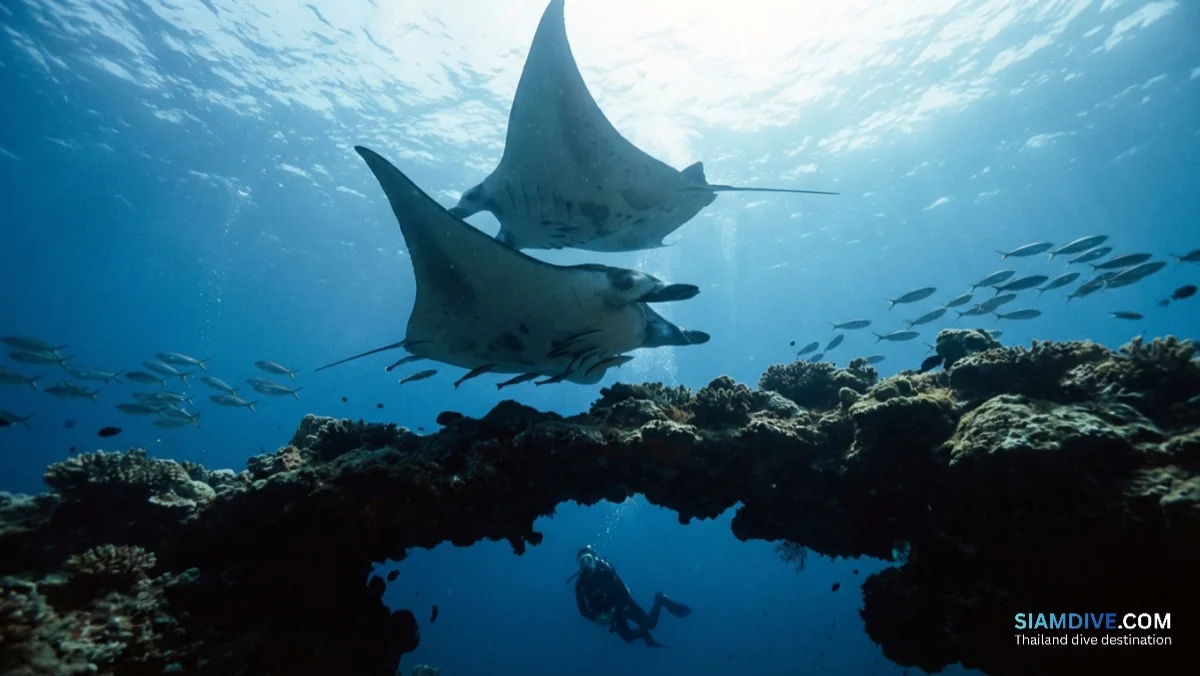
- Occasional pelagics passing through. Barracuda schools cruise the area between the wreck and the nearby Koh Ngam Noi reef. Whale sharks have been logged here a few times a year.
Visibility, Currents, and Conditions
Visibility on the Prab runs anywhere from 8 to 25 meters depending on tide, season, and recent weather. The site is relatively sheltered by the island structure to its north, so it does not get hammered by the same currents that close down the more exposed Chumphon sites. Most days you get a mild current you can swim against on the way out and drift with on the way back. Occasionally a stronger pulse runs across the wreck, and your guide will plan accordingly.
Best season is March through October, when surface conditions in the Gulf are calm enough for the 60-70 minute boat ride from Chumphon Pier to feel reasonable. November to February is the wet season — operators still run trips on calm days, but cancellations are common. Water temperature stays at 28-30°C all year, so a 3 mm wetsuit is enough.
How to Get There and Book
You start in Chumphon town. From Bangkok, take the overnight train (about 8 hours, the most comfortable option), a Southern Bus Terminal coach (6-7 hours), or a Nok Air flight to Chumphon Airport (about an hour). From town, a short songthaew or Grab gets you to Chumphon Pier — locals still call it Siam Tours Pier — and the boat departs from there.
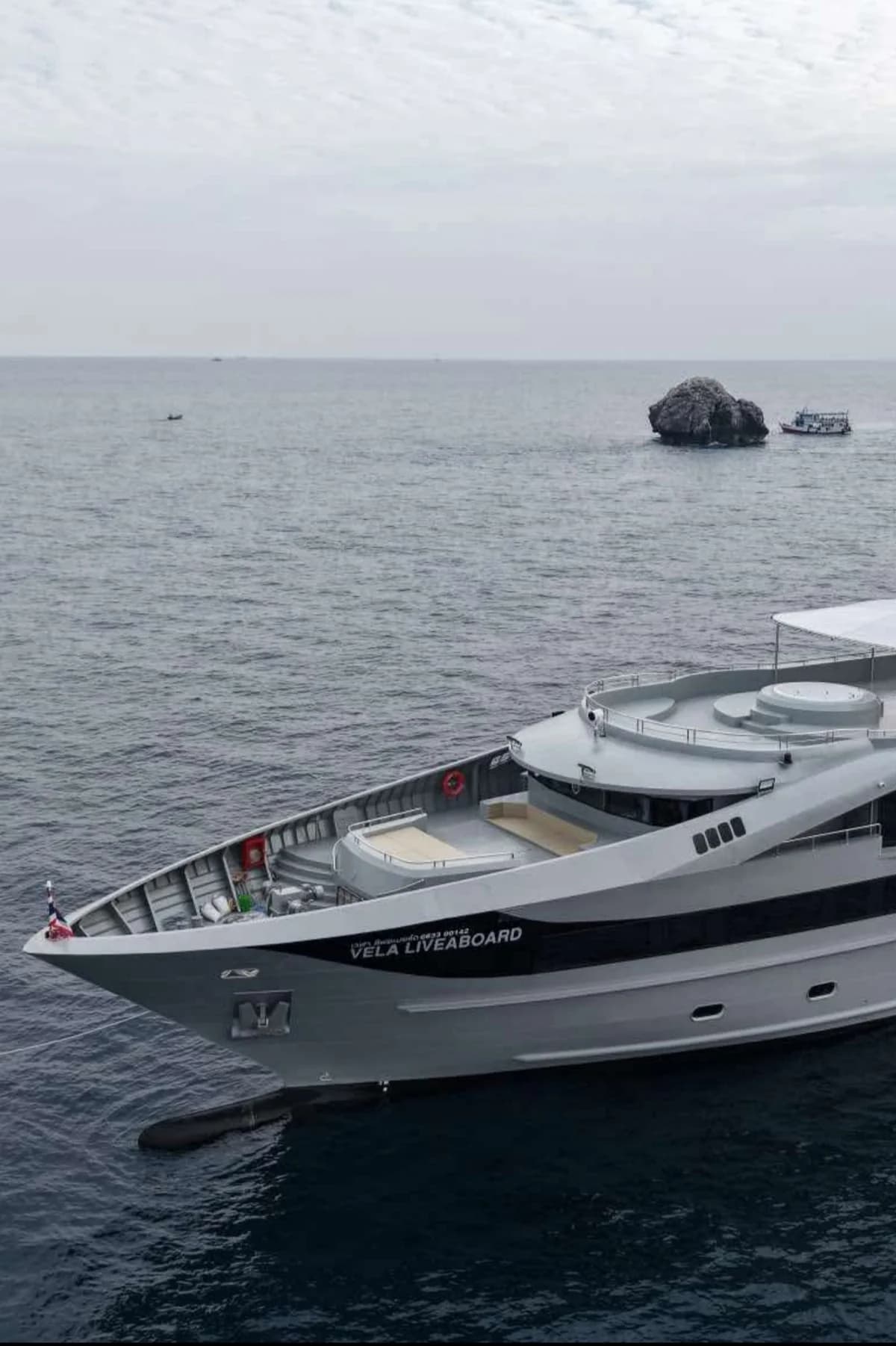
The boat ride to the Prab is about 60-70 minutes on a tour catamaran or speedboat. Most operators bundle the wreck with a dive at Koh Ngam Noi or Hin Lak Ngam to make a two-tank day, leaving Chumphon around 8 a.m. and returning by 5 p.m. National park fee is 200 baht for adults and 100 baht for children, paid at the island. Two-tank trips run 2,500 to 3,200 baht depending on the operator and whether your gear is rented.
One thing to confirm before booking: ask the shop specifically about the Prab. The wreck is sometimes called "HTMS Prap" or "the Chumphon wreck" or just "the landing craft," and a few smaller dive shops will not know what you mean unless you ask in Thai. If you are booking online, mention "Koh Ngam Noi wreck" and they will understand.
Practical Tips Before You Dive
- Open Water is enough. The deck at 18 meters is well within OW depth limits. No need to upgrade your card just for this dive.
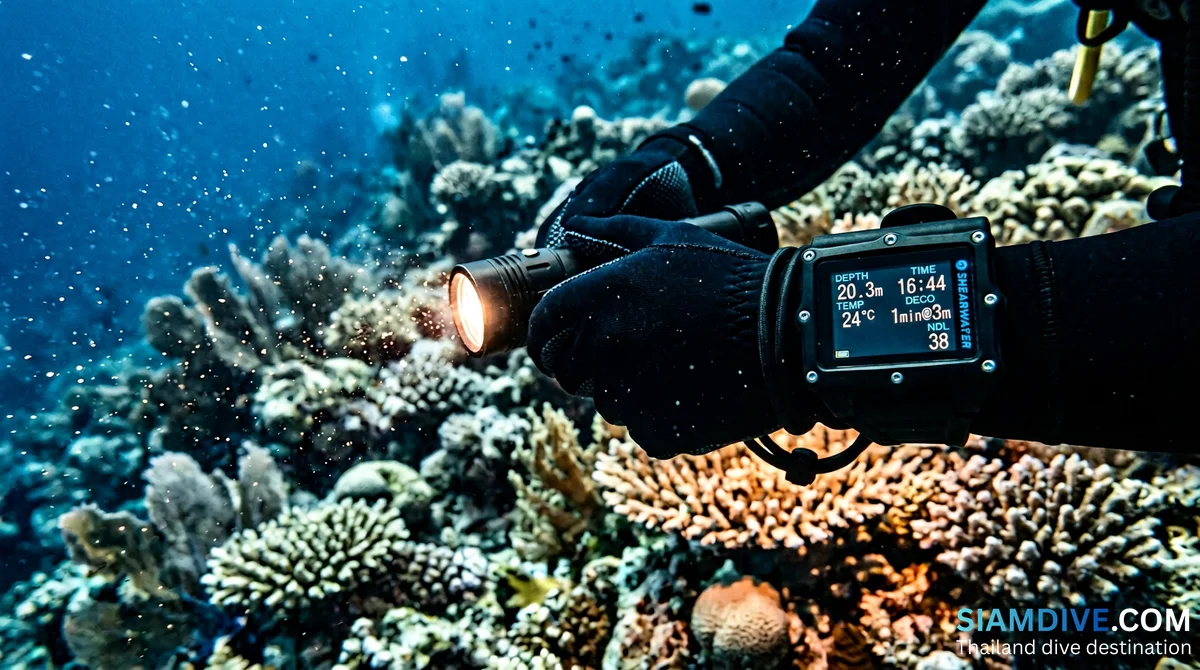
- Bring a torch. Even shallow penetration looks much better with a light, and the lionfish hiding under the rails are easier to spot.
- Skip penetration if you have not done it before. The hull openings are wide enough that you do not need to enter for a great dive. The exterior is the highlight.
- Use a reel for any penetration. Even short, even with light. A reel is the difference between a drill you have practiced and a real safety procedure.
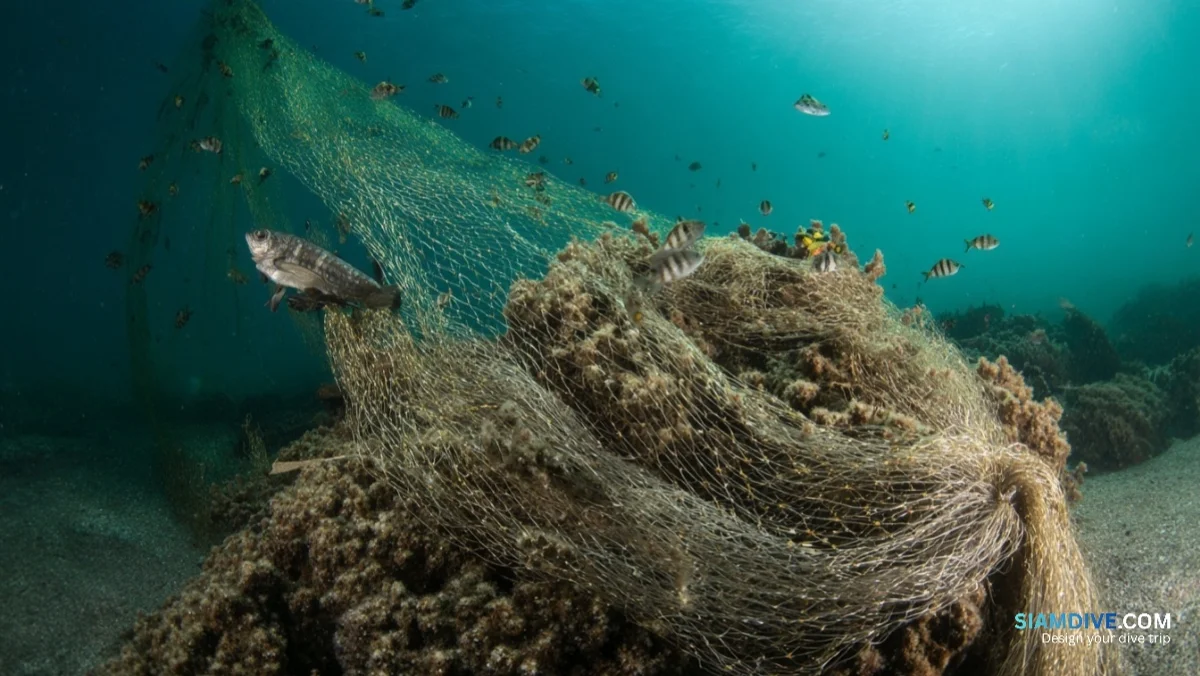
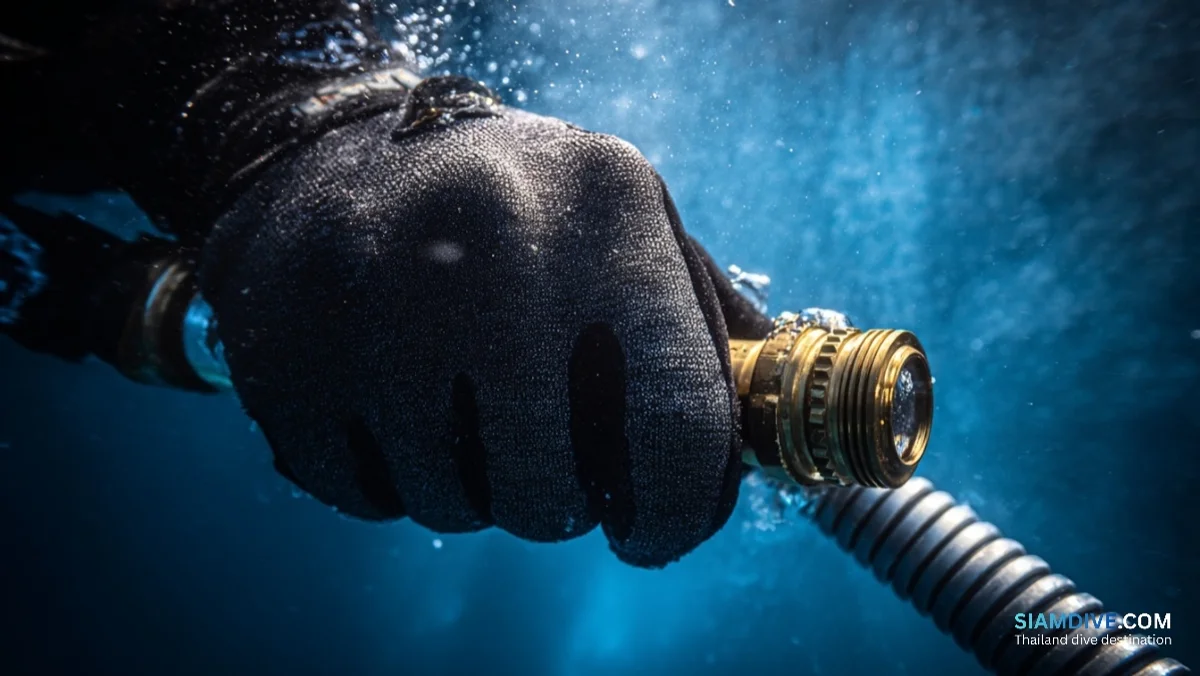
- Watch for fishing line. The wreck is in a national park but fishermen still drift past. Carry a line cutter on your BCD.
- Pair it with Koh Ngam Noi. The reef is 5 minutes by boat. A wreck dive plus a coral dive is the standard day plan and worth doing both.
- Bring a wide-angle camera. The wreck photographs better than it macro-photographs. Aim for the bow shot from below in late morning light.
The Wreck Worth the Detour
HTMS Prab 741 is not Thailand's largest wreck and not its most famous. But it is one of the easier wreck dives to actually access without an advanced cert, the marine life has settled in over fifteen years, and the surrounding Mu Ko Chumphon waters are quiet enough that you usually have the site to yourself. If you are diving from Chumphon already, do not skip this one. Plan your trip and book a Chumphon wreck day through siamdive.com — we work with operators who include the Prab as a planned stop, not an afterthought, and run small groups so the wreck stays the focus.