How to Start Scuba Diving: A Complete Beginner's Guide
10 เมษายน 2569
Ready to try scuba diving but don't know where to begin? This step-by-step guide covers everything from choosing a course to your first ocean dive.
So You Want to Breathe Underwater
You've seen the videos. Blue water, colorful fish, maybe a turtle floating past in slow motion. And somewhere in the back of your head, a voice says: "I could do that." Good news — you absolutely can. Scuba diving has one of the lowest barriers to entry of any adventure sport. You don't need prior experience, special fitness, or expensive gear. What you need is three days, a swimming pool, and an ocean.
This guide walks you through the entire process of becoming a certified scuba diver, from the moment you decide to try it until you're holding your certification card. No jargon. No fluff. Just the stuff you actually need to know.
Pick Your Certification Agency: PADI vs SSI
Two organizations dominate beginner scuba training worldwide: PADI and SSI. Both teach the same skills, follow the same safety standards, and produce certifications that are recognized at every dive shop on earth. The differences are mostly in how the material is delivered.
PADI (Professional Association of Diving Instructors) holds about 70% of the global market. Their courses are highly structured, and you'll find PADI centers in virtually every dive destination. The theory portion uses their own eLearning platform, which costs around $150-200 USD separately or is bundled into the course price.
SSI (Scuba Schools International) offers more flexibility. Their learning materials are free through the MySSI app, which can save you money upfront. SSI instructors tend to have more freedom to adapt the course to your pace. On islands like Koh Tao, SSI has a strong presence alongside PADI.
The honest answer? Pick whichever is offered by the dive school you like best. The certification is interchangeable. A PADI-certified diver can dive with any SSI shop and vice versa. Don't overthink it.
What Happens Before You Get in the Water
Before anything else, you'll fill out a medical questionnaire. It asks about conditions like asthma, heart problems, ear issues, and recent surgeries. Most healthy people check "no" to everything and move on. If you check "yes" to anything, you'll need a doctor's clearance — which is usually a quick visit and rarely a deal-breaker.
Next comes the theory. The PADI Open Water course has five chapters covering dive physics (why your ears hurt when you go deep), physiology (what nitrogen does in your body), equipment (what each piece of gear does), dive planning (how long you can stay at a given depth), and emergency procedures (what to do if something goes wrong).
You can complete the theory two ways: online at home using eLearning (takes about 8-12 hours at your own pace), or in a classroom at the dive center. Most people choose eLearning because it frees up an entire day at the destination. The material is genuinely interesting if you're curious about how the underwater world works. There's a quiz at the end — 25 multiple-choice questions, 75% to pass. It's not hard.
Pool Training: Where You Learn the Real Skills
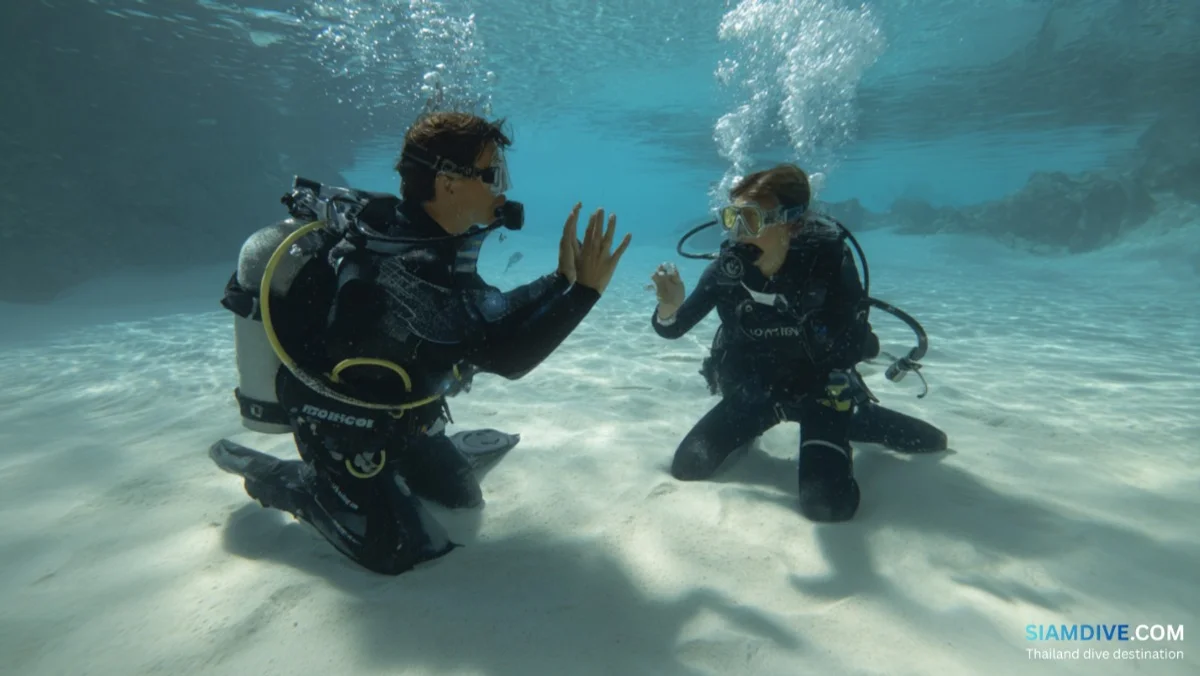
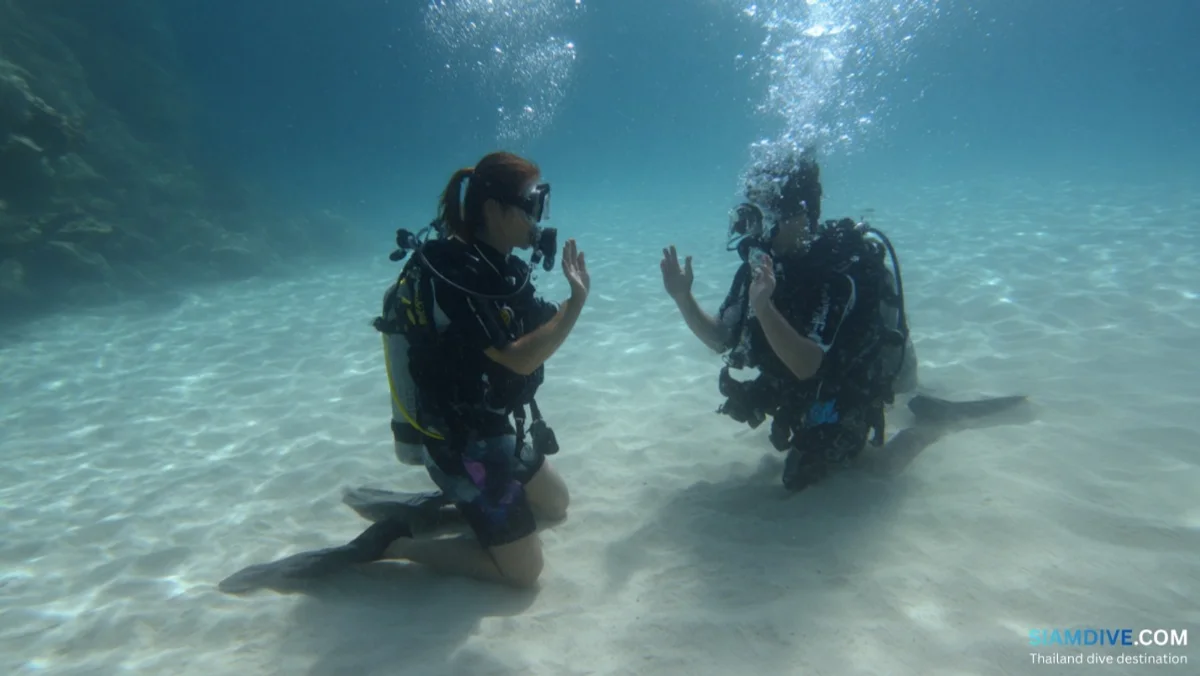
This is where it gets fun. Pool training — also called "confined water" training — happens in a swimming pool or a calm, shallow area of the ocean. You'll spend one full day here, sometimes split across two sessions.
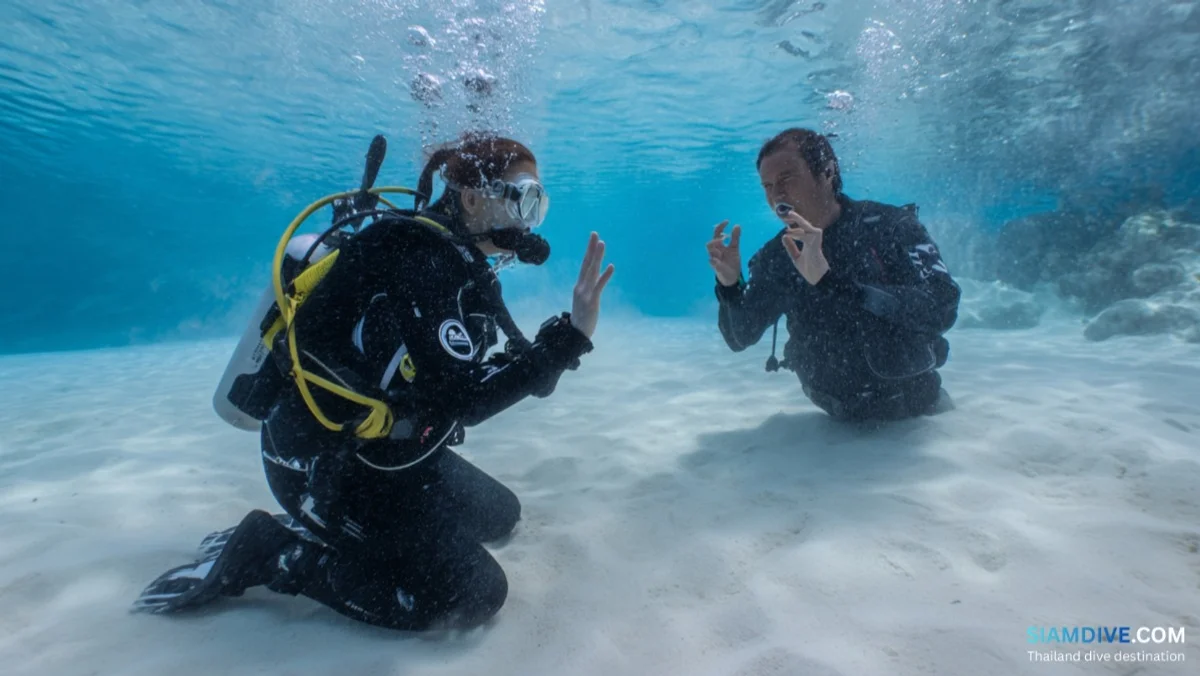
Your instructor will walk you through about 10 core skills. These sound intimidating on paper, but in practice, they're straightforward:
- Regulator recovery: Your regulator (the thing you breathe from) falls out of your mouth. You sweep your right arm back to find it and put it back in. Takes 5 seconds.
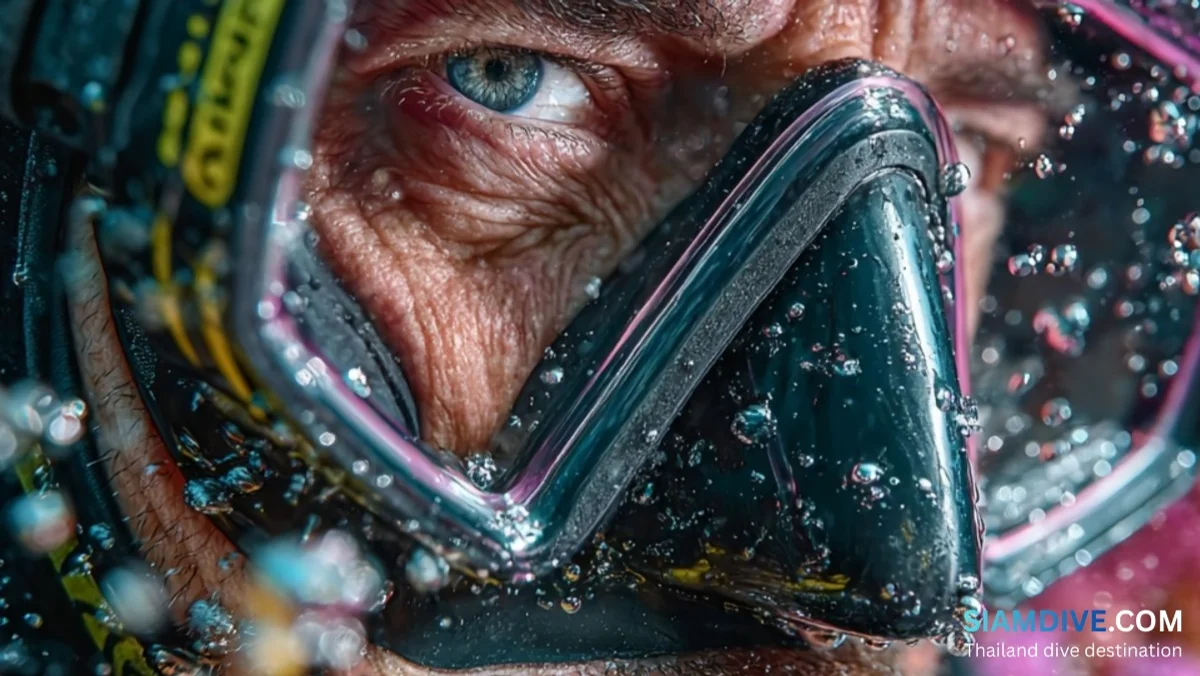
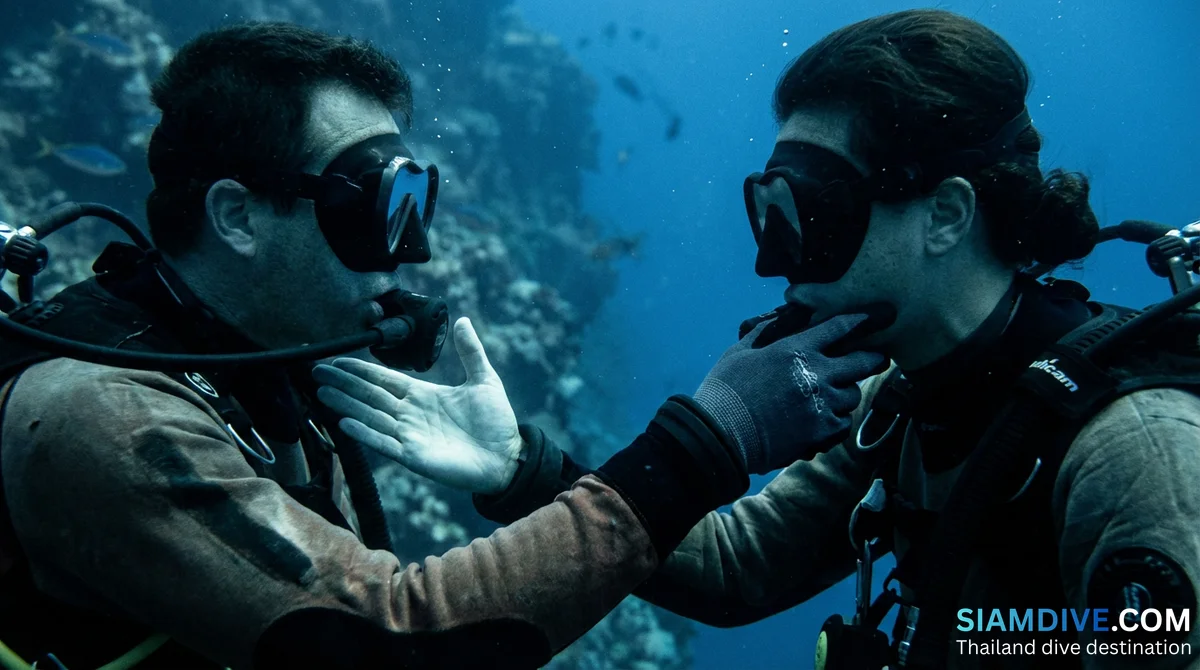
- Mask clearing: Water gets into your mask. You tilt your head up slightly and blow air out through your nose. The water drains out the bottom. This is the one most people stress about, and it's honestly the easiest once you've done it twice.
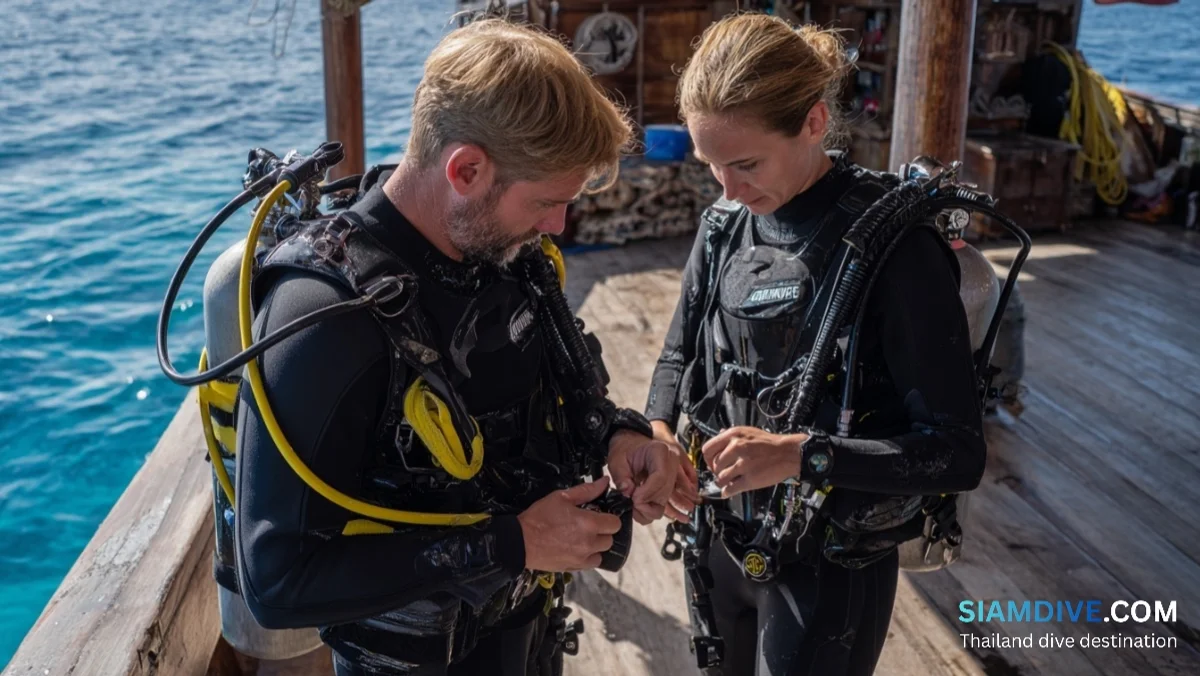
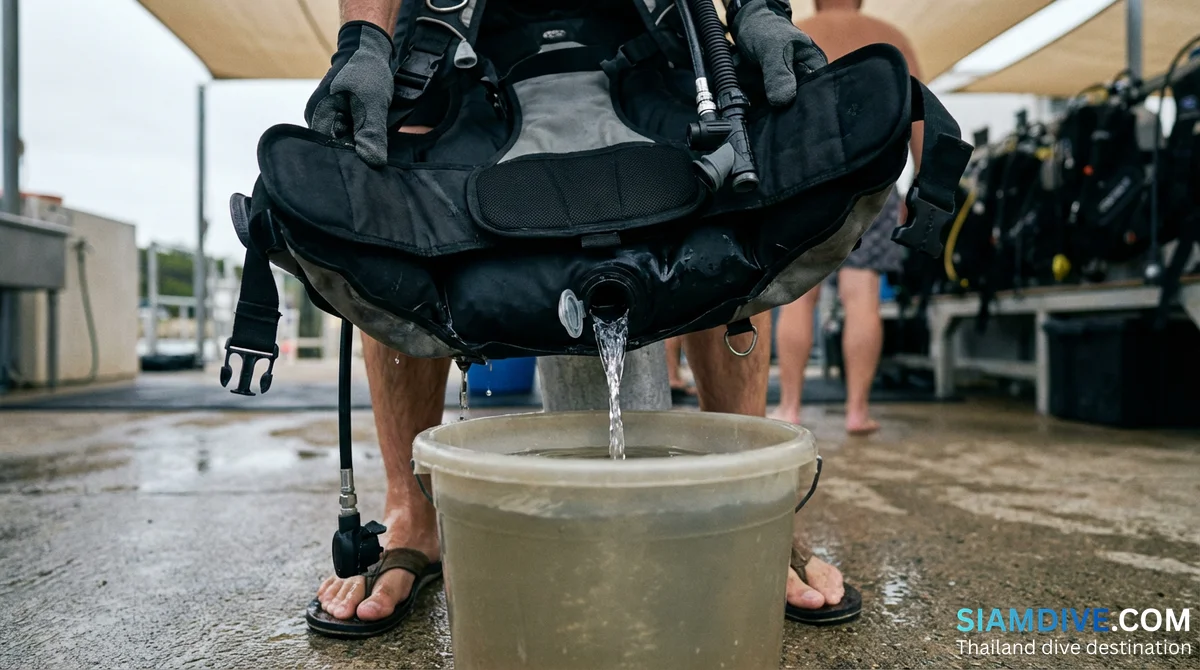
- Buoyancy control: Using your BCD (buoyancy control device — basically an inflatable vest) and your breathing to hover at a constant depth without sinking or floating up. This takes practice but feels incredible when it clicks.
- Alternate air source: Your buddy runs low on air. You hand them your spare regulator (called an octopus) and ascend together. You practice this so it becomes automatic.
- Controlled ascent: You come up slowly — no faster than 18 meters per minute — while breathing normally. This prevents decompression sickness.
The instructor demonstrates each skill first, then you copy it. If you mess up, no problem — you try again. The pass rate for pool skills is over 95%. The atmosphere is relaxed, and most people end the day surprised at how comfortable they feel underwater.
Open Water Dives: Your First Time in the Ocean
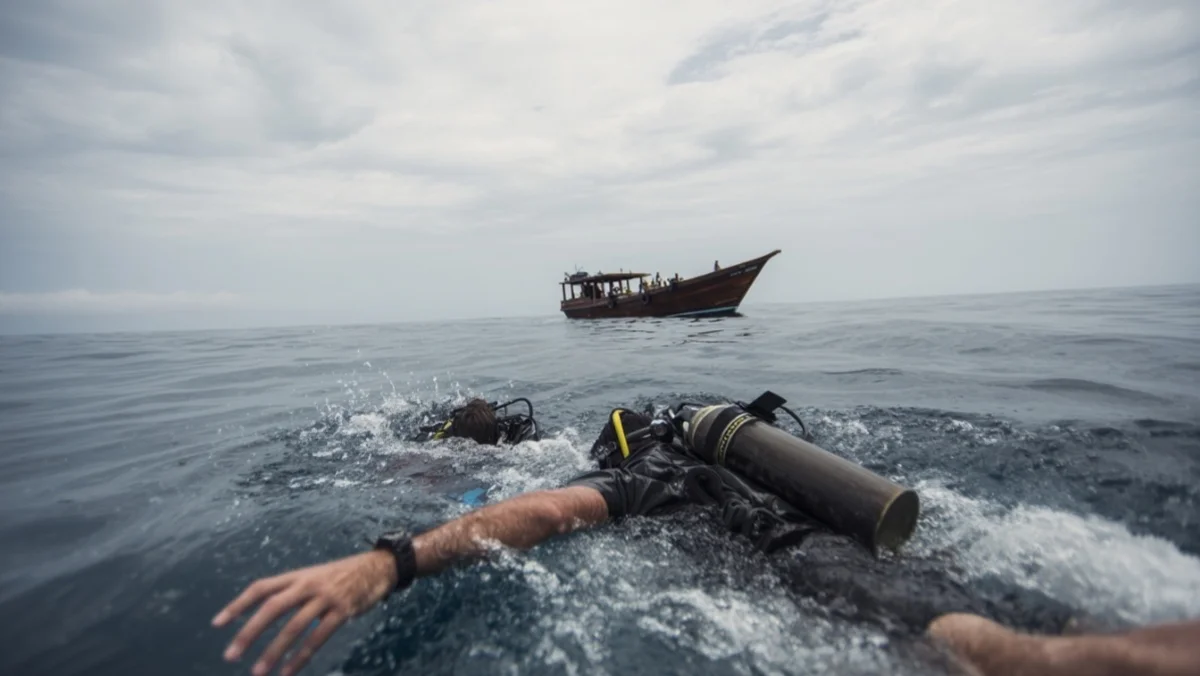
The course requires four open water dives, typically done over two days. These happen in the actual ocean (or a lake, depending on your location), usually from a boat but sometimes from shore.
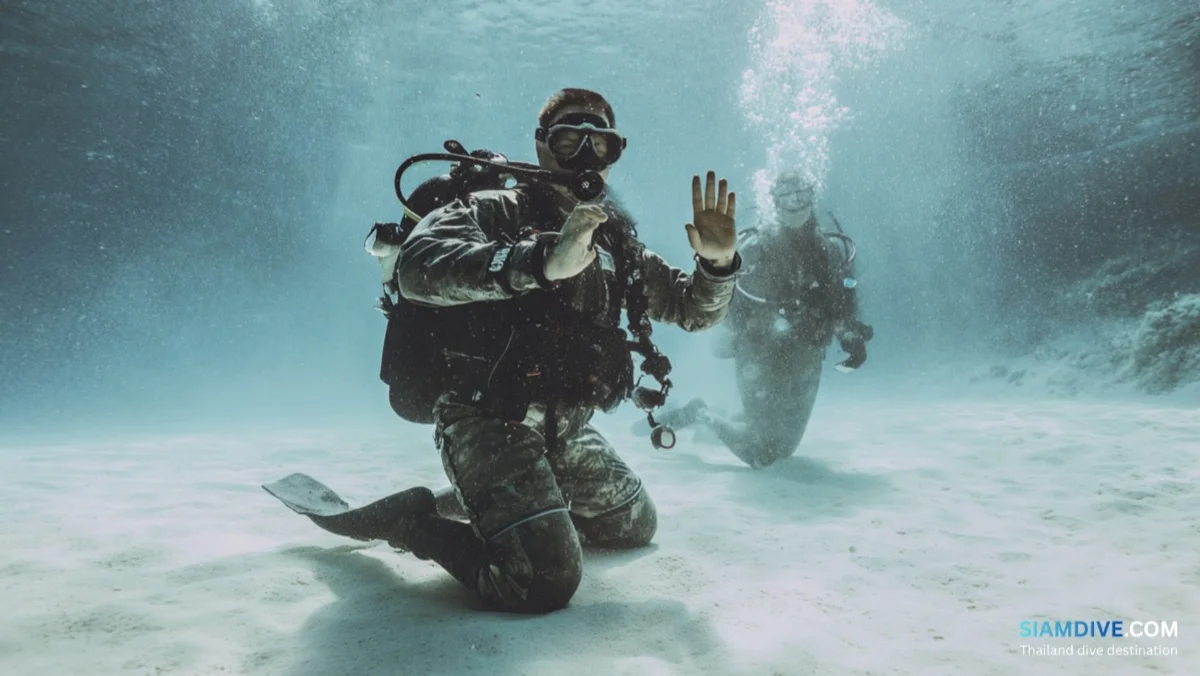
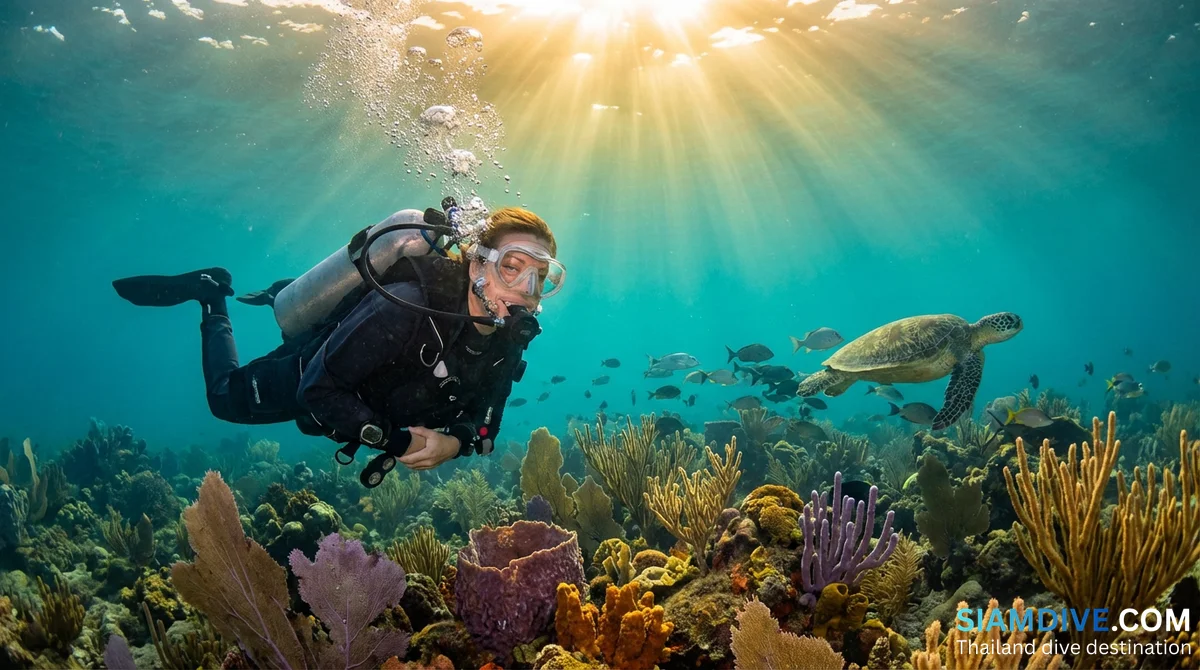
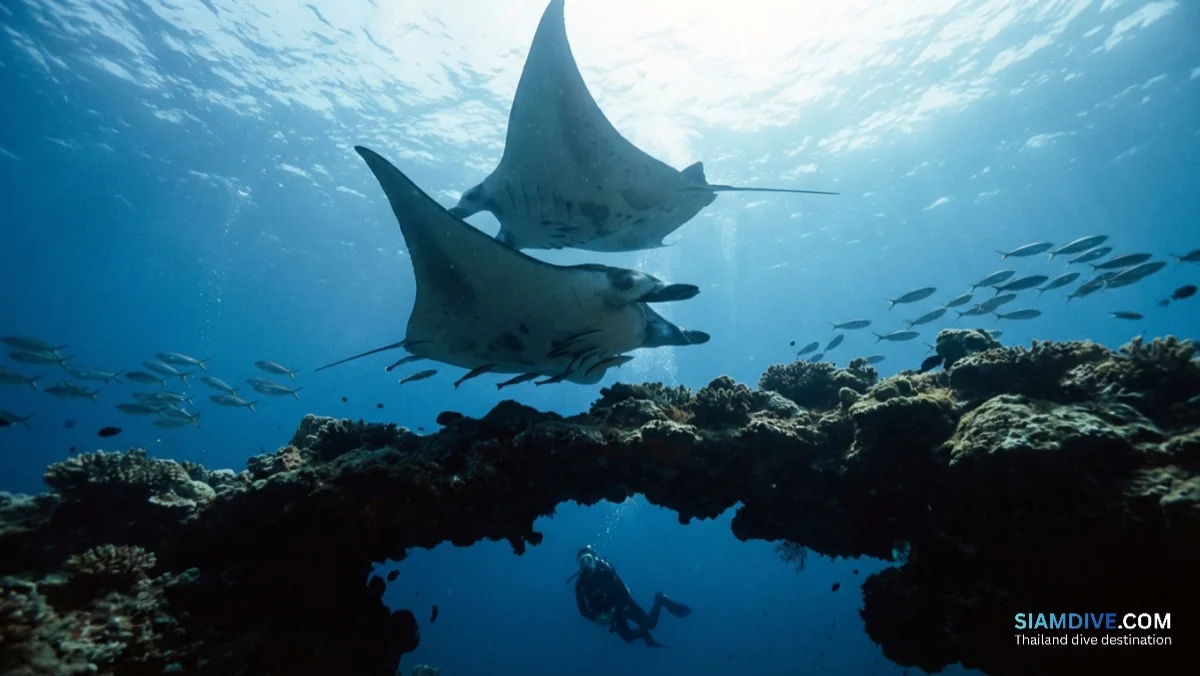
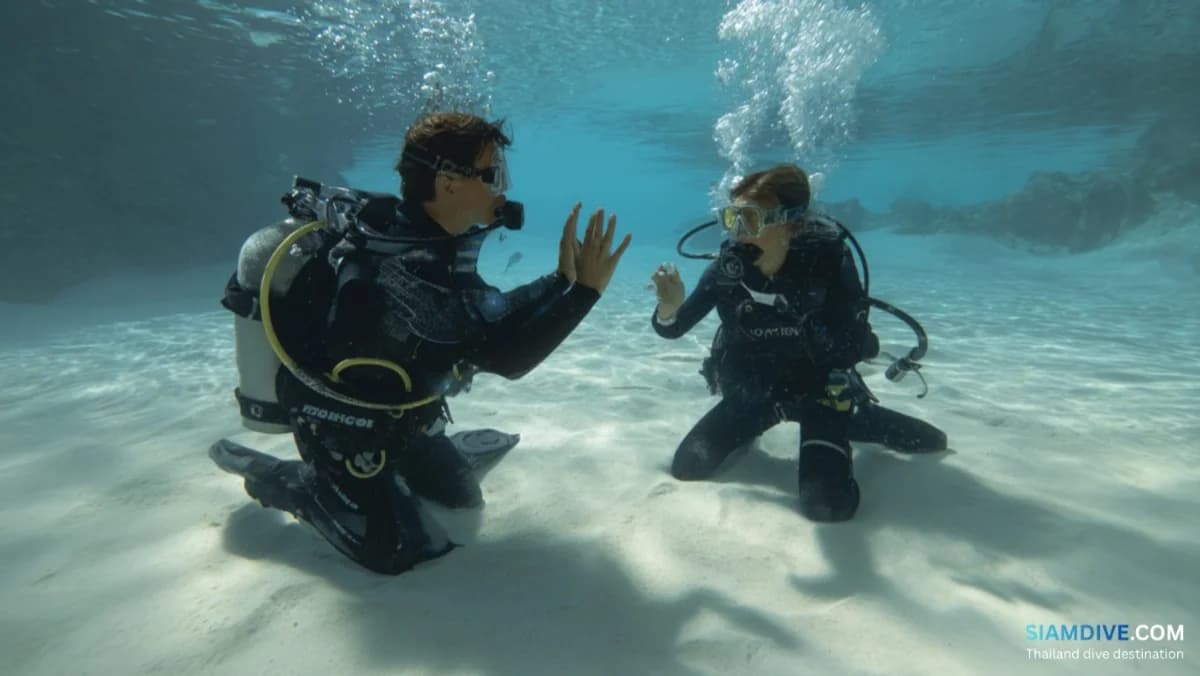
Dive one and two are about repeating your pool skills in a real environment. You'll kneel on a sandy bottom at 6-12 meters and demonstrate mask clearing, regulator recovery, and buoyancy control while your instructor watches. Between skills, you get to explore — and this is where most people get hooked. Seeing a reef for the first time from underwater is genuinely life-changing.
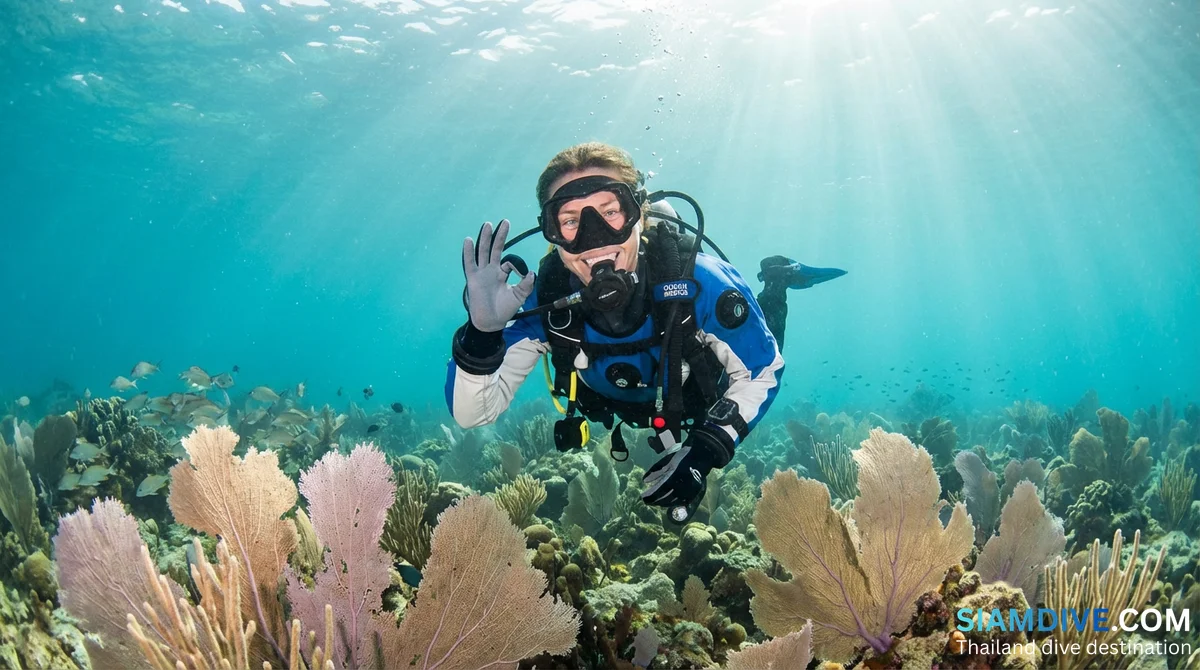
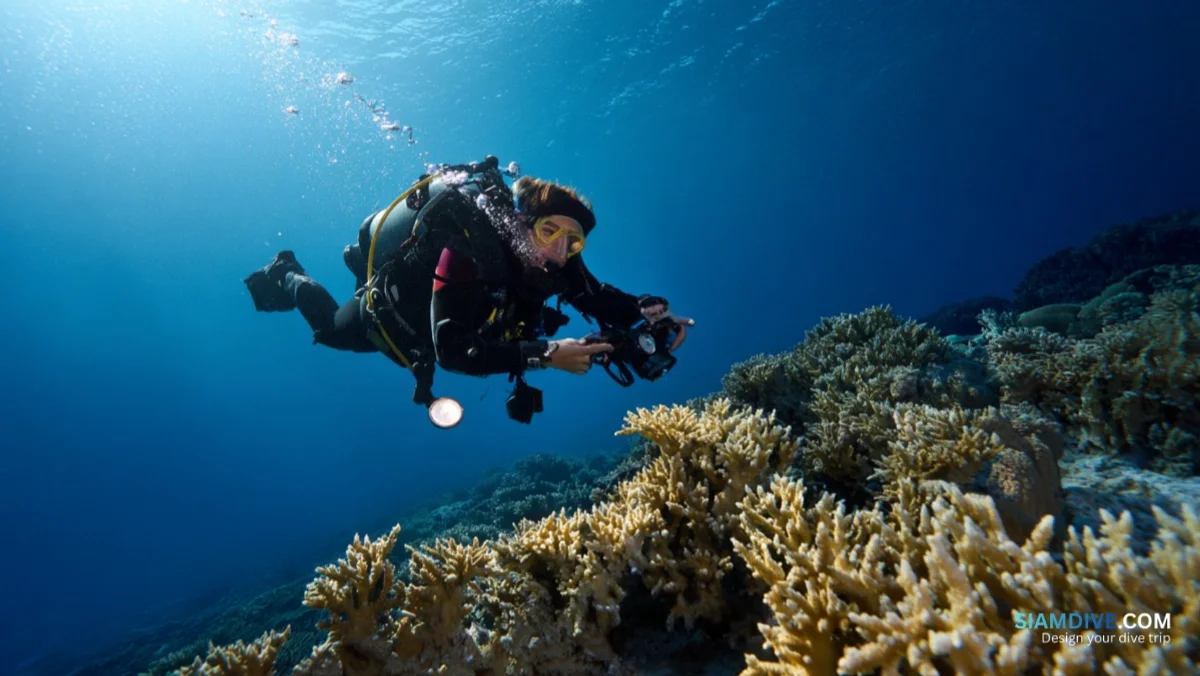
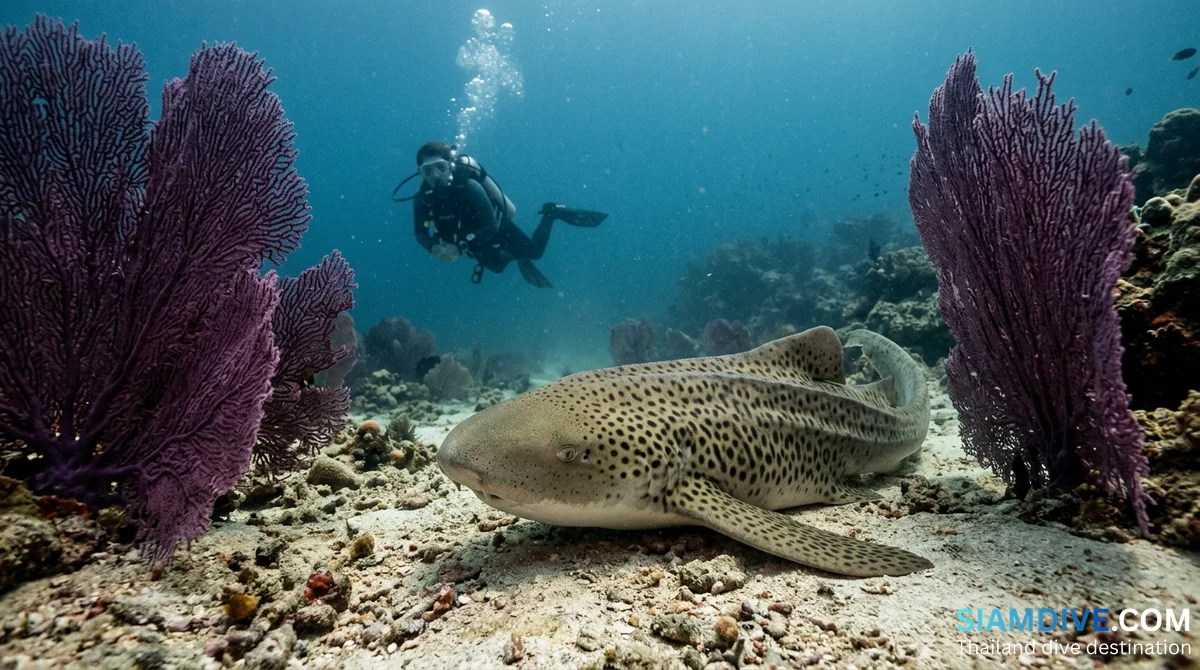
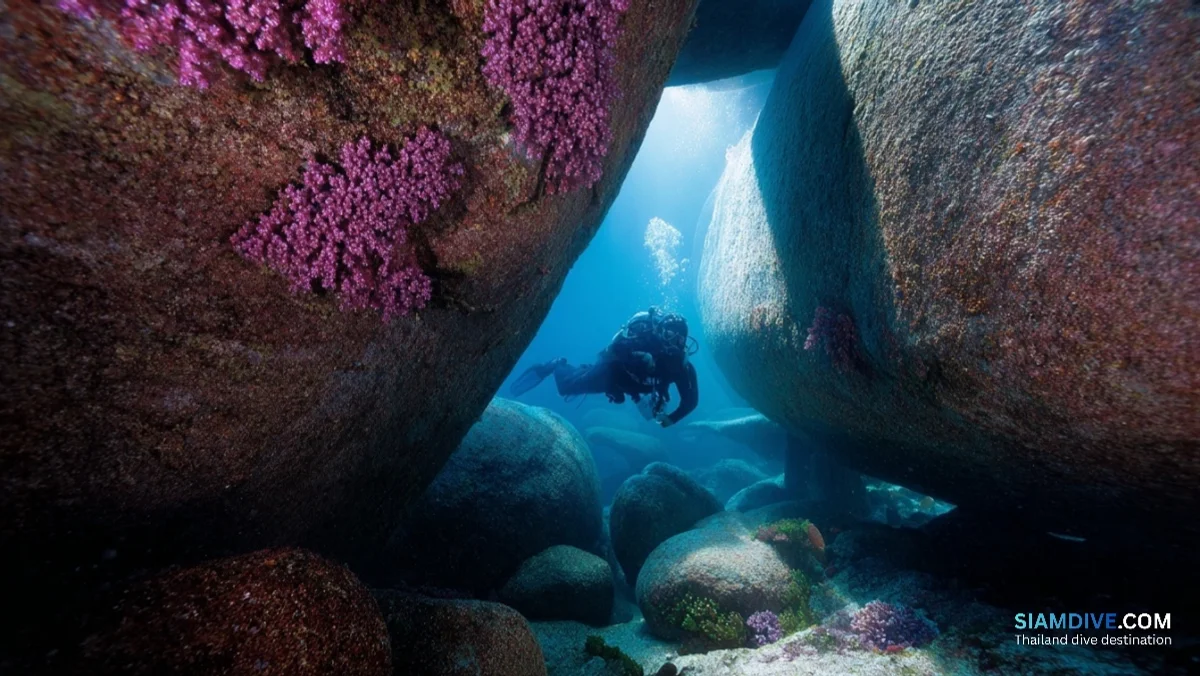
Dive three and four go deeper (up to 18 meters) and focus more on navigation, deeper water skills, and pure enjoyment. By the fourth dive, you're not thinking about skills anymore. You're just diving. Watching fish, following the reef, checking your air gauge out of habit, and surfacing with a grin.
Each dive lasts 30-45 minutes. Between dives, you'll sit on the boat for a surface interval (1-2 hours), eat snacks, drink water, and talk about what you just saw. These surface intervals often become the social highlight of the course.
What It Costs and Where to Do It
Pricing varies dramatically by location. Here's a realistic breakdown:
- Koh Tao, Thailand: 9,500-11,000 THB ($260-300 USD). This is the world's budget diving capital. Everything included: gear, boat, instructor, certification. Quality is consistently good because competition is fierce.
- Phuket / Similan area: 12,000-15,000 THB ($330-410 USD). Slightly pricier but you dive in the Andaman Sea, which has better visibility and bigger marine life.
- Bali, Indonesia: $350-500 USD. Beautiful sites around Tulamben and Nusa Penida.
- Egypt (Red Sea): $300-400 USD. Some of the clearest water on earth.
- Australia (Great Barrier Reef): $500-800 AUD. Premium price, premium reef.
The price always includes equipment rental, instruction, boat trips, and the digital certification card. Some schools charge extra for physical cards or course materials, so ask upfront.
Common Fears (and Why They're Normal)
Almost everyone has at least one worry before their first dive. Here are the most common ones:
"I'm not a strong swimmer." You need to swim 200 meters and float for 10 minutes. That's it. No speed requirement. No laps. Fins do most of the work underwater, and you move slowly on purpose.
"What if I panic?" Your instructor has dealt with this hundreds of times. The training is designed to build confidence gradually — pool first, then shallow ocean, then deeper. If you feel uncomfortable at any point, you signal your instructor and you go up. There's no macho culture in diving. Aborting a dive is always the right call if something doesn't feel right.
"My ears hurt when I go underwater." That's normal. It's the same pressure you feel on an airplane. You equalize by pinching your nose and gently blowing — a technique you'll practice in the pool until it becomes second nature. Some people need to equalize every meter, others every few meters. Both are normal.
"I'm claustrophobic." Surprisingly, most people with mild claustrophobia do fine underwater because the space feels open and infinite, not enclosed. The mask sits on your face like goggles, not like a sealed helmet. If you can wear swimming goggles, you can wear a dive mask.
What to Do After Certification
Congratulations — you're a certified Open Water Diver. Now what? Your certification allows you to dive to 18 meters with a buddy anywhere in the world. No instructor required. Here's what comes next:
- Log your dives. Use the PADI app or a physical logbook. Some dive operators require a minimum number of logged dives for certain sites.
- Do fun dives. Book 4-5 guided fun dives right after certification while your skills are fresh. In Thailand, fun dives cost 2,000-3,500 THB per day (2-3 dives). This builds real-world experience fast.
- Consider Advanced Open Water. This 2-day course takes you to 30 meters and introduces specialties like night diving, deep diving, and underwater navigation. It costs 10,500-13,000 THB in Thailand.
- Buy your own mask. This is the first piece of gear most divers buy. A well-fitting mask that doesn't leak transforms your comfort underwater. Budget 1,500-3,000 THB.
- Rent everything else. Don't buy a full set of gear until you've done 50+ dives and know what you actually prefer. Rental gear at established dive centers is well-maintained and included in fun dive prices.
Just Book It
The biggest obstacle to learning scuba diving isn't fitness, fear, or money. It's indecision. People spend months researching the "perfect" time, the "best" island, the "right" agency — and end up not booking anything.
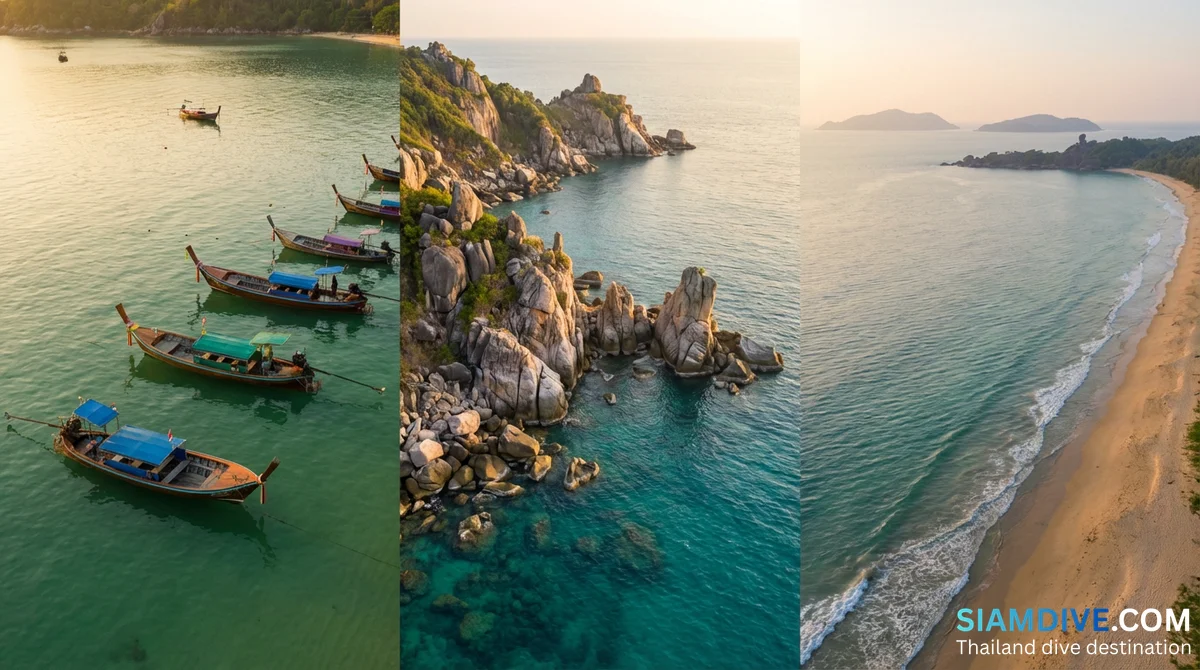
Here's the truth: any PADI or SSI center with good reviews will give you a solid course. Koh Tao in Thailand is the most popular place in the world to learn for a reason — it's affordable, the water is warm year-round, the sites are beginner-friendly, and the instructors have taught thousands of students. But Phuket, Bali, Egypt, and dozens of other destinations work just as well.
Pick a place. Book a course. Show up. Three days later, you'll own a skill that opens up the other 70% of the planet. That's a pretty good deal.