Scuba Day TripsSnorkelingLand TourLiveaboardDive ResortFreedive Trips
Scuba CoursesFreedive Courses
Blog
The Pre-Dive Buddy Check Most Scuba Divers Skip
← Blog

The Pre-Dive Buddy Check Most Scuba Divers Skip

8 เมษายน 2569

Half of all scuba accidents could be prevented by a five-minute BWRAF buddy check. Here's why experienced divers skip it and how to do it right.

The Five-Minute Check That Could Save Your Life

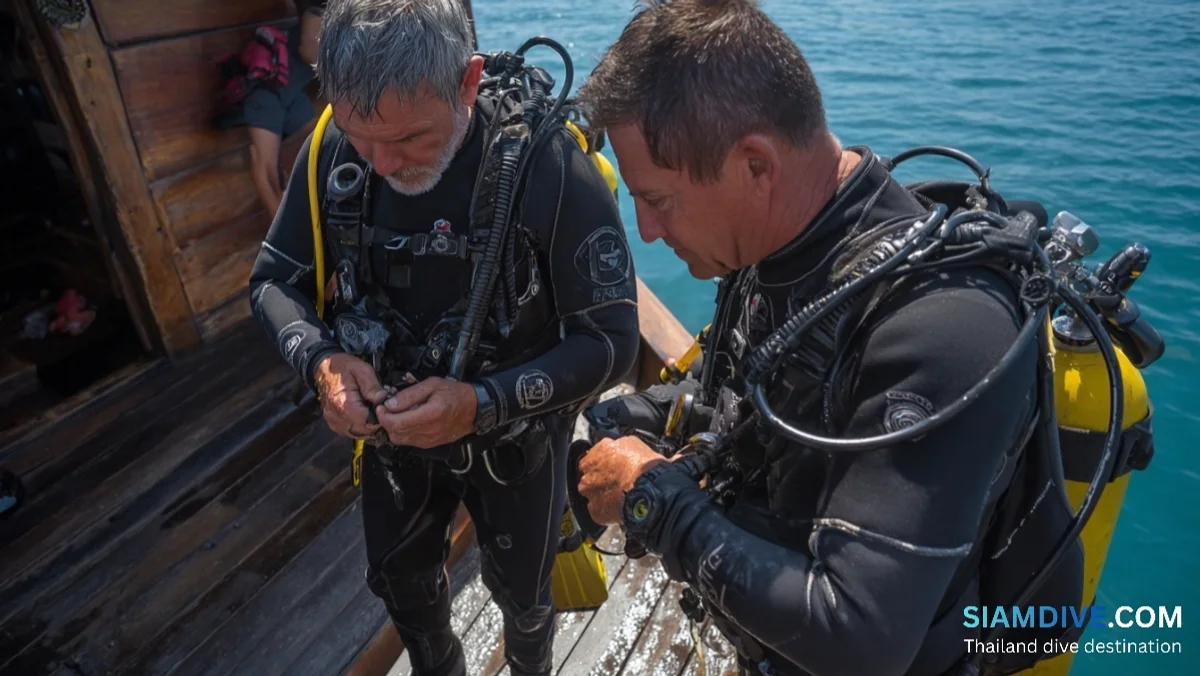
Half of all scuba accidents could be prevented by something that takes less than five minutes. That's not a guess. Divers Alert Network analyzed years of incident reports and found that a proper pre-dive buddy check would have caught the problem before anyone hit the water. Yet on dive boats around the world, you'll see the same thing: a quick "you good?", a thumbs-up, and a giant stride into trouble.

BWRAF — Buoyancy, Weights, Releases, Air, Final check — is the five-step ritual every certified diver learns on day one. It is also the first thing most divers stop doing once they feel comfortable. This guide is a hard look at why that's a bad idea, and what a real buddy check looks like when you do it right.

What BWRAF Actually Stands For

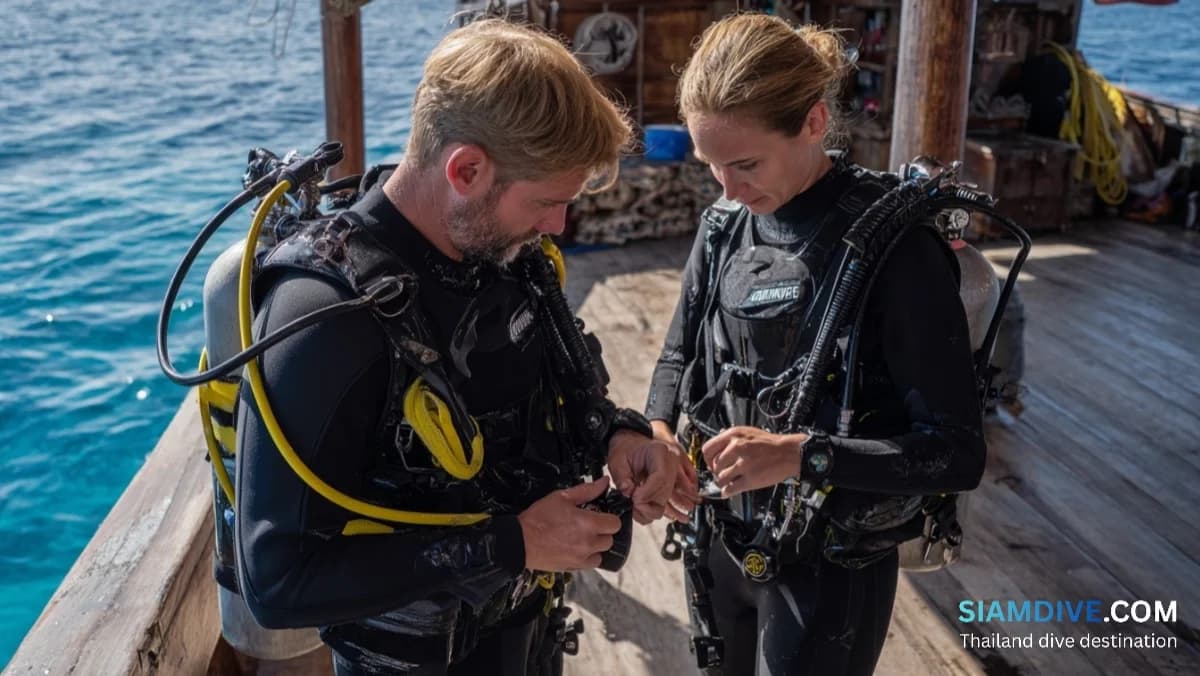
BWRAF is a memory aid for the five things that are most likely to kill you if they go wrong: a BCD that won't inflate, weights that fall off mid-dive, a release you can't find in an emergency, a tank valve that's closed, and loose gear you missed on the deck. Each letter is a system check, not a vibe check.

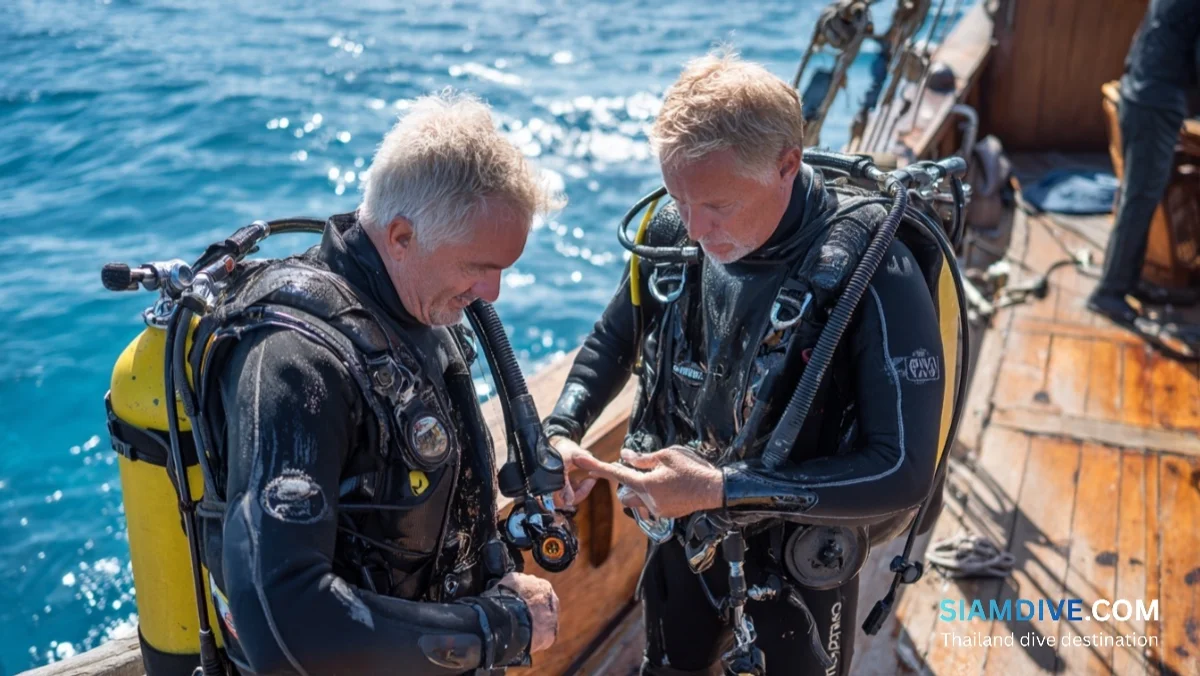
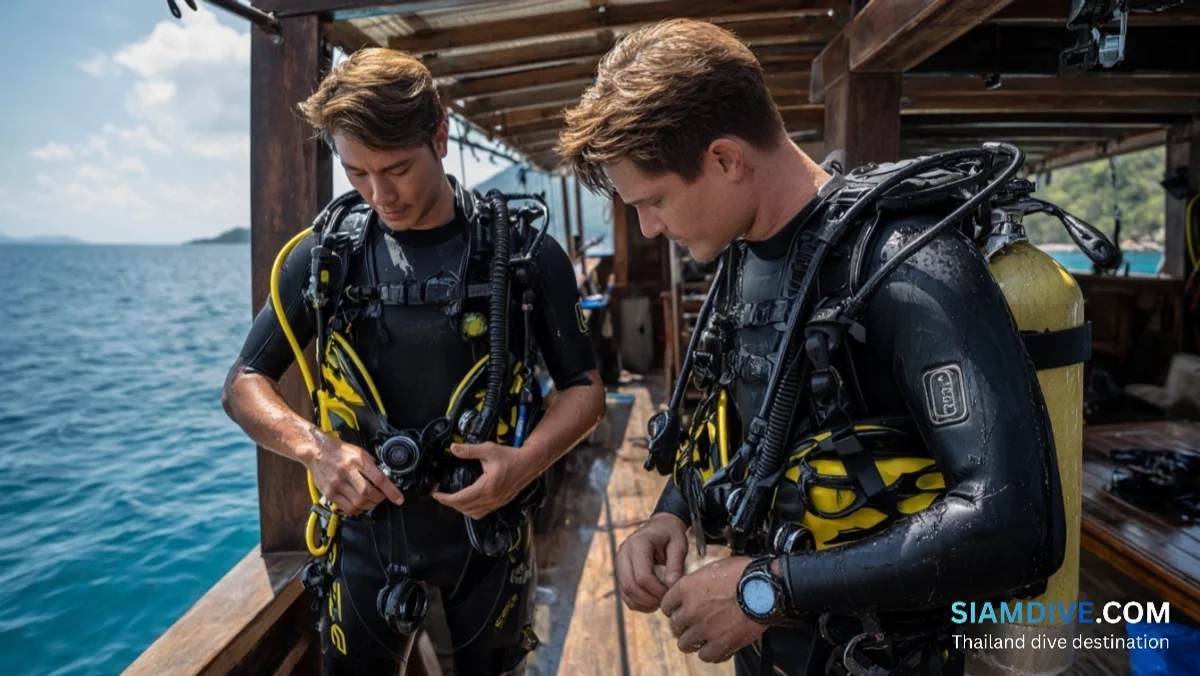
  • B — Buoyancy (BCD): Inflate fully, then dump from every valve — power inflator, shoulder, lower back, overpressure. Each one should hiss steadily without a leak.
  • W — Weights: Tug every weight pocket and belt. They should not shift. Confirm the release mechanism is the same on both sides and that your buddy knows where it is.
  • R — Releases: Tank strap, shoulder buckles, chest clip, waist strap. Point to each one. If your buddy ever has to ditch your gear, they need to know the layout before there's a problem.
  • A — Air: Tank valve fully open. Breathe four or five deep breaths off your primary while watching the SPG. The needle should not twitch. Then breathe off the octopus the same way.
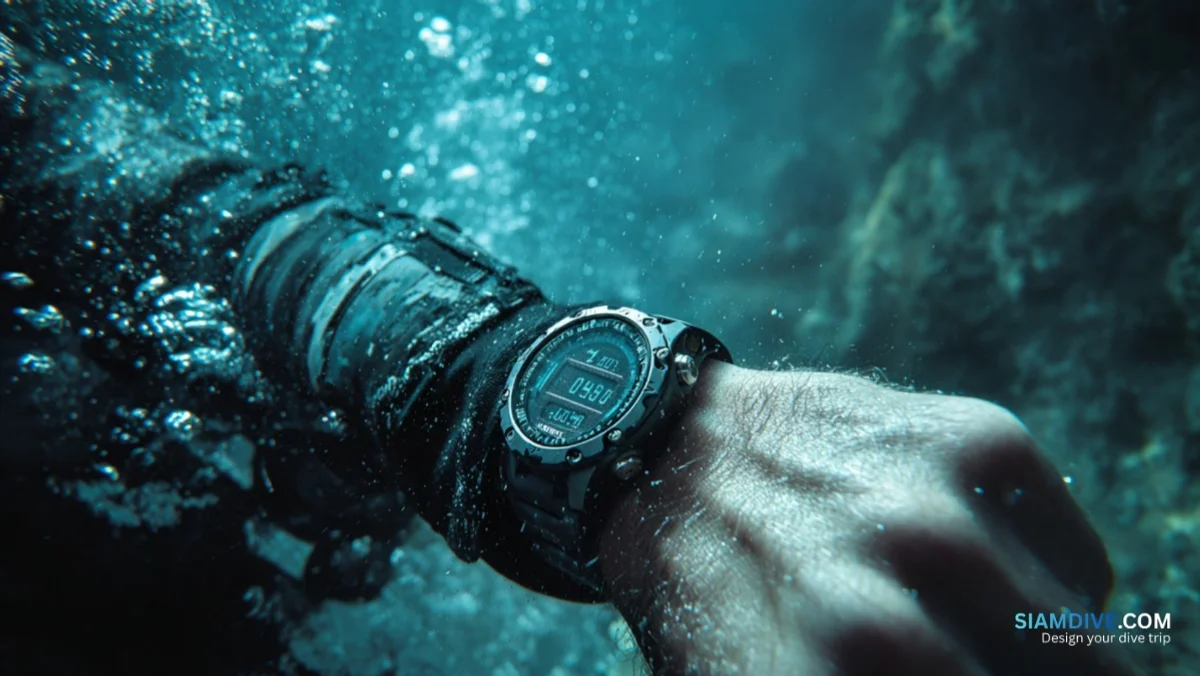
  • F — Final check: Mask, fins, computer in dive mode, SMB packed, hoses tucked, no dangling clips. Look at each other head to toe.

Why Smart Divers Skip It

The most dangerous moment in your diving career is the dive after you start feeling experienced. You've done a hundred dives. You set up your gear yourself. You trust your kit. So you skip the check, or you reduce it to a fist bump and a "all good?" — and that's exactly when the closed valve gets you.

Three things make experienced divers cut corners. Excitement to get in the water. Embarrassment about looking like a beginner in front of a stranger. And the quiet assumption that nothing has changed since the last dive. All three are wrong, and all three have killed people. Tanks get partially closed during transport. Dive shops swap out regulators between dives. Weight pockets work loose on the boat ride. Your gear is not the same gear it was an hour ago.

The Closed Valve Problem

This one deserves its own section because it keeps killing people. A diver checks that the air is on, the regulator breathes fine on the surface, and they descend. At depth, the partially-closed valve can't deliver enough air, the diver can't catch their breath, panics, bolts for the surface, and arrives with an arterial gas embolism.

The fix is brutally simple: open the valve all the way, then breathe deeply off both regulators while watching the pressure gauge for two full breaths. If the needle moves at all, the valve is not fully open. This is the single most important check in BWRAF and the one most often done wrong.

How to Run the Check Without Looking Awkward

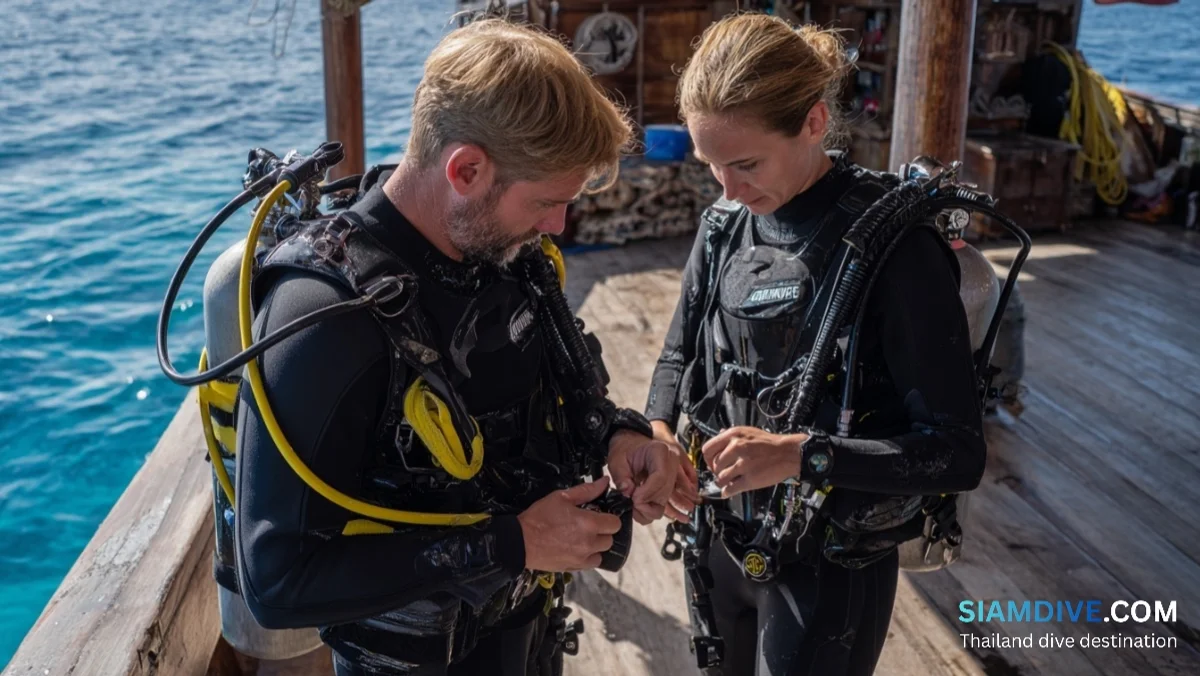
The reason most experienced divers stop doing buddy checks is social. They feel weird asking a stranger on a liveaboard to inspect their gear. The trick is to make it routine and to lead. Don't ask if your buddy wants to do a check — just start. "Hey, mind if I run BWRAF before we go?" Nobody refuses. Most are relieved.

Take two minutes. Talk through each letter out loud — "B, your inflator works, dumps work" — so you're not just touching things at random. Then have them do you. The whole exchange is shorter than the safety briefing you just sat through, and after the first time it stops feeling weird forever.

Buddy Checks on Liveaboards and Group Dives

Liveaboards are where buddy checks die fastest. You're tired, you've done four dives already, you trust the crew, and you want to get to the wreck. This is exactly when you should be doing the most thorough check, not the least. Tanks are switched between every dive. On a busy boat, your tank may have been moved, refilled, or partially turned off by accident.

If you're diving with a guide rather than a true buddy, do the check with whoever is geared up next to you. Most dive guides in Thailand, Indonesia, and the Maldives expect this and will do it back. If a guide brushes you off when you ask, that's a red flag about the operation, not about you being annoying.

When the Check Catches Something

The whole point of BWRAF is the small percentage of dives where you actually find a problem. A loose weight pocket. A free-flowing octopus. A computer in gauge mode instead of dive mode. A tank with 150 bar instead of the 220 you assumed. Each of these is a non-event when you find it on the deck and a serious incident when you find it at 25 meters.

Treat finding something as a win, not an embarrassment. The diver who catches a problem during BWRAF is the diver who didn't make it into a DAN report. That's the entire job.

Make It a Habit, Not a Decision

The divers who never skip buddy checks are not more disciplined than you. They've just stopped deciding. The check happens automatically the moment they finish gearing up, the same way you put your seatbelt on without thinking about whether the drive is short. Five minutes, every dive, no exceptions, no negotiation. After about twenty dives of forcing it, your hands start doing it on their own.

If you're booking dives in Thailand and want operators who actually run buddy checks the way they're supposed to, browse vetted dive shops and liveaboards on siamdive.com. The best operators welcome a thorough check. The ones who don't are telling you something.
← กลับไปหน้า Blog

Gallery

The Pre-Dive Buddy Check Most Scuba Divers Skip — image 1The Pre-Dive Buddy Check Most Scuba Divers Skip — image 2The Pre-Dive Buddy Check Most Scuba Divers Skip — image 3The Pre-Dive Buddy Check Most Scuba Divers Skip — image 4

บทความแนะนำ

Richelieu Rock Diving Guide: Best Site in Thailand 2025

Richelieu Rock Diving Guide: Best Site in Thailand 2025

Discover Richelieu Rock, Thailand's crown jewel of scuba diving. Whale sharks, manta rays, seahorses and world-class biodiversity await in the Andaman Sea.

Hin Daeng & Hin Muang Diving Guide: Thailand's Best Pinnacles

Hin Daeng & Hin Muang Diving Guide: Thailand's Best Pinnacles

Discover Hin Daeng and Hin Muang, Thailand's most thrilling deep-water pinnacles off Koh Lanta with manta rays, whale sharks, and 70m walls.

Hin Phae Diving Guide: Koh Tao's Quiet Granite Pinnacle

Hin Phae Diving Guide: Koh Tao's Quiet Granite Pinnacle

Hin Phae is the small advanced pinnacle 30 m from the Sattakut wreck. Big groupers, healthy coral, and almost no other divers — here's how to dive it.

Octopus Intelligence: The Smartest Creature Underwater

Octopus Intelligence: The Smartest Creature Underwater

Octopuses have 500 million neurons, use tools, recognize faces, and change color in milliseconds. Here is why divers never forget their first encounter.

Similan Islands: Last Weeks to Dive Before the 2026 Season Closes

Similan Islands: Last Weeks to Dive Before the 2026 Season Closes

The Similan Islands close in mid-May 2026. Here's why the final weeks offer the best diving conditions and how to book a last-minute liveaboard trip.

Hin Sawaeng Diving Guide: Koh Lipe's Wall and Pinnacle Gem

Steep walls, dramatic drop-offs, and rich marine life make Hin Sawaeng one of Koh Lipe's most rewarding dive sites. Complete guide with tips and conditions.

Shark Island Koh Tao Diving Guide: The Gulf's Best Drift Site

Shark Island Koh Tao Diving Guide: The Gulf's Best Drift Site

Shark Island off Koh Tao's southeast tip offers advanced drift diving, purple coral walls, and occasional blacktip shark sightings — here's everything you need.

King Kong Pinnacle Koh Tao Diving Guide: The Island's Quietest Pinnacle

King Kong Pinnacle Koh Tao Diving Guide: The Island's Quietest Pinnacle

King Kong Pinnacle south of Koh Tao is the island's least-dived pinnacle — healthy reef, relaxed fish, and empty water for divers who want peace.

First Liveaboard Trip in Thailand: What to Actually Expect

First Liveaboard Trip in Thailand: What to Actually Expect

Your first Thai liveaboard trip means early wake-ups, compact cabins, 3-5 dives daily, and a routine that clicks by day two. Here's the honest version.

7 Reasons Thailand Is the Best Place to Scuba Dive

7 Reasons Thailand Is the Best Place to Scuba Dive

Two coastlines, warm water year-round, whale sharks for the price of a nice dinner — here's why more divers choose Thailand than almost anywhere else on earth.

Nitrox Diving Guide: Benefits, Risks & MOD Explained

Nitrox Diving Guide: Benefits, Risks & MOD Explained

Master Enriched Air Nitrox diving — understand MOD calculations, oxygen toxicity risks, EAN32 vs EAN36, and how Nitrox extends your bottom time safely.

Should You Get Scuba Certified? An Honest Answer

Should You Get Scuba Certified? An Honest Answer

Real costs, time commitments, physical requirements, and risks of scuba certification — plus a smart way to test the waters before you invest.

Koh Haa Diving Guide: Five Islands of Crystal Clear Water

Koh Haa Diving Guide: Five Islands of Crystal Clear Water

Dive Koh Haa's lagoon, Cathedral cave, and deep pinnacles from Koh Lanta. All-level sites with 20-30m visibility and rich marine life.

Koh Ha Yai Diving Guide: The Cathedral Cave and Beyond

Koh Ha Yai Diving Guide: The Cathedral Cave and Beyond

Home to the famous Cathedral cave and chimney swim-through, Koh Ha Yai delivers some of Koh Lanta's most memorable dives. Complete guide inside.

Cleaning Stations: The Secret Social Hubs of the Reef

Cleaning Stations: The Secret Social Hubs of the Reef

Discover cleaning stations — where predators open their mouths for tiny fish and shrimp to crawl inside. The most fascinating animal behavior you can witness on any dive.

How to Start Scuba Diving: A Complete Beginner's Guide

How to Start Scuba Diving: A Complete Beginner's Guide

Ready to try scuba diving but don't know where to begin? This step-by-step guide covers everything from choosing a course to your first ocean dive.

Marine Life Etiquette: A Diver's Guide to Not Being That Person

Marine Life Etiquette: A Diver's Guide to Not Being That Person

No touching, no chasing, reef-safe sunscreen and the ethics of underwater photography — the etiquette every diver owes the ocean.

PADI Open Water Course: What It Involves Day by Day

PADI Open Water Course: What It Involves Day by Day

A day-by-day breakdown of the PADI Open Water course — theory, pool sessions, open water dives, required skills, and what to expect at each stage.

Samaesan Wreck Diving: Sattahip's Quieter Alternative to Pattaya

Samaesan Wreck Diving: Sattahip's Quieter Alternative to Pattaya

HTMS Hardeep, drift sites at Koh Chuang and Koh Chan, and a 2-hour drive from Bangkok. The honest guide to diving Samaesan and Sattahip.

Tanote Bay Koh Tao Guide: Snorkeling, Diving, and Cliff Jumping

Tanote Bay Koh Tao Guide: Snorkeling, Diving, and Cliff Jumping

Tanote Bay on Koh Tao's east coast offers fringing reefs, a cliff jumping rock, and a sunken catamaran — the island's best all-in-one shore day.

ทริปแนะนำ

Hug Ocean Boat
daytrip

Hug Ocean Boat

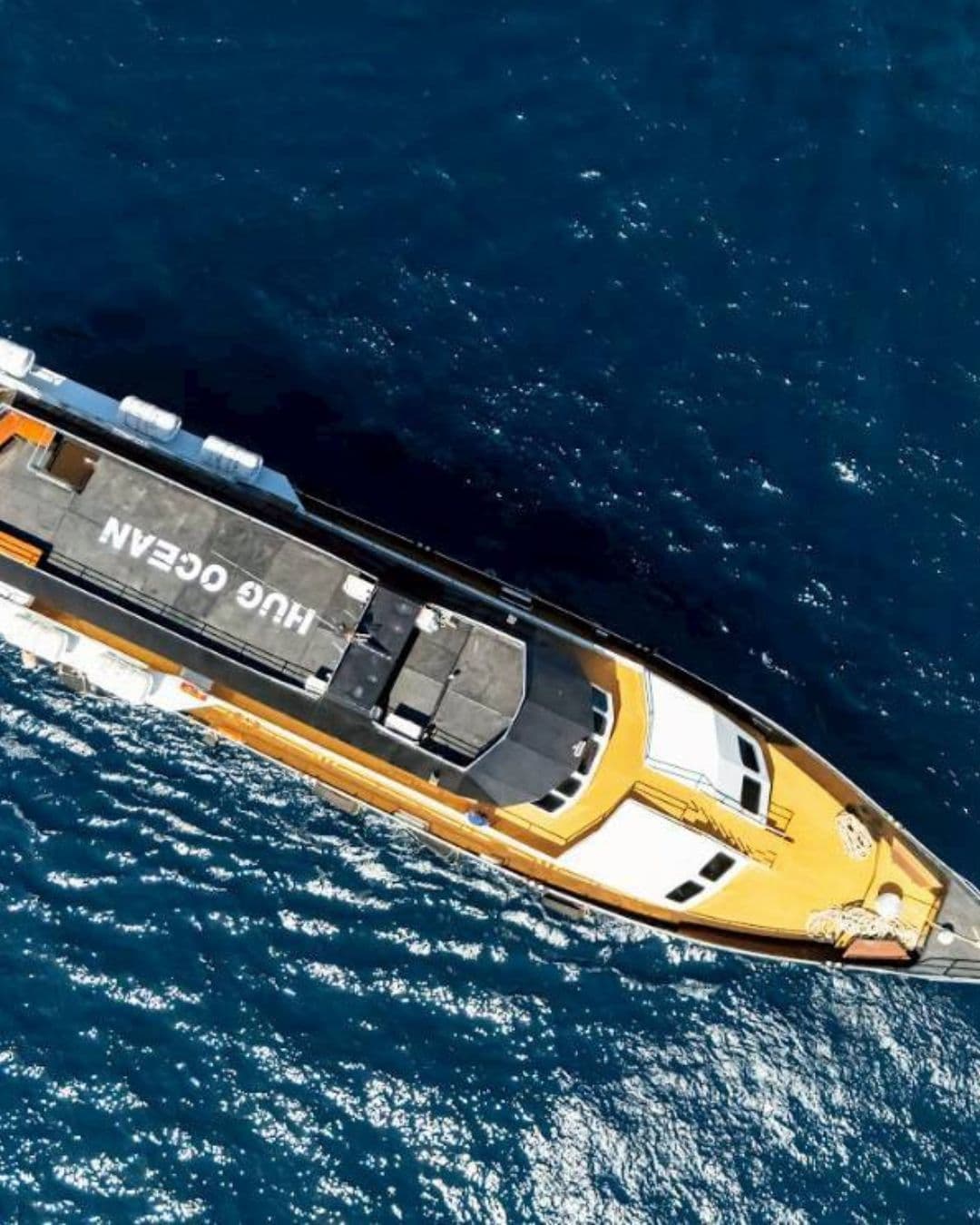
Discover Phuket's Andaman Sea aboard Hug Ocean — a luxury 3-deck dive yacht for 80 guests with a thrilling water slide, sun-soaked top deck, and PADI-certified diving at Racha Yai and Racha Noi.

Aquarian Liveaboard
liveaboard

Aquarian Liveaboard

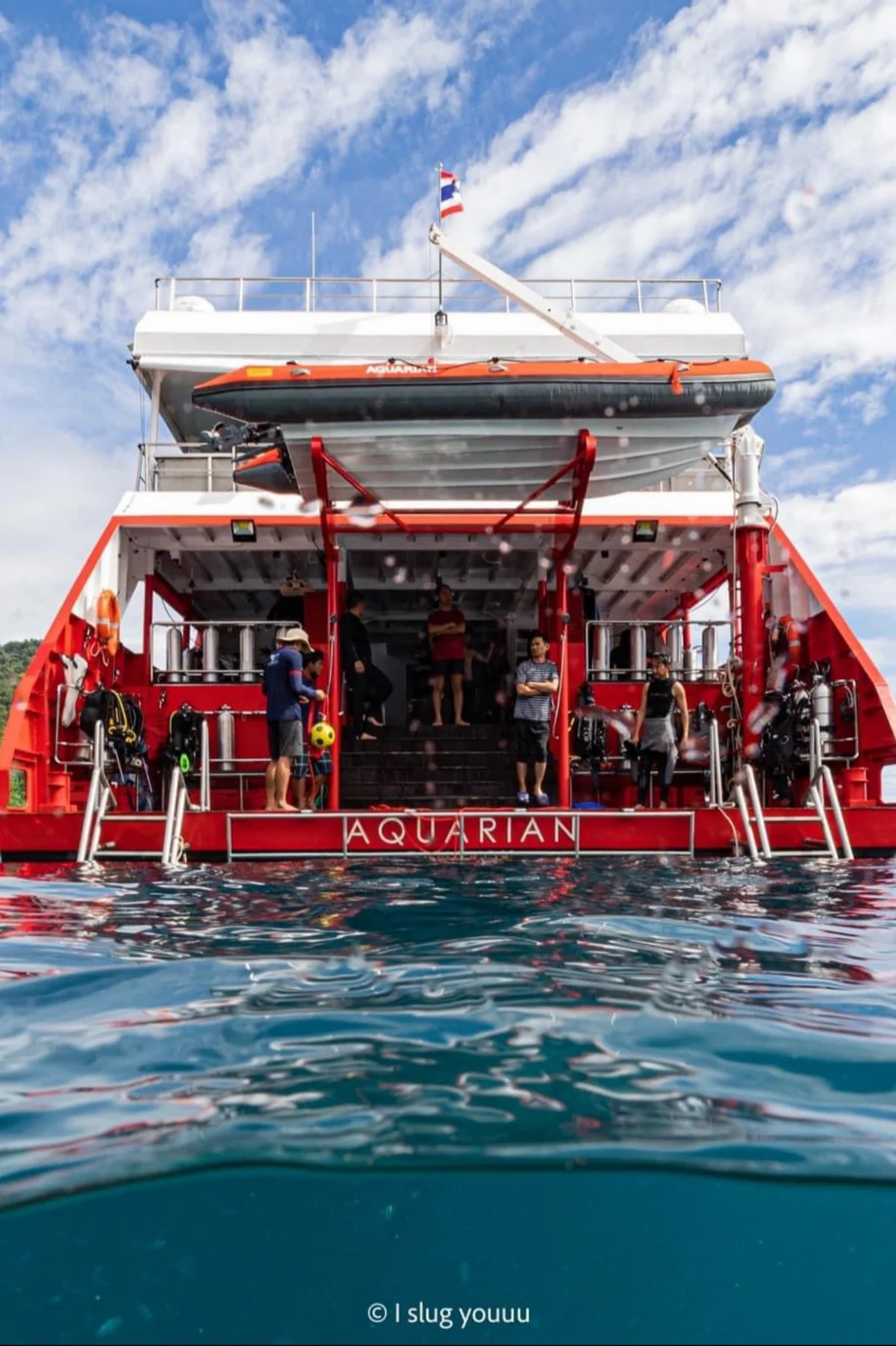
MV Aquarian — striking 2021-built red steel liveaboard, 31.4 m × 7.5 m, max 28 guests in 14 cabins. Free unlimited Nitrox via Coltri Sub membranes, one of Thailand's largest dive platforms, and full premium-hotel comfort.

Issara Liveaboard
liveaboard

Issara Liveaboard

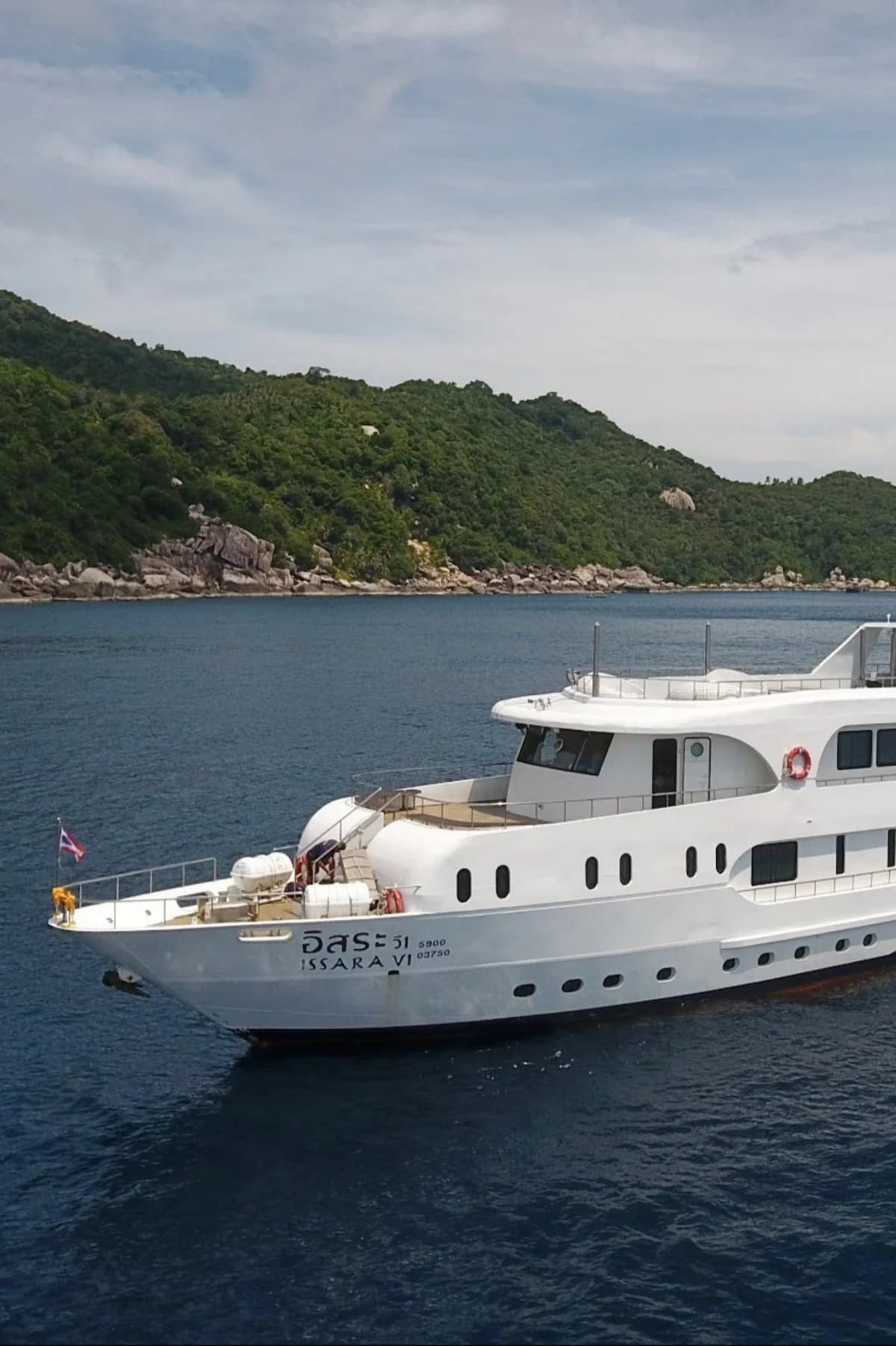
MV Issara — high-end Thai steel-hulled liveaboard built 2016–17, 28.5 m × 6.5 m, 4 decks, max 22 guests in 11 hotel-style cabins. Indoor saloon, jacuzzi sun deck, full-board buffet dining.

Mandarin Queen 5
daytrip

Mandarin Queen 5

Brand-new Phuket dive boat — 26.2 m M/V Mandarin Queen 5 with spacious dive platform, lounge and upper sun deck. Daily day trips to King Cruiser Wreck, Shark Point, Anemone Reef, Racha Yai and Racha Noi.