Best Spots for One Day Dive Trips in Thailand
14 เมษายน 2569
From Koh Tao's budget-friendly reefs to Koh Lanta's pristine waters, here are Thailand's top destinations for a single day of scuba diving.
Why Thailand Works So Well for Day Trip Diving
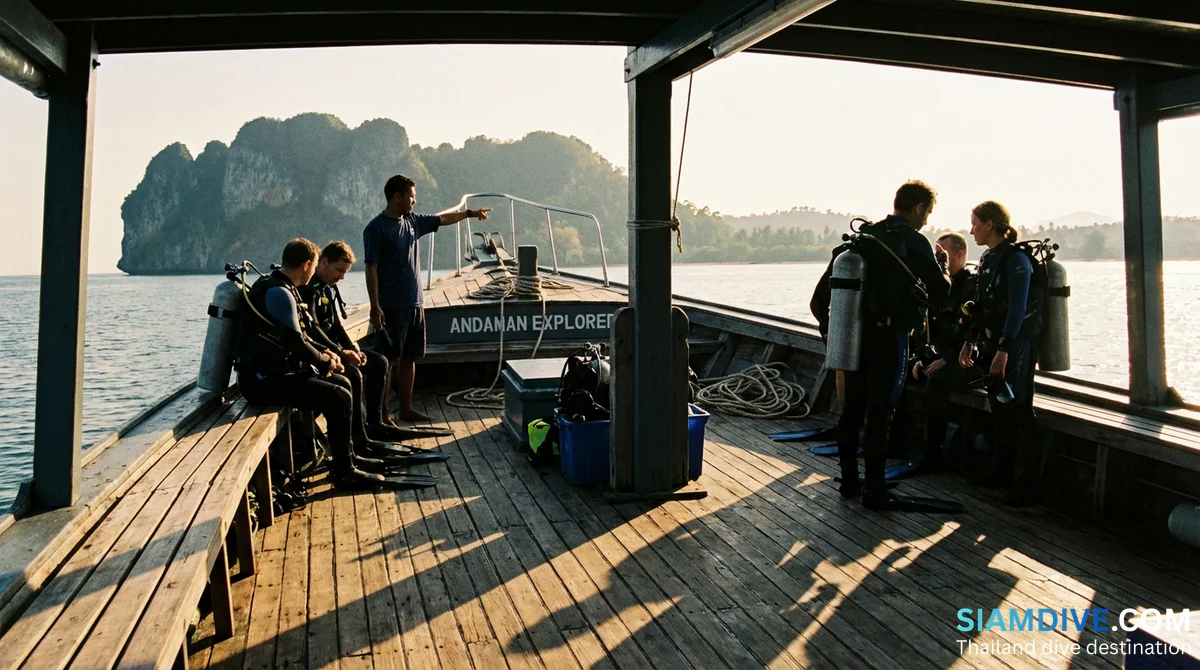
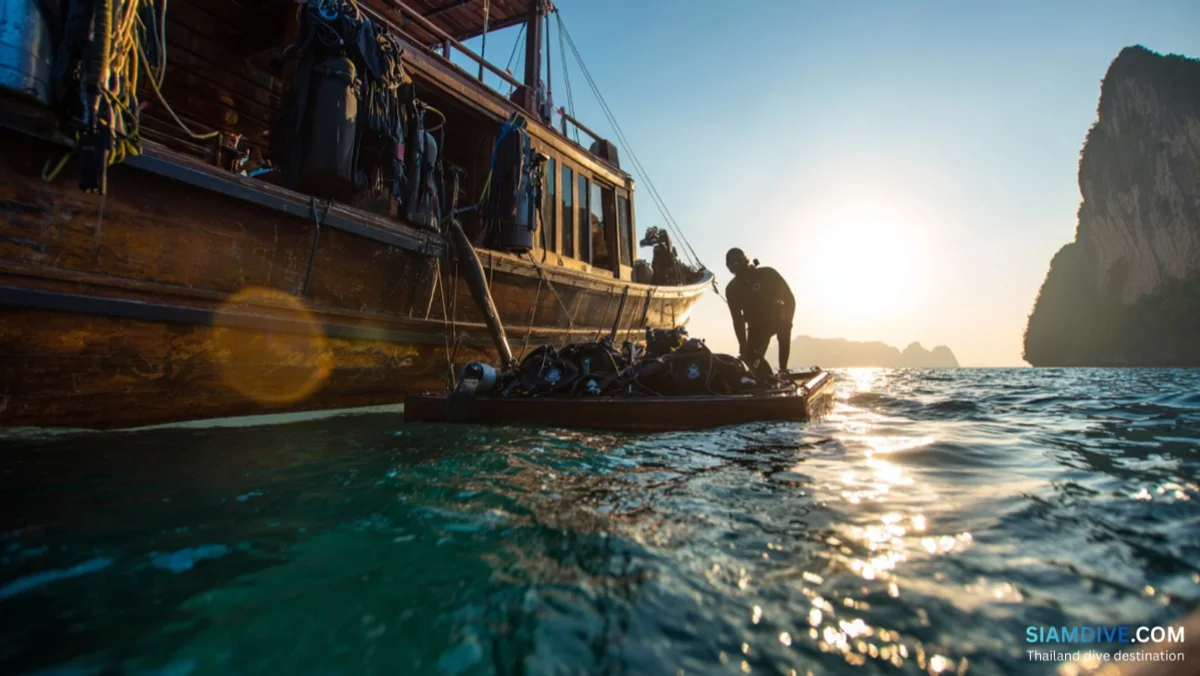
Most dive destinations force you into multi-day commitments. Thailand doesn't. The country's geography — hundreds of islands scattered across two coastlines — means quality dive sites sit within 20 minutes to 2 hours of established tourist hubs. You can wake up in a beachfront hotel, spend the morning underwater, eat lunch on the boat, do a second dive, and be back on land by 4 PM with sand still in your hair.
The infrastructure helps too. Thailand has more PADI dive centers per square kilometer than almost anywhere in Southeast Asia. Competition keeps prices low, quality reasonably high, and availability year-round on at least one coast. Whether you're squeezing a dive into a beach holiday or specifically traveling to explore reefs, the day trip format here delivers.
Koh Tao — The Budget King
Koh Tao earned its reputation as the cheapest place in the world to learn scuba diving, and day trips follow the same pattern. With over 70 dive shops crammed onto an island you can drive across in 20 minutes, the competition drives prices to levels you won't find anywhere else in Thailand.
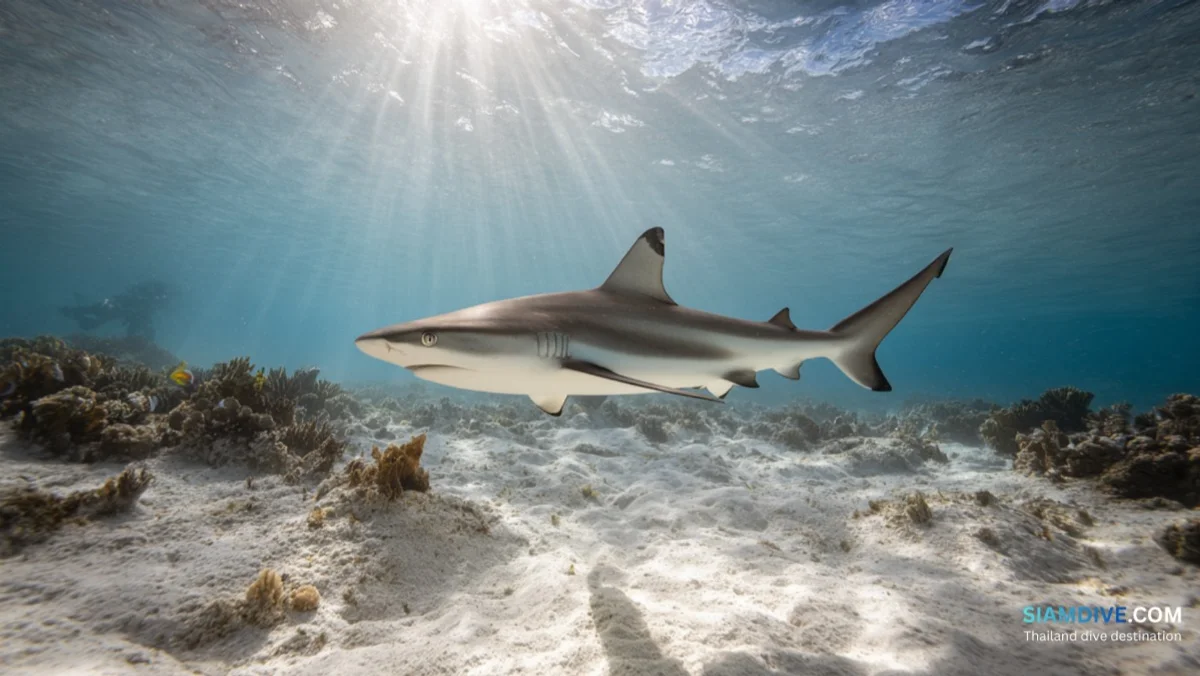
What you'll see: Shark Bay lives up to its name with regular blacktip reef shark sightings in shallow water. Jansom Bay offers easy reef diving with turtles — both Hawksbill and Green turtles frequent the area. Japanese Gardens is a sprawling shallow reef perfect for newer divers, with anemones, clownfish, and the occasional barracuda cruising overhead.
Conditions: Visibility averages 15-25 meters in good season, water temperature stays between 27-30°C year-round. The Gulf side is diveable 12 months a year, though October-December brings rougher seas and reduced visibility.
Price: 2,000-3,500 THB ($55-95 USD) for 2 dives including full equipment, guide, and lunch.
Best for: Budget divers, beginners, and anyone who wants the most dives per dollar. The social scene on Koh Tao is a bonus — you'll meet other divers at every restaurant and bar.
Getting there: Ferry from Koh Samui (1.5 hours by speedboat) or Chumphon on the mainland (1.5-6 hours depending on ferry type). Most dive operators include island pickup in their price.
Phuket — Convenience Meets Coral
Phuket's biggest advantage is accessibility. Direct international flights land here daily, and you can be on a dive boat within hours of clearing customs. The island serves as a launch point for several distinct dive areas, each with its own character.
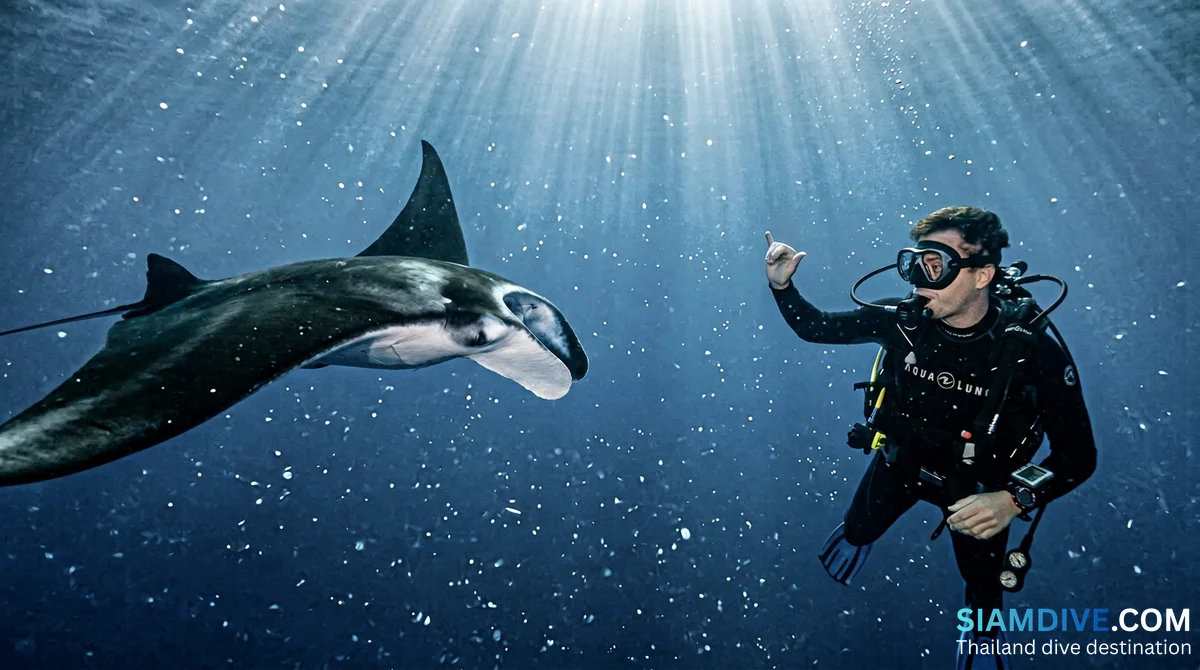
What you'll see: Day trips from Phuket typically head to the Phi Phi Islands (Koh Bida Nok and Koh Bida Nai for reef walls and blacktip sharks), Racha Yai (clear water and easy conditions), or the Coral Island (Koh Hae) for shallow beginner-friendly reefs. The Phi Phi route is the most popular, offering limestone walls covered in soft corals, leopard sharks resting on sandy bottoms, and occasional reef mantas.
Conditions: The Andaman side has its best visibility from November through April — 15-25 meters is common. The monsoon season (May-October) brings reduced visibility and rougher seas, though some sites remain diveable.
Price: 3,000-5,000 THB ($85-140 USD). Higher than Koh Tao because of longer boat rides and fuel costs. Speedboat trips to Phi Phi take about 90 minutes each way.
Best for: Travelers already in Phuket who want to add diving to their holiday without a separate island trip. Also good for combining diving with snorkeling — many Phi Phi tours offer both on the same boat.
Getting there: Dive operators pick up from Patong, Kata, Karon, and other major beach areas. Chalong Pier is the main departure point.
Koh Lanta — Where Serious Divers Go
Koh Lanta flies under the radar compared to Phuket and Koh Tao, but ask experienced divers in Thailand where they'd choose for a day trip and Lanta comes up constantly. The reason is simple: Koh Haa.
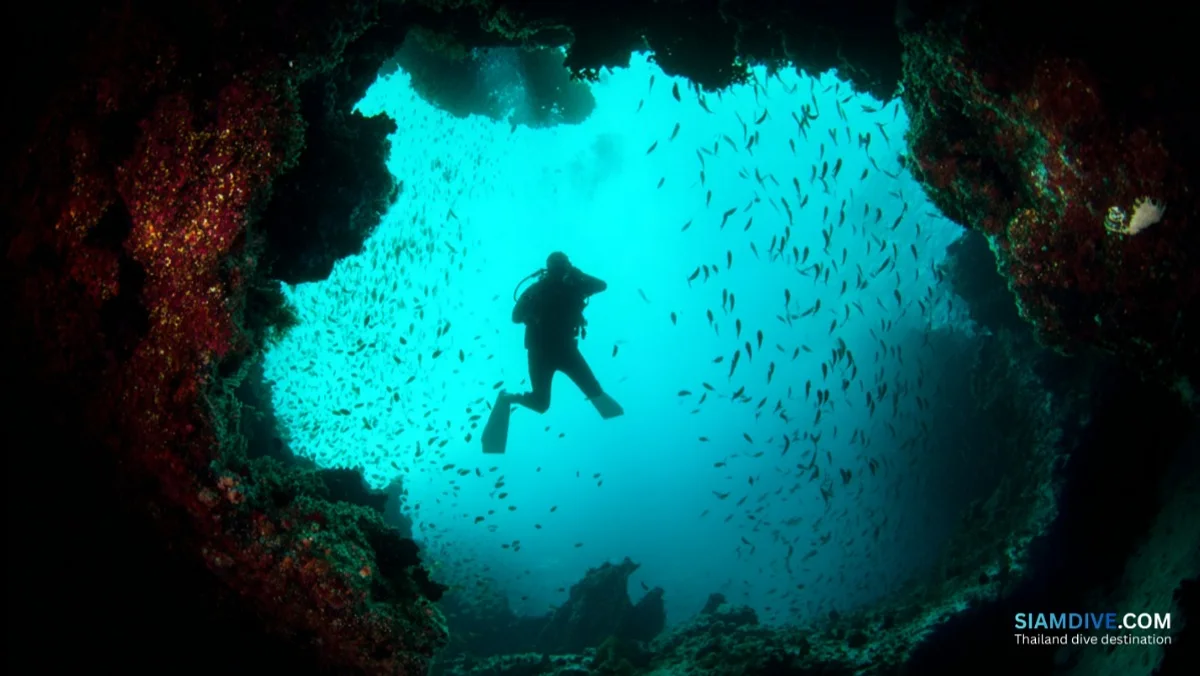
What you'll see: Koh Haa is a cluster of five small islands with underwater caves, swim-throughs, and walls that drop into deep blue water. The coral coverage here is genuinely pristine — this isn't a site that gets 50 boats a day. Marine life includes ghost pipefish (both robust and ornate varieties), seahorses, blue-ringed octopus, and the occasional whale shark or manta ray passing through during February-April. Koh Rok, another common day trip destination, has some of the clearest water in Thailand.
Conditions: Visibility at Koh Haa regularly hits 20-30 meters during peak season. Water temperature 27-29°C. The sites are protected from the worst currents, making them accessible to divers of most levels despite the advanced marine life.
Price: 3,500-5,500 THB ($95-155 USD). The highest day trip prices in Thailand, but the dive quality justifies it. Park entrance fees (400 THB for foreigners) are sometimes extra.
Best for: Experienced divers who prioritize marine life diversity and site quality over price. Also excellent for underwater photographers — the visibility and subject variety at Koh Haa make it one of Thailand's best macro photography destinations.
Getting there: Fly to Krabi, then take a minivan and ferry to Koh Lanta (about 2.5 hours total). Dive boats depart from Saladan or Ban Sala Dan pier.
Koh Chang — The Uncrowded Alternative
Koh Chang sits in the eastern Gulf near the Cambodian border, far from the main tourist circuits. That isolation is exactly the point. The island's dive sites see a fraction of the traffic that Koh Tao or Phuket handle, and the underwater scenery hasn't been degraded by over-tourism.
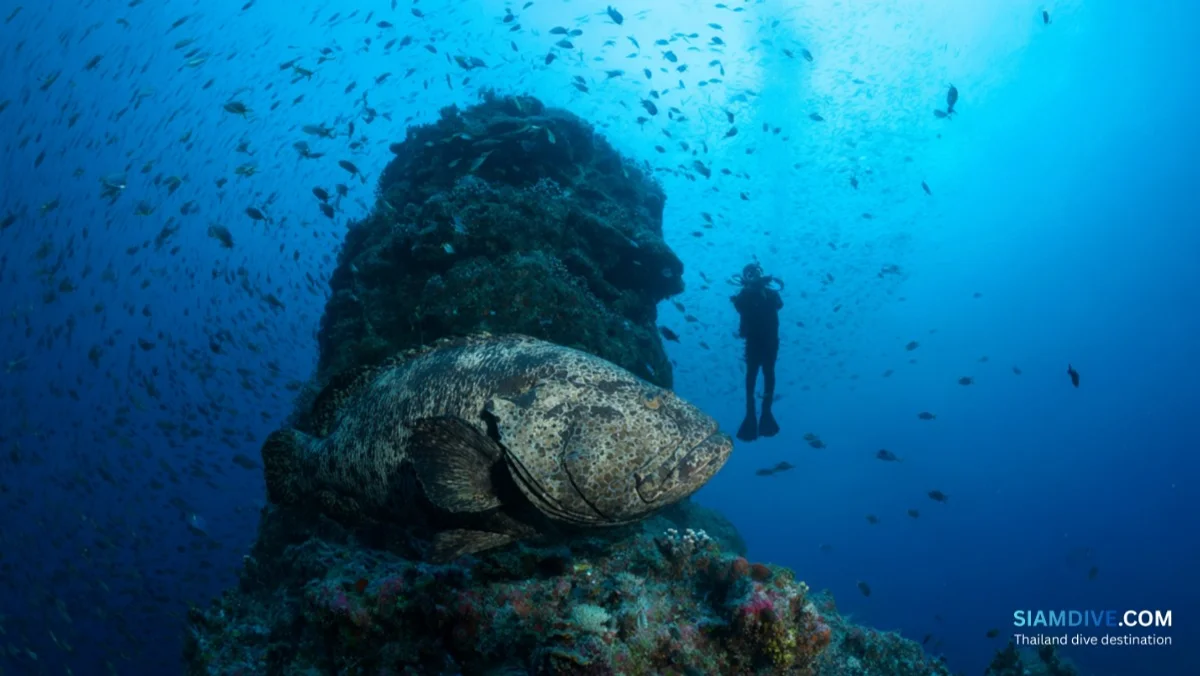
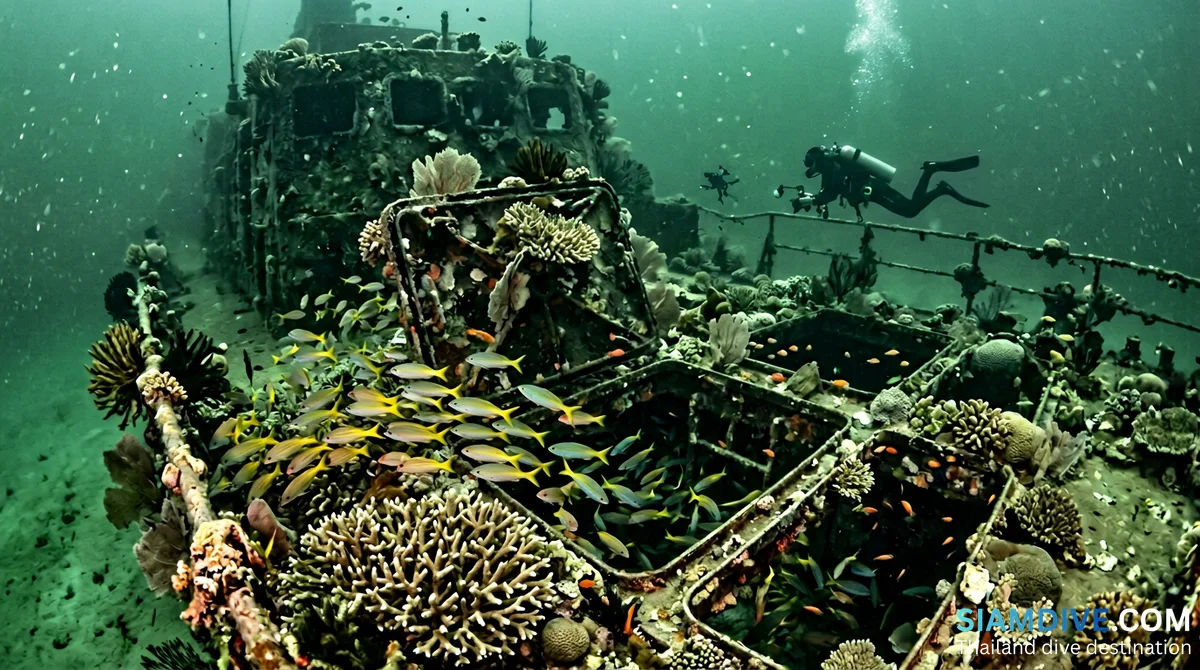
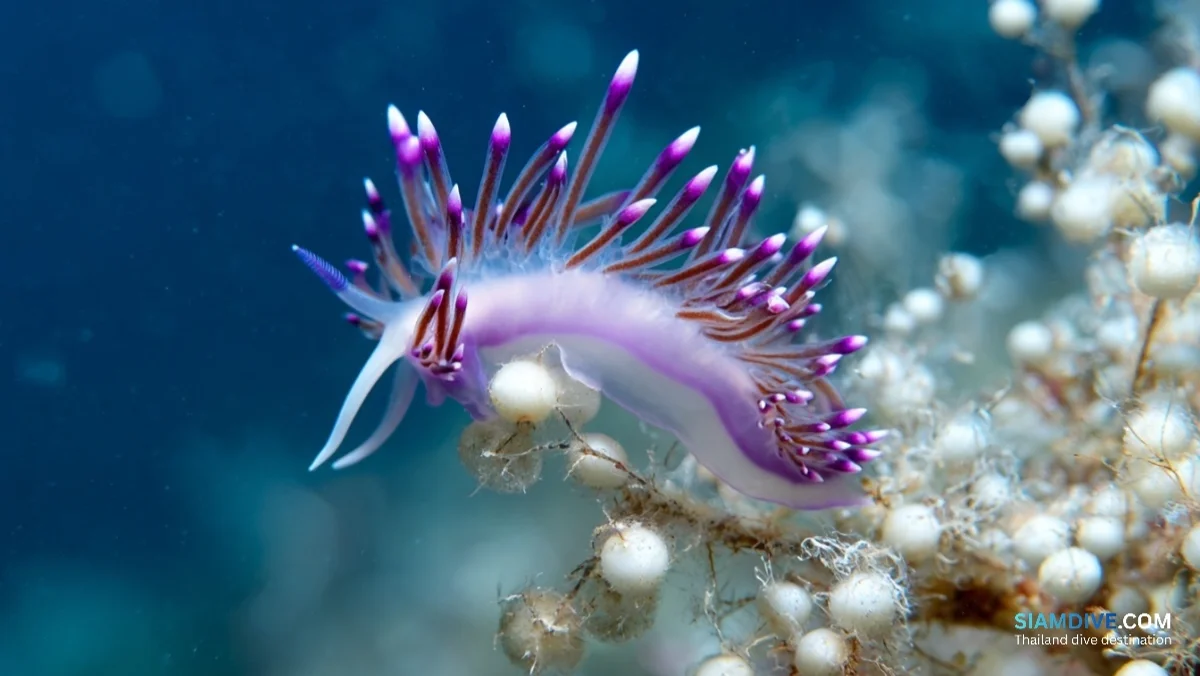
What you'll see: Day trips visit Mu Koh Chang National Marine Park, including Koh Rang — a cluster of uninhabited islands with healthy hard coral gardens. The HTMS Chang, a decommissioned Thai Navy vessel deliberately sunk in 2012, sits at 30 meters and is one of Thailand's most accessible wreck dives. Reef sites feature giant groupers, moray eels, nudibranchs, and schooling barracuda.
Conditions: Visibility is typically 10-20 meters, occasionally hitting 25 meters on good days. Water temperature 27-30°C. Conditions are calmest from November through May. The sites aren't deep — most top out at 20-25 meters — making them suitable for Open Water certified divers.
Price: 3,000-4,500 THB ($85-125 USD). Chang Diving, operating since 2005 with SDI/TDI/PADI certifications, is the most established operator on the island. They run day trips from 999 THB for try dives.
Best for: Divers who want to avoid crowds. If the idea of sharing a dive site with four other boats makes you uncomfortable, Koh Chang is your answer. The wreck dive alone is worth the trip if you have Advanced Open Water certification.
Getting there: Fly to Trat (1 hour from Bangkok), then ferry to Koh Chang (30 minutes). Alternatively, drive or bus from Bangkok to Trat pier (5-6 hours).
Pattaya — Quick and Easy from Bangkok
Let's be honest about Pattaya: the diving here isn't going to win any awards for marine biodiversity. What Pattaya offers is pure convenience. It's 2 hours from Bangkok by car, dive sites are 20-40 minutes from shore, and you can fit a complete 2-dive day trip between breakfast and dinner without waking up before dawn.
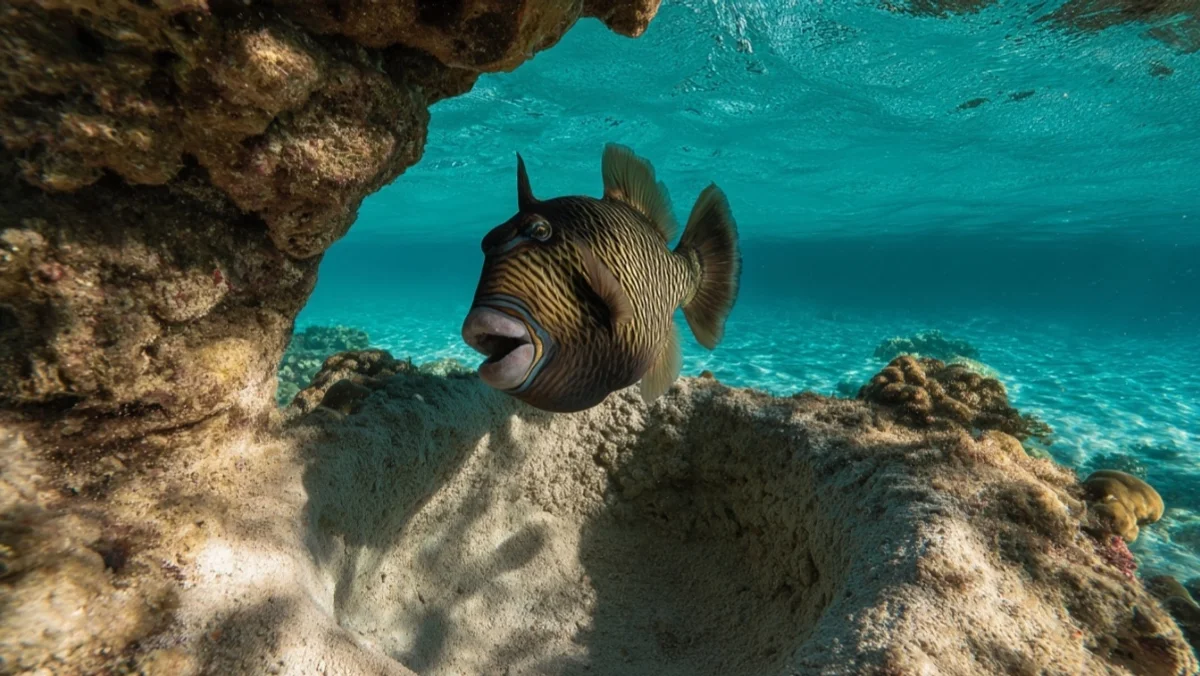
What you'll see: Nearshore sites like Koh Rin and Koh Sak have basic reef structures with common tropical fish — butterflyfish, angelfish, triggerfish, and the occasional turtle. The HTMS Khram, a shipwreck at 25 meters, is the area's most interesting dive. Visibility is the main limitation; Pattaya's proximity to river outflows and heavy boat traffic keeps things murky compared to island destinations.
Conditions: Visibility ranges from 5-15 meters on a typical day. You'll get the best conditions from November through February when seas are calmest. Water temperature 27-29°C.
Price: 2,500-4,000 THB ($70-110 USD). Comparable to Koh Tao but with less impressive sites.
Best for: Bangkok residents or visitors who can't justify traveling to an island but still want to get underwater. Also works for try dives and beginner courses if island travel isn't an option.
Getting there: Drive, bus, or taxi from Bangkok (1.5-2.5 hours depending on traffic). All dive operators include hotel pickup from central Pattaya.
Koh Samui — Gateway to Gulf Diving
Koh Samui itself doesn't have spectacular local reefs, but the island functions as a comfortable base for reaching some of the Gulf's best sites. Most day trips from Samui head to Koh Tao's dive sites — Chumphon Pinnacle, Sail Rock, and Southwest Pinnacle — via speedboat, which takes about 90 minutes.
What you'll see: Sail Rock is the standout: a massive underwater chimney with a vertical swim-through called "The Chimney" and consistently good pelagic action — batfish, barracuda, trevally, and occasional whale sharks between March and June. Chumphon Pinnacle delivers similar big-fish encounters with added density of bull sharks during the right season. Local Samui sites like Koh Taan offer shallower, more relaxed alternatives.
Conditions: At the offshore sites, visibility reaches 15-25 meters in good months (March-May). Local Samui reefs show 10-15 meters typically. Water temperature 27-30°C.
Price: 3,500-5,000 THB ($95-140 USD). The premium over Koh Tao pricing reflects the speedboat transfer cost. If you're already on Koh Tao, you'll pay less for the same dives.
Best for: Travelers based on Koh Samui for resort holidays who want serious diving without relocating. Samui has better hotels, restaurants, and nightlife than Koh Tao, so this is the compromise: luxury base, day trip to the dive sites.
Getting there: Direct flights from Bangkok (1 hour). Ferry from Surat Thani or Don Sak pier (1.5-3 hours). Dive operators pick up from all major beach areas.
How to Pick the Right Destination for You
The choice depends on three things: your budget, your experience level, and what else you want from the trip.
- Tightest budget? Koh Tao. Nothing else comes close on price-per-dive.
- Best marine life? Koh Lanta. The quality at Koh Haa is in a different league from most Thai day trip sites.
- Easiest access? Phuket (international flights) or Pattaya (drive from Bangkok).
- Fewest crowds? Koh Chang. The remoteness keeps visitor numbers low.
- Best wreck diving? Koh Chang (HTMS Chang) or Pattaya (HTMS Khram).
- Luxury base + great diving? Koh Samui with day trips to Sail Rock and Chumphon Pinnacle.
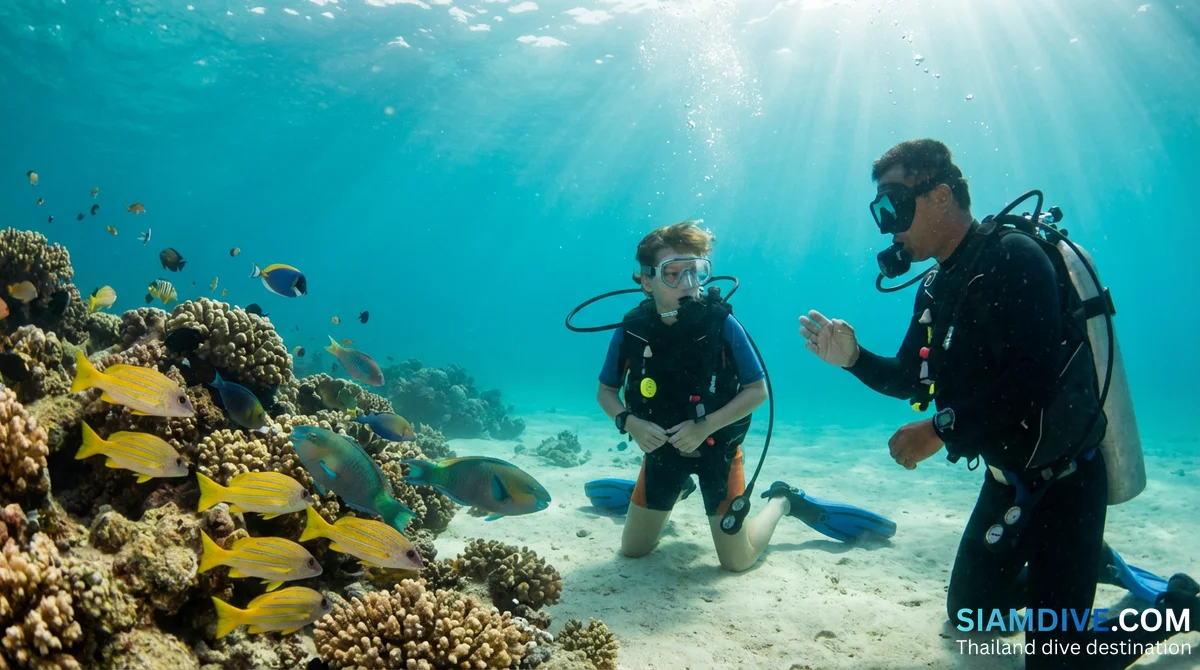
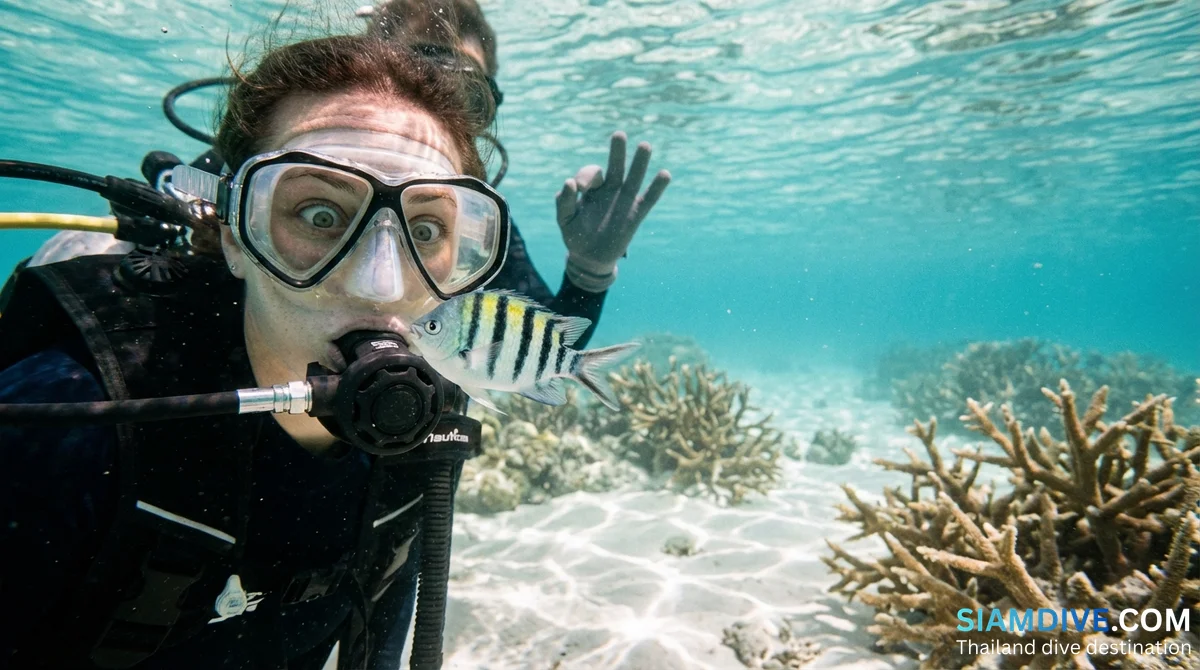
- First time diving? Koh Tao or Phuket — both have extensive beginner programs and calm, shallow sites.
If you're certified and flexible on dates, consider hitting two destinations. A week split between Koh Tao (Gulf) and Koh Lanta (Andaman) gives you both coastlines and a completely different underwater experience on each.
Start Planning Your Day Trip
Thailand's day trip diving scene covers every budget and skill level. The hardest part is choosing — once you're on the boat, the rest takes care of itself. Compare operators, check seasonal conditions, and match your destination to what matters most to you. Browse curated day trip options for all these destinations at siamdive.com.