Aow Leuk Koh Tao Diving Guide: The Island's Best Beginner Bay
11 เมษายน 2569
Aow Leuk on Koh Tao's southeast coast offers shallow reefs, juvenile blacktip sharks, and easy shore diving — the perfect beginner bay on the island.
The Southeast Bay That Beginners Fall in Love With
Aow Leuk (also written Ao Leuk) is a sheltered bay on Koh Tao's southeast coast, sitting between Tanote Bay to the north and Shark Bay to the south. It is one of the few places on the island where the reef starts just a short swim from the sandy beach and stays shallow enough for snorkelers and first-time divers to enjoy without needing a boat at all. The bay is roughly 2.4 kilometers from Mae Haad pier and is reachable by scooter, taxi, or as part of an island-hopping boat tour.
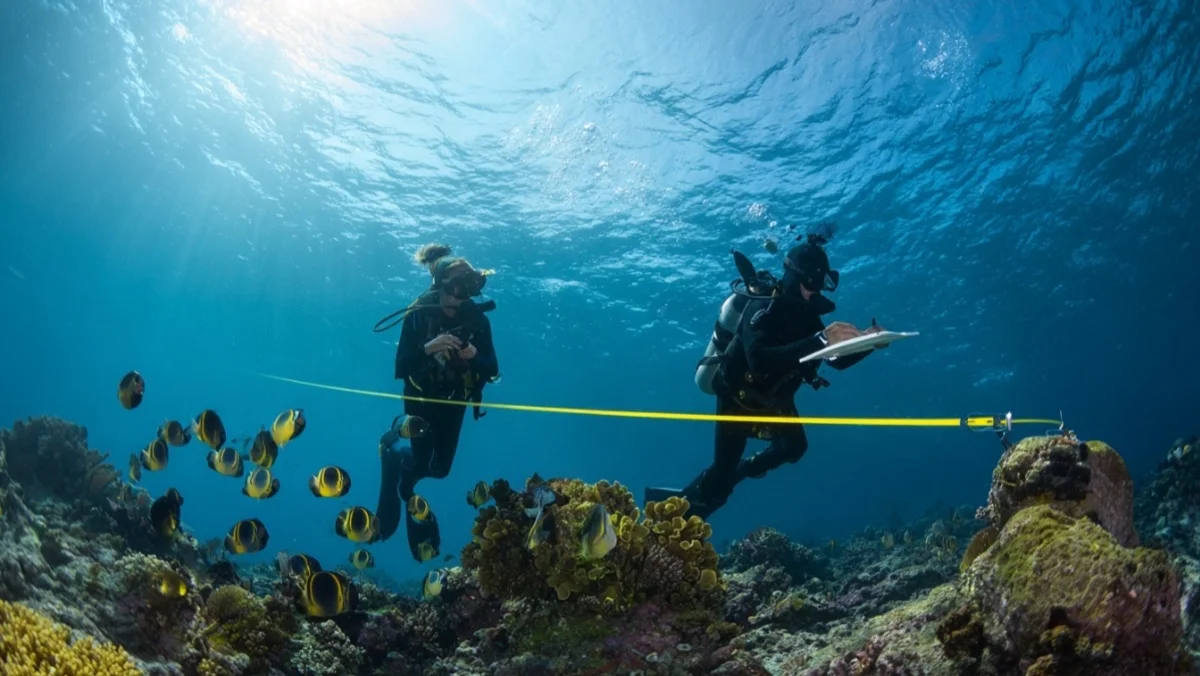
This is a calm, crescent-shaped bay with almost no current and a sandy bottom that makes entries and buoyancy work forgiving. The reef starts at 1 meter and gradually drops to about 18 meters at the deepest edge, with most of the good stuff sitting between 6 and 12 meters. There are no surprises here — just a healthy shallow reef, warm water, and enough marine life to keep you busy for an hour and a half.
Why Aow Leuk Is a Must-Visit for New Divers and Snorkelers
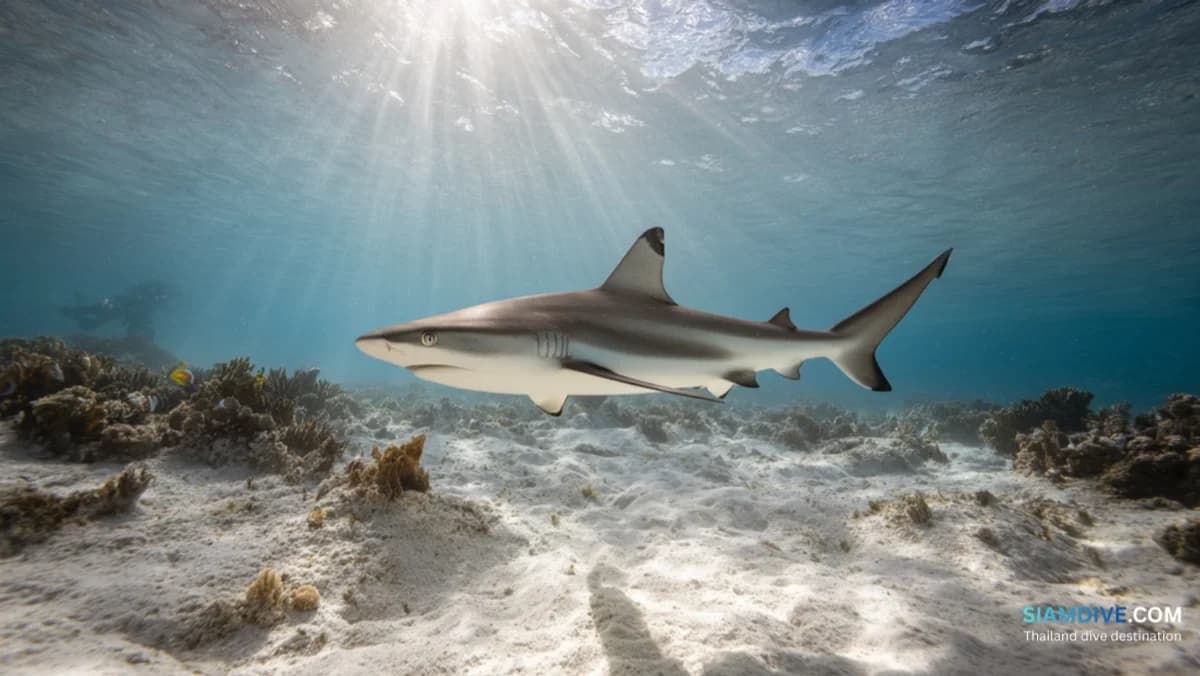
Aow Leuk has earned its reputation as one of Koh Tao's best beginner-friendly spots for a few specific reasons. First, there is no current to fight. Second, you can see marine life in water that is waist-deep — kids can snorkel from the beach and spot reef fish almost immediately. Third, it is one of the few sites on the island where juvenile blacktip reef sharks hang around in shallow water, and they are far less skittish here than at Shark Bay next door.
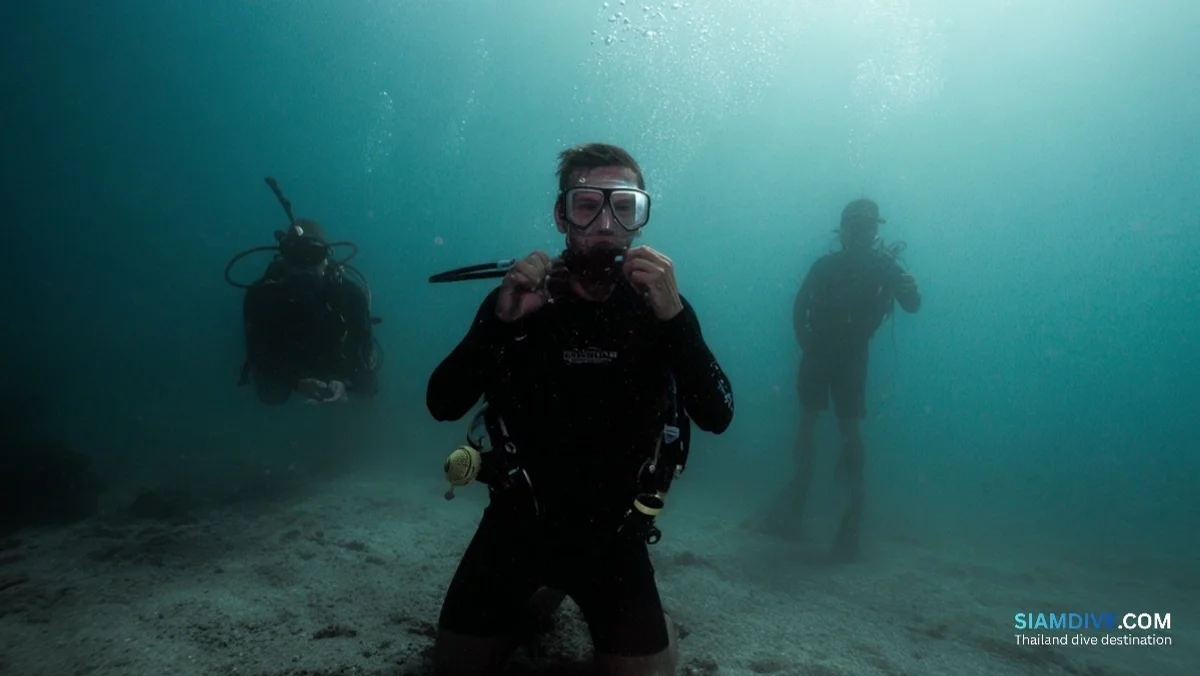
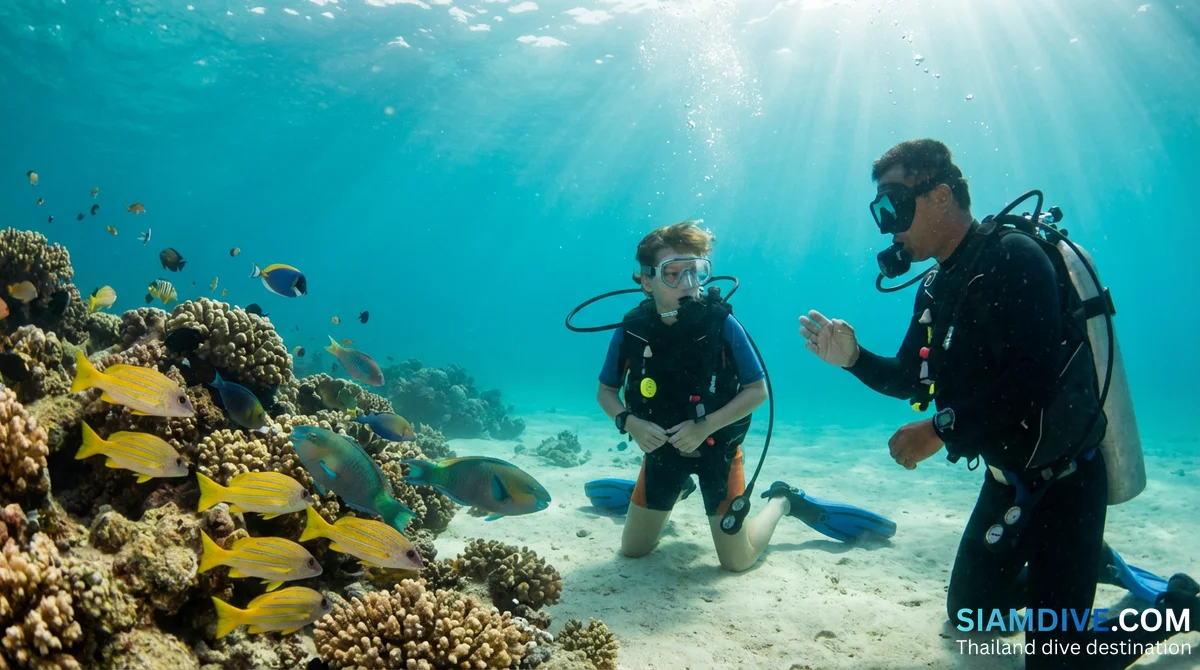
For Discover Scuba Diving sessions and Open Water training dives, the instructors love this site because they can teach skills in the sandy patches in the middle of the bay and then take students out to the reef at the edges for a proper fun dive without ever exceeding 12 meters. That is rare — most training sites feel like you are doing drills in a pool, but at Aow Leuk you get the training plus real wildlife.
Best Dive Areas in the Bay
The two reefs that matter at Aow Leuk sit at either end of the bay, facing each other. The one on the right side (when you are facing the sea from the beach) has the densest and healthiest coral cover, and most instructors start their dives there. The left-side reef has similar fish life but slightly fewer corals and more scattered bommies.
- Right reef (south end): the best coral cover in the bay, healthy staghorn, brain corals, and plenty of anemones with clownfish families — start here if you want the best colors
- Left reef (north end): scattered bommies in shallower water, great for new divers still working on buoyancy, and often where the juvenile blacktips hang out
- Hin Ngam boulders: a boulder cluster just south of the bay that some operators drop divers at for a gentle drift back into Aow Leuk — max depth around 18 meters, sandy patches in between for macro hunting
- Central sandy area: the middle of the bay is mostly sand, which is perfect for Open Water skill practice and garden eels if you move slowly
Marine Life You Will Encounter
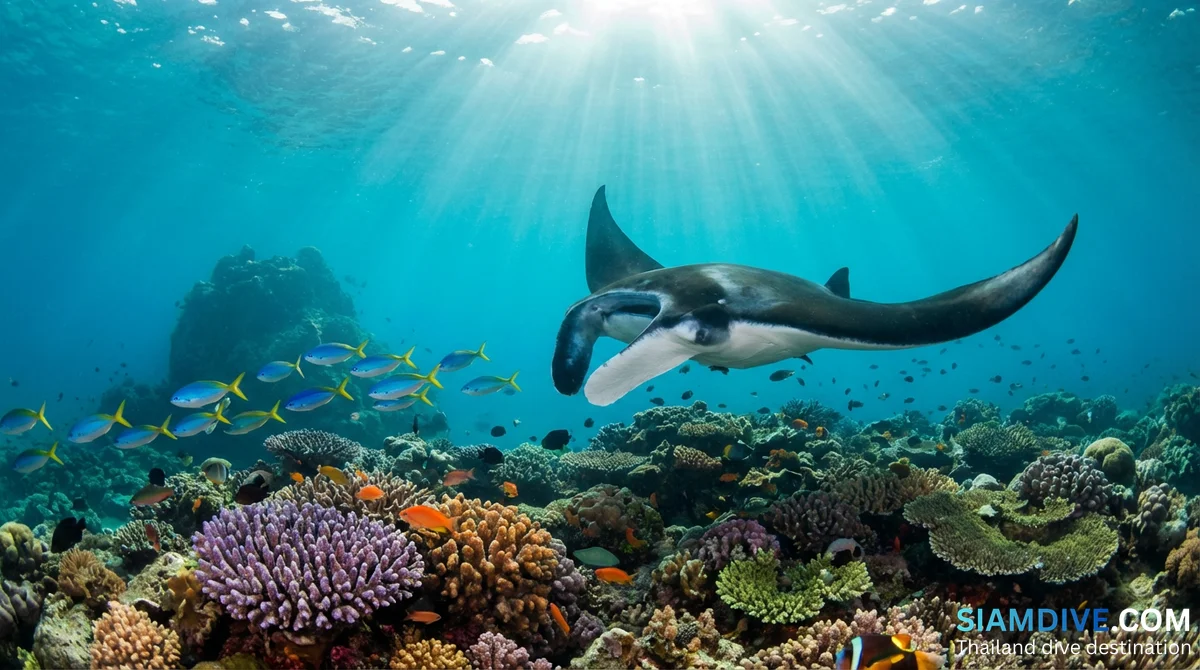
Aow Leuk punches above its weight for marine life. Because the bay is protected and the reef sits so shallow, you see a lot of species that prefer warm, stable conditions, plus some juvenile predators that use the bay as a nursery.
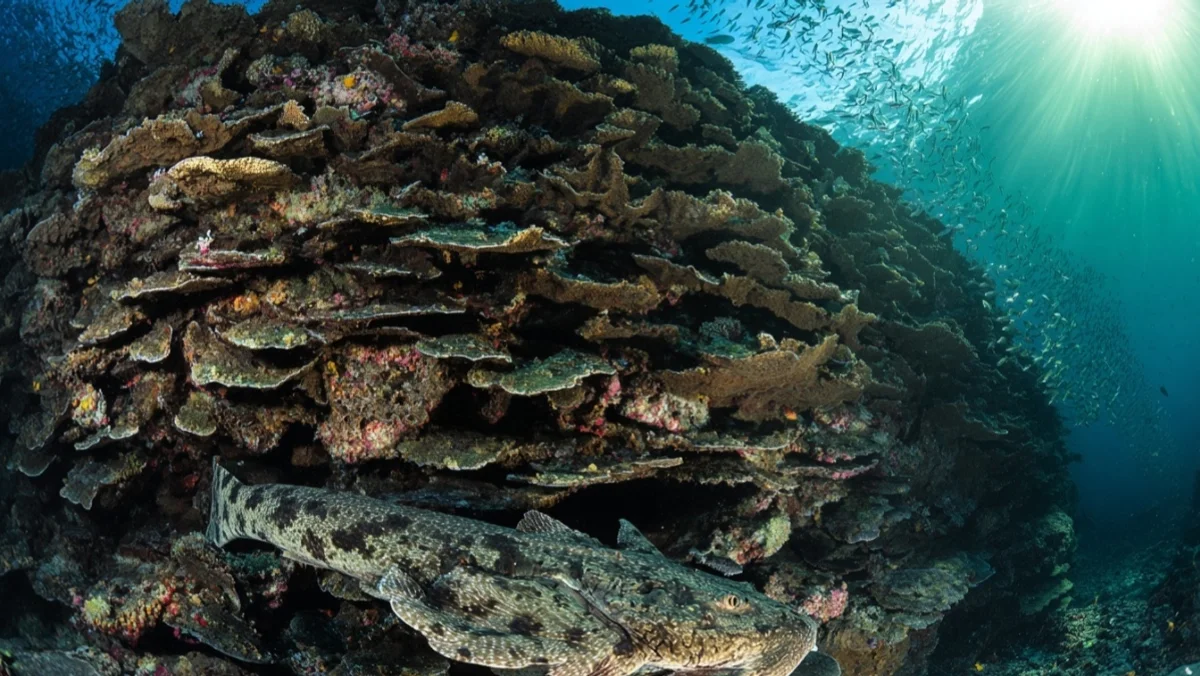
- Juvenile blacktip reef sharks: the most famous residents, usually 1 to 1.5 meters long, cruising the shallows near the boulders on the south side — harmless and fairly relaxed around divers
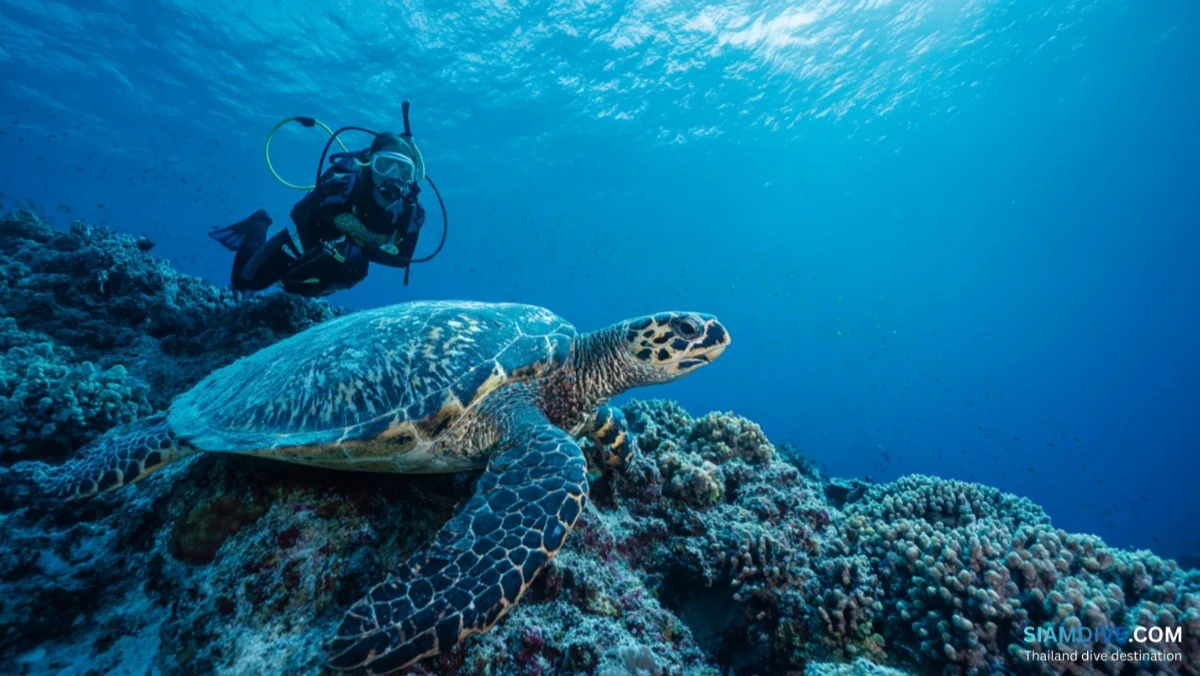
- Green sea turtles: show up regularly, usually feeding on the corals or napping on the sand between reef sections
- Reef fish: butterflyfish, sergeant majors, yellowtail barracuda, harlequin sweetlips, parrotfish, oriental butterflyfish, yellow boxfish, and dozens of wrasse species
- Sand dwellers: garden eels swaying in colonies on the sandy patches, blue-spotted stingrays half-buried, goatfish digging around
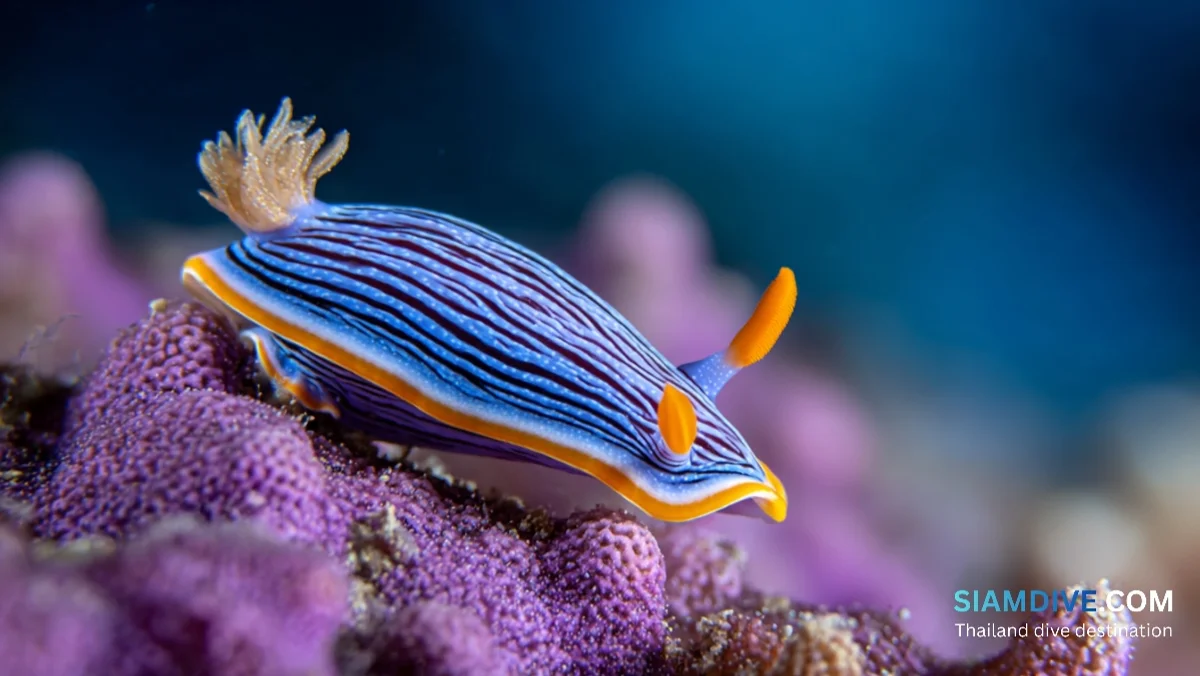
- Macro: nudibranchs on the bommies, shrimp in the anemones, and the occasional octopus tucked into a coral head
- Sneaky hazards: scorpionfish are common — watch where you put your hands, and never touch the reef
Best Time to Dive Aow Leuk
Aow Leuk is divable year-round thanks to its sheltered position. The bay faces southeast, so the southwest monsoon (May to October) barely touches it — while sites on the west coast get hammered by wind swell, Aow Leuk stays calm. The best visibility is during the dry season, from December to April, when the water gets noticeably clearer and the surface is glassy in the mornings.
If you can only go once, pick a morning slot. The bay is most peaceful between 8 and 10 AM before the day-trip boats arrive, and the light is good for underwater photography. By lunchtime the bay fills up with snorkel groups from Samui and Phangan, and it gets crowded until around 3 PM. Late afternoon clears out again, but the light is harsher by then.
How to Get to Aow Leuk
You have three options for getting to Aow Leuk, and the right one depends on how much independence you want.
Scooter from Sairee or Mae Haad: the fastest option. Rent a scooter for 200 to 300 THB per day, head south toward Chalok, and turn left just past the Koh Tao Animal Clinic and Blacktip Cafe. There is a well-paved concrete road all the way down to the beach. Parking is at the end. The beach entry fee is 50 to 100 THB per person, paid at the gate when you arrive. If the driver stops at a paid entrance, tell them you want the free access point instead.
Taxi: around 300 to 500 THB one way from Sairee, shareable with other passengers. This is the easy option if you are not confident on a scooter — the road has a few steep descents that can catch inexperienced riders out.
Boat or snorkel tour: most Koh Tao snorkel and dive shops include Aow Leuk on their island-hopping trips. Expect 1,000 to 1,500 THB for a full-day tour with gear, lunch, and a guide, usually departing Mae Haad around 10 AM and returning at 5 PM. Tours typically visit Koh Nang Yuan (extra 250 THB fee), Mango Bay, Hin Wong, and Shark Bay alongside Aow Leuk.
Practical Tips for Diving and Snorkeling Aow Leuk
- Certification: Open Water is plenty. Even Discover Scuba students dive here. Snorkelers of any level are fine, including kids
- Gear: bring your own mask and snorkel if you have them — rental gear on the beach works but is used hard by tour groups. For scuba, book with a Koh Tao dive shop and they will supply everything for about 1,000 THB for a two-tank day
- Water shoes for the entry: the beach is sandy but there are some rocks closer to the reef edges, and scorpionfish camouflage against them
- Reef-safe sunscreen only: the shallow coral here is especially vulnerable. Regular sunscreen with oxybenzone kills it on contact
- Go early: before 10 AM is the quietest time, with the best light and fewest snorkelers
- Don't touch anything: the juvenile sharks are harmless if you keep your distance, but touching any marine life stresses them and breaks the rules most Koh Tao dive operators enforce
- Bring cash: the beach entry fee is cash only, and the one or two small restaurants on the beach rarely take cards
Is Aow Leuk Worth the Trip?
For first-time divers, families with snorkeling kids, or anyone who wants a relaxed shallow reef experience without the logistics of a full dive boat trip, Aow Leuk is one of the best choices on Koh Tao. For experienced divers chasing deep pinnacles and big pelagics, it will feel too easy. But as a second dive of the day after something more demanding, or as a perfect introduction to reef diving for someone you are trying to get hooked on scuba, it is hard to beat. The combination of shallow reef, juvenile sharks, and shore access makes it a genuinely unique site on Koh Tao.
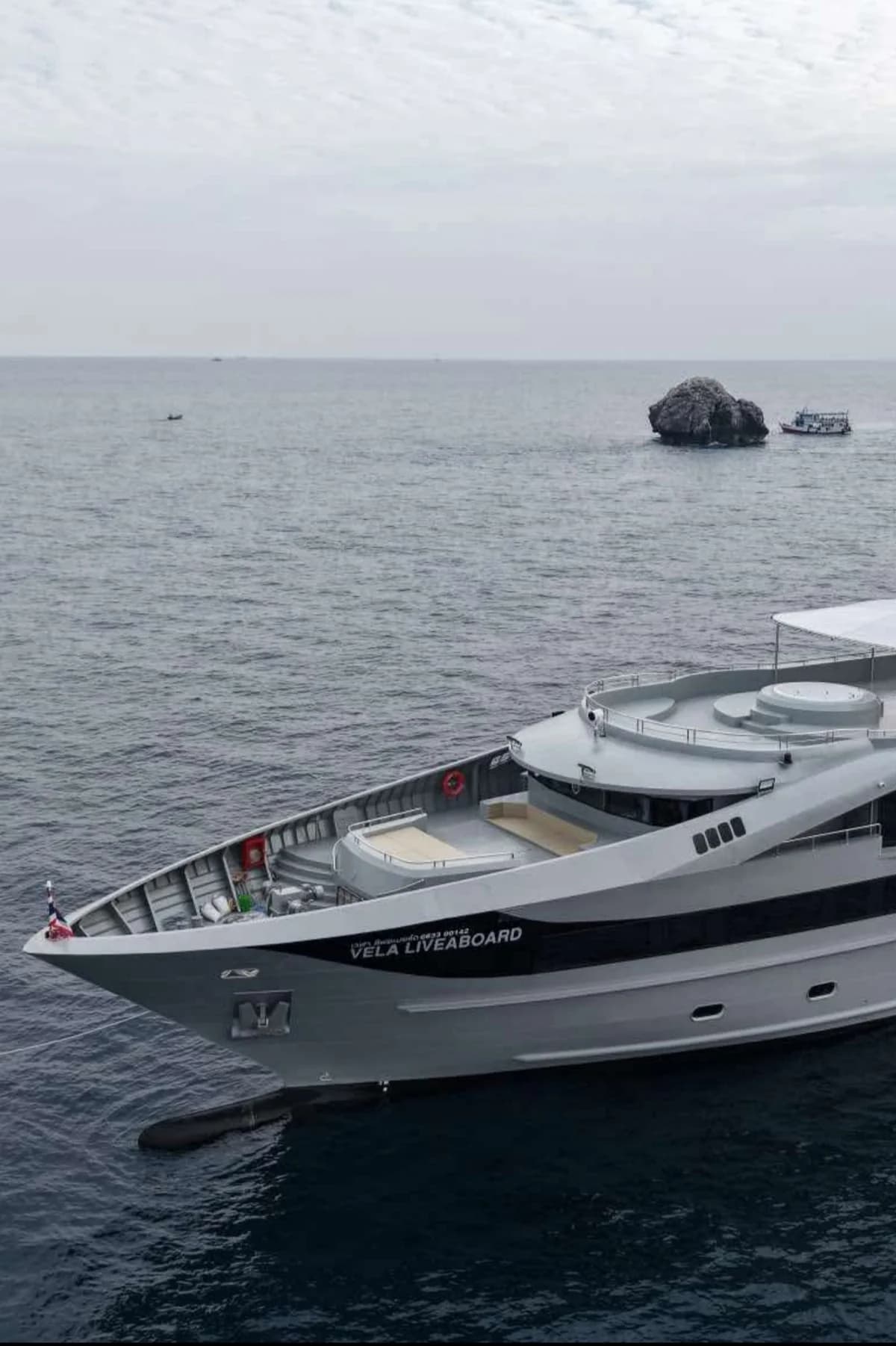
Planning a Koh Tao trip that includes Aow Leuk? Find dive operators, snorkel tours, and liveaboards that cover the southeast coast on siamdive.com and lock in your first reef dive.