Nudibranchs: 10 Mind-Blowing Facts About the Ocean's Strangest Creatures
6 เมษายน 2569
They steal weapons from their prey, glow in the dark, and breathe through their backs. Here are 10 facts about nudibranchs that will change how you look at every reef.
The Most Beautiful Animals You Swim Past Every Single Dive
Every time you go diving, while your eyes scan the blue water for sharks and mantas, an entire universe of bizarre, jewel-bright creatures is sitting on the reef below you — and most divers swim straight past without noticing. Nudibranchs are some of the most extraordinary, vividly colored, downright weird animals in the ocean. With over 3,000 known species ranging from 4 millimeters to 30 centimeters, these shell-less sea snails have evolved survival strategies so creative they read like science fiction. Here are 10 facts that will completely change how you look at every reef you've ever dived.
1. They Steal Weapons From Their Prey
The most jaw-dropping ability of nudibranchs is called kleptocnidae — weapon theft. Aeolid nudibranchs eat jellyfish, hydroids, and anemones, digesting everything except the stinging cells (nematocysts), which they then transport intact through their bodies and store in the tips of finger-like appendages called cerata on their backs. When a predator attacks, it gets stung by weapons the nudibranch literally borrowed from its lunch. The blue dragon (Glaucus atlanticus) takes this even further — it eats Portuguese man o' war and concentrates the venom, making its sting more painful than the original animal's.
2. The Colors Are a Warning, Not Camouflage
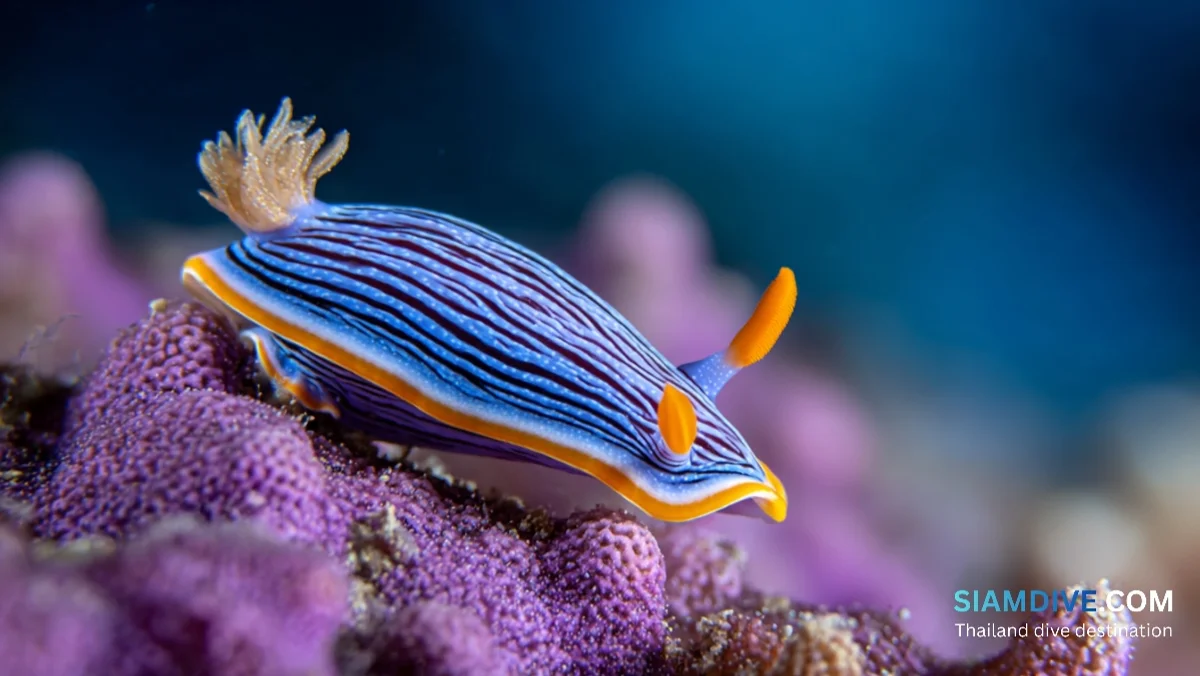
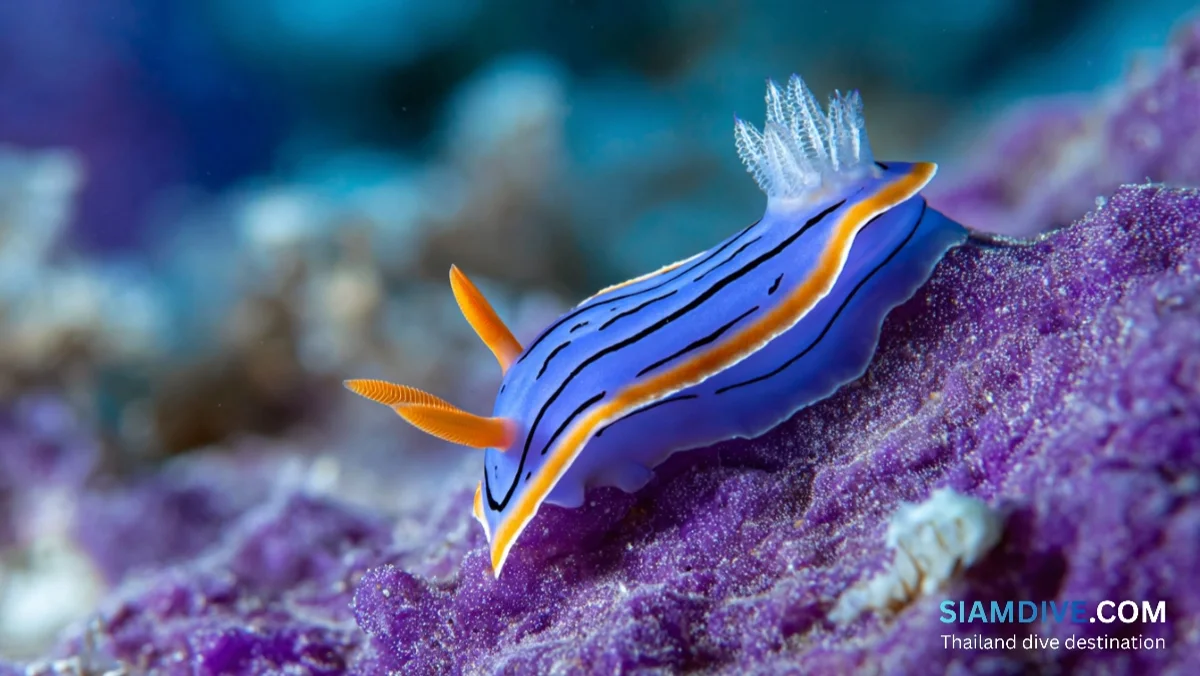
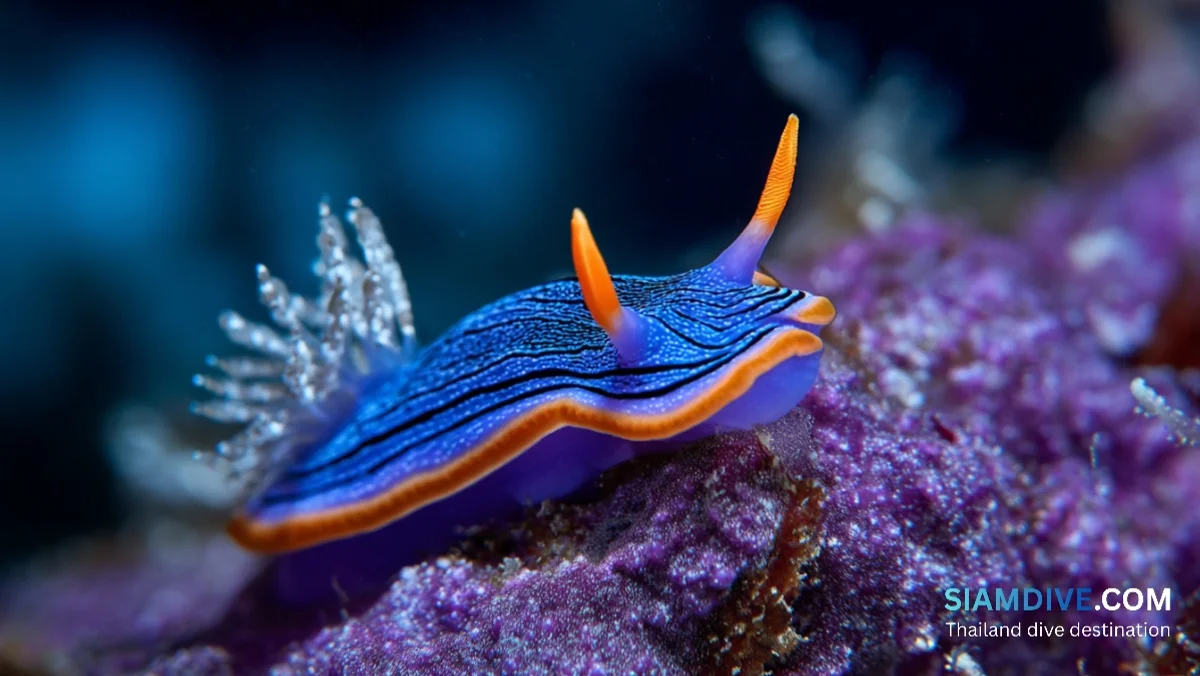
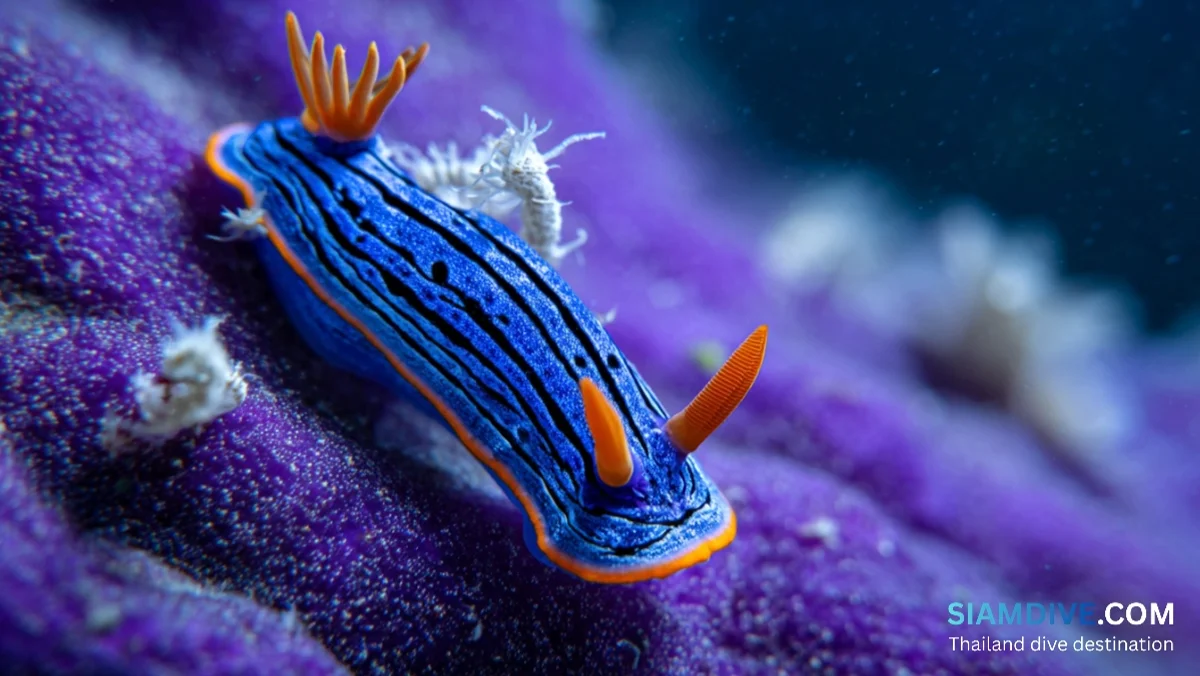
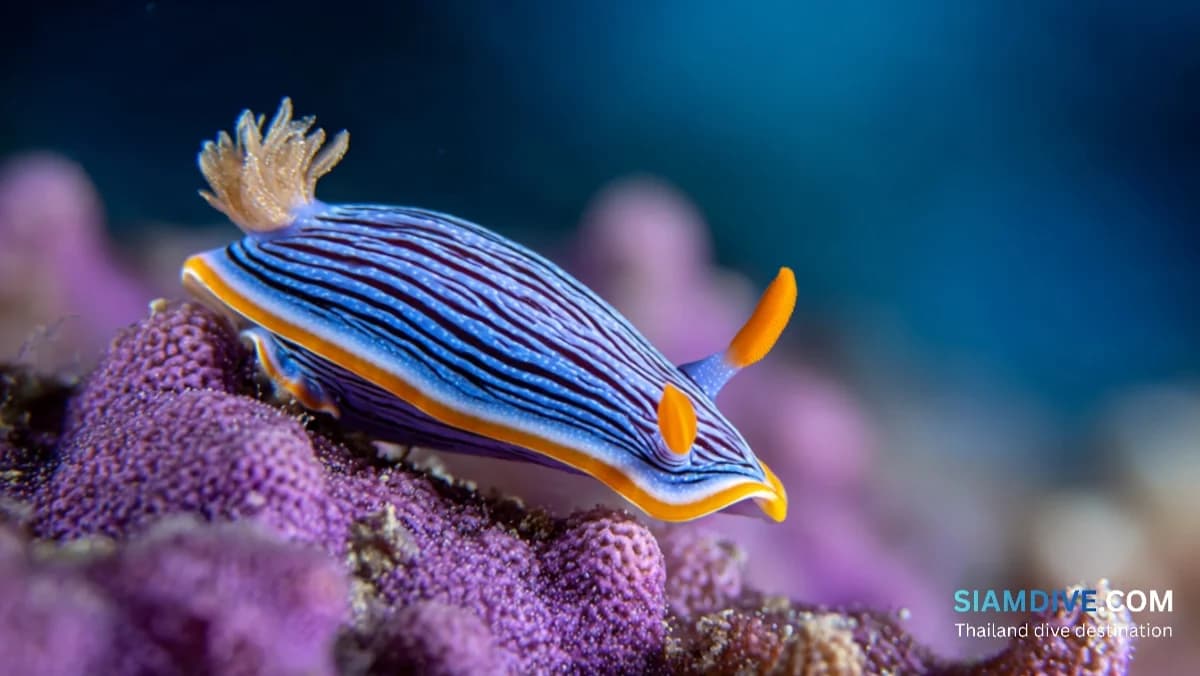
Electric blue, neon orange, screaming purple, psychedelic stripes — none of it is meant to hide. It's all advertising: "I'm toxic. Don't eat me." The biological term is aposematism. Many nudibranchs sequester poisons from their food — sponges, corals, hydroids — and store them in their skin. A fish that bites one and survives never forgets the pattern. Some non-toxic species even mimic the colors of toxic ones, getting predator avoidance for free without paying the cost of producing actual poison.
3. They Smell and Taste With "Bunny Ears"
The horn-like structures on a nudibranch's head are called rhinophores, and they're some of the most sophisticated chemical sensors in the invertebrate world. They detect molecules in the water to find food, locate mates, and sense danger — no eyes required. Many species can retract them into protective sheaths when threatened. The shapes vary wildly: smooth, lamellated like stacked plates, or branched like tiny trees. Next time you find one, look at the rhinophores first — their shape is often the key to identifying the species.
4. They Breathe Through Their Backs
Nudibranchs don't have conventional gills. Dorid nudibranchs breathe through a feathery cluster of gills on their back near the tail (called branchial plumes). Aeolid species breathe through their cerata — those same finger-like projections that store stolen stinging cells — which are packed with blood vessels that exchange oxygen with the water. So those gorgeous appendages on their backs are simultaneously lungs, weapon caches, and digestive organs. Multitasking at its finest.
5. Every Single One Is Both Male and Female
All nudibranchs are simultaneous hermaphrodites, possessing both male and female reproductive organs at the same time. When they mate, they line up side by side and fertilize each other — both partners walk away pregnant. They lay their eggs in elaborate spirals or ribbons, often in beautiful colors. A single egg mass can contain thousands of eggs. Despite being hermaphrodites, they cannot self-fertilize — they still need to find a mate, which is no small feat for a 2-centimeter animal living on a vast reef.
6. Some Glow in the Dark
Several nudibranch species produce their own light (bioluminescence), while others absorb UV light and re-emit it as vivid colors (fluorescence) — a phenomenon you can only see on night dives with a UV torch. Scientists believe the sudden flash of light startles predators long enough for the nudibranch to make its (admittedly slow) escape. This phenomenon is rarely witnessed because it requires complete darkness and a patient observer. Night divers in places like Lembeh Strait and Anilao have captured stunning footage of glowing nudibranchs that look like aliens.
7. Where to Find Them in Thailand
Thailand is a nudibranch hotspot. The best hunting grounds are in the Andaman Sea — the Similan Islands, the Mergui Archipelago liveaboard route, and the Burma Banks all host species like Goniobranchus geometricus, Dendrodoris denisoni, Halgerda tessellata, and the orange-tipped Flabellinas. Look for them on dead coral heads, sea fans, sponges, and inside coral crevices, especially during night dives. The Gulf of Thailand around Koh Tao has them too, but the Andaman side has more diversity. Black Rock, High Rock, and Seafan Forest in the Mergui region are particularly productive.
8. How to Find Them: A Diver's Guide
- Search rocky outcrops and rubble fields: Many species feed on sponges and hydroids growing on dead coral. Scan slowly within arm's reach.
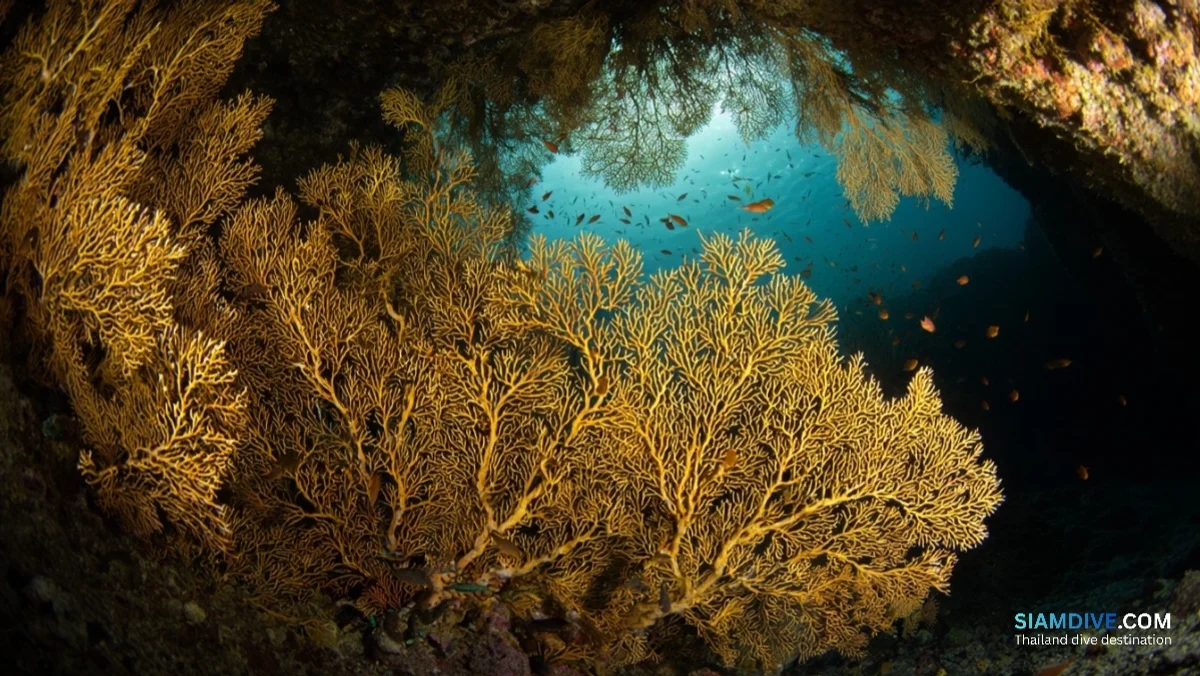
- Check sea fans and soft corals: Some species feed on specific corals and camouflage to match them.
- Dive at night: Many nudibranchs are nocturnal foragers. A torch beam reveals species you'd never see in daylight.
- Follow the eggs: Spiral white, pink, or orange egg ribbons are usually easier to spot than the animal itself. Where there are eggs, the parent is usually nearby.
- Practice your buoyancy: Macro diving means hovering centimeters from the reef without touching it. Bad buoyancy means broken coral and frightened critters.
9. Photographing Nudibranchs: Macro Tips
Use a macro lens — 60mm or 100mm — paired with a diopter for extreme close-ups. Shoot at narrow apertures (f/16 to f/22) for maximum depth of field. Use a snoot or focused strobe to isolate the subject from a dark background. Shoot at eye level rather than top-down — the resulting images are dramatically more compelling. Never touch or move a nudibranch. They're fragile, and handling can damage their cerata and rhinophores. The shot isn't worth hurting the animal.
The Bottom Line
Nudibranchs prove you don't need to be big to be extraordinary. They steal weapons, advertise their poison, glow in the dark, breathe through their backs, and reproduce as both sexes simultaneously. They're on every reef you've ever dived, hidden in plain sight among the coral and rocks. All it takes is slowing down, looking closer, and shifting your gaze from the blue water to the reef itself. Your next dive will never feel the same. Find dive operators in Thailand who specialize in macro at siamdive.com — they know exactly where to look.