Scuba Day TripsSnorkelingLand TourLiveaboardDive ResortFreedive Trips
Scuba CoursesFreedive Courses
Blog
Stonehenge Dive Site Koh Lipe: Boulders, Currents and Big Fish
← Blog

Stonehenge Dive Site Koh Lipe: Boulders, Currents and Big Fish

10 เมษายน 2569

Massive granite boulders, strong currents pulling in pelagics, and healthy corals. Everything you need to know about diving Stonehenge off Koh Lipe.

A Pile of Ancient Boulders in the Andaman

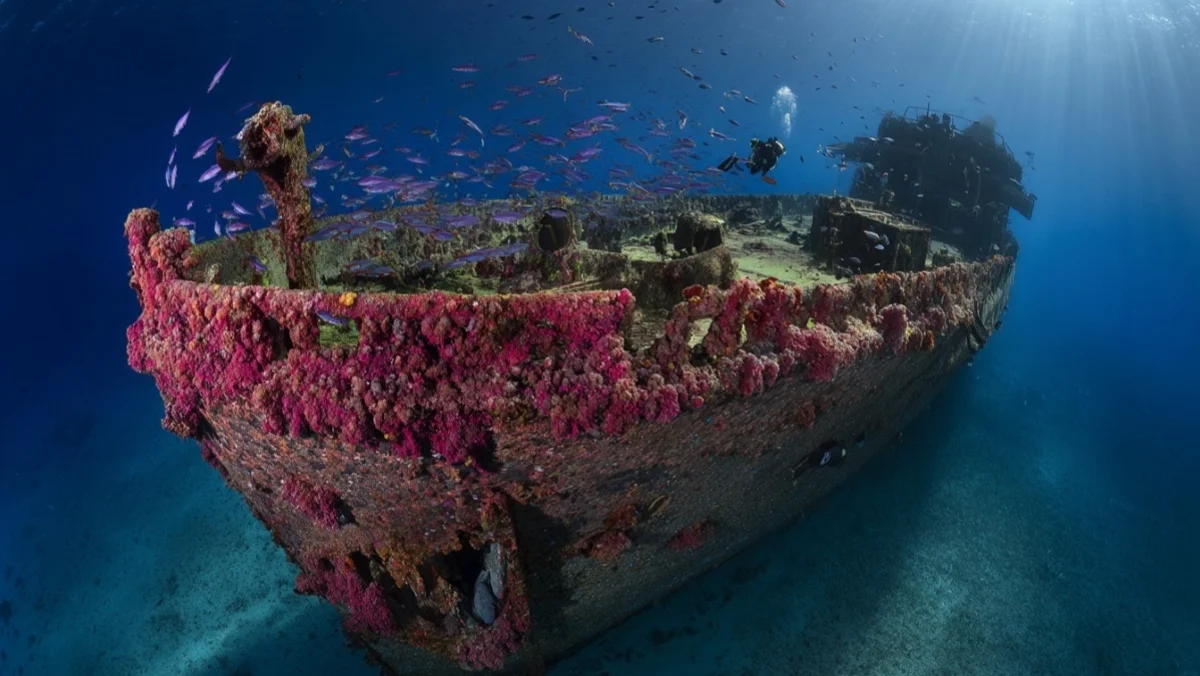
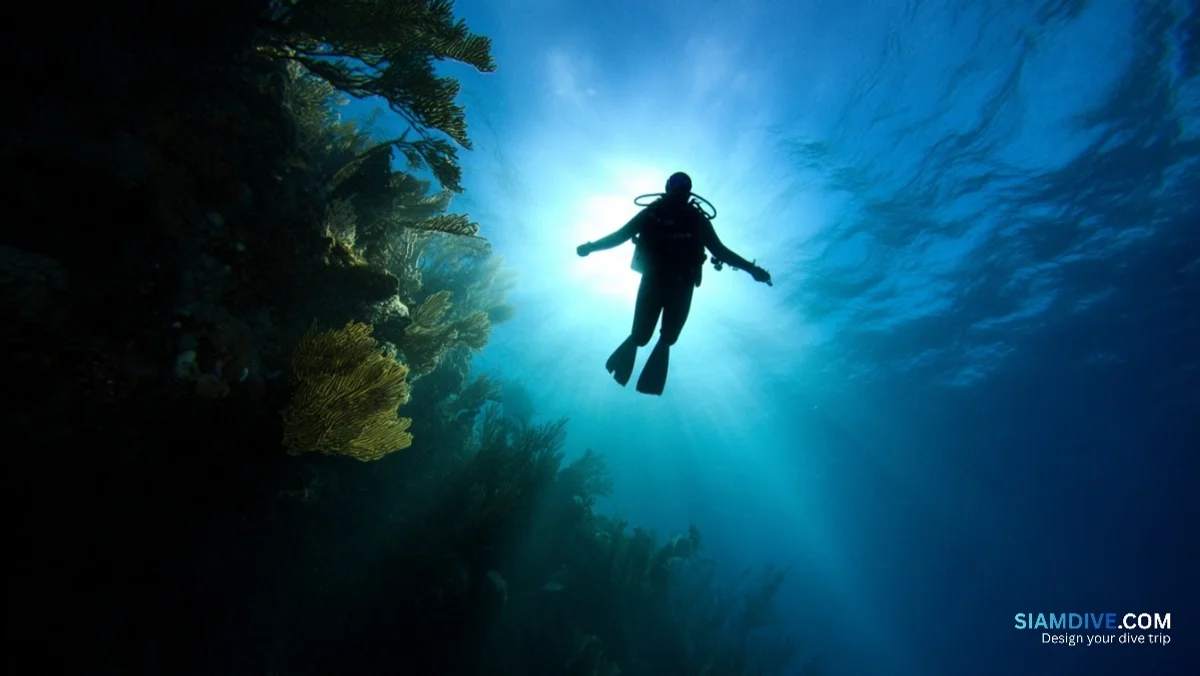
Stonehenge sits about 2 kilometers off Ta Lang Beach on Koh Lipe's eastern side. The name fits — massive granite boulders stacked on top of each other underwater, some rising 10 meters from the seabed, creating archways, swim-throughs, and overhangs that look like they were placed there on purpose. The formations are the result of ancient tectonic activity, older than the coral growing on them. When the current picks up and barracuda start circling the pinnacles, you understand why divers keep coming back to this site.

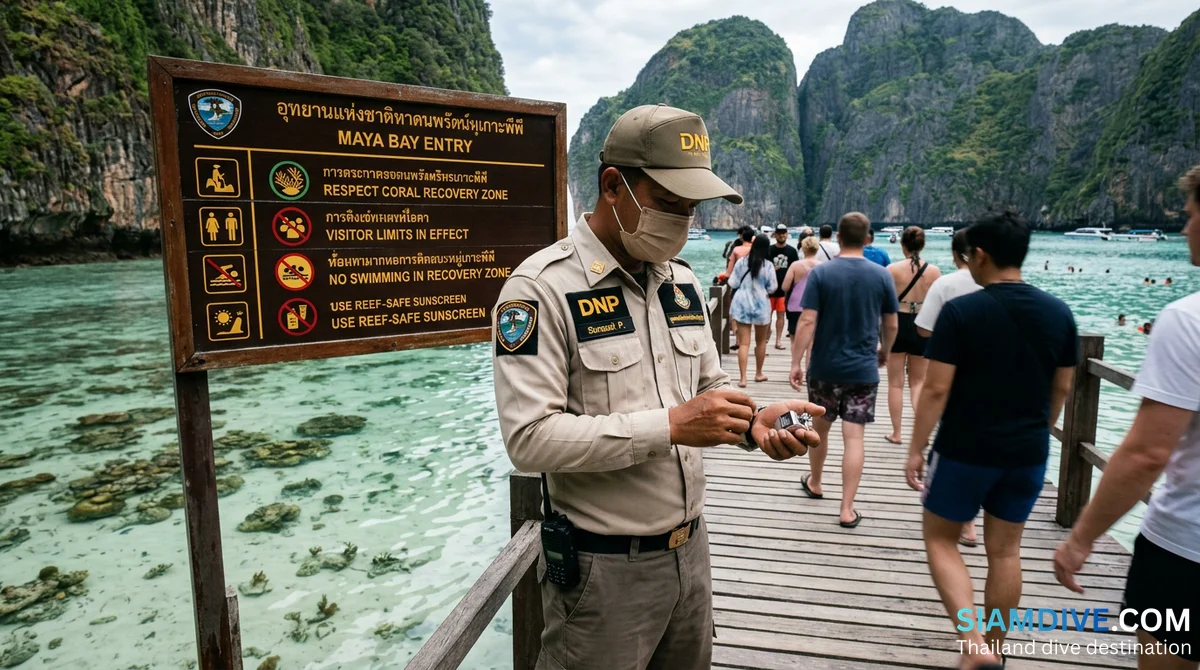
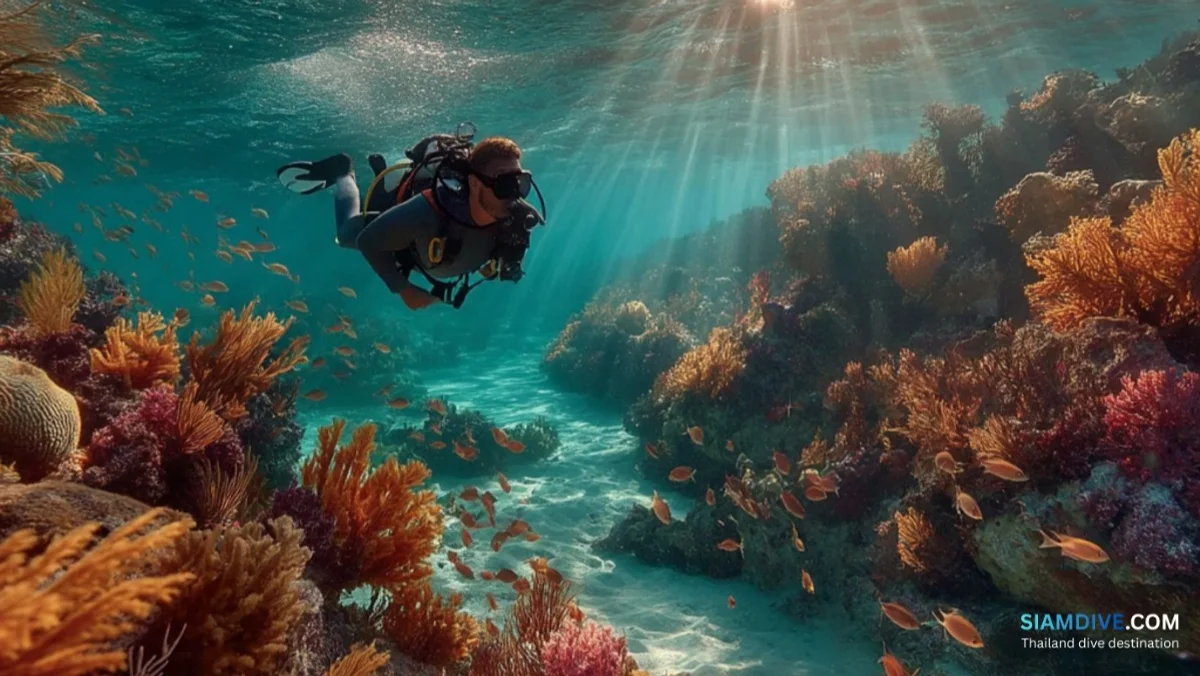
Stonehenge falls within the Tarutao National Marine Park, which means strict no-touch rules, mooring buoys instead of anchors, and fines up to 10,000 THB for coral damage. The protection shows — live coral cover sits around 70% on the best sections, with healthy gorgonians and table corals clinging to every available surface.

Why Stonehenge Stands Out Among Koh Lipe's Sites

Koh Lipe has over 30 dive sites scattered across its surrounding waters. Stonehenge ranks near the top for one reason: the combination of dramatic topography and current-driven marine life. Most Lipe sites offer nice coral and reef fish. Stonehenge adds the adrenaline factor — genuine currents that pull in barracuda schools, blacktip reef sharks, and the occasional eagle ray. The rock formations also create natural shelter, so you get both current-exposed faces with pelagics and protected pockets with macro life.

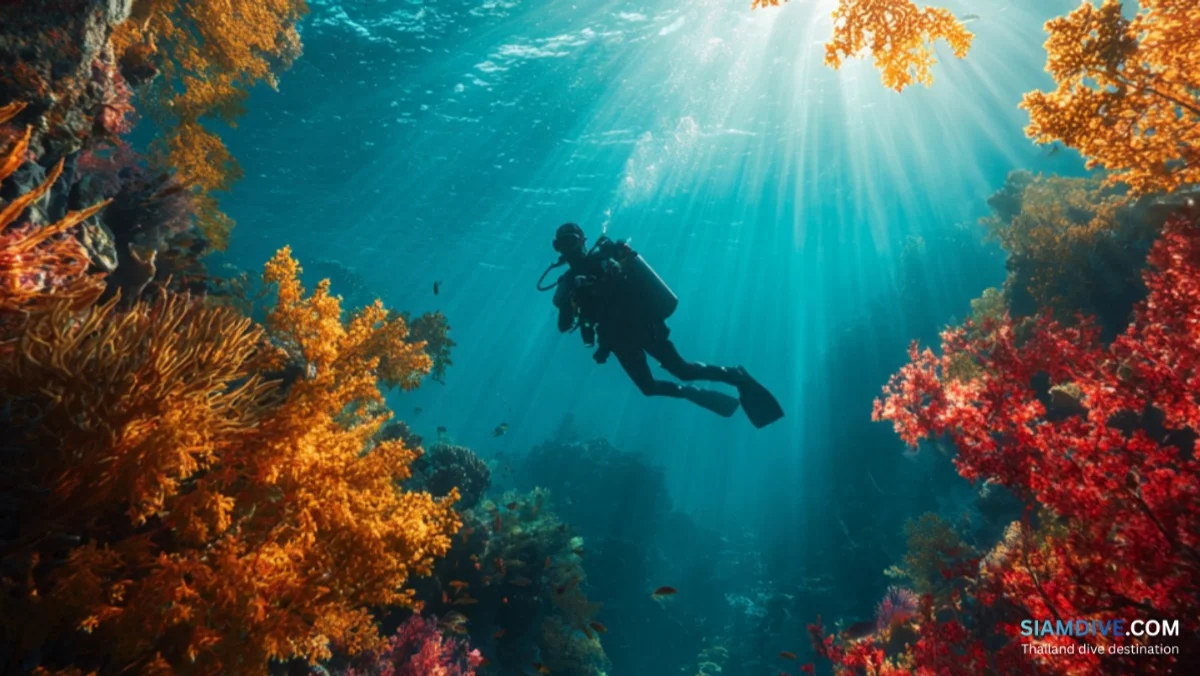
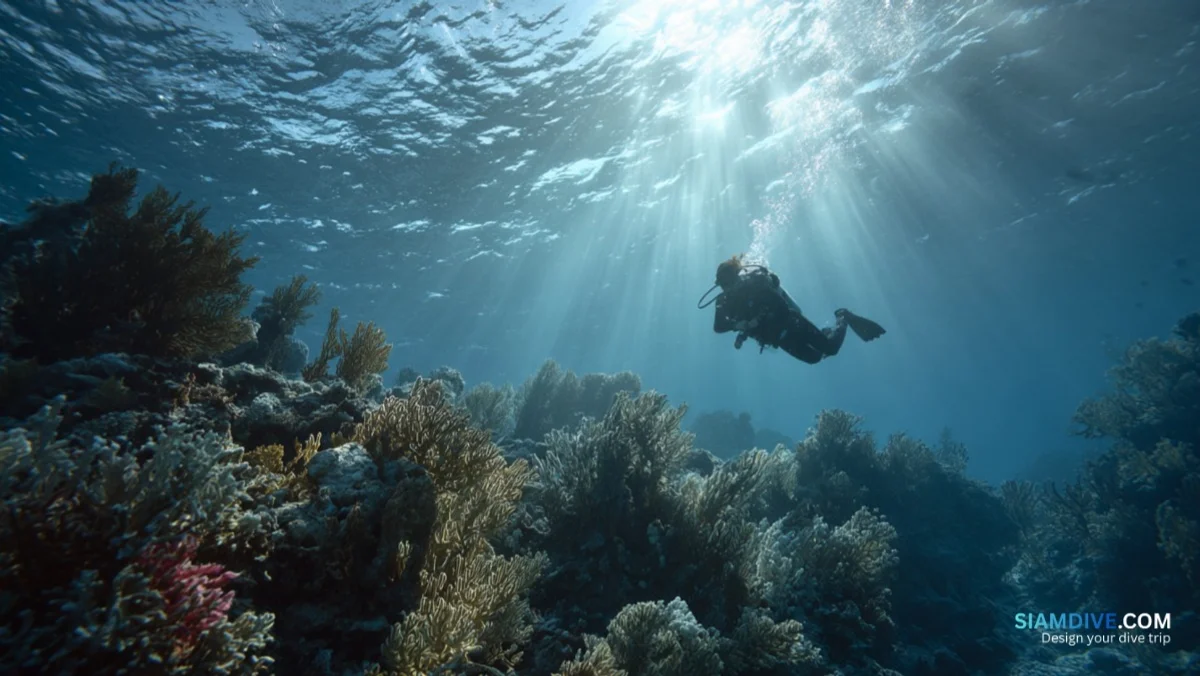
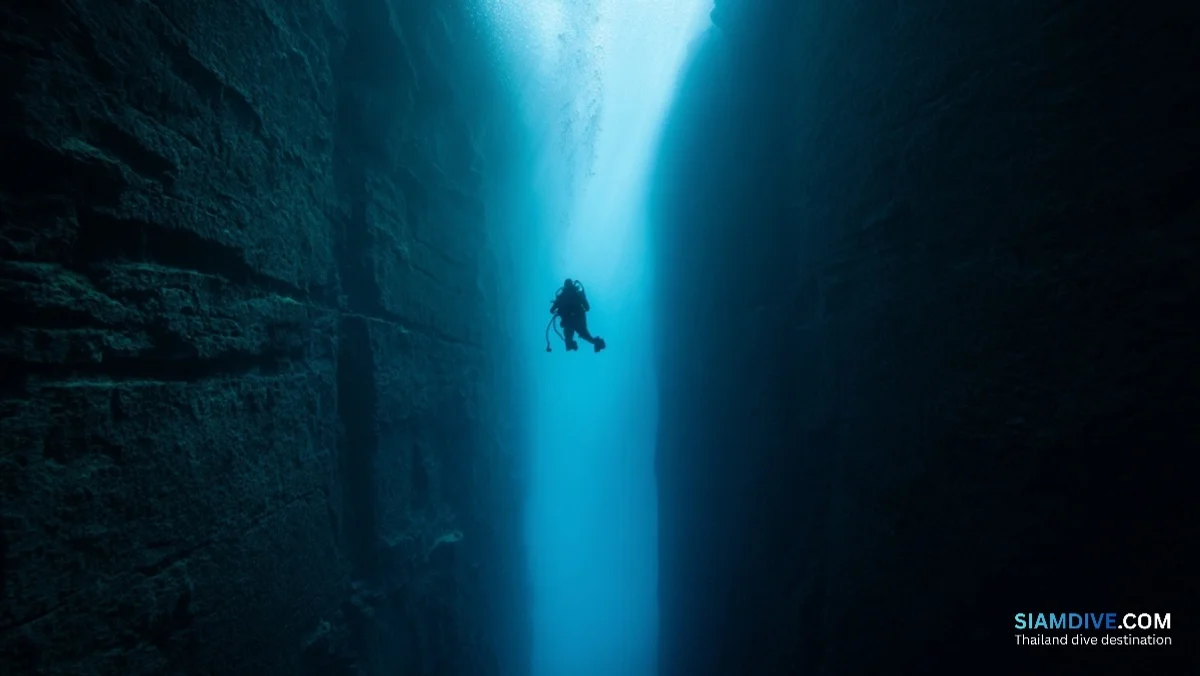
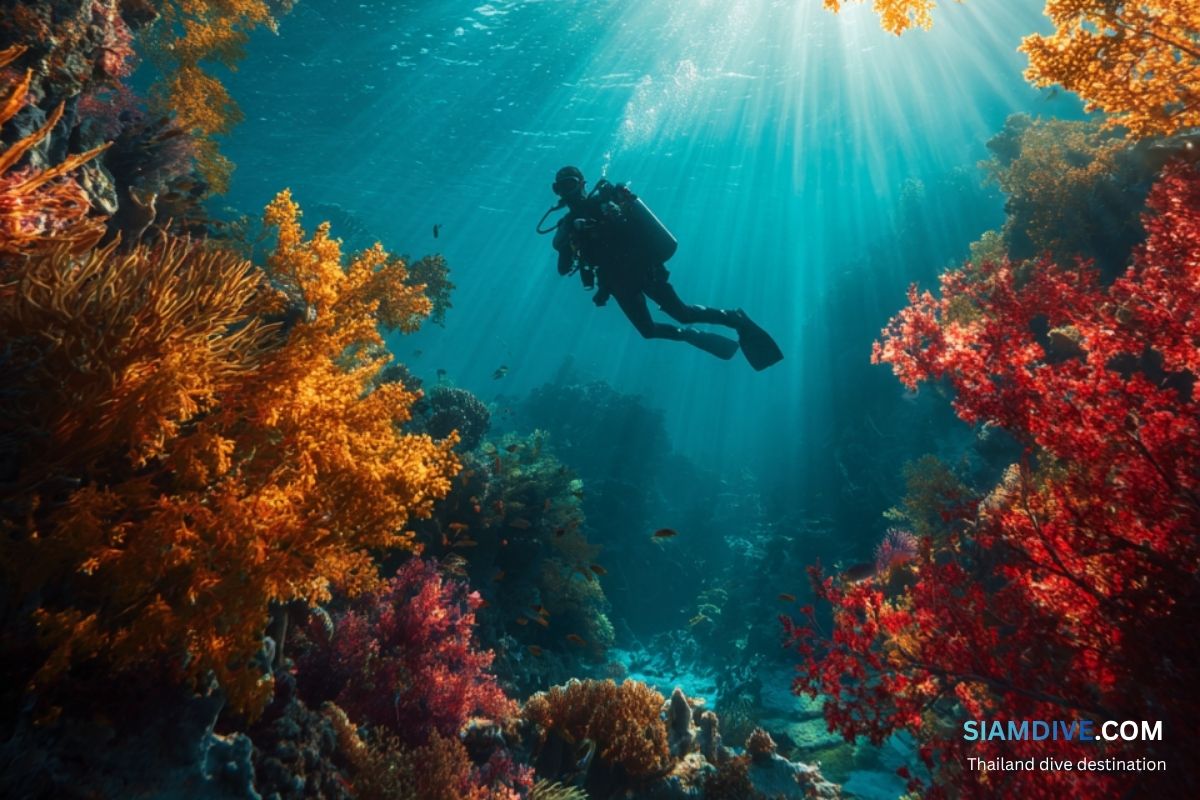
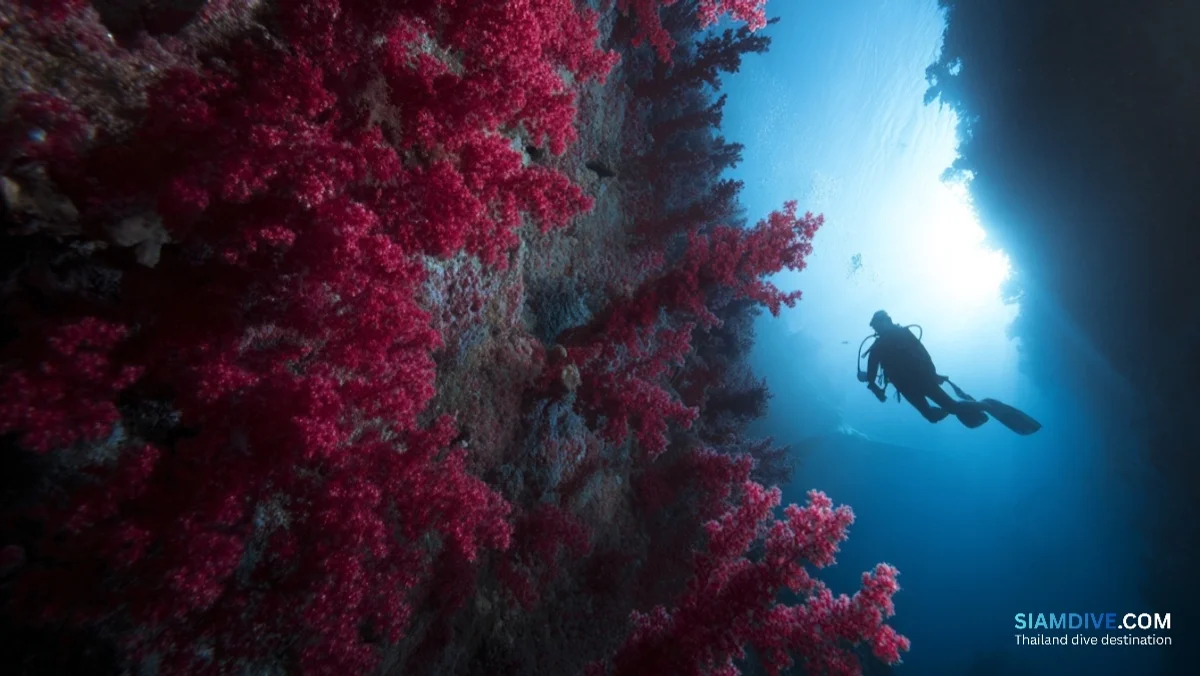
The swim-throughs are another draw. A 5-meter-wide archway at 12-18 meters catches sunlight shafts that photographers spend entire dives trying to frame. The main pinnacle drops to 30 meters along a vertical wall, offering enough depth range for two completely different dive profiles on the same site.

What You'll Find Underwater

The currents that make Stonehenge challenging also make it productive. Barracuda schools — sometimes numbering in the hundreds — are the signature sighting. They form tight spirals around the pinnacle tops, especially on incoming tides. Blacktip reef sharks patrol the deeper sections, usually at 20-25 meters, circling the boulder bases before disappearing into the blue.

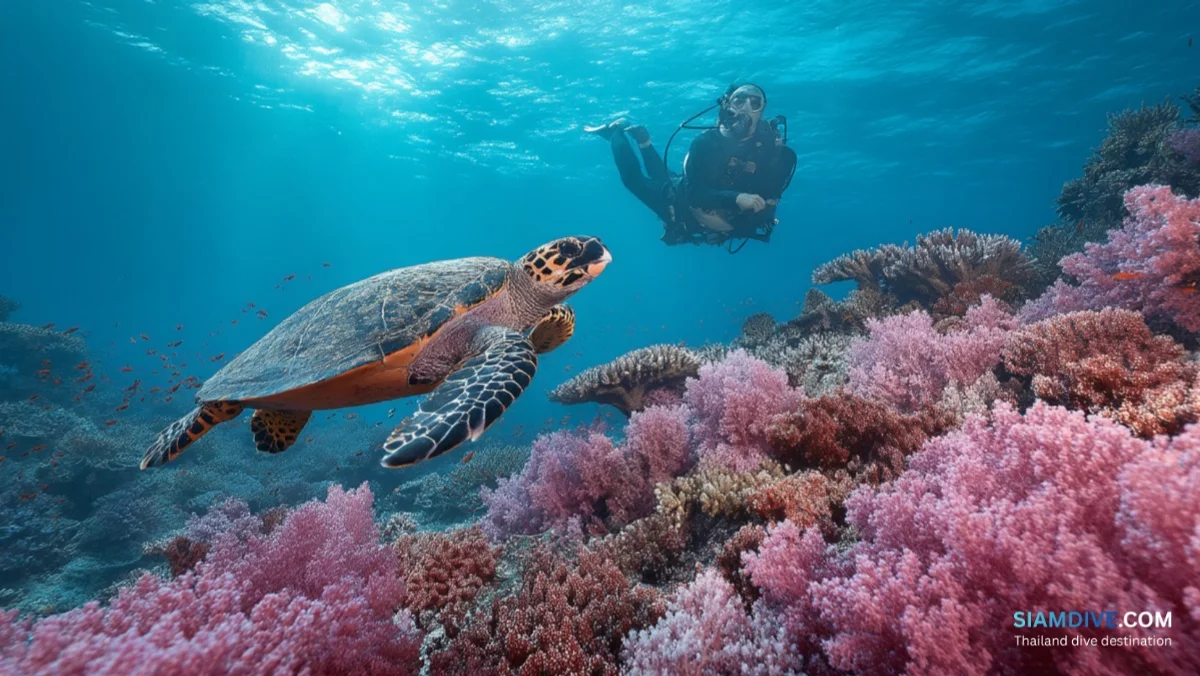
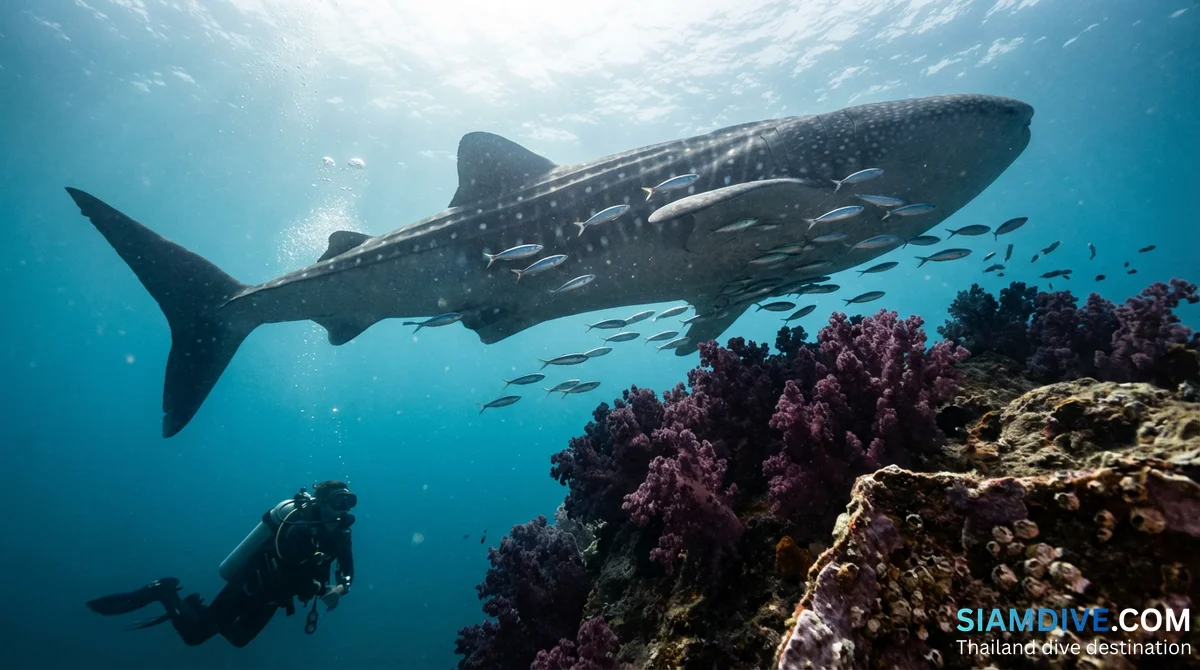
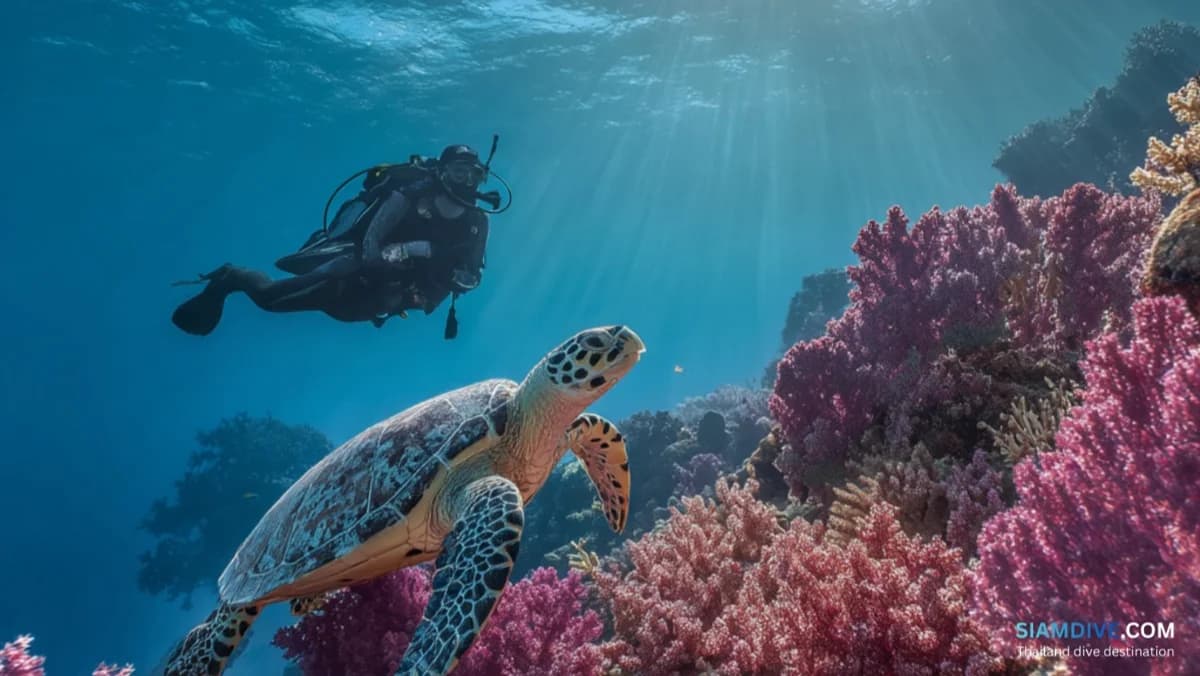
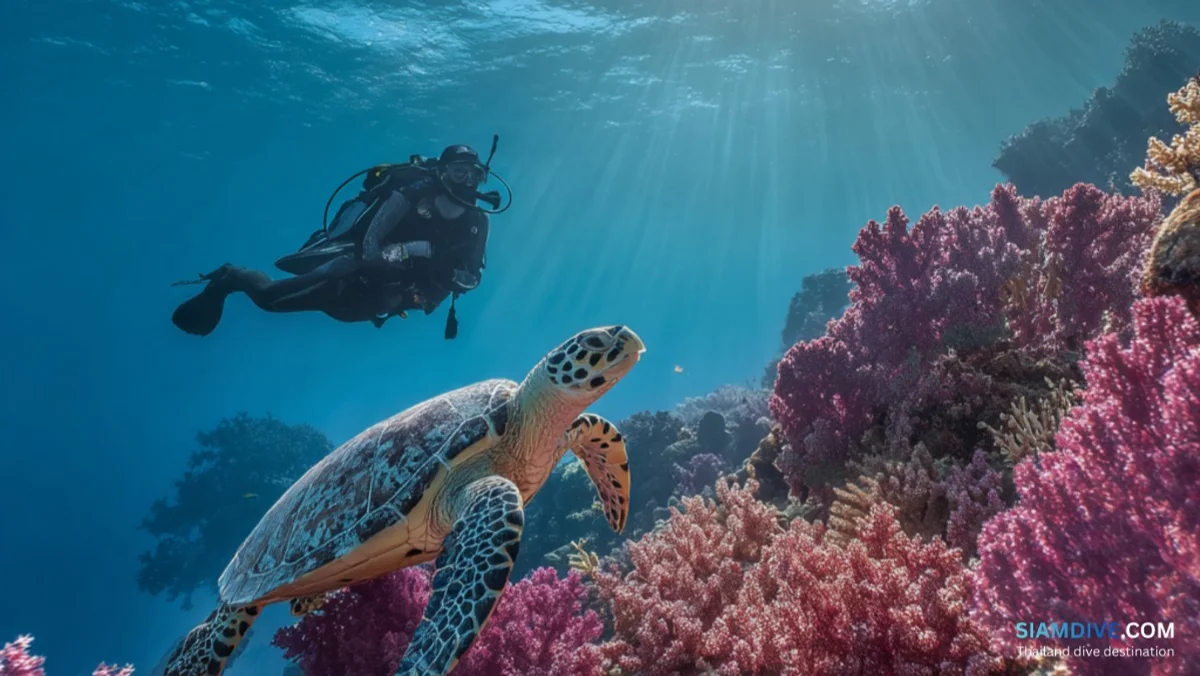
Eagle rays and spotted eagle rays glide over the rocks periodically, more common from December through February. Hawksbill turtles feed on the coral-covered boulders, seemingly unbothered by the current. During peak season, whale shark sightings have been confirmed — rare but real.

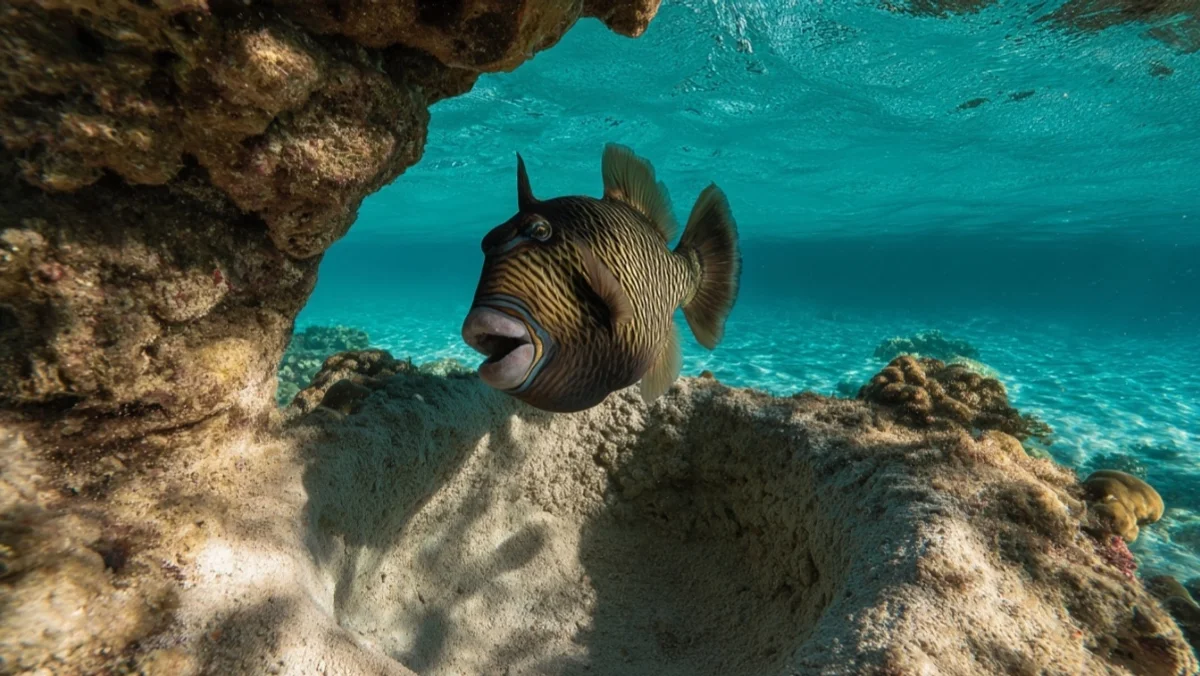
The reef fish list is long. Emperor angelfish, regal angelfish, longnose butterflyfish pairs, and humphead wrasse up to 2 meters show up around the boulders. Cleaning stations attract groupers and parrotfish. Schools of anthias cloud the shallower sections in pink and orange.

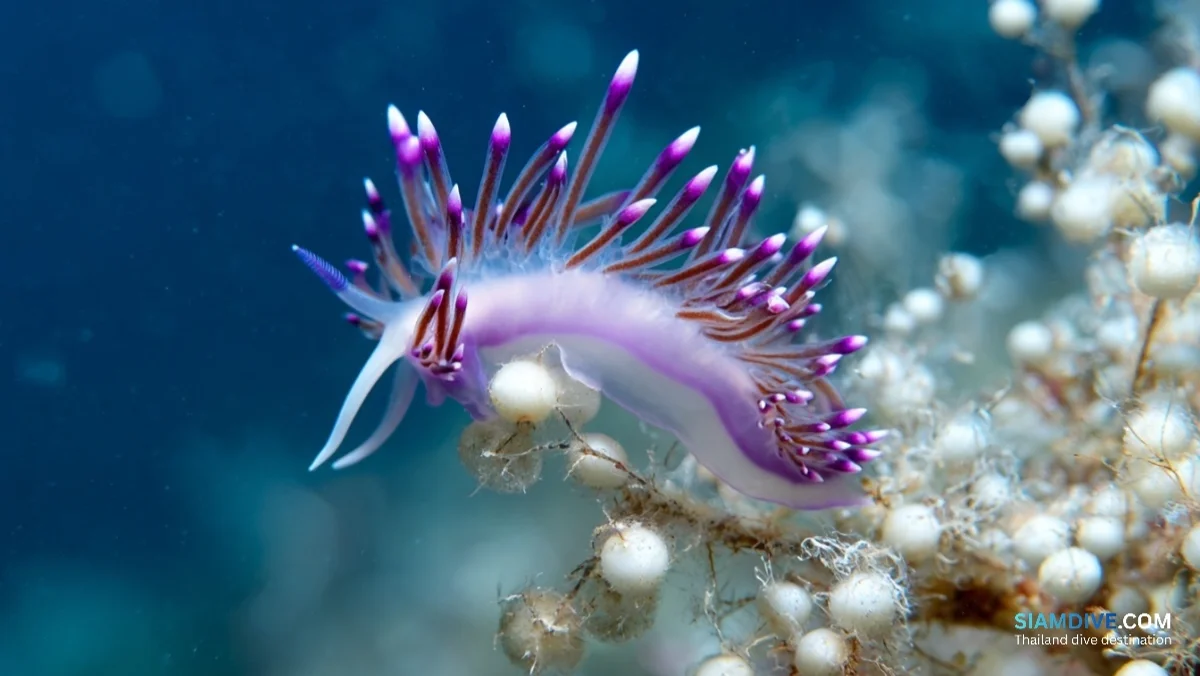
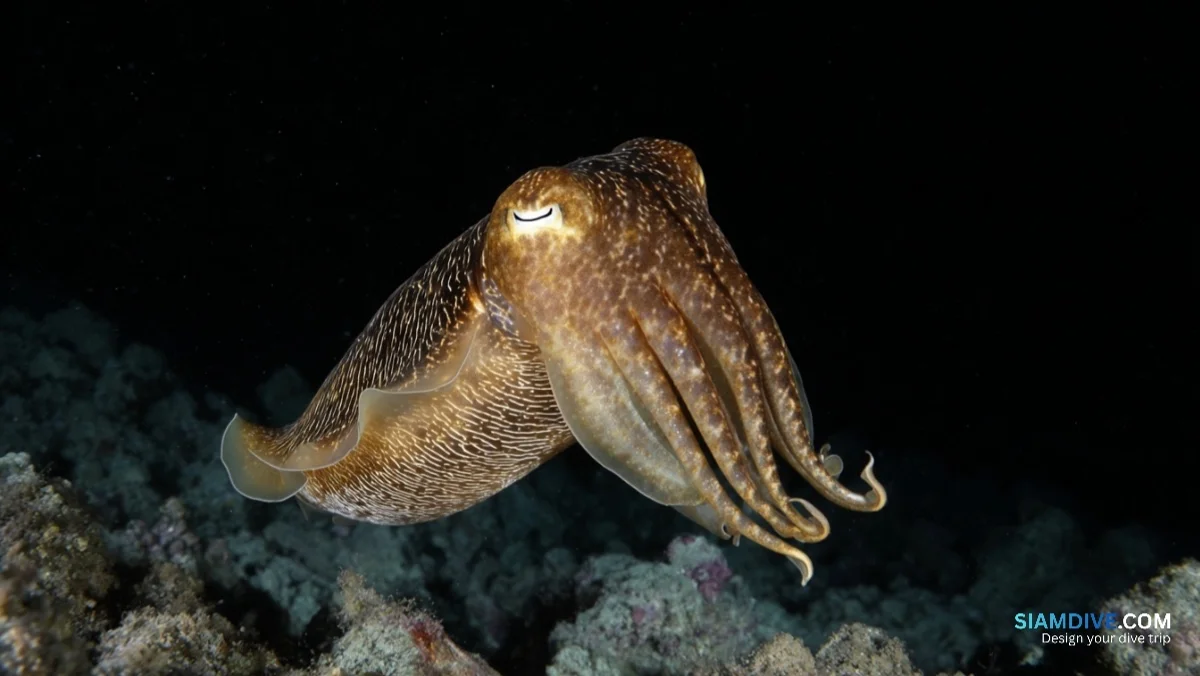
Macro life hides in the crevices. Over 20 nudibranch species have been recorded, including Spanish dancers. Octopus and cuttlefish camouflage against the granite. Lionfish hover under overhangs, and scorpionfish sit motionless on ledges — watch your hands.

Best Time to Dive Stonehenge

The season runs November through April. May to October brings the southwest monsoon — rough seas, 5-10 meter visibility, and most sites close. Peak visibility at Stonehenge runs December through February, hitting 15-30 meters. Water temperature stays at 28-30°C year-round during season.

Currents vary with the tides. Incoming tides push nutrients across the pinnacle, bringing in the big fish. Slack tide offers easier conditions for photography and swim-through exploration. Check the tide chart with your operator — the difference between a slack dive and a ripping current can be dramatic at this site.

Early morning dives (7-8 AM) tend to have the calmest conditions and best light penetration through the rock formations.

How to Get There

Koh Lipe is in Satun province, Thailand's southernmost Andaman coast. Getting there takes some effort but nothing extreme.

By air: Fly to Hat Yai Airport (HDY), then take a minivan 2-3 hours to Pak Bara Pier. Speedboats to Koh Lipe run 1.5-2 hours and cost 800-1,500 THB round-trip. From Langkawi (Malaysia), speedboats take about 1.5 hours.

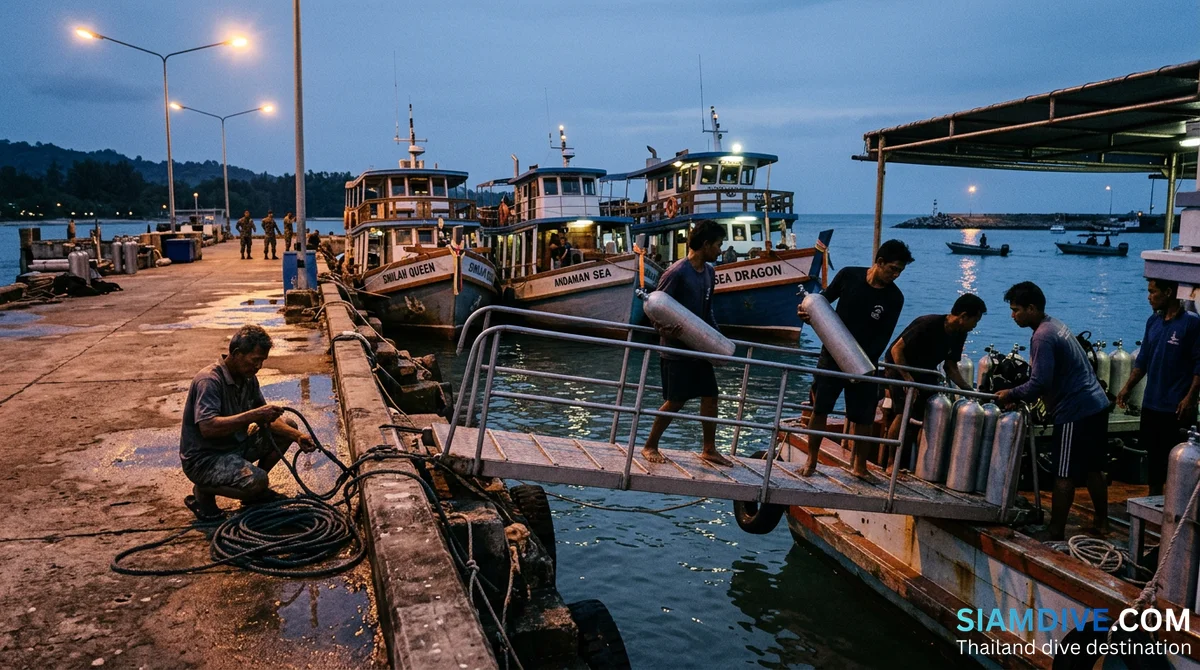
To the site: Book through any of Koh Lipe's dive shops. Longtail boats reach Stonehenge in 15-30 minutes from Pattaya Beach or Ta Lang Beach. All sites require guided access under park regulations — no solo diving.

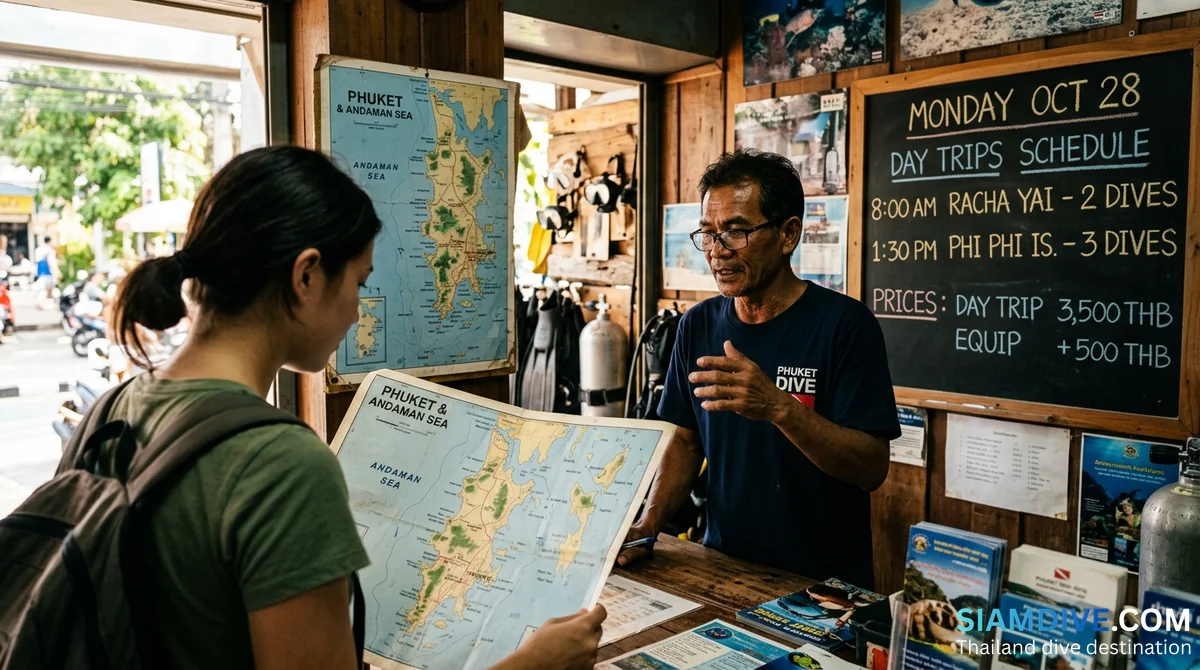
The Tarutao National Marine Park entry fee is 200 THB per person plus a small boat fee. Dive trips typically cost 2,800-3,500 THB for two dives including gear.

Tips for Diving Stonehenge

  • Current management — Currents run 1-3 knots at this site. Carry a reef hook for the exposed sections. If you're not comfortable in current, tell your guide — they can adjust the dive plan to stay in sheltered areas.
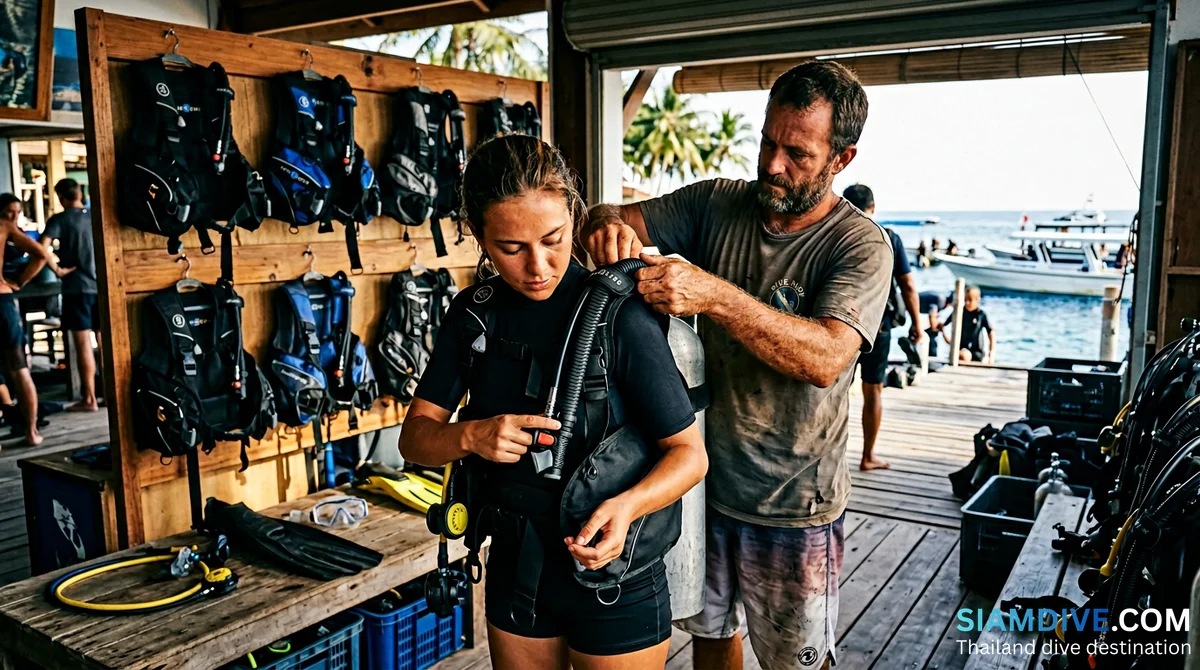
  • Negative entries — Most guides recommend negative descents to avoid surface drift. Get your gear sorted on the boat, giant stride, and go straight down.
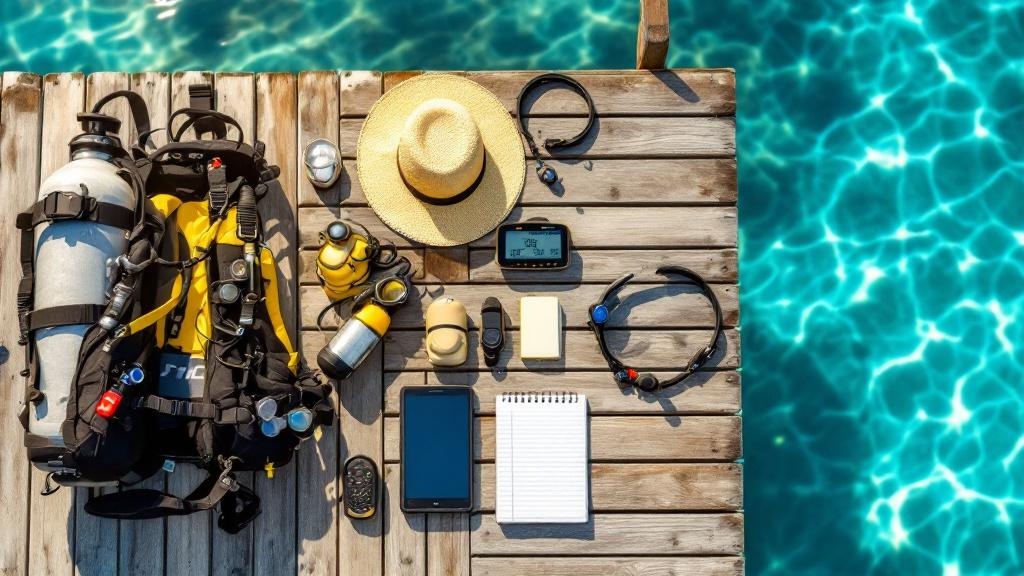
  • Bring an SMB — Drift dives are common here. Deploy your surface marker buoy during the safety stop so the boat can track you.
  • Watch for stonefish — They sit on the boulders and blend in perfectly. Wear booties and avoid touching any surface.
  • Weight up slightly — Add 2-4 kg over your normal weighting to handle the current without exhausting yourself.
  • Camera setup — Wide-angle for the swim-throughs and pelagics, but bring a macro-capable option if you plan multiple dives. The nudibranch hunting in the boulder field is excellent.

Pair It With Nearby Sites

Most dive operators run two-tank trips, so you'll combine Stonehenge with another site. Good pairings include the Ta Lang area's shallower reefs for a relaxed second dive, or Koh Boi for a different perspective. The boat ride between sites is short — usually under 10 minutes.

If Stonehenge hooks you on Koh Lipe's diving, the area has plenty more. 8 Mile Rock offers deep pinnacle diving, Hin Sawaeng delivers walls and drop-offs, and the inner islands provide mellow conditions for newer divers. Browse Koh Lipe liveaboard and day trip options at siamdive.com to build your itinerary.
← กลับไปหน้า Blog

Gallery

Stonehenge Dive Site Koh Lipe: Boulders, Currents and Big Fish — image 1Stonehenge Dive Site Koh Lipe: Boulders, Currents and Big Fish — image 2Stonehenge Dive Site Koh Lipe: Boulders, Currents and Big Fish — image 3Stonehenge Dive Site Koh Lipe: Boulders, Currents and Big Fish — image 4

บทความแนะนำ

The Pre-Dive Buddy Check Most Scuba Divers Skip

The Pre-Dive Buddy Check Most Scuba Divers Skip

Half of all scuba accidents could be prevented by a five-minute BWRAF buddy check. Here's why experienced divers skip it and how to do it right.

Safe Diving Techniques: 8 Skills That Prevent Accidents

Safe Diving Techniques: 8 Skills That Prevent Accidents

Master the 8 essential safe diving techniques every diver must know — from buoyancy control and air management to emergency ascents and SMB deployment.

Hin Sawaeng Diving Guide: Koh Lipe's Wall and Pinnacle Gem

Steep walls, dramatic drop-offs, and rich marine life make Hin Sawaeng one of Koh Lipe's most rewarding dive sites. Complete guide with tips and conditions.

Similan Islands: Last Weeks to Dive Before the 2026 Season Closes

Similan Islands: Last Weeks to Dive Before the 2026 Season Closes

The Similan Islands close in mid-May 2026. Here's why the final weeks offer the best diving conditions and how to book a last-minute liveaboard trip.

Hin Phae Diving Guide: Koh Tao's Quiet Granite Pinnacle

Hin Phae Diving Guide: Koh Tao's Quiet Granite Pinnacle

Hin Phae is the small advanced pinnacle 30 m from the Sattakut wreck. Big groupers, healthy coral, and almost no other divers — here's how to dive it.

8 Mile Rock Diving Guide: Koh Lipe's Deep Pinnacle

8 Mile Rock Diving Guide: Koh Lipe's Deep Pinnacle

A remote pinnacle 8 miles offshore with big pelagics, reef sharks, and untouched corals. Your guide to Koh Lipe's most rewarding advanced dive site.

Mango Bay Koh Tao Guide: The Island's Best Beginner Dive and Snorkel Site

Mango Bay Koh Tao Guide: The Island's Best Beginner Dive and Snorkel Site

Mango Bay on Koh Tao's north coast is the island's best beginner dive site and snorkel spot — calm water, vibrant reefs, and year-round conditions.

Similan Islands Diving Guide: Thailand's Underwater Paradise

Similan Islands Diving Guide: Thailand's Underwater Paradise

Everything you need to know about diving the Similan Islands — best dive sites, marine life, seasons, liveaboard tips, and how to get there from Khao Lak.

PADI Open Water Course: What It Involves Day by Day

PADI Open Water Course: What It Involves Day by Day

A day-by-day breakdown of the PADI Open Water course — theory, pool sessions, open water dives, required skills, and what to expect at each stage.

Southwest Pinnacle Koh Tao Diving Guide: The Gulf's Best Big-Fish Site

Southwest Pinnacle Koh Tao Diving Guide: The Gulf's Best Big-Fish Site

Southwest Pinnacle is Koh Tao's seven-pinnacle offshore site. Whale sharks, dogtooth tuna, and giant groupers — here's how to dive it and when.

Green Rock Koh Tao Diving Guide: The Island's Best Swim-Through Site

Green Rock Koh Tao Diving Guide: The Island's Best Swim-Through Site

Green Rock off Koh Nang Yuan offers Koh Tao's best boulder maze, The Chimney swim-through, dense macro life and advanced training — here's everything divers need.

Koh Ngam Yai Diving Guide: Chumphon's Wild Granite Island

Koh Ngam Yai Diving Guide: Chumphon's Wild Granite Island

Koh Ngam Yai is the quiet Chumphon dive site Koh Tao crowds never reach. Anemone fields, whale shark odds, and small boats — here's how to dive it.

Tanote Bay Koh Tao Guide: Snorkeling, Diving, and Cliff Jumping

Tanote Bay Koh Tao Guide: Snorkeling, Diving, and Cliff Jumping

Tanote Bay on Koh Tao's east coast offers fringing reefs, a cliff jumping rock, and a sunken catamaran — the island's best all-in-one shore day.

Sea Turtles in Thailand: Species Guide for Scuba Divers

Sea Turtles in Thailand: Species Guide for Scuba Divers

Meet hawksbill, green, and olive ridley turtles at Koh Tao, Similan Islands, and more. Species ID, dive sites, conservation, and photo tips.

Sail Rock Diving Guide: The Gulf of Thailand's Best Pinnacle

Sail Rock Diving Guide: The Gulf of Thailand's Best Pinnacle

Dive Sail Rock (Hin Bai) — the Gulf of Thailand's premier pinnacle with its famous chimney swim-through, whale shark sightings, and massive barracuda schools.

Safe Ascent Rate: The Diving Safety Rule Most Divers Break

Safe Ascent Rate: The Diving Safety Rule Most Divers Break

The 9 m/min ascent rate is the most important rule in recreational diving safety — and the one most divers quietly break every dive. Here's how to fix it.

10 Things Every Certified Diver Should Know (But Open Water Didn't Teach)

10 Things Every Certified Diver Should Know (But Open Water Didn't Teach)

Gas management, dive planning, SMBs, owning your gear, DAN insurance and the right to call a dive — the practical skills certified divers actually need.

Triangle Pinnacle Diving Guide: The Gulf's Quietest Granite Site

Triangle Pinnacle Diving Guide: The Gulf's Quietest Granite Site

Hin Sam Liam is the Gulf of Thailand pinnacle that does not show up on the standard Koh Tao board. Big groupers, anemone gardens, and almost no crowds.

Cleaning Stations: The Secret Social Hubs of the Reef

Cleaning Stations: The Secret Social Hubs of the Reef

Discover cleaning stations — where predators open their mouths for tiny fish and shrimp to crawl inside. The most fascinating animal behavior you can witness on any dive.

King Kong Pinnacle Koh Tao Diving Guide: The Island's Quietest Pinnacle

King Kong Pinnacle Koh Tao Diving Guide: The Island's Quietest Pinnacle

King Kong Pinnacle south of Koh Tao is the island's least-dived pinnacle — healthy reef, relaxed fish, and empty water for divers who want peace.

ทริปแนะนำ

Hug Ocean Boat
daytrip

Hug Ocean Boat

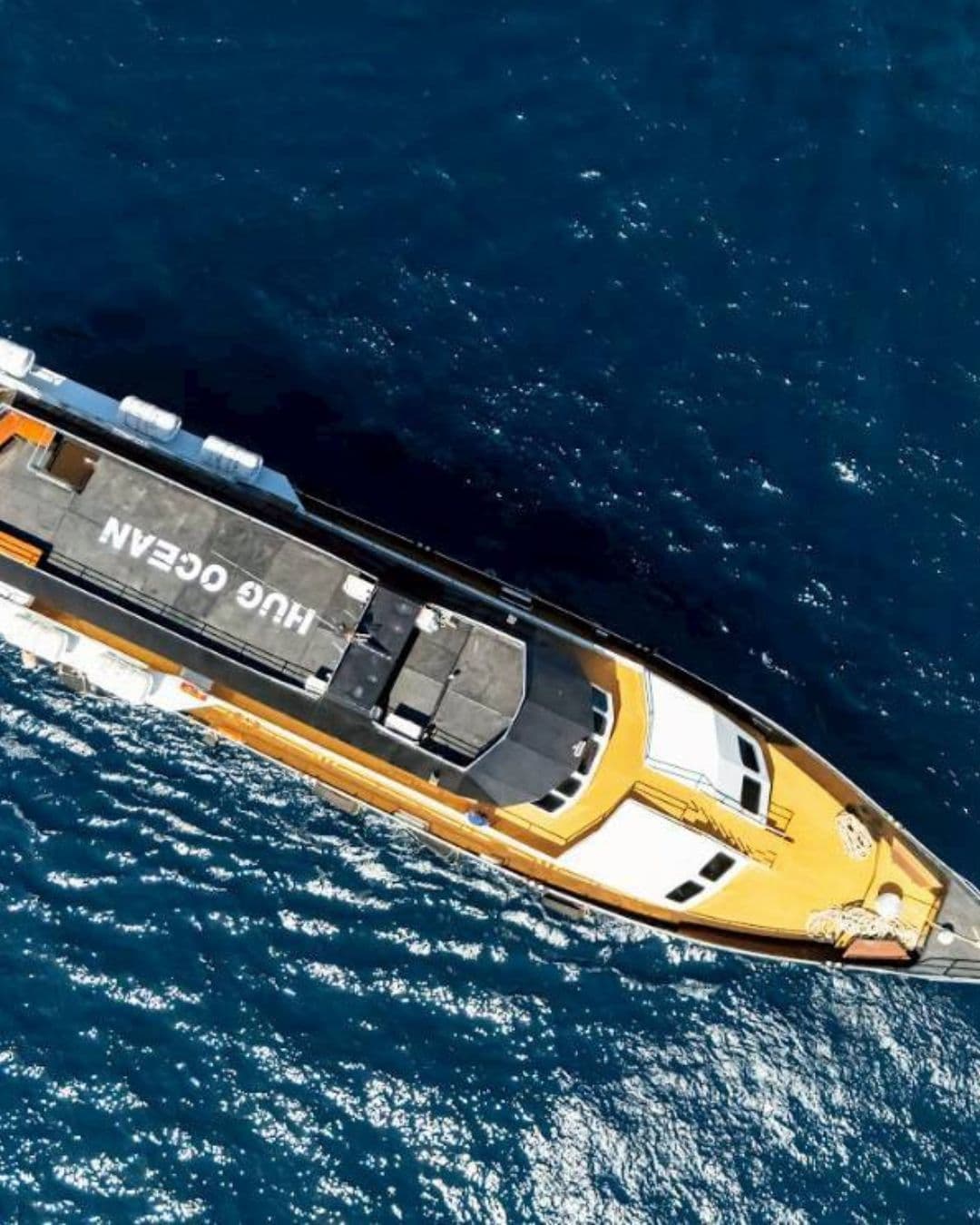
Discover Phuket's Andaman Sea aboard Hug Ocean — a luxury 3-deck dive yacht for 80 guests with a thrilling water slide, sun-soaked top deck, and PADI-certified diving at Racha Yai and Racha Noi.

Aquarian Liveaboard
liveaboard

Aquarian Liveaboard

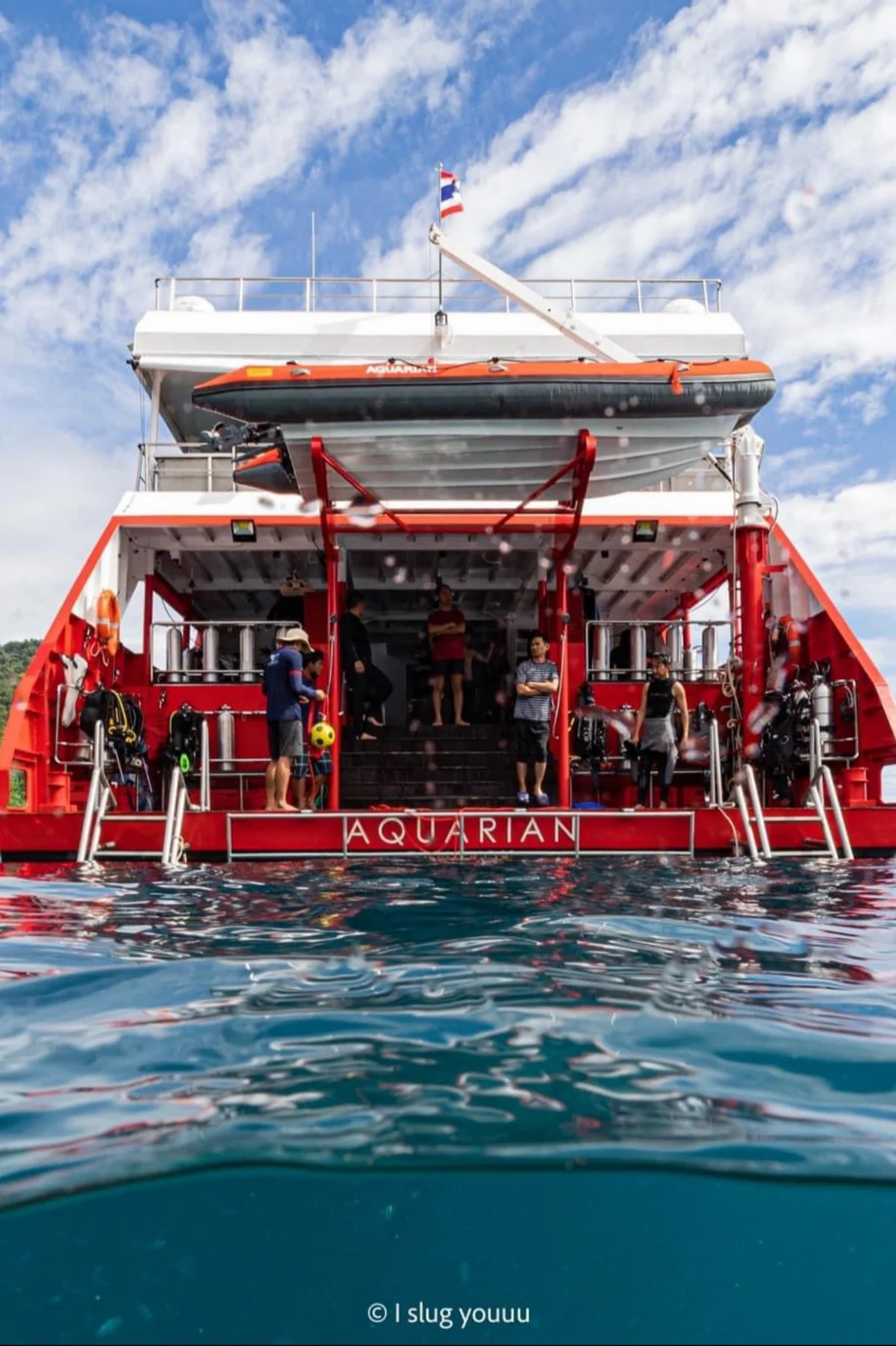
MV Aquarian — striking 2021-built red steel liveaboard, 31.4 m × 7.5 m, max 28 guests in 14 cabins. Free unlimited Nitrox via Coltri Sub membranes, one of Thailand's largest dive platforms, and full premium-hotel comfort.

Issara Liveaboard
liveaboard

Issara Liveaboard

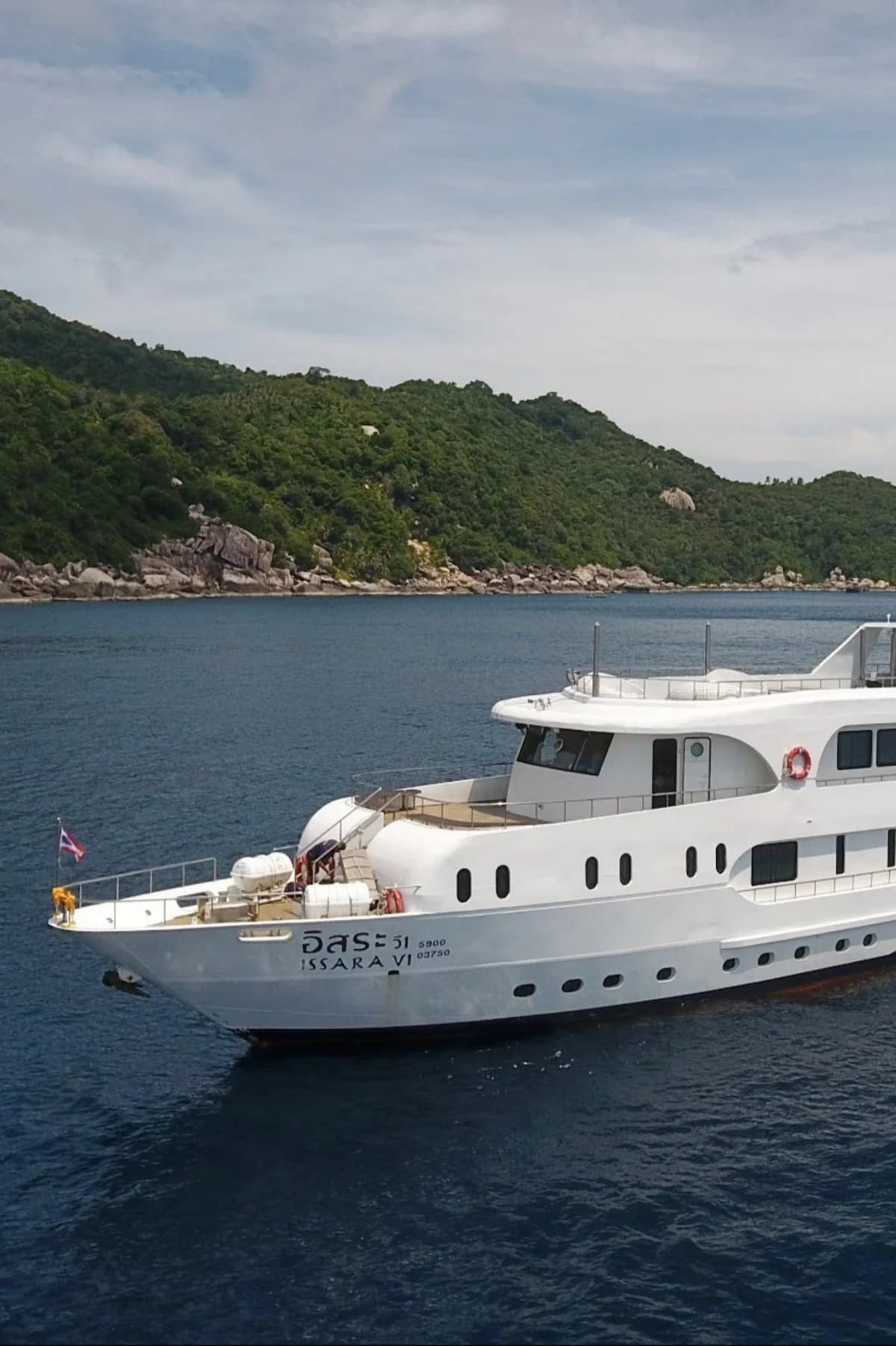
MV Issara — high-end Thai steel-hulled liveaboard built 2016–17, 28.5 m × 6.5 m, 4 decks, max 22 guests in 11 hotel-style cabins. Indoor saloon, jacuzzi sun deck, full-board buffet dining.

Mandarin Queen 5
daytrip

Mandarin Queen 5

Brand-new Phuket dive boat — 26.2 m M/V Mandarin Queen 5 with spacious dive platform, lounge and upper sun deck. Daily day trips to King Cruiser Wreck, Shark Point, Anemone Reef, Racha Yai and Racha Noi.