Why Divers Fly to Iceland for a 35-Minute Freshwater Dive
21 เมษายน 2569
Silfra Fissure offers 100-metre visibility in 2°C glacial water filtered through lava for a century — the only dive on Earth between two tectonic plates.
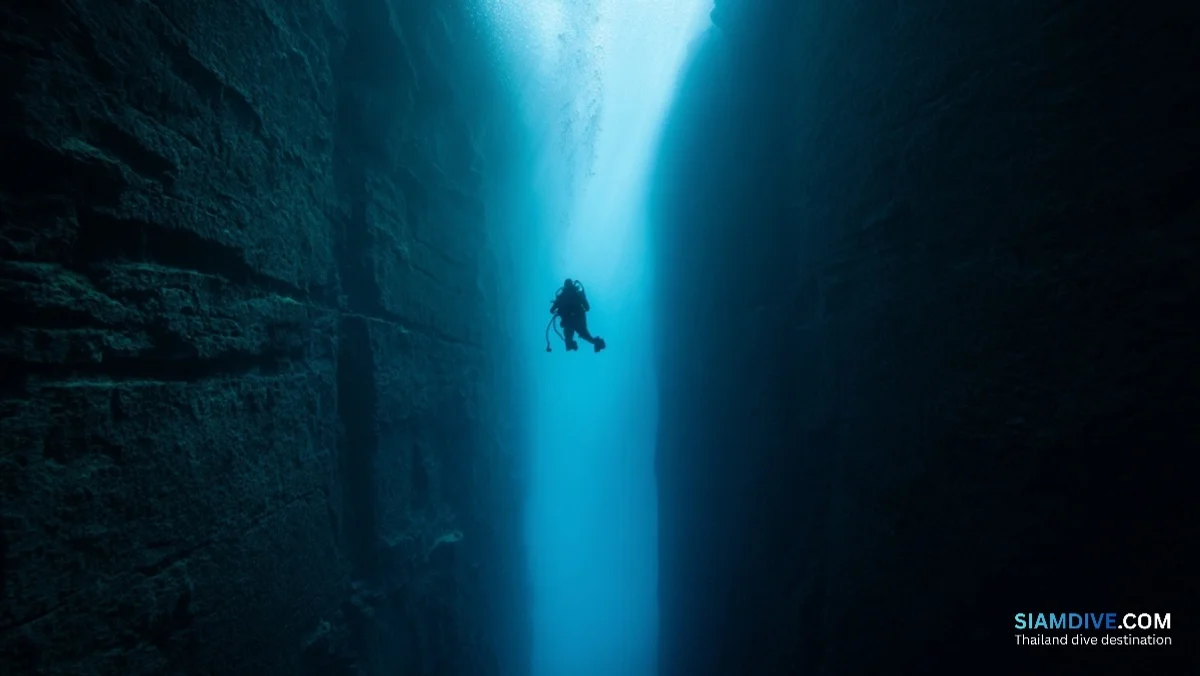
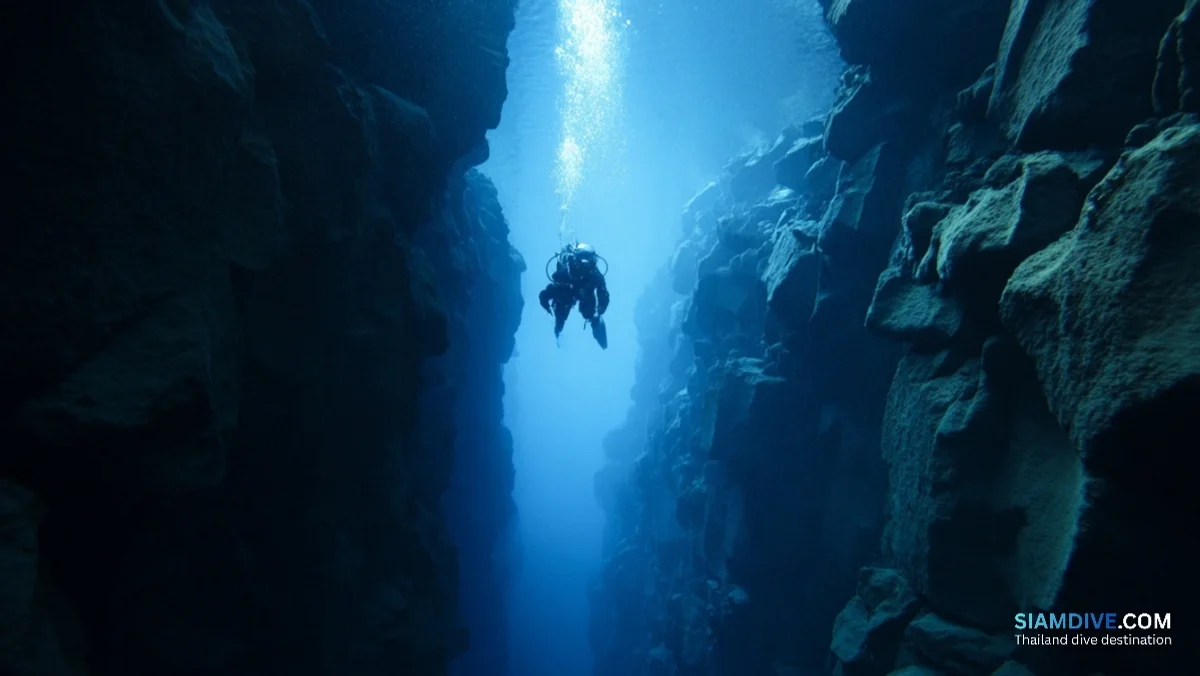
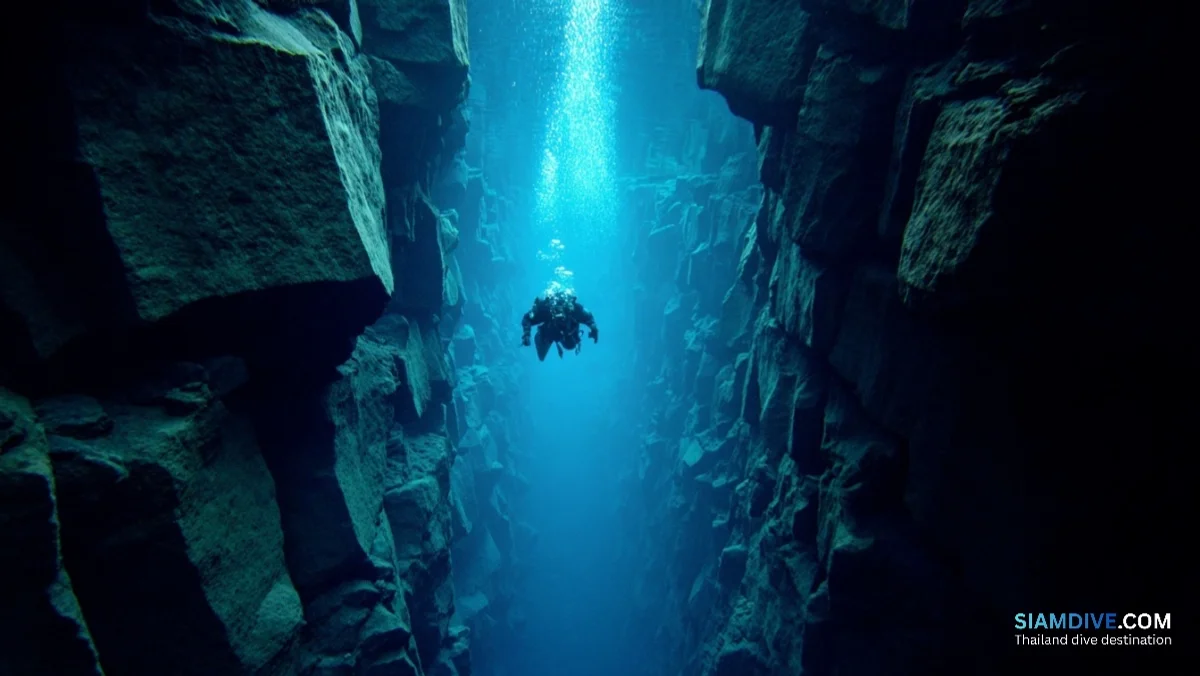
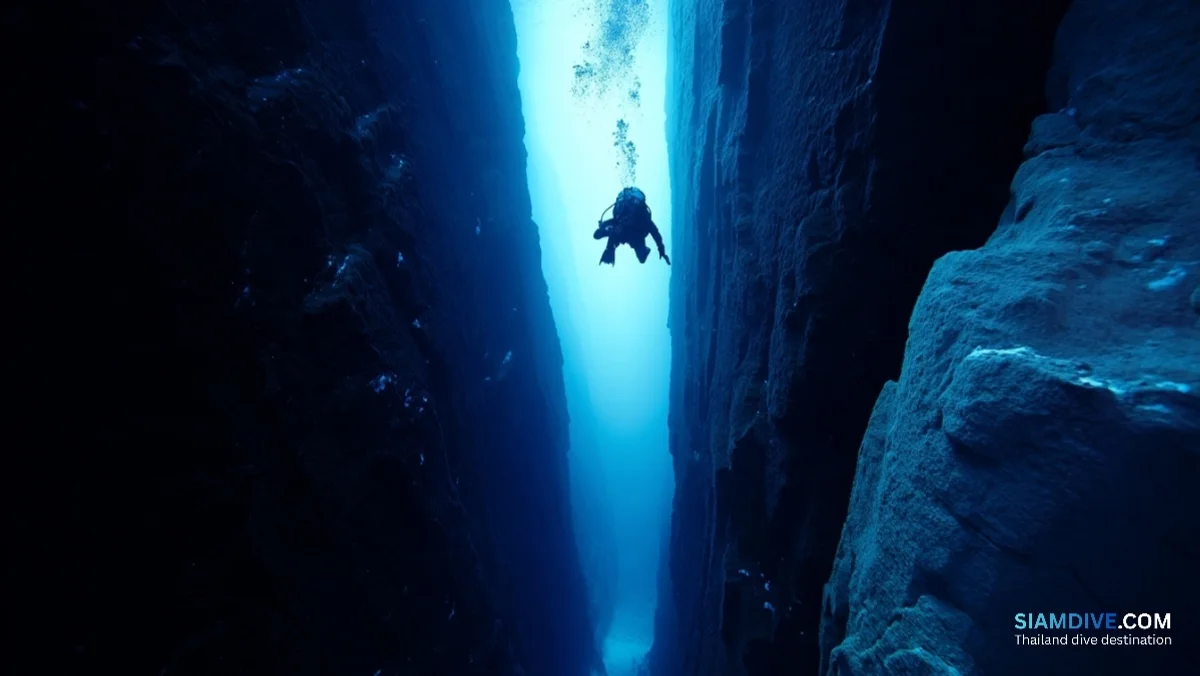
The fissure is barely wide enough for two divers swimming side by side — and the rock walls on either side belong to different continents. On the left, North America. On the right, Eurasia. Between them, water so clear that the bottom at 18 metres looks close enough to touch from the surface. This is Silfra, a crack in the earth in the middle of Iceland that has quietly become one of the most sought-after dives on the planet — not for fish, not for coral, but for geology and light alone.
Two Continents Pulling Apart at 2 cm Per Year
Silfra sits inside Þingvellir National Park, a UNESCO World Heritage Site about 45 minutes northeast of Reykjavik. The park straddles the Mid-Atlantic Ridge — the divergent boundary where the North American and Eurasian tectonic plates pull apart at roughly 2 centimetres per year. That slow, relentless separation created a series of fissures in the basalt bedrock, and Silfra is the largest one filled with water.
The geological process is straightforward but the result is extraordinary. As the plates drift, the ground between them sinks. Glacial meltwater from Langjökull — Iceland's second-largest ice cap, sitting 50 kilometres to the northeast — seeps underground and filters through porous lava rock for an estimated 30 to 100 years before emerging as a freshwater spring that feeds the fissure. By the time it arrives, virtually every particle has been stripped away. The water entering Silfra is among the purest naturally occurring freshwater ever measured.
Þingvellir itself carries historical weight that has nothing to do with diving. The Icelandic parliament, Alþingi, was founded here in 930 AD, making it one of the oldest parliamentary sites in the world. UNESCO inscribed the park in 2004 for both its cultural significance and its outstanding geological features — the only place on Earth where the Mid-Atlantic Ridge rises above sea level in a way that is both visible and accessible.
Four Rooms Carved in Basalt
A Silfra dive follows a single route from entry to exit, moving through four distinct sections. Each has its own character, and together they take about 30 to 40 minutes at recreational depth.
- Big Crack — The entry point and the narrowest stretch. Rock walls press in on both sides, barely a metre apart in places. This is where the iconic "touching two continents" photograph happens — one hand on North America, the other on Eurasia. Depth stays shallow here, around 1 to 3 metres, and the first thing most divers notice is not the rock but the water itself: so transparent it feels like floating in nothing.
- Silfra Hall — The fissure opens wider and deeper. Boulders line the bottom, some draped in bright green algae the locals call "troll hair" — one of the few living organisms in the fissure. Depth drops to about 7 metres, and the colour palette shifts from grey basalt to shades of teal and emerald as light refracts through the mineral-free water.
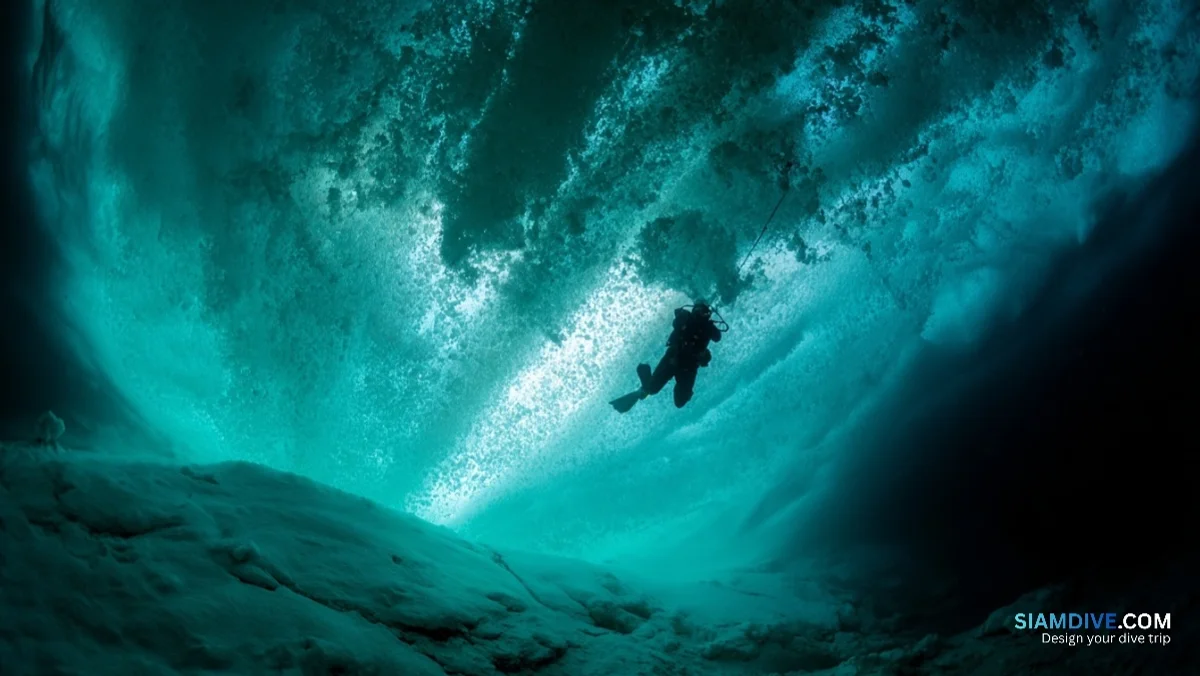
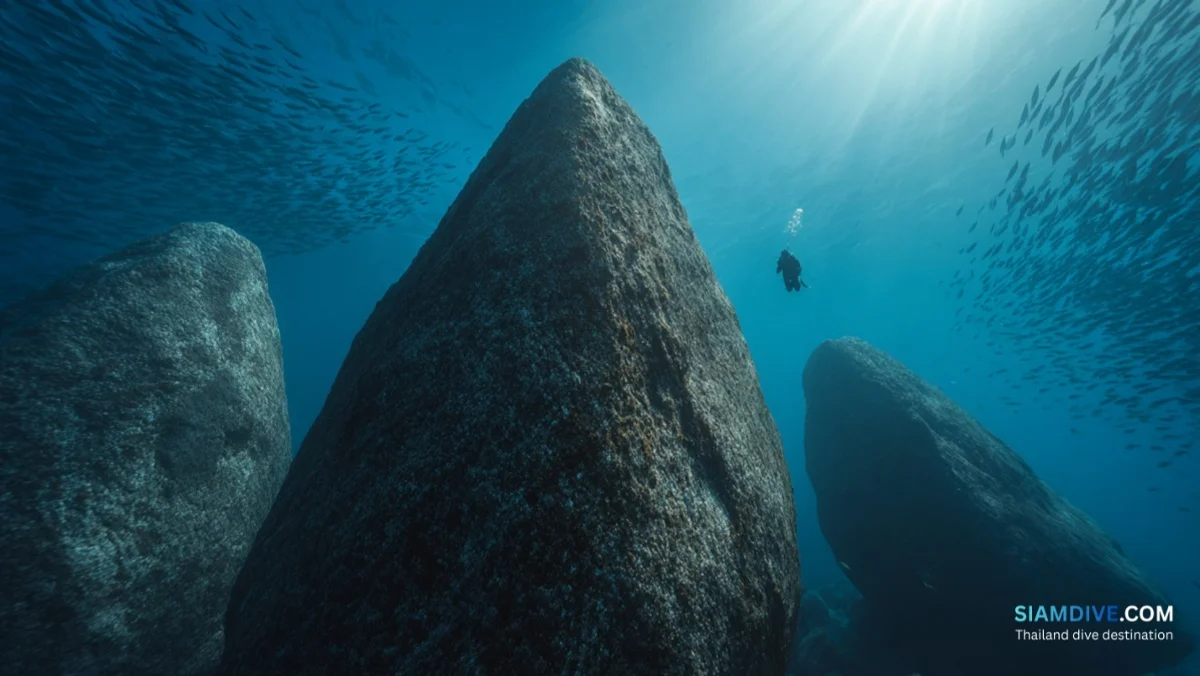
- Cathedral — The deepest section and the visual centrepiece of the dive. Walls drop straight down to 18 metres, the maximum allowed recreational depth. Light enters from above in shafts that turn the water an electric, almost unnatural blue. On still days, looking up from the bottom of Cathedral feels like staring into a column of liquid sapphire. The walls here are close enough to see fine detail on both continental plates — cracks, mineral deposits, the faint striations left by centuries of seismic movement.
- Silfra Lagoon — The exit zone. The fissure widens into an open lagoon roughly 120 metres across, with visibility so extreme that divers report a sensation of flying rather than swimming. Depth drops to about 2 metres, but the layered colours — neon greens from algae beds below, deep blues from the open sky above — make this the section that fills camera rolls.
Water That Took a Century to Arrive
Most dive sites sell themselves on marine life. Silfra sells itself on water. The glacial meltwater feeding the fissure has been underground for decades, filtering through volcanic basalt so fine-grained that it acts like a natural purification system on a scale no human engineering has matched.
Visibility here is not measured in the 10- or 20-metre ranges that excite divers elsewhere. Silfra regularly exceeds 100 metres, placing it among the clearest bodies of water ever recorded. For context, the celebrated cenotes of Mexico's Yucatán typically offer 30 to 60 metres on a good day. The clearest tropical reef under perfect conditions might reach 40. Silfra's 100-plus is not a peak reading — it is the baseline.
- Visibility
- 100+ metres (regularly cited as the clearest dive water on Earth)
- Water temperature
- 2–4°C year-round (35–39°F)
- Water source
- Glacial melt from Langjökull, filtered 30–100 years through lava rock
- Current
- None — no waves, no tides, no drift
- Depth (recreational limit)
- 18 metres (Cathedral section)
- Salinity
- Freshwater (0 ppt)
The absence of current deserves emphasis. Silfra has no tidal movement, no surge, no drift. The water sits almost perfectly still inside the fissure. For divers accustomed to fighting current or timing entries around slack tide, this feels disorienting at first — like hovering in mid-air rather than swimming through anything at all.
One side effect of the extreme purity: there is almost no marine life. A few species of algae and some microscopic invertebrates are the only residents. No fish. No crustaceans. No coral. This absence is part of what makes Silfra unique — the dive is entirely about geology, light, and water. Divers who need a reef to hold their attention will find Silfra meditative at best. Those who came for the visual experience of pure clarity and ancient rock describe it as one of the most memorable dives of their lives.
The 2°C Reality Check
Silfra's clarity comes at a cost that stops many certified divers from booking: the water is cold enough to numb exposed skin in under a minute. At 2 to 4°C, this is not a dive where a thick wetsuit will get by. A drysuit is mandatory — not a suggestion, not a recommendation, a hard requirement enforced by every licensed operator and by the national park itself.
Certification requirements reflect the severity of the conditions:
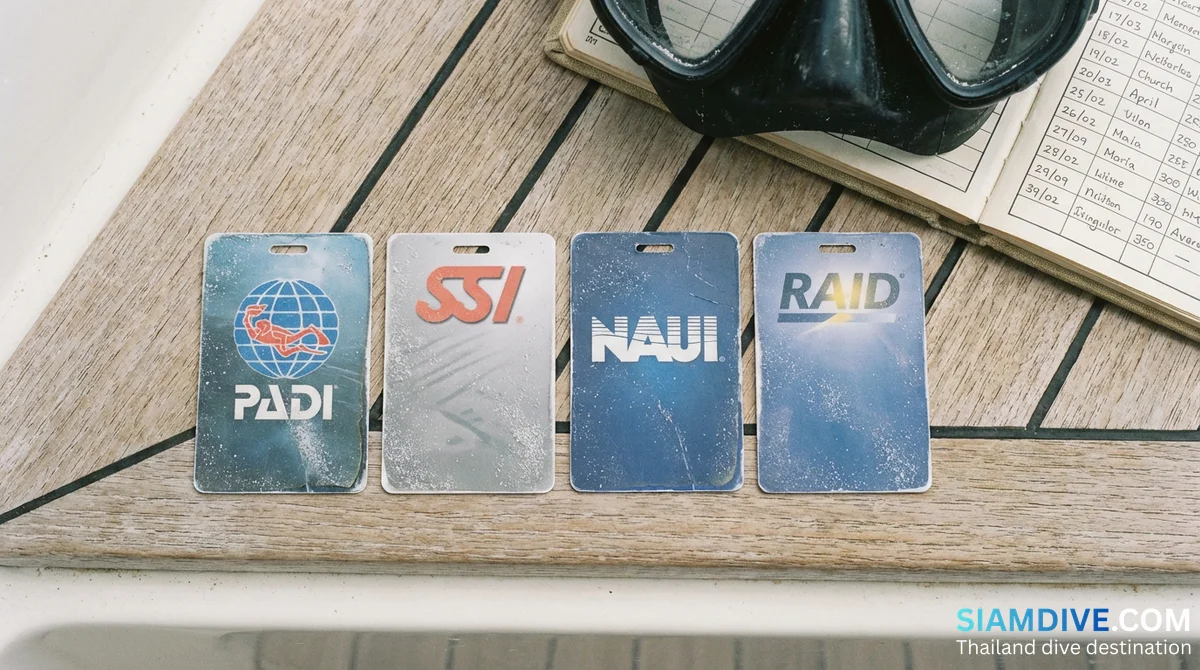
- Path A — Open Water certification plus a Dry Suit Specialty (PADI, SSI, NAUI, or BSAC equivalent)
- Path B — Open Water certification plus a logbook showing at least 10 drysuit dives logged within the previous two years
Divers must also be at least 18 years old, physically fit enough to walk 150 metres to the entry point and 400 metres back from the exit in full gear across a lava field, and able to follow safety briefings in English. The walk is more significant than it sounds — in winter, the path may be icy, and the 400-metre return uphill in neoprene boots and a drysuit is the part of the experience nobody mentions in brochures. Proper thermal undergarments are essential; most operators offer rental layers for divers who arrive without their own.
For those without drysuit certification, snorkelling is the alternative — and a surprisingly good one. Snorkellers wear a provided drysuit and float on the surface through the same four sections, seeing much of what divers see from a slightly higher vantage point. Given that Silfra's most dramatic colours and light effects occur near the surface, snorkelling here is not a consolation prize. TripAdvisor reviews from Q1 2026 consistently rate the snorkelling experience 4.5 stars or higher, with many first-time visitors saying the surface view of Cathedral was the visual highlight of their entire Iceland trip.
What It Costs to Dive Between Continents
Silfra is not a budget dive, but it is not unreasonable either when measured against what it delivers. Pricing from licensed operators in 2026:
- Scuba diving (self-drive to Þingvellir) — from 33,490 ISK (~$255 USD), including drysuit rental, guide, and park fees
- Scuba diving (hotel pickup from Reykjavik) — from 40,490 ISK (~$307 USD), adding round-trip transport of roughly 90 minutes each way
- Snorkelling (self-drive) — from 16,900 ISK (~$130 USD)
- Snorkelling (hotel pickup) — from 25,990 ISK (~$200 USD)
Group sizes are capped by park regulations — typically 4 to 6 divers per guide. Only licensed operators are permitted to run tours inside the national park, and solo entry is prohibited. There is no freelance or self-guided option.
For divers weighing whether the price justifies a 35-minute dive in 2°C water: the comparison that makes sense is not cost-per-minute but cost-per-experience. There is no other dive site on Earth where the geology, the clarity, and the sheer strangeness of floating between two tectonic plates combine in the same way. Thailand's tropical reefs deliver far more bottom time per dollar, and warm-water destinations are better suited for first-time divers, but Silfra occupies a category of its own — the dive you take once because nowhere else offers it.
Summer Light or Winter Silence?
Water temperature stays locked between 2 and 4°C regardless of the season, so underwater conditions barely change month to month. What shifts is everything above the surface.
Summer — June through August — brings near-continuous daylight. The midnight sun means tours can run late into the evening, and the extra sunlight pouring into the fissure intensifies the blue and green tones that make Cathedral and Lagoon so photogenic. Air temperatures hover around 10–15°C, making the gear-up and the walk to the site manageable. This is peak season, and slots fill weeks in advance.
Winter transforms the experience entirely. Snow blankets the lava field. The walk to the entry point becomes a careful crossing in drysuit boots on frozen ground. Above the waterline, the landscape is monochrome grey and white — but below, the colours remain exactly the same. Fewer visitors mean smaller groups, and some divers specifically choose January or February for the solitude and the raw contrast between icy surface conditions and the unchanged underwater world.
Spring and autumn split the difference: workable weather, fewer crowds than summer, and the same 100-metre visibility waiting below. April and October are considered shoulder-season sweet spots by operators who run year-round schedules.
A practical note on surface intervals and post-dive planning: Þingvellir sits at only about 100 metres above sea level, so altitude diving tables do not apply. The standard 18- to 24-hour pre-flight interval recommended by DAN still applies for anyone flying out of Keflavik after diving. Given that most international flights depart in the morning and Silfra dives typically finish by mid-afternoon, scheduling the dive for the day before departure — rather than the same day — eliminates the timing pressure entirely.