8 Mile Rock Diving Guide: Koh Lipe's Deep Pinnacle
← Blog

8 Mile Rock Diving Guide: Koh Lipe's Deep Pinnacle

10 เมษายน 2569

A remote pinnacle 8 miles offshore with big pelagics, reef sharks, and untouched corals. Your guide to Koh Lipe's most rewarding advanced dive site.

A Pinnacle in the Open Blue

8 Mile Rock sits roughly eight nautical miles from Koh Lipe — far enough offshore that you're diving in genuine open water. The pinnacle rises from deeper water to create a magnet for pelagic life that the inner reefs rarely see. This is not a casual dive. The distance, the depth, and the currents all push it into advanced territory. But for divers who can handle it, 8 Mile Rock is hands down the most exciting dive in the Koh Lipe area.

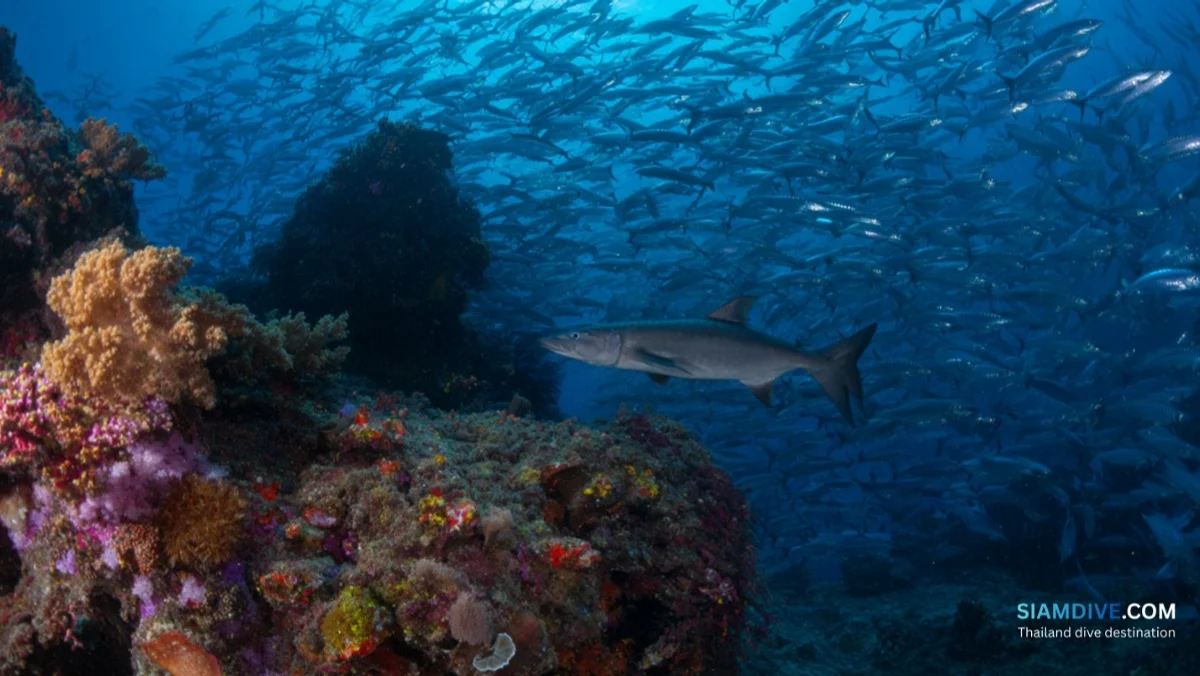
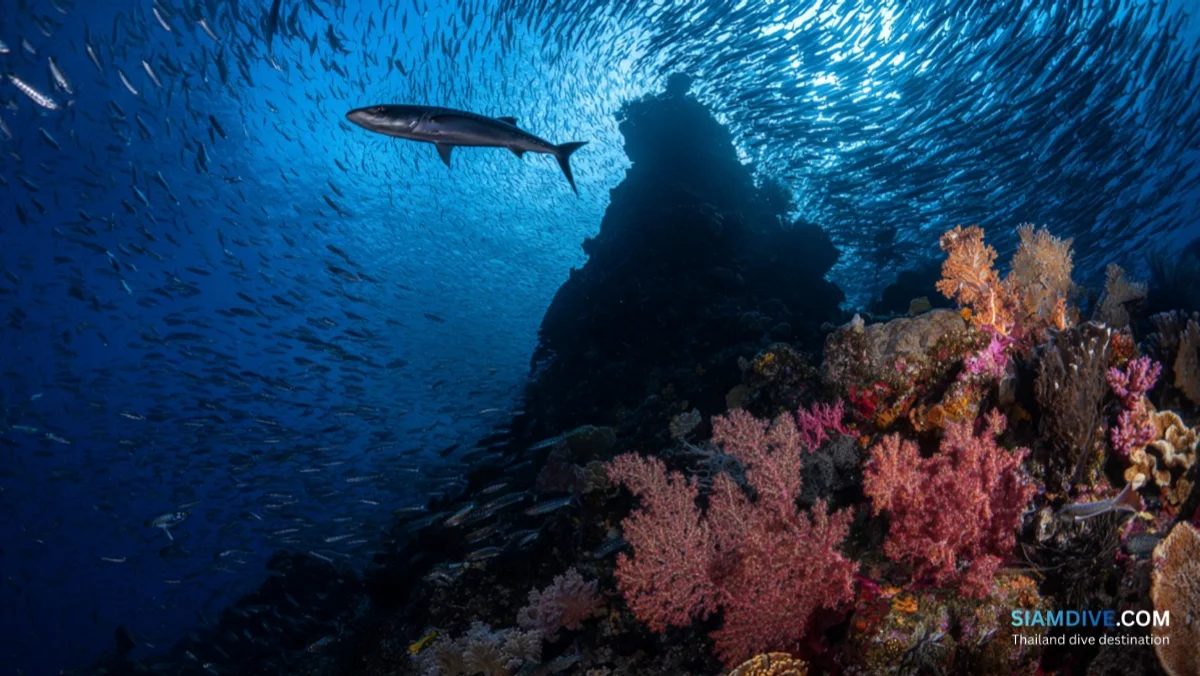
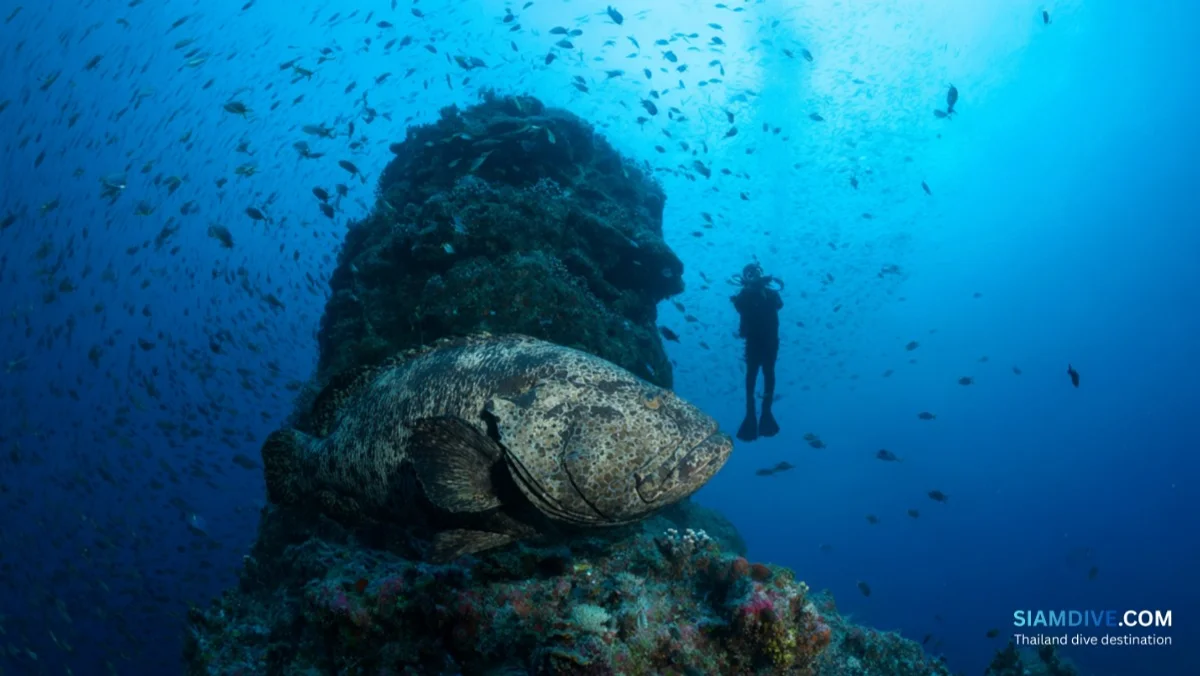
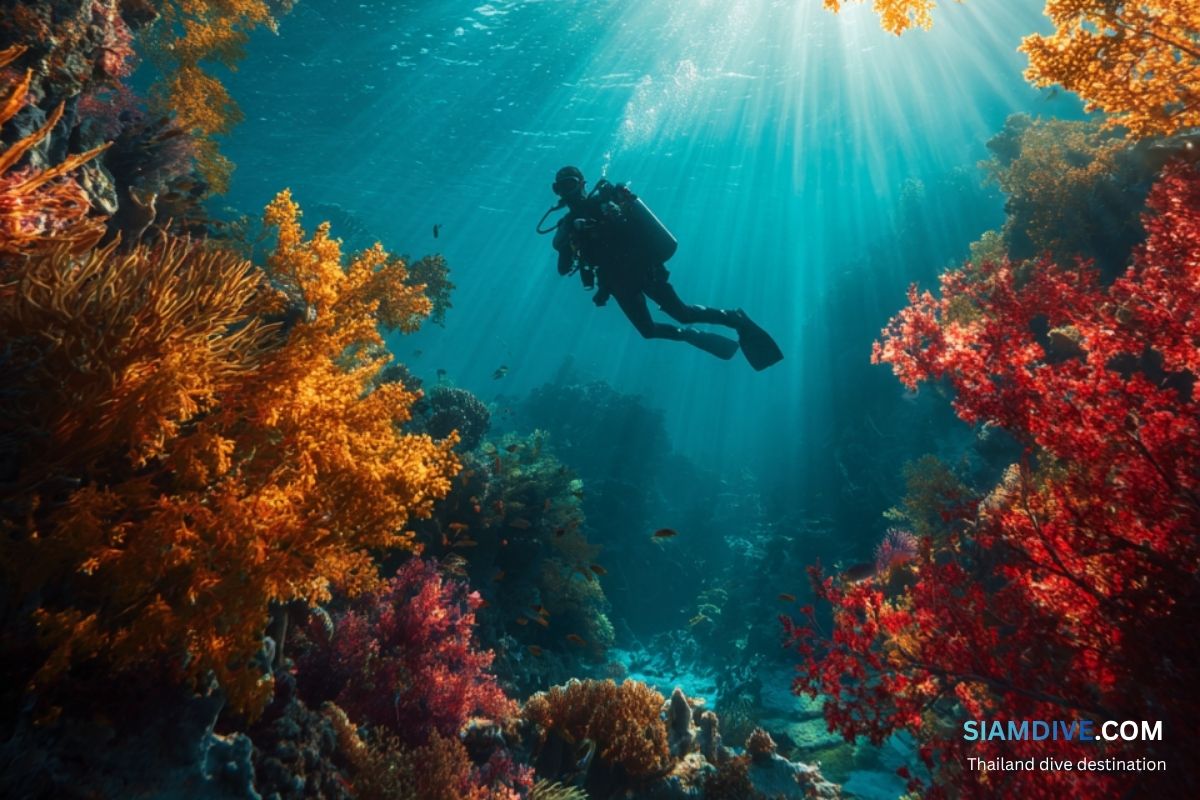
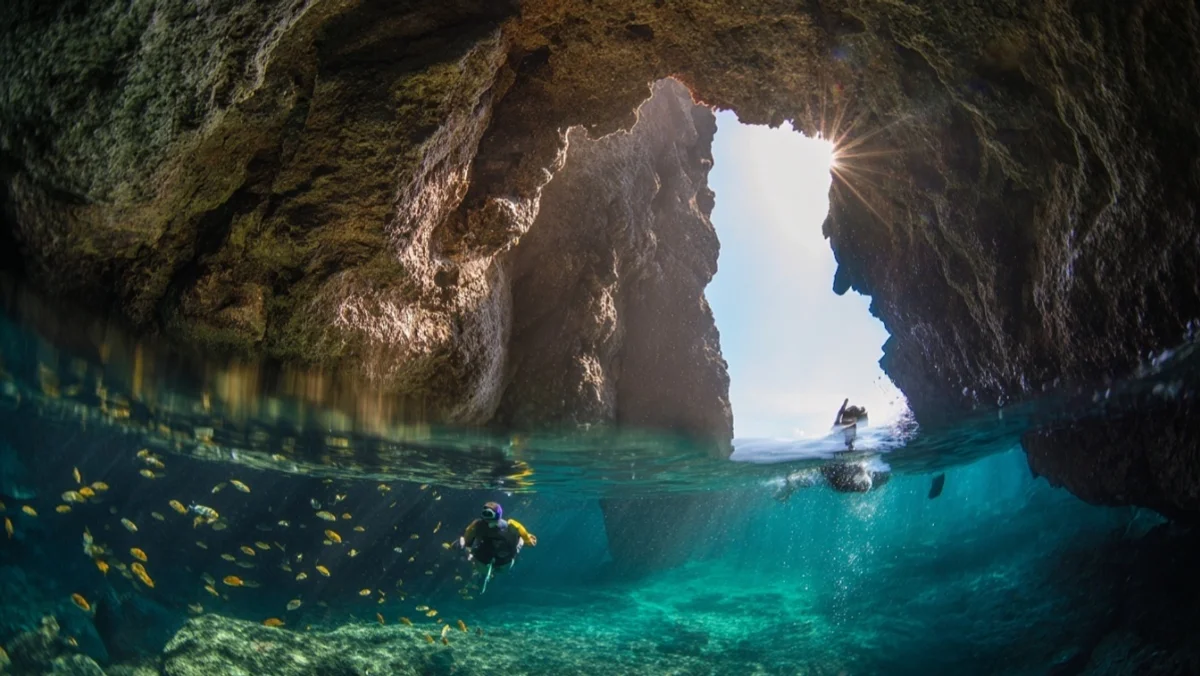
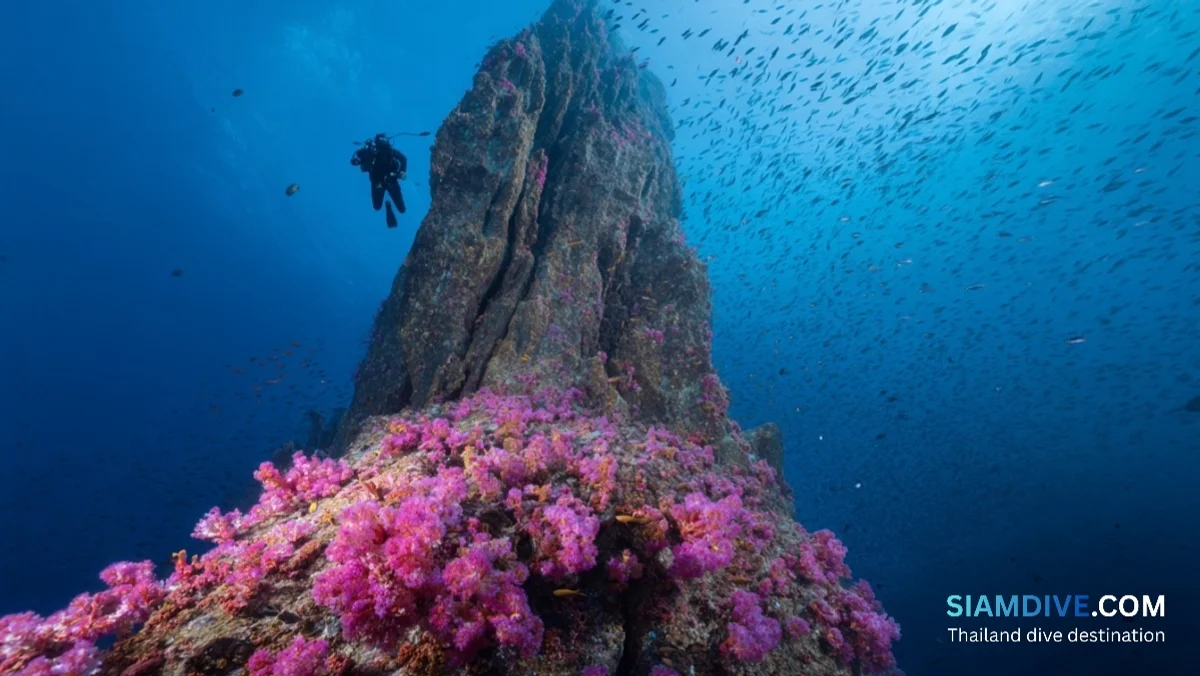
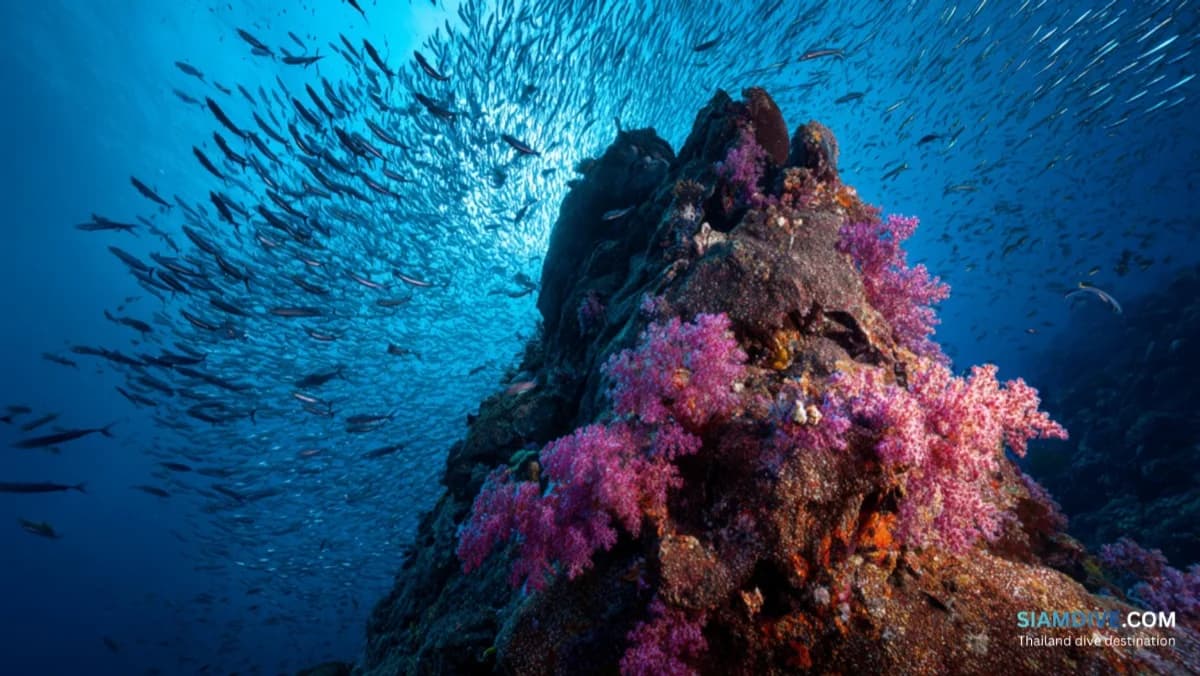
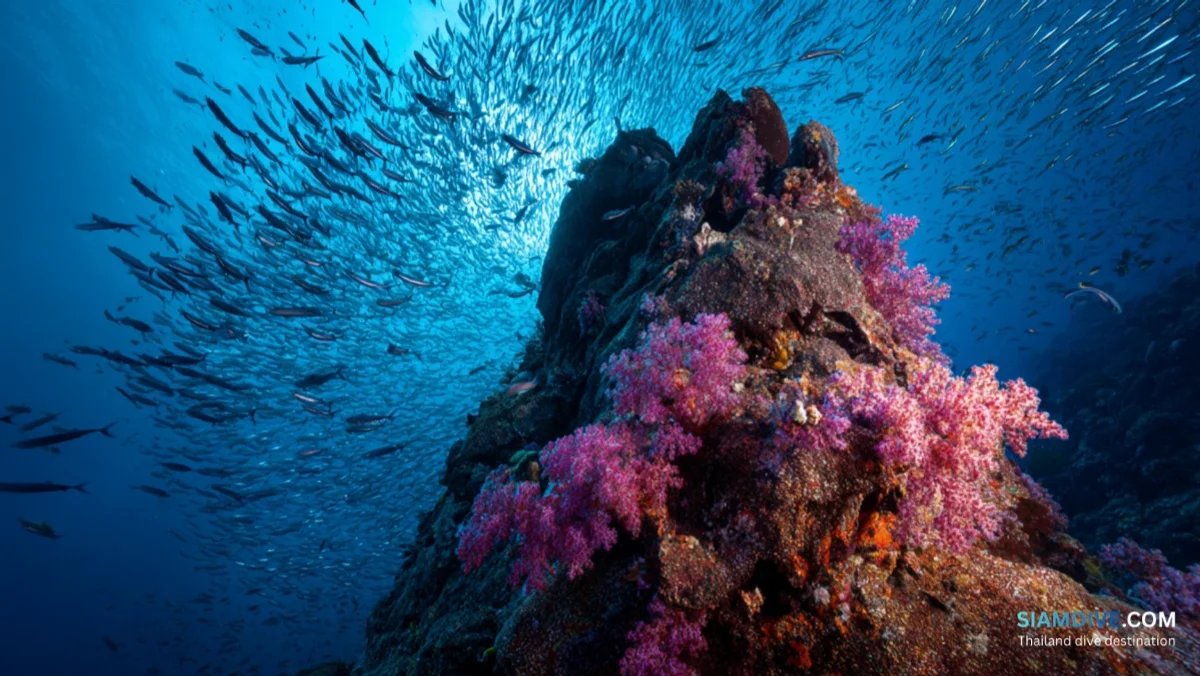
The rock itself is a submerged pinnacle covered in healthy soft corals, sea fans, and encrusting organisms. Because it sits so far from shore, it has been spared the snorkeling traffic and anchor damage that affect nearshore sites. The coral here looks like it did decades ago — thick gorgonian fans, dense soft coral clusters, and clean hard coral plates on the shallower sections.

Why 8 Mile Rock Is Worth the Boat Ride

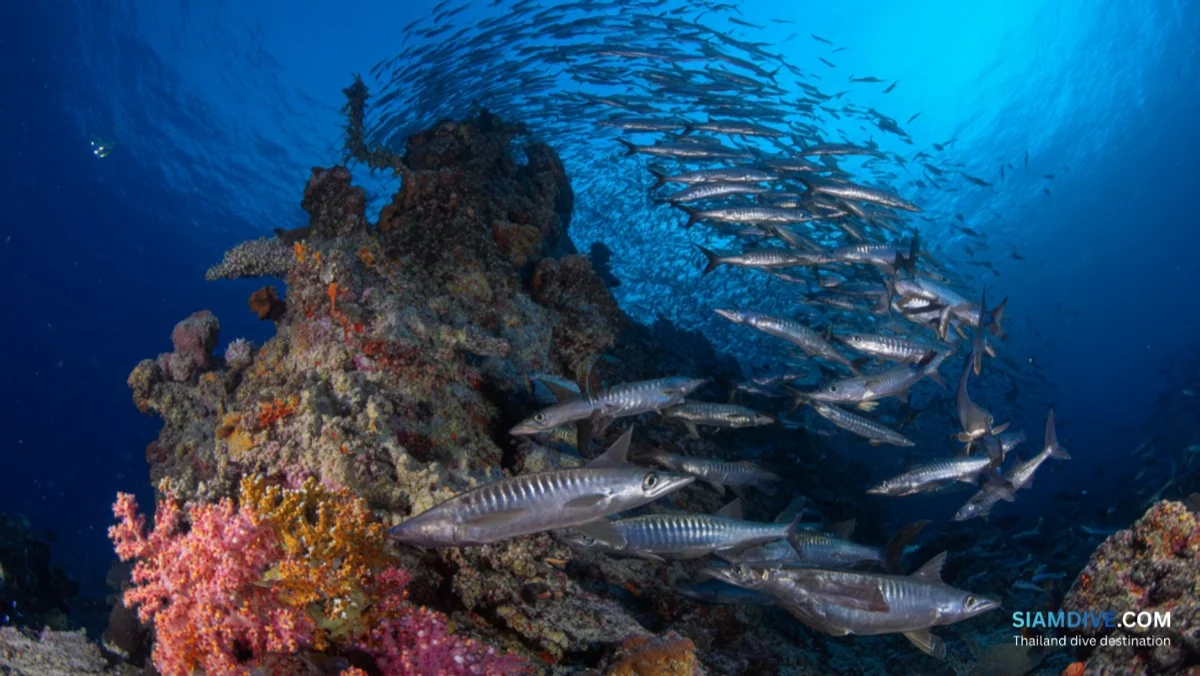
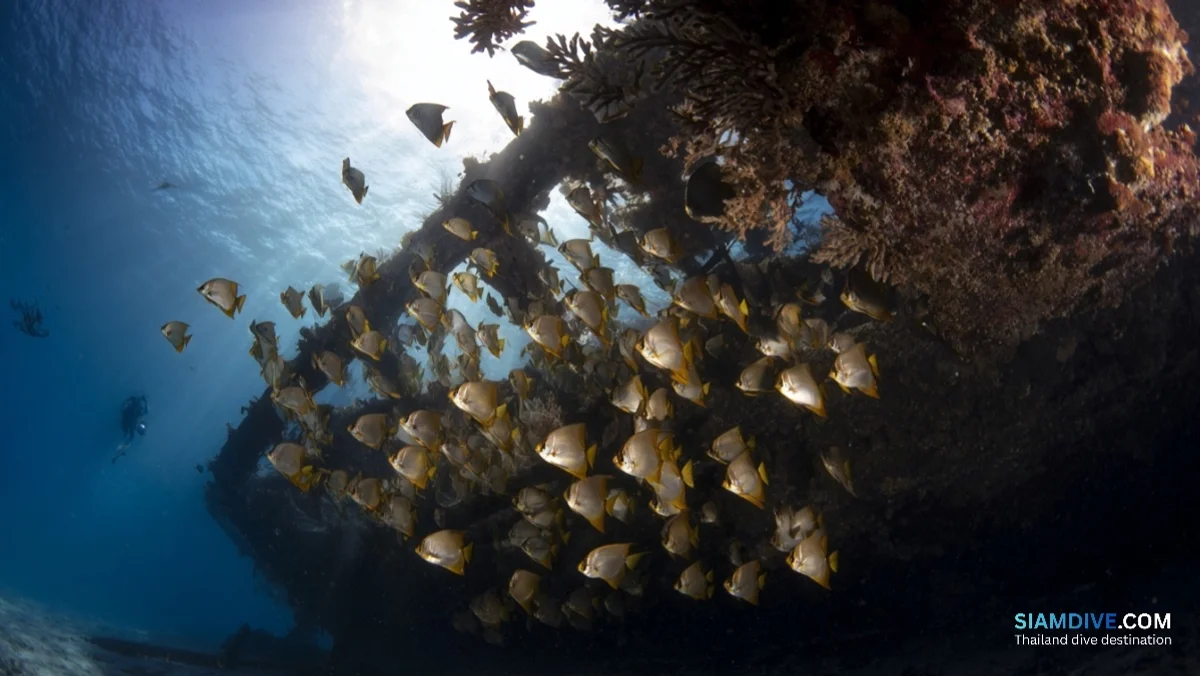
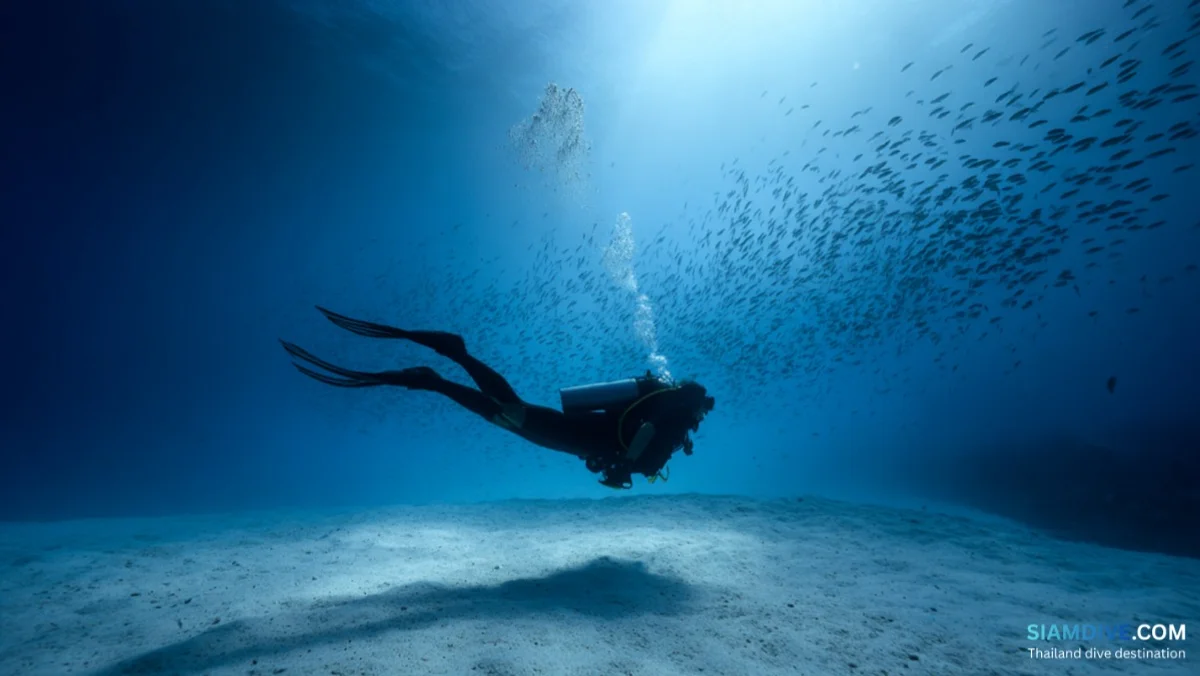
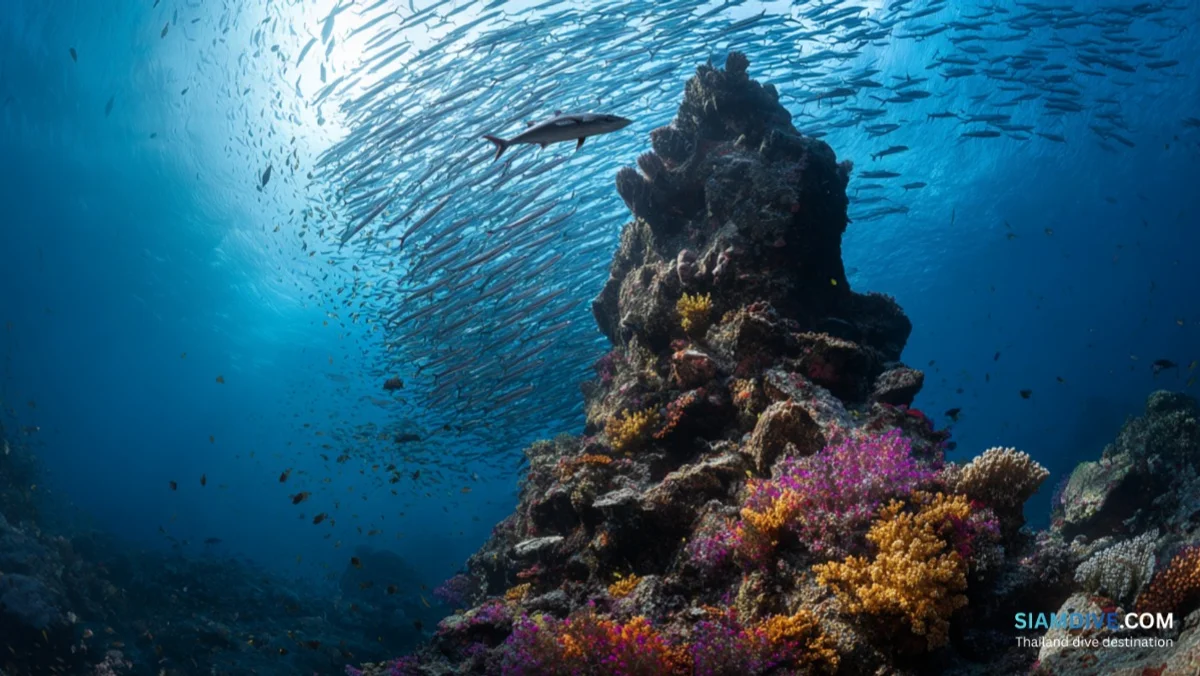
The main draw is simple: big animals. The pinnacle's position in open water means it acts as a cleaning station and aggregation point for species that don't bother with shallow reefs. Blacktip reef sharks are regular visitors, often seen circling the pinnacle in groups of three or four. Schools of yellowtail barracuda mass around the peak, sometimes forming walls of silver that block the view behind them.

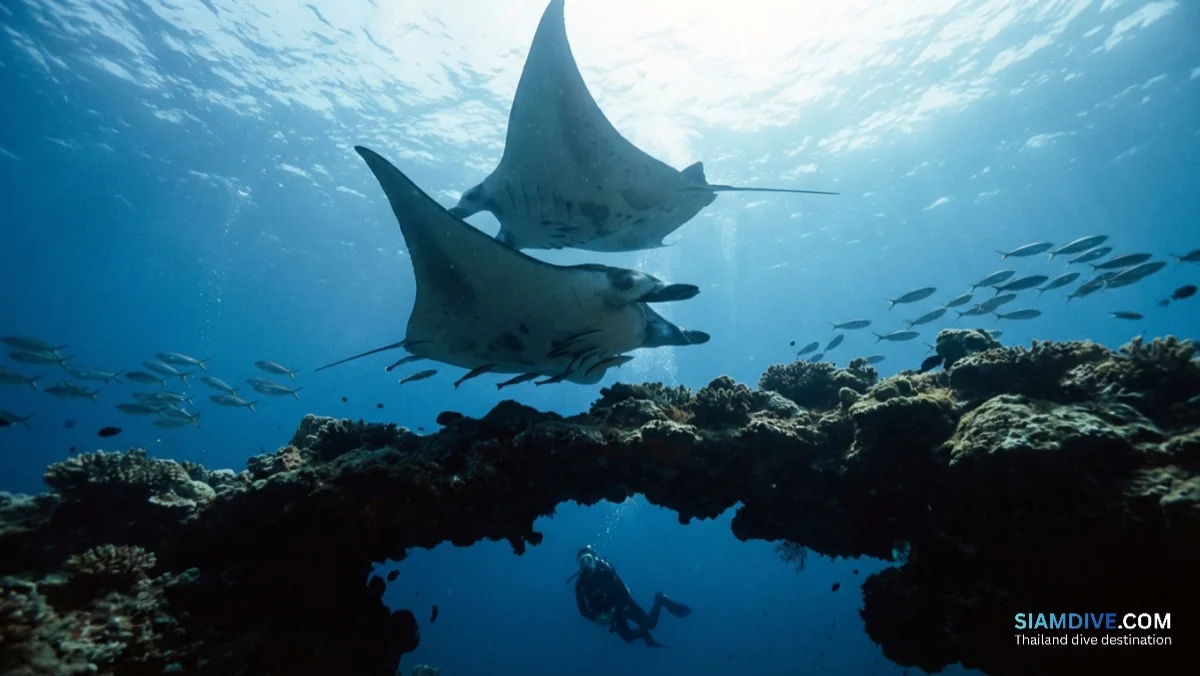
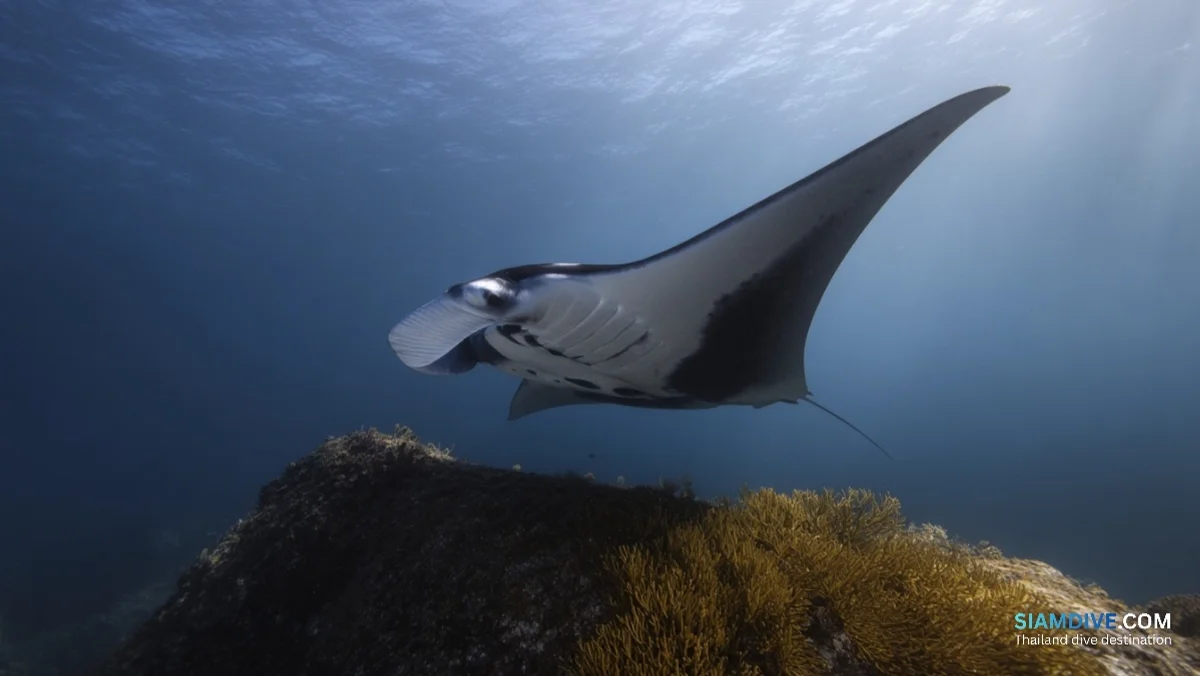
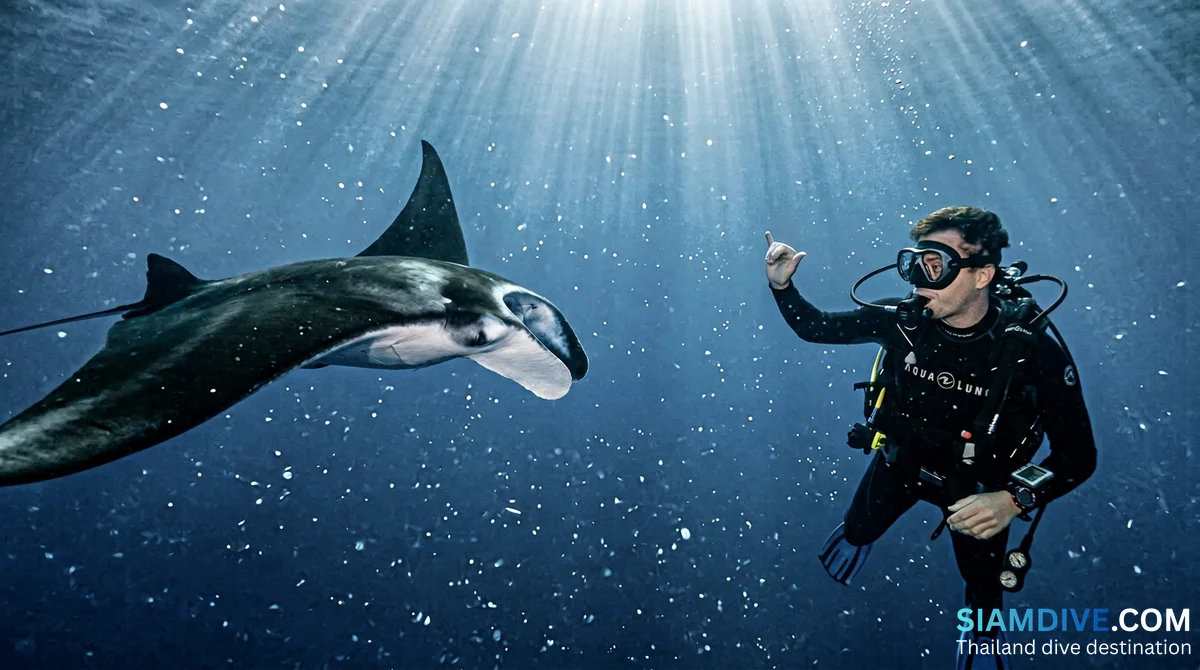
During peak season — December through March — whale shark sightings happen here. They're not guaranteed, but the pinnacle's location on a nutrient-rich current path makes it one of the more reliable spots in the Koh Lipe area for these encounters. Manta rays have also been spotted, particularly during plankton-heavy months.

Beyond the big stuff, the reef itself is impressive. The isolation means fish density is high. Schools of trevally work the current edges, snappers hold formation in the lee, and the occasional eagle ray glides past at the deeper margins. It's the kind of dive where you spend the entire time looking outward into the blue, waiting for the next shadow to materialize.

Dive Profile and Conditions

The pinnacle top sits at around 12-15 meters, with walls and slopes dropping to 30 meters and beyond. Most dive profiles follow a spiral descent around the rock, starting at the peak and working down to the deeper sections before ascending for a safety stop at the top.

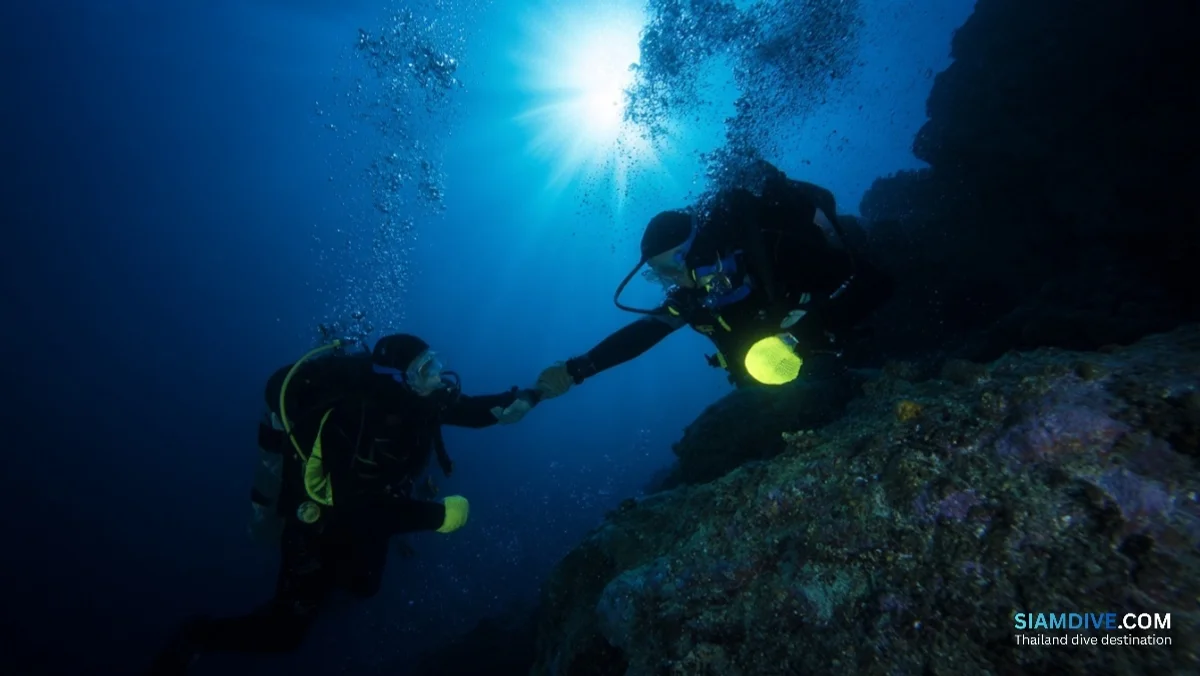
Currents are the defining feature. Open water means the flow is less predictable than at sheltered sites. On calm days, the current is mild enough for a relaxed circuit. On strong days, you'll need a reef hook to hold position and watch the show. Visibility ranges from 15 to 30 meters depending on season and conditions — best in January and February.

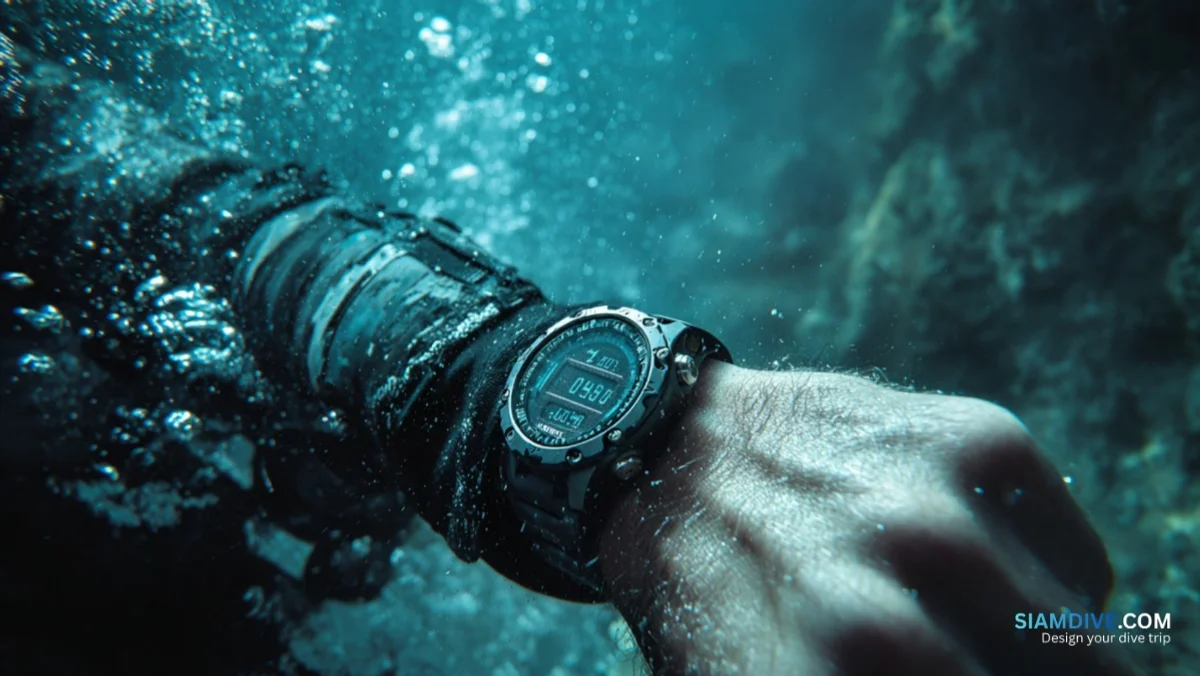
Water temperature holds at 28-30°C during the diving season. A 3mm wetsuit or thick rash guard handles it. Bottom time at depth eats into your no-decompression limits quickly, so watch your computer — this is not a site for relaxed multilevel profiles.

Best Time to Dive 8 Mile Rock

November through April is the season, same as all Koh Lipe sites. But 8 Mile Rock has a narrower weather window than nearshore sites because of the long boat ride. Even moderate chop makes the 45-60 minute transit uncomfortable, and operators will cancel if conditions deteriorate.

December through February offers the most consistent access. Seas are typically calm, visibility peaks, and pelagic activity is at its highest. Late November and March work but with more weather uncertainty. April is hit-or-miss — some years the conditions hold, others the monsoon arrives early.

Book your 8 Mile Rock dive early in your trip. That way, if weather cancels the first attempt, you have backup days to try again.

How to Get There

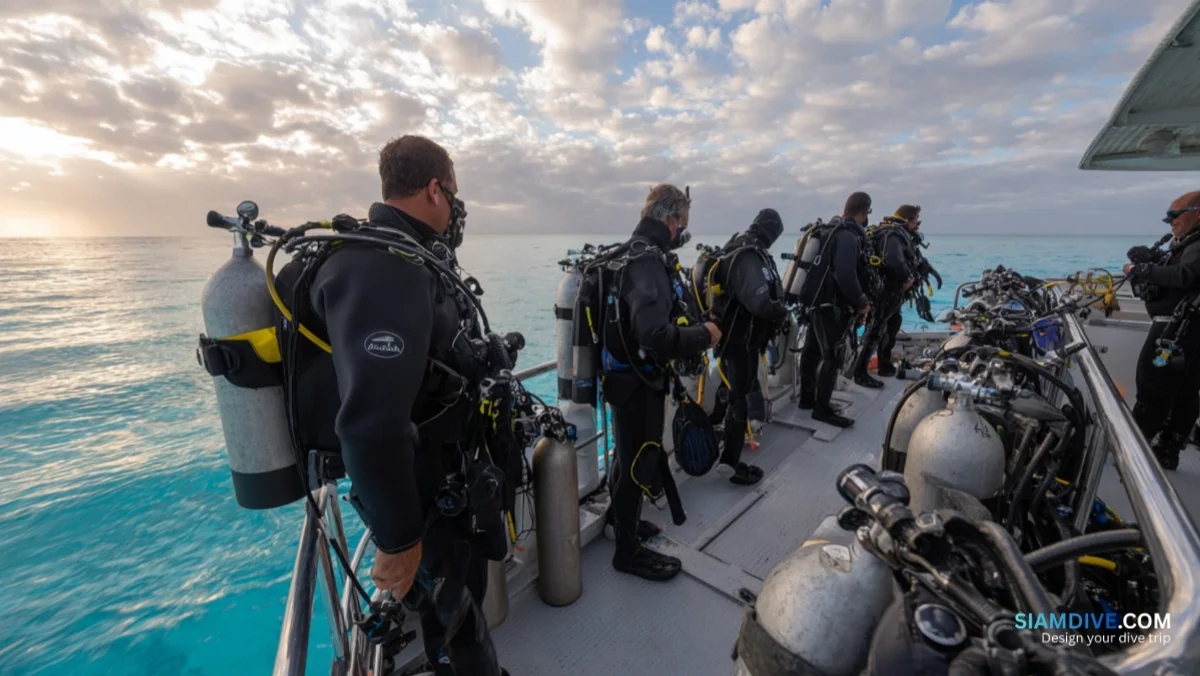
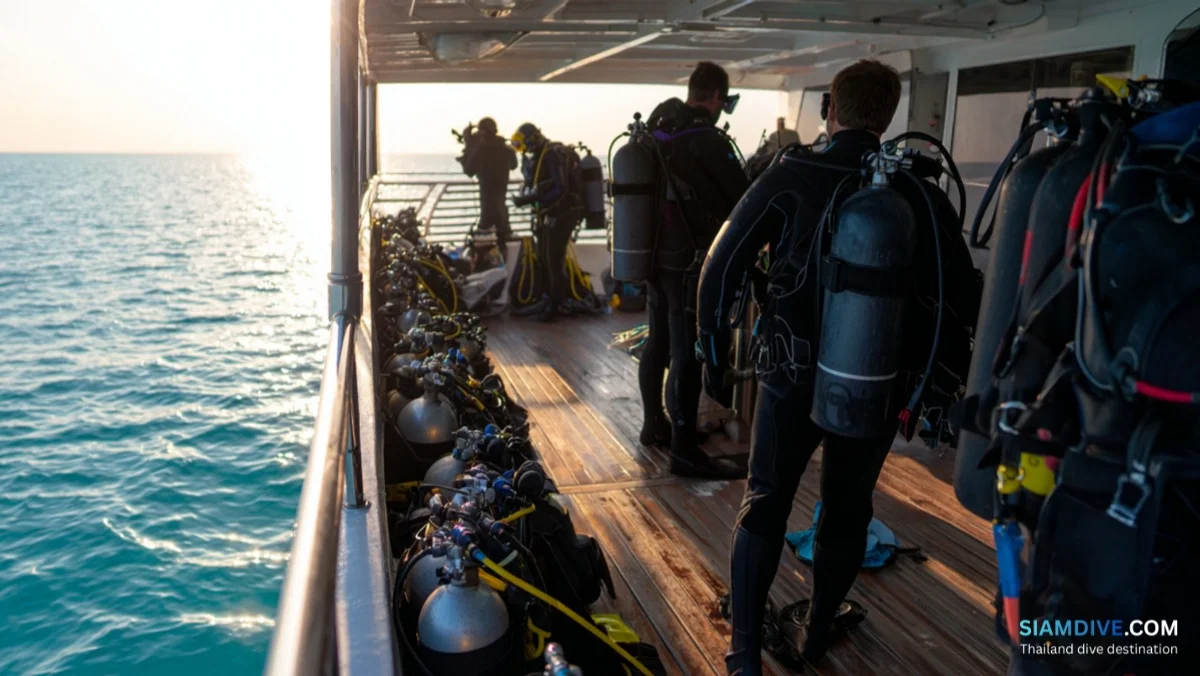
8 Mile Rock is accessed exclusively by dive boat from Koh Lipe. The transit takes 45-60 minutes by speedboat or longtail, depending on sea conditions and the operator's vessel.

Getting to Koh Lipe: Fly to Hat Yai Airport (HDY), minivan to Pak Bara Pier (2-3 hours), then speedboat to Lipe (1.5-2 hours, 800-1,500 THB round-trip). Alternatively, speedboats run from Langkawi, Malaysia in about 1.5 hours.

Dive operators: Not all Koh Lipe shops run 8 Mile Rock regularly — it requires more fuel, time, and a minimum number of divers to justify the trip. Ask specifically about their schedule for outer sites. Expect to pay 3,500-4,500 THB for a two-dive trip that includes 8 Mile Rock, though some operators charge a premium for the extra distance.

Tarutao National Marine Park entry fee applies: 200 THB per person plus boat fees.

Tips for Diving 8 Mile Rock

  • Advanced certification recommended — This site involves depth, current, and open water conditions. Open Water divers may struggle. Advanced Open Water with some current experience is the minimum comfortable level.
  • Reef hook essential — When the current rips, you need to clip in and watch. Without a hook, you'll burn air fighting the flow and miss the animals passing by.
  • Watch your air — The combination of depth, current, and excitement burns gas fast. Monitor your consumption and communicate with your guide early if you're getting low.
  • Nitrox recommended — If your operator offers Enriched Air, take it. The extra no-decompression time at 20-25 meters is valuable on a pinnacle dive with limited bottom time.
  • Pack seasickness medication — The boat ride is long and exposed. Even experienced boaters should take precautions. Medication before departure, not mid-crossing.
  • Bring wide-angle — This is a big-animal, big-scenery site. Leave the macro lens at home. A fisheye or wide rectilinear lens captures the barracuda schools and pinnacle topography best.

Make 8 Mile Rock Part of Your Koh Lipe Trip

8 Mile Rock is the crown jewel of Koh Lipe diving — the site that separates a good trip from a great one. Pair it with Stonehenge for topography, Hin Sawaeng for walls, and the inner reefs for easy afternoon dives. The combination makes Koh Lipe one of the most complete dive destinations in the southern Andaman. Explore Koh Lipe dive packages and liveaboard routes at siamdive.com.
← กลับไปหน้า Blog

Gallery

8 Mile Rock Diving Guide: Koh Lipe's Deep Pinnacle — image 18 Mile Rock Diving Guide: Koh Lipe's Deep Pinnacle — image 28 Mile Rock Diving Guide: Koh Lipe's Deep Pinnacle — image 38 Mile Rock Diving Guide: Koh Lipe's Deep Pinnacle — image 48 Mile Rock Diving Guide: Koh Lipe's Deep Pinnacle — image 5

บทความแนะนำ

7 Reasons Thailand Is the Best Place to Scuba Dive

7 Reasons Thailand Is the Best Place to Scuba Dive

Two coastlines, warm water year-round, whale sharks for the price of a nice dinner — here's why more divers choose Thailand than almost anywhere else on earth.

Same Dive, Different Deco: Why Your Computer Disagrees

Same Dive, Different Deco: Why Your Computer Disagrees

Two divers share a 30-metre reef. One surfaces clean; the other owes a three-minute stop. The answer lives in the algorithm and two settings most divers never touch.

One Country, Every Type of Dive: Why Thailand Is the Most Underrated Bucket-List Destination

One Country, Every Type of Dive: Why Thailand Is the Most Underrated Bucket-List Destination

Whale sharks, manta rays, macro critters, wrecks, pinnacles, drift, coral gardens — Thailand delivers every style of diving within one country. Here's why that matters.

83,000 m² of Coral on a Navy-Locked Island: Koh Kham

83,000 m² of Coral on a Navy-Locked Island: Koh Kham

Koh Kham packs 83,000 square metres of staghorn, table and brain coral into waters barely 3-15 metres deep — all under Royal Thai Navy guard in Sattahip's Samae San marine park.

King Kong Pinnacle Koh Tao Diving Guide: The Island's Quietest Pinnacle

King Kong Pinnacle Koh Tao Diving Guide: The Island's Quietest Pinnacle

King Kong Pinnacle south of Koh Tao is the island's least-dived pinnacle — healthy reef, relaxed fish, and empty water for divers who want peace.

How a 15-Baht O-Ring Ends a 4,000-Baht Dive Day

How a 15-Baht O-Ring Ends a 4,000-Baht Dive Day

A cracked tank valve O-ring costs less than street food. Miss it, and your dive day is over. Five warning signs, the 90-second swap, and which ring to pick.

Explore 9 Eco Centers

Explore 9 Eco Centers

Discover 9 PADI Eco Centers in Thailand certified by UN Reef-World Green Fins for responsible scuba diving. Your ultimate guide by Siam Dive Center to sustainable dive sites.

Why Learn Scuba Diving? 8 Reasons to Get Certified

Why Learn Scuba Diving? 8 Reasons to Get Certified

Not sure if scuba diving is for you? Here are 8 real reasons why getting certified changes how you travel, stay fit, and see the world.

Boonsung at 18 Metres: The Reef a Tsunami Built

Boonsung at 18 Metres: The Reef a Tsunami Built

A tin dredger sunk in 1984, split into five pieces by the 2004 tsunami, now hosts one of Khao Lak's densest reefs. Here is what grew back.

Where Mantas Queue at Koh Bon's 24-Metre Ridge

Where Mantas Queue at Koh Bon's 24-Metre Ridge

Koh Bon's submerged pinnacle hosts a manta cleaning station where reef wrasses service roughly 20 photo-identified rays each season -- here is how the site works and when to dive it.

I'm Afraid of the Ocean — Can I Still Learn to Dive?

I'm Afraid of the Ocean — Can I Still Learn to Dive?

Anxious about scuba diving? You are not alone. Learn how fear, claustrophobia and panic are gently managed by patient instructors, breathing techniques and Discover Scuba trials.

Racha Noi: Phuket's Offshore Island Where Manta Rays Show Up Unannounced

Racha Noi: Phuket's Offshore Island Where Manta Rays Show Up Unannounced

Racha Noi offers Phuket's clearest water, manta ray encounters, and uncrowded dive sites. A 40-minute speedboat ride from Chalong to a different world.

524 Km of Cave Behind a Pool Named Two Eyes

524 Km of Cave Behind a Pool Named Two Eyes

Two collapsed limestone pools north of Tulum open into one of the longest underwater cave systems ever mapped. Cavern diving here needs only an Open Water card.

How to Actually Enjoy Scuba Diving: A Comfort & Confidence Guide

How to Actually Enjoy Scuba Diving: A Comfort & Confidence Guide

Buoyancy, breathing, weighting, trim and the mental game — the practical skills that turn diving from a workout into a 60-minute float. No fluff.

Koh Talu's Rock Tunnel: 5 Islands for 650 Baht

Koh Talu's Rock Tunnel: 5 Islands for 650 Baht

A 69-rai island off Rayong hides a natural rock tunnel, Rayong's best coral, and a literary island from Sunthorn Phu — all on a single budget day trip from Ban Phe pier.

25 Metres, Zero Bar, 4 Seconds to Decide

25 Metres, Zero Bar, 4 Seconds to Decide

Insufficient gas triggers 41% of dive fatalities. Four risk factors at depth decide which emergency ascent gives the best chance of surfacing safely.

First Liveaboard Trip in Thailand: What to Actually Expect

First Liveaboard Trip in Thailand: What to Actually Expect

Your first Thai liveaboard trip means early wake-ups, compact cabins, 3-5 dives daily, and a routine that clicks by day two. Here's the honest version.

Why Liveaboards Beat Day Trips for Diving in Thailand

Why Liveaboards Beat Day Trips for Diving in Thailand

Liveaboards offer 3-4 dives daily, access to remote sites like Richelieu Rock, and all-inclusive comfort that day trips simply cannot match.

Chumphon Pinnacle Diving Guide: Gulf of Thailand's Granite Tower

Chumphon Pinnacle Diving Guide: Gulf of Thailand's Granite Tower

A complete guide to diving Chumphon Pinnacle off Koh Tao — whale sharks, schools of trevally, the swim-through, depths, currents, and how to book.

How Cuttlefish Rewrite Their Skin in 50 Milliseconds

How Cuttlefish Rewrite Their Skin in 50 Milliseconds

A pharaoh cuttlefish fires 200 chromatophores per square millimetre in under a second. Most divers on Thai reefs swim right past the fastest light show on the reef.

ทริปแนะนำ

Vela Liveaboard
liveaboard

Vela Liveaboard

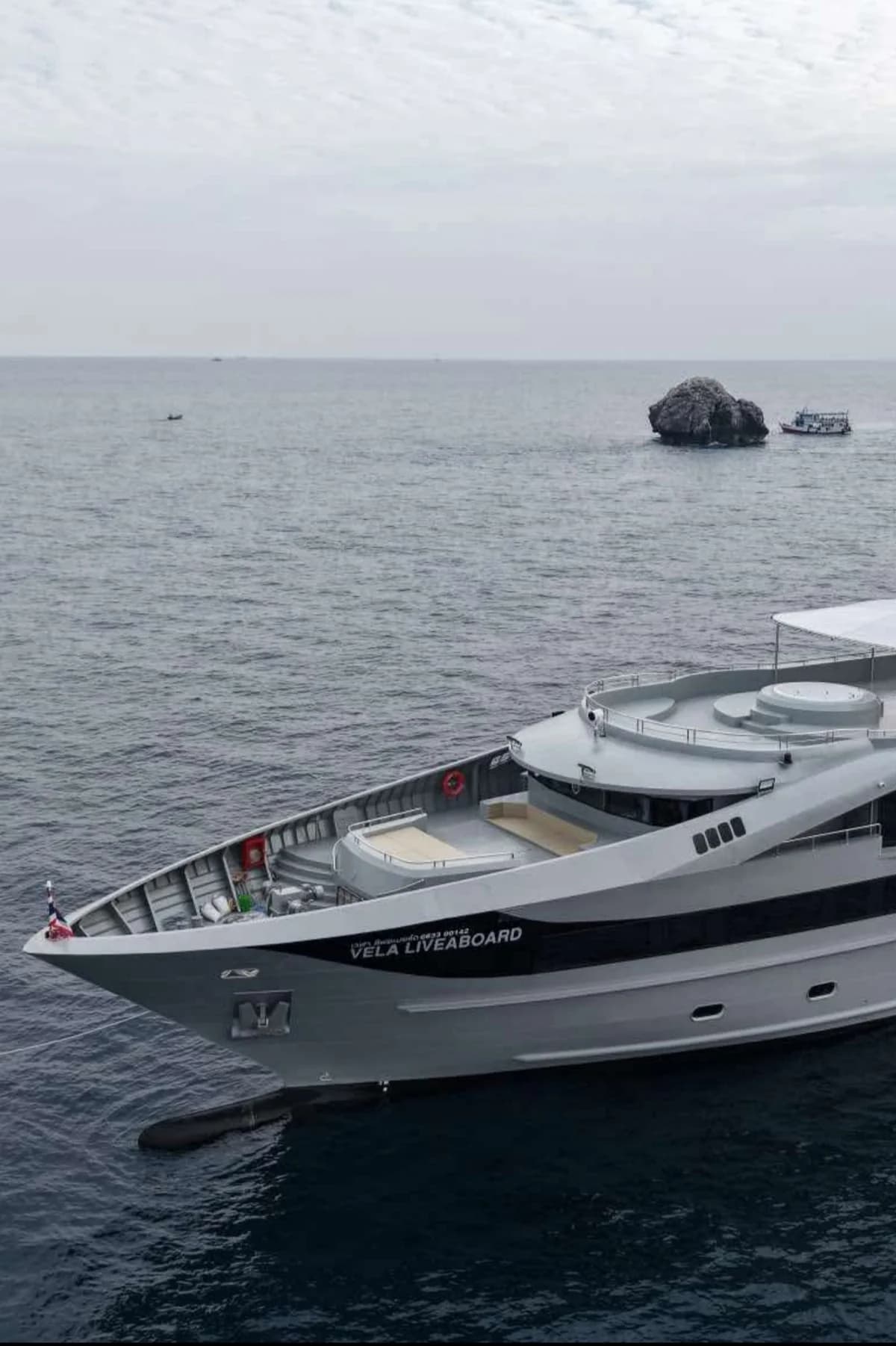
MV Vela / Vala — massive 43 m steel-hull liveaboard with only 20 guests max for ultimate space and privacy. King and twin AC en-suite cabins, large dive deck, indoor saloon and rooftop sun deck. Highest international safety standards.

Hug Ocean Boat
daytrip

Hug Ocean Boat

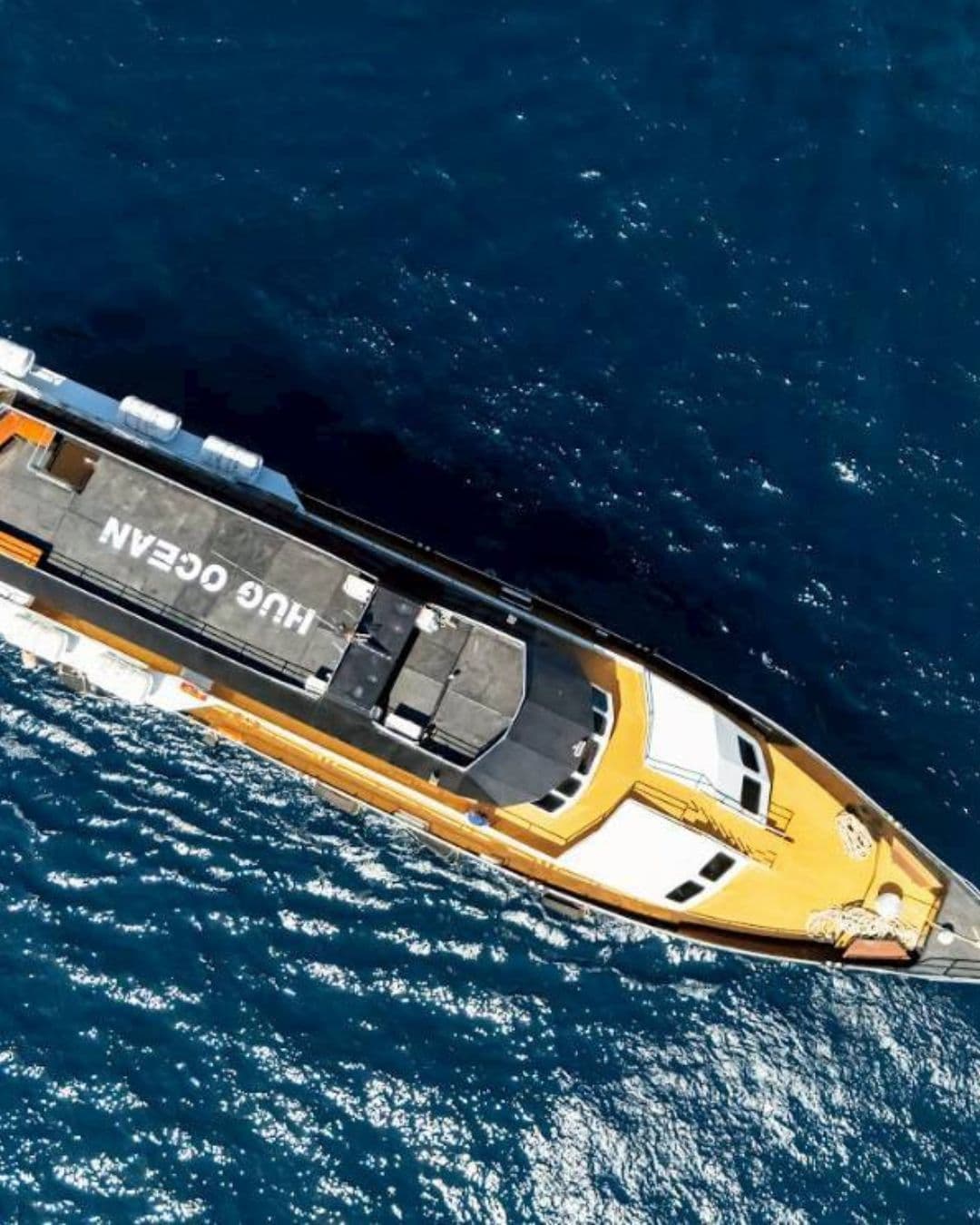
Discover Phuket's Andaman Sea aboard Hug Ocean — a luxury 3-deck dive yacht for 80 guests with a thrilling water slide, sun-soaked top deck, and PADI-certified diving at Racha Yai and Racha Noi.

Aquarian Liveaboard
liveaboard

Aquarian Liveaboard

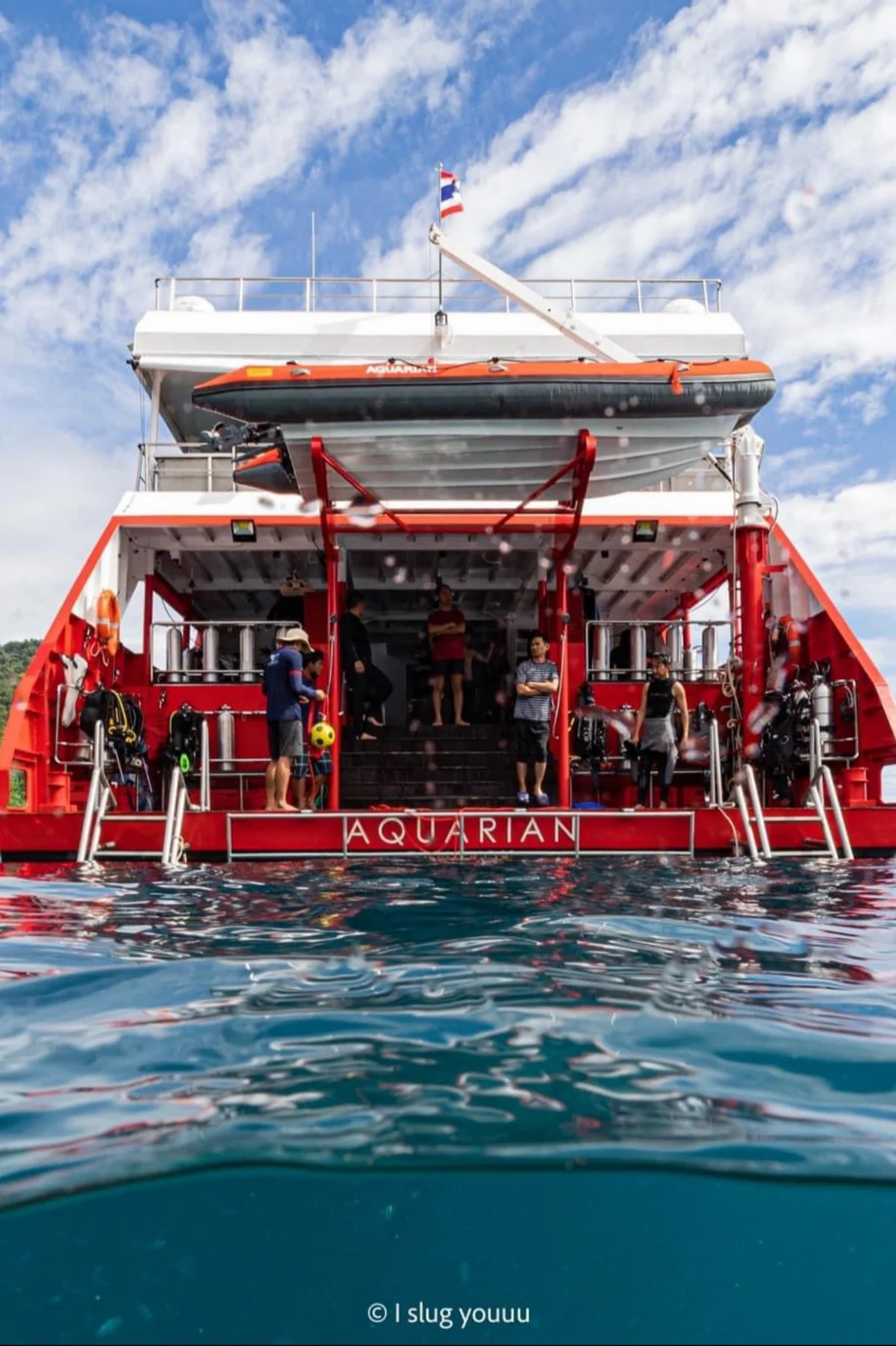
MV Aquarian — striking 2021-built red steel liveaboard, 31.4 m × 7.5 m, max 28 guests in 14 cabins. Free unlimited Nitrox via Coltri Sub membranes, one of Thailand's largest dive platforms, and full premium-hotel comfort.

Issara Liveaboard
liveaboard

Issara Liveaboard

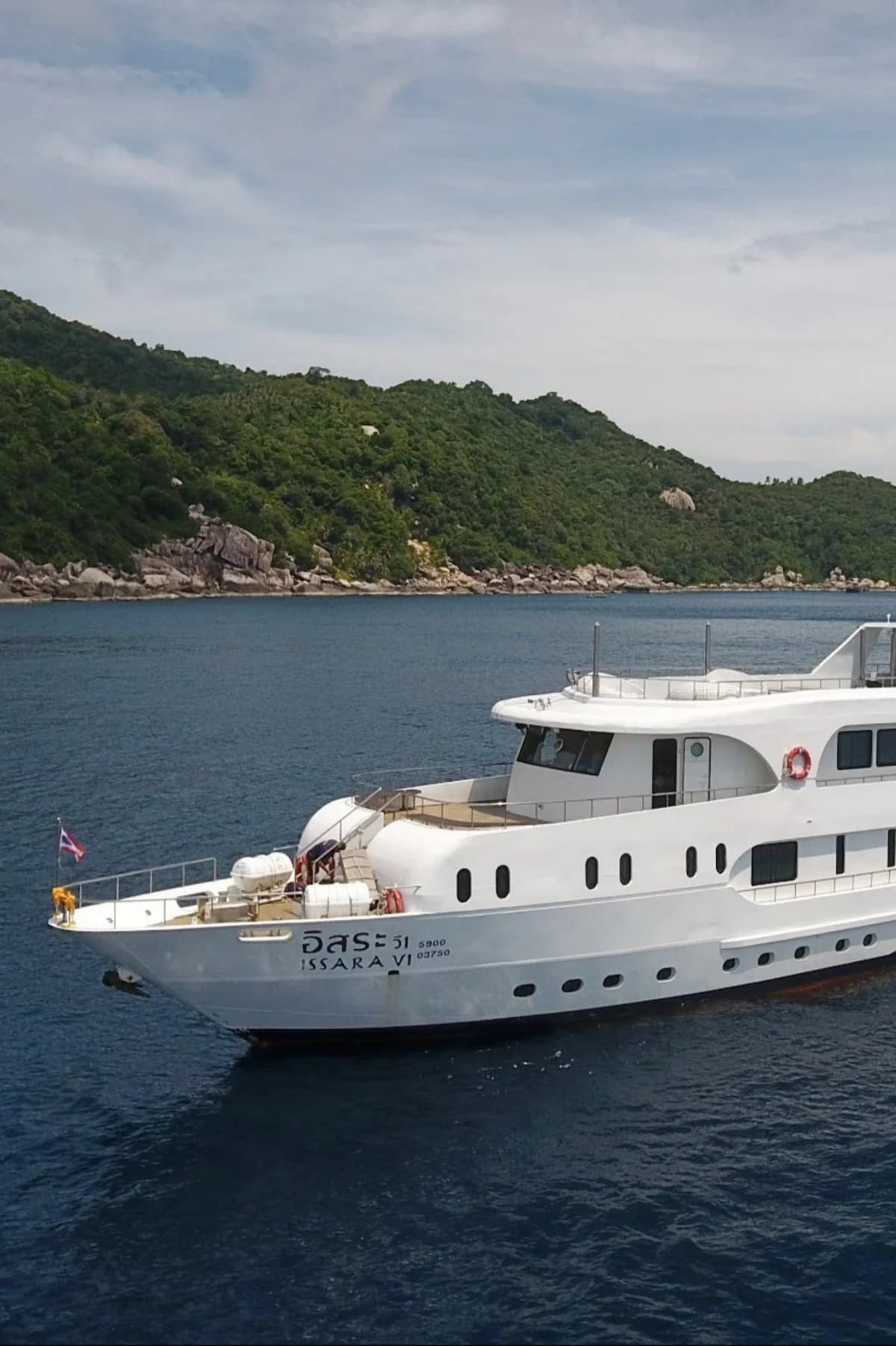
MV Issara — high-end Thai steel-hulled liveaboard built 2016–17, 28.5 m × 6.5 m, 4 decks, max 22 guests in 11 hotel-style cabins. Indoor saloon, jacuzzi sun deck, full-board buffet dining.