A Heart-Shaped Reef and a Royal Inscription at Koh Lang Ka Jiw
23 เมษายน 2569
Koh Lang Ka Jiw hides a heart-shaped reef, a Rama V inscription, and hundreds of thousands of swiftlets inside Mu Koh Chumphon National Park.
Where Limestone Meets the Gulf
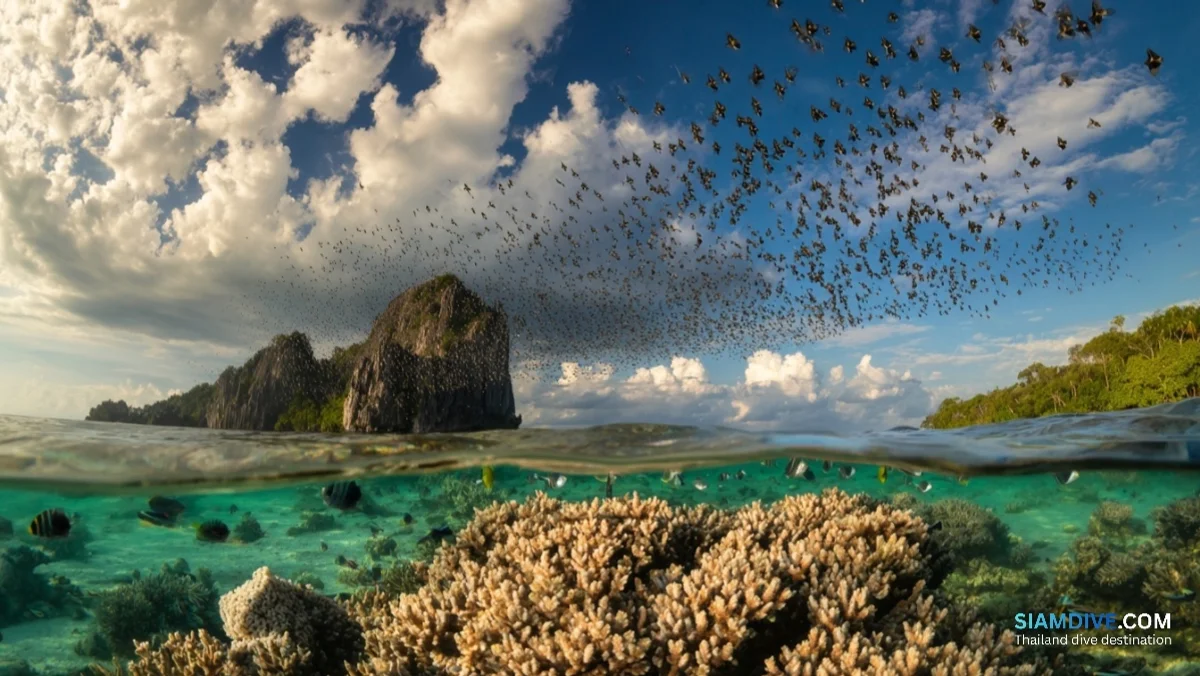
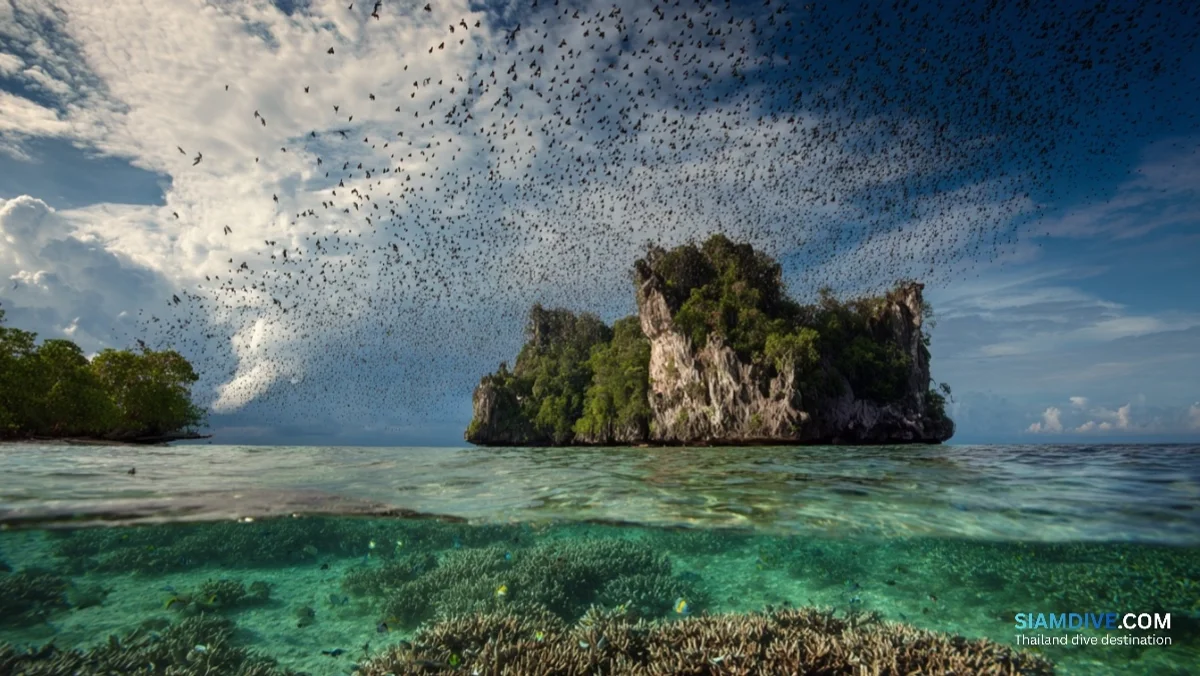
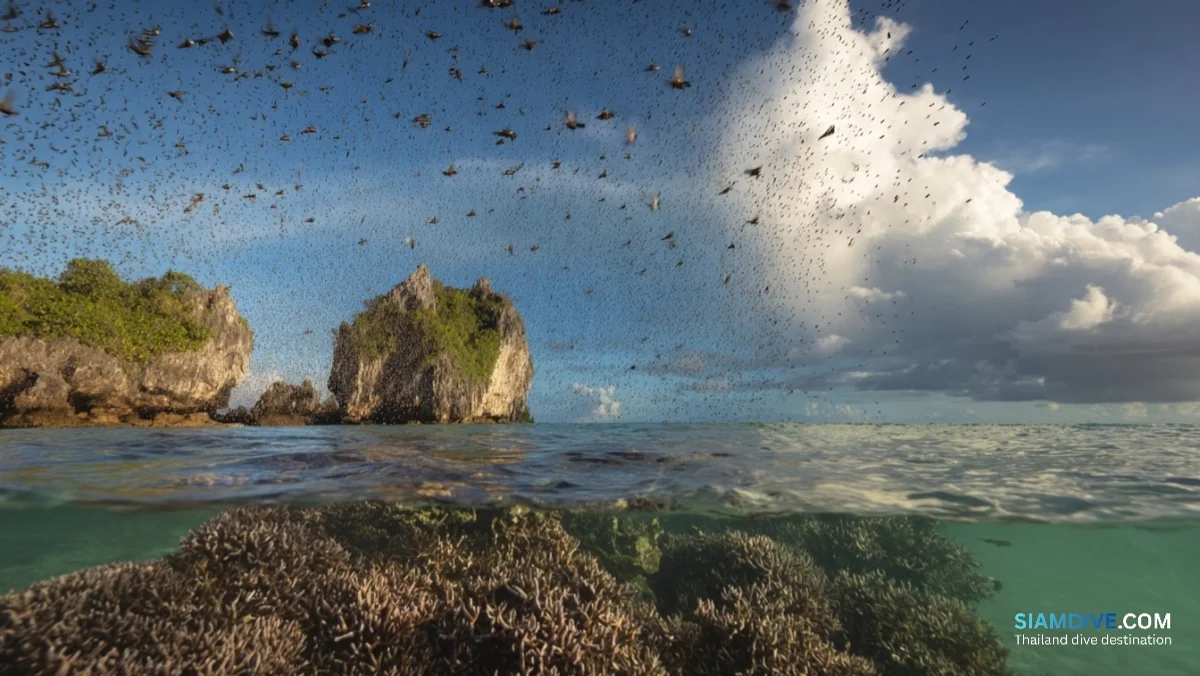
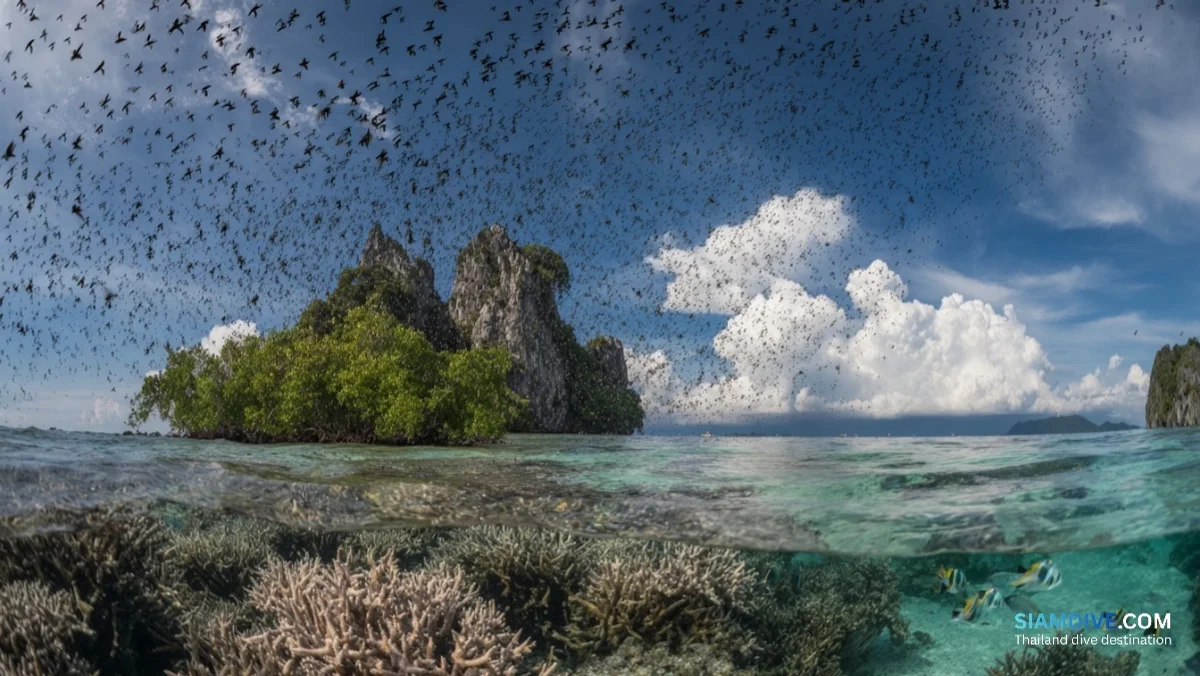
From a distance, the island looks like a crooked fist of grey stone punching out of flat turquoise water. Closer, details sharpen: coconut palms clinging to ledges that have no business holding soil, dark cave mouths halfway up the cliffs, and — circling above everything — a swirling column of swiftlets so dense it throws a moving shadow across the sea. This is Koh Lang Ka Jiw, sometimes transliterated Koh Langka Jew, a tiny limestone outcrop in Chumphon Province that most divers never hear about. The island sits inside Mu Koh Chumphon National Park, roughly 15 kilometres offshore, and it holds two things that rarely share the same GPS pin: a bird-nest concession that has operated for generations and a heart-shaped coral reef in remarkably good health.
The Heart-Shaped Reef on the West Side
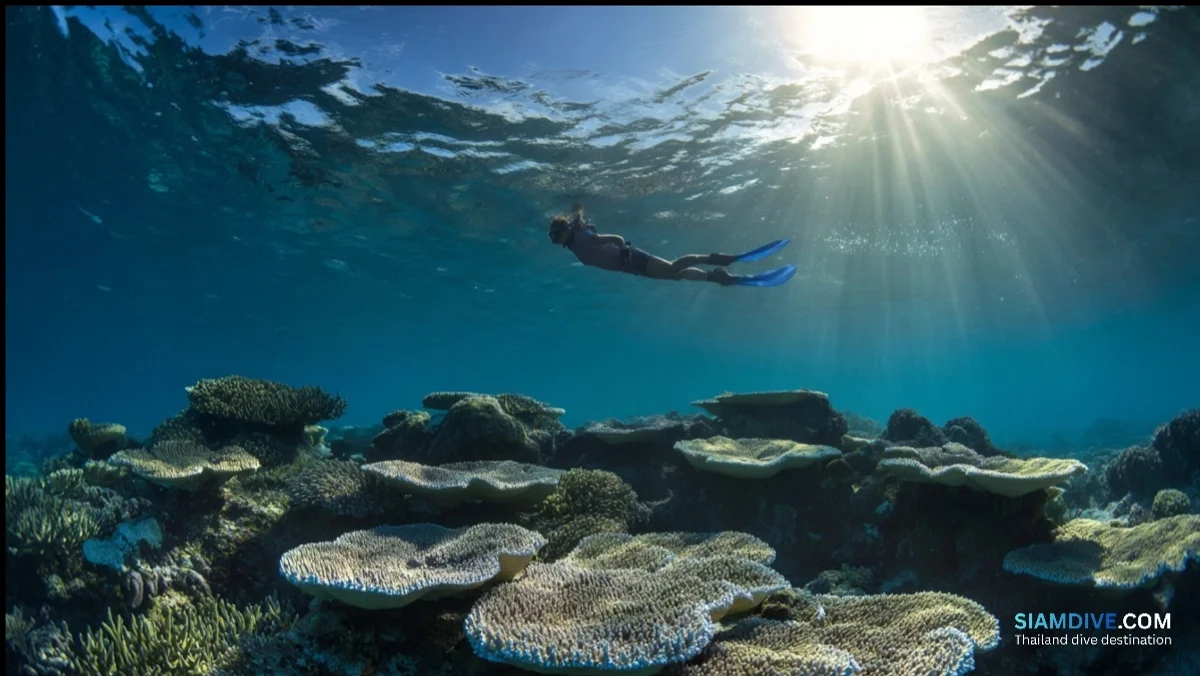
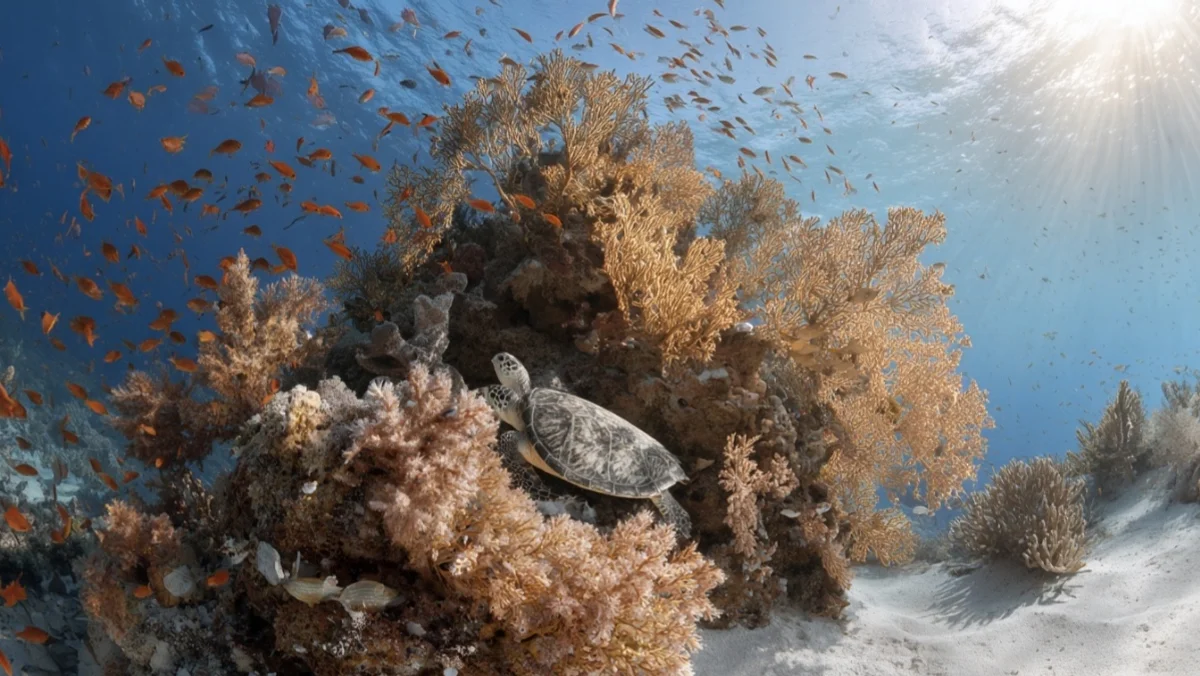
Slip into the water off the western shoreline and the reef announces itself within a few fin kicks. Fringing coral extends outward in a formation that, seen from above on a calm day, traces an unmistakable heart shape — a quirk of geology and growth that has turned the island into a minor social-media landmark among Thai snorkellers. But below the surface, the real story is condition. The reef here has avoided the worst of Gulf of Thailand bleaching episodes, partly because the island's remote position limits visitor traffic and partly because its limestone substrate provides ideal attachment points for hard coral colonies.
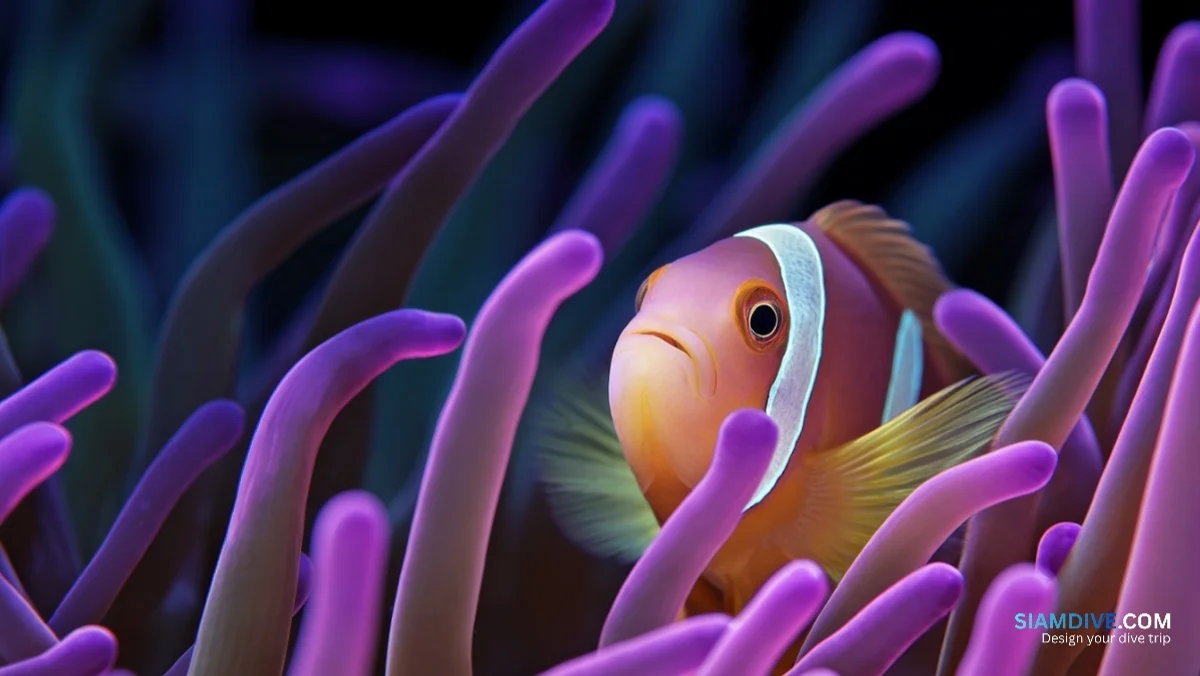
Depths along the reef range from barely a metre on the shoreward edge to about 8-10 metres at the outer slope. Visibility on a good day in May — Chumphon's clearest month — can push past 20 metres. Snorkellers working the shallows will find branching Acropora, massive Porites heads, and soft corals swaying in the gentle current. Fish life is dense for a site this small: schools of fusiliers, parrotfish grinding audibly at the coral surface, pairs of butterflyfish patrolling territories, and anemonefish darting in and out of their hosts.
- Reef type: Fringing reef, predominantly hard coral
- Depth range: 1–10 m (snorkelling to shallow scuba)
- Visibility: 10–20 m typical; best in May
- Water temperature: 28–30°C year-round
- Standout species: Parrotfish, fusiliers, butterflyfish, anemonefish, blue-spotted stingrays
- Coral condition: Good to excellent on the west side
Swiftlets, Caves, and a Royal Signature
Koh Lang Ka Jiw is, first and foremost, a bird-nest island. The limestone cliffs are riddled with caves large and small — collectively called Tham Nok Nang Aen (Swiftlet Cave) — and inside them, hundreds of thousands of edible-nest swiftlets build the saliva-strand nests that fetch extraordinary prices in Chinese markets. A concession holder manages harvest cycles, and the arrangement predates the national park designation by decades. Visitors must check in with the on-site caretaker before stepping ashore, and the caves themselves are strictly off-limits to tourists.
What visitors can see is significant enough. At the mouth of the main cave, a stone inscription by King Chulalongkorn — Rama V — records royal visits made during 1898–1899 (R.S. 117–118). The king, an avid coastal traveller, reportedly visited the island three times, drawn by its natural beauty and the spectacle of the swiftlet colonies. The inscription remains one of the few royal markings on any Gulf island south of Bangkok, a detail that gives the site historical weight beyond its marine appeal.
Getting There and Logistics
Day-trip boats to Koh Lang Ka Jiw depart from Chumphon's main piers — Laem Thaen (also known as Ban Pak Khlong) and Hat Sai Ree. The island sits on the even-day snorkelling route that also covers Koh Mattra, Koh Lak Raet, and Koh Lawa. Round-trip packages with snorkelling gear, lunch, and park fees typically run 1,200–2,000 THB per person, depending on boat type and group size. National park entrance fees apply separately: 200 THB for foreign adults, 100 THB for children; 40 THB and 20 THB for Thai nationals.
- Departure piers: Laem Thaen / Ban Pak Khlong, Hat Sai Ree
- Distance from shore: ~15 km
- Boat time: 45–60 minutes depending on vessel
- Snorkelling day trip: 1,200–2,000 THB (gear + lunch + guide)
- Park entrance fee: 200 THB (foreign adult) / 40 THB (Thai adult)
- Island hours: 08:00–17:00
- Beach access only: ~50 m of white sand; caves off-limits
What Lives Below the Surface
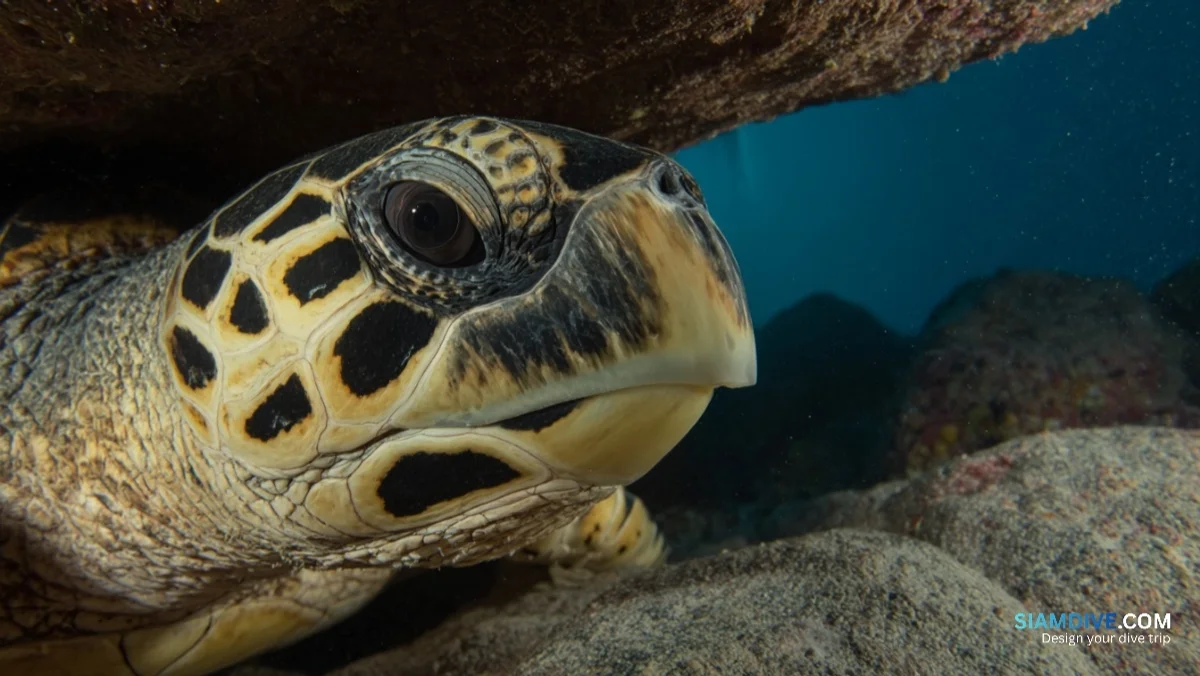
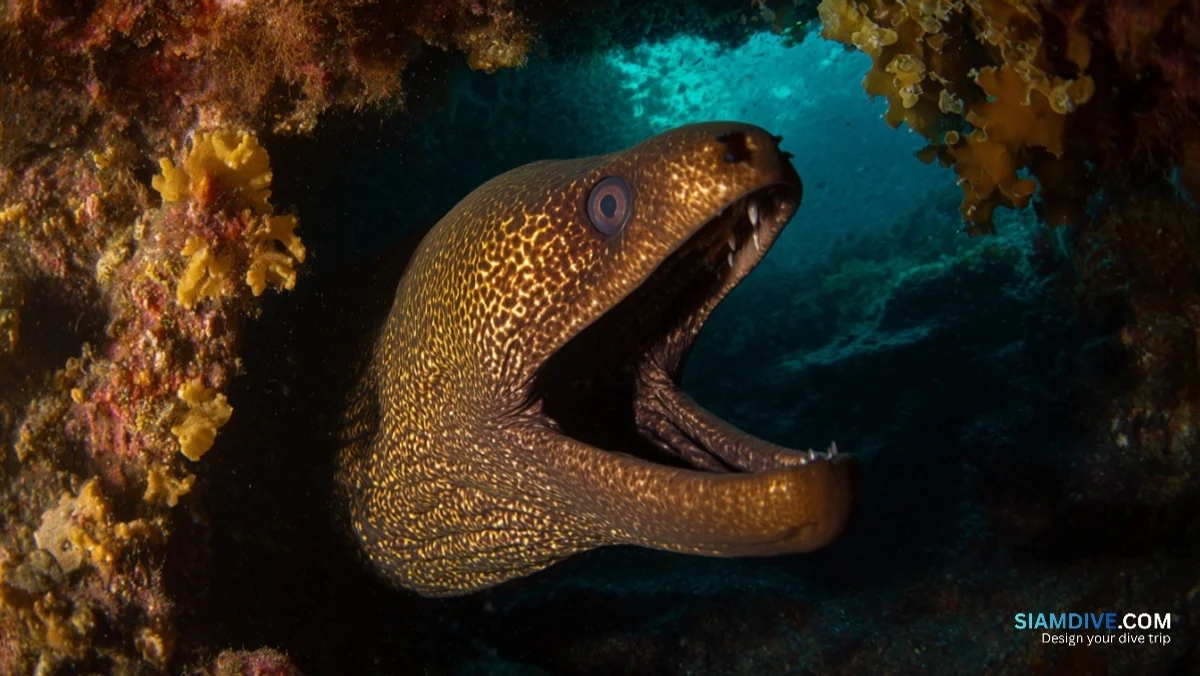
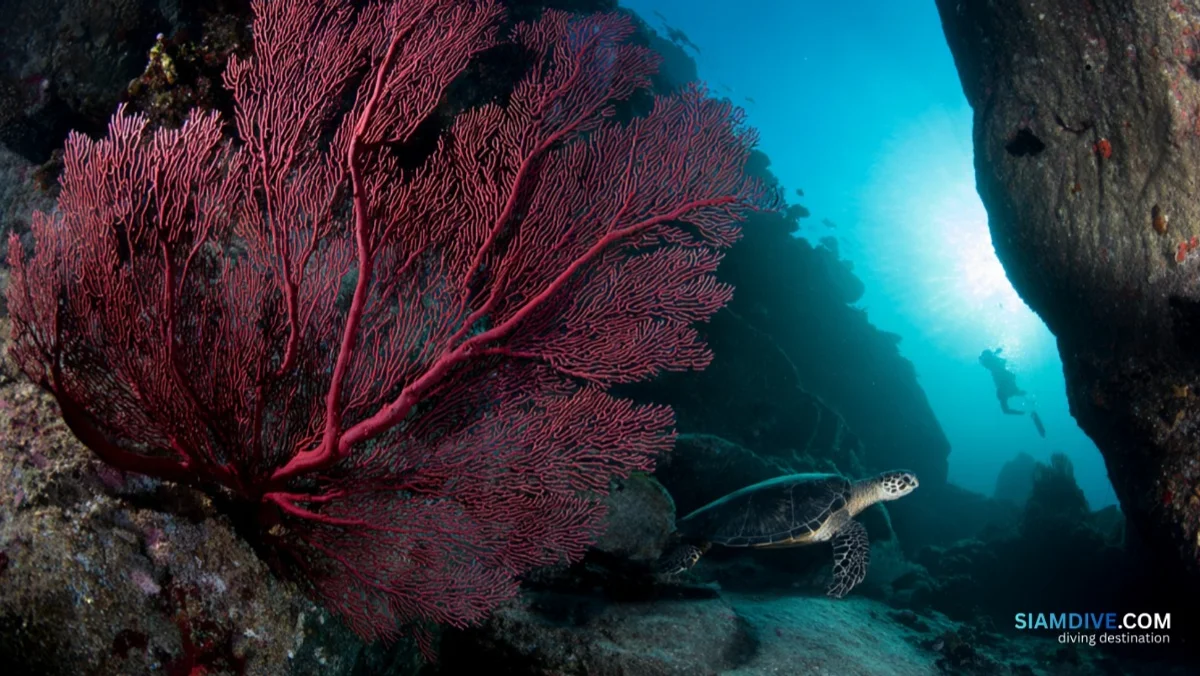
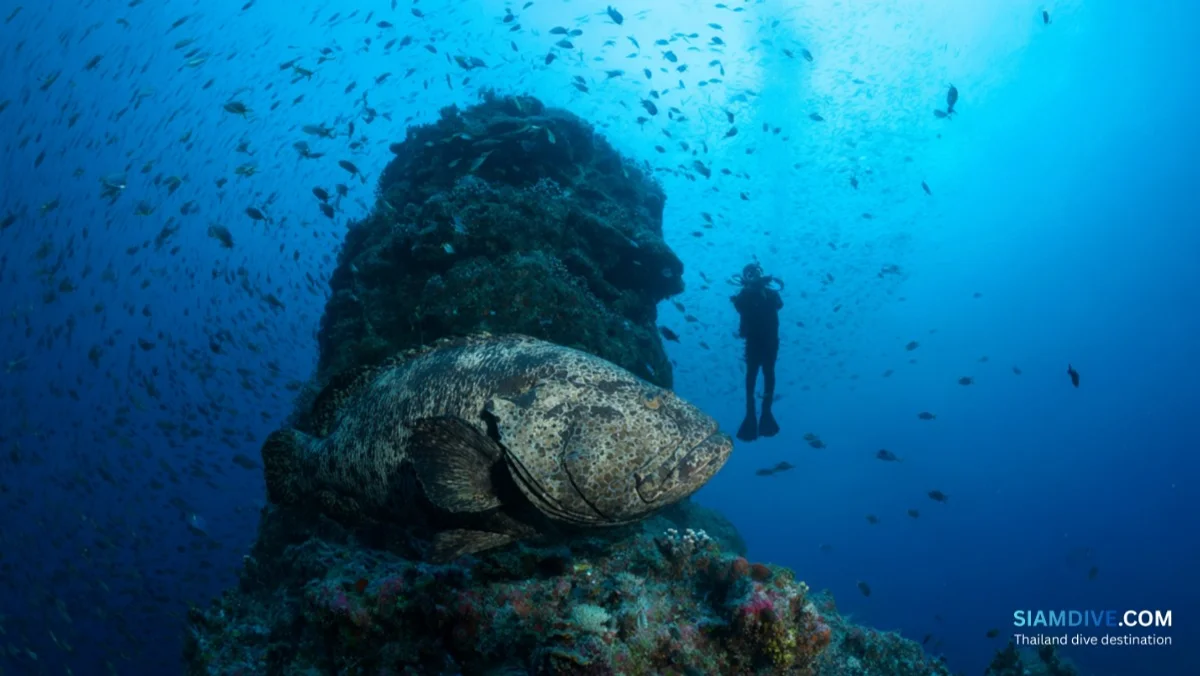
A blue-spotted stingray lifting off the sand in a puff of silt. A hawksbill turtle cruising the reef edge at a speed that suggests it has been here longer than any of the visitors. A moray eel, half-hidden in a crevice, opening and closing its mouth in the rhythmic breathing pattern that alarms new snorkellers and bores experienced ones. Koh Lang Ka Jiw's marine life lacks the pelagic drama of deeper Chumphon sites like Hin Lak Ngam or the twin islands of Koh Ran Ped and Ran Kai, but what it offers is intimacy. The reef is compact, the animals are accustomed to minimal human contact, and the shallow depth means long water time without tank pressure worries.
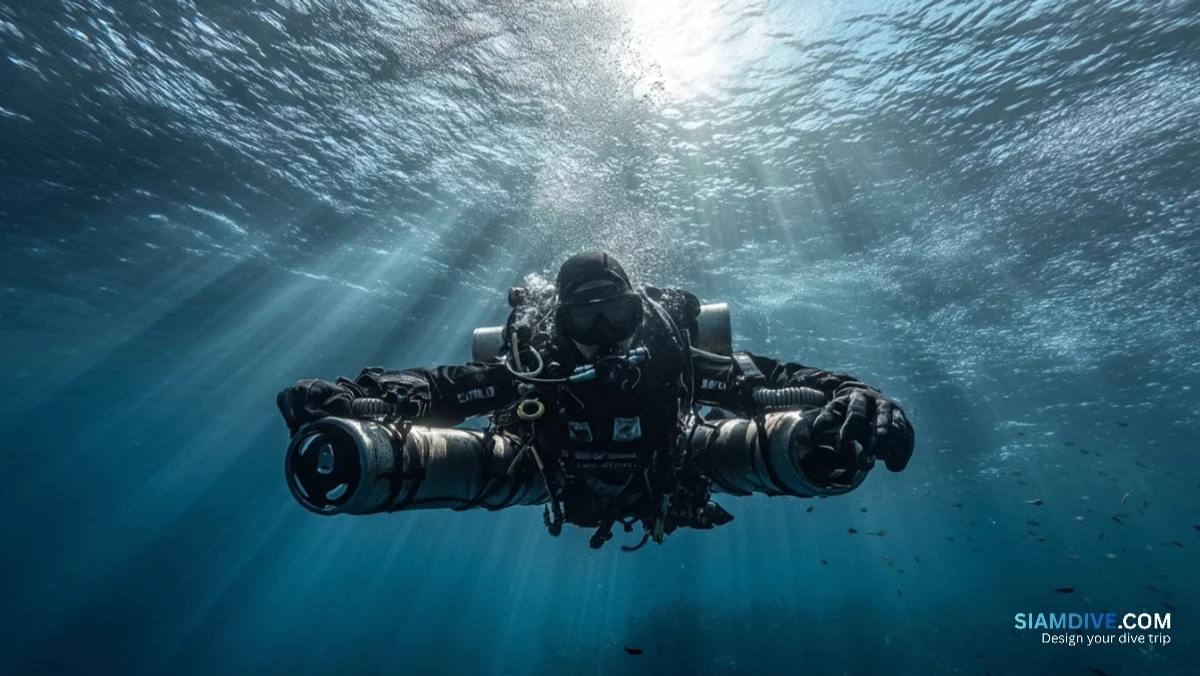
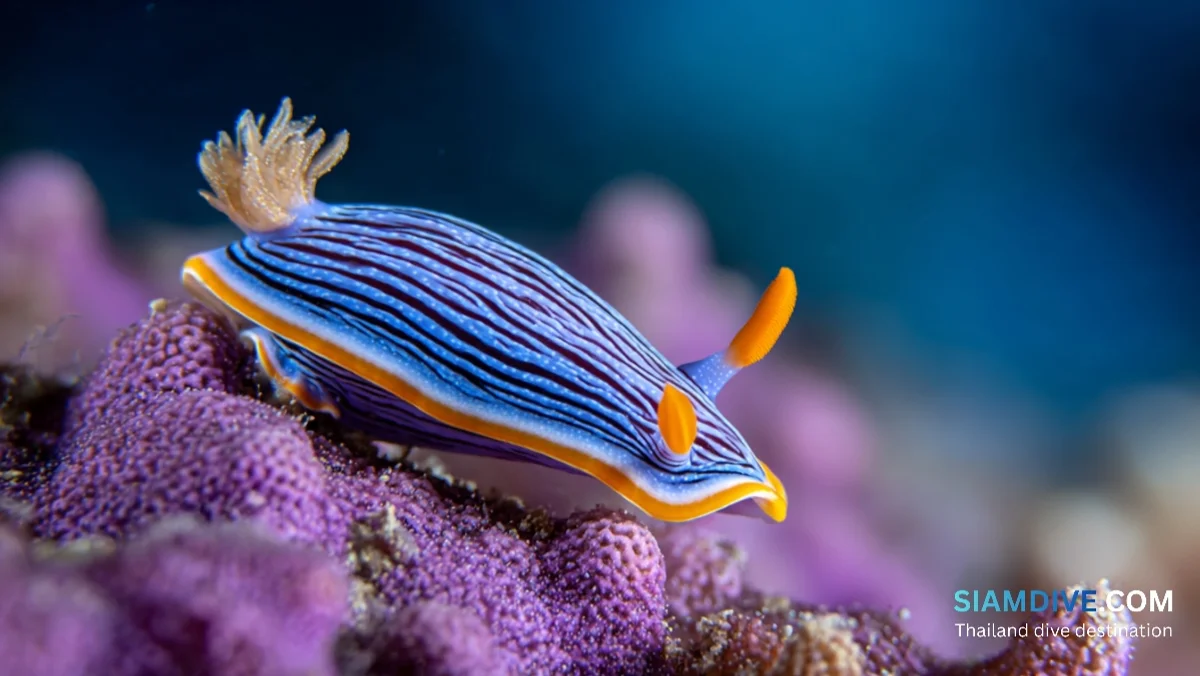
For scuba divers, the site works best as a second or third dive on a multi-island itinerary rather than a standalone destination. The maximum depth rarely exceeds 10 metres, which makes it ideal for newly certified Open Water divers or anyone running low on air after a deeper morning dive. Experienced underwater photographers will find macro subjects — nudibranchs on coral rubble, shrimp in anemones, juvenile fish sheltering in Acropora thickets — that reward patience more than wide-angle ambition.
Timing the Season Right
Chumphon's dive calendar runs opposite to the Andaman coast. While Similan and Surin close for monsoon from mid-May through October, the Gulf side opens up. March through September delivers the calmest seas, warmest water, and best visibility around Koh Lang Ka Jiw. May is the standout month — visibility regularly exceeds 20 metres, currents ease, and plankton blooms attract filter feeders to the broader Chumphon archipelago. During Songkran in April 2025, whale sharks appeared daily at nearby Koh Ran Ped and Koh Ran Kai, generating over 20 million THB in local tourism revenue — a reminder that even small reef islands like Lang Ka Jiw benefit from the seasonal pulse of marine life that sweeps through these waters.
The shoulder months of February and October can still produce decent conditions, but wave height and reduced visibility make the outer islands less reliable. November through January is the roughest period; boat operators may cancel trips entirely during strong northeast monsoon days.
Connecting the Chumphon Archipelago
Koh Lang Ka Jiw rarely appears on a day-trip itinerary alone. The standard multi-island route pairs it with Koh Mattra — where Thailand's first underwater nature trail runs along the seabed — and Koh Lawa, another small island with decent snorkelling. Divers with more time and certification can extend to Koh Thalu's swim-through caves or the black coral gardens at Hin Lak Ngam, both within the same national park boundary. The HTMS Prab 741 wreck, scuttled as an artificial reef, lies further south and appeals to advanced divers comfortable with depths beyond 20 metres.
What makes Chumphon's island cluster unusual is the absence of crowds. Mu Koh Chumphon National Park, established on November 24, 1989, covers more than 40 islands and holds the highest diversity of fish species recorded in the Gulf of Thailand, along with the highest concentration of black coral in the country. Yet daily visitor numbers remain a fraction of what Koh Tao or the Similan Islands see. On most days at Koh Lang Ka Jiw, the only company is the swiftlets overhead and the caretaker on shore.
Before You Go
A few practical notes worth keeping in mind. The 50-metre beach is the only land area open to visitors — wandering toward the cliffs or caves will prompt a polite but firm redirect from the caretaker. Reef-safe sunscreen matters here more than at most sites because the shallow coral is directly underfoot at low tide. Snorkelling fins help cover the reef efficiently, but entry and exit happen over sand, not rock, so booties are optional. There is no fresh water, no shade structure, and no food vendor on the island itself; everything comes on the boat.
For anyone building a Chumphon diving itinerary, Koh Lang Ka Jiw works best as the scenic, easy-breathing stop between more demanding sites. The reef is healthy, the history is genuine, and the swiftlet show overhead is unlike anything on the standard Thai island circuit. Just remember to ask permission before you set foot on the sand.