Diving Thailand Month by Month: The Two-Coast Strategy That Beats the Monsoon
15 เมษายน 2569
Thailand has two dive seasons on opposite coasts. Here's the month-by-month guide to picking the right side so monsoon never ruins your trip.
Why Thailand Has Two Diving Seasons, Not One
Here's the thing most first-time visitors miss: Thailand isn't one dive destination, it's two. The Andaman Sea on the west coast and the Gulf of Thailand on the east coast sit on opposite sides of a narrow peninsula, and their weather runs on opposite calendars. When one side is closed by monsoon, the other is usually having its best month of the year.
This flip is the single most useful thing to understand before booking a trip. Picking the wrong coast for your travel dates can mean 10-metre visibility and rolling swells instead of glass-calm water and a whale shark encounter. The good news: once you get the rhythm, you can dive Thailand any month of the year — you just have to go to the right side.
The Monsoon Flip: Andaman vs Gulf Explained
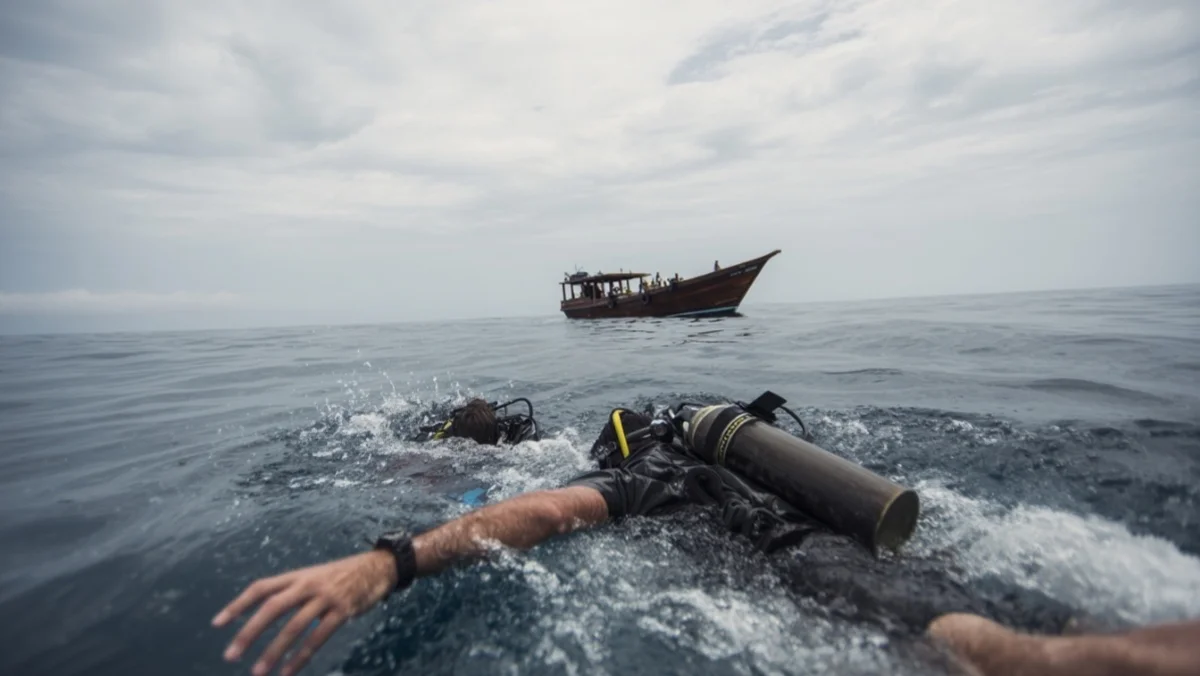
The Andaman side (Phuket, Khao Lak, Similan, Surin, Phi Phi) runs a long southwest monsoon from roughly late April through mid-October. Similan and Surin National Parks officially close from 15 May to 15 October every year because the seas are genuinely unsafe for liveaboards. Phuket and Phi Phi stay open but conditions are hit-or-miss.
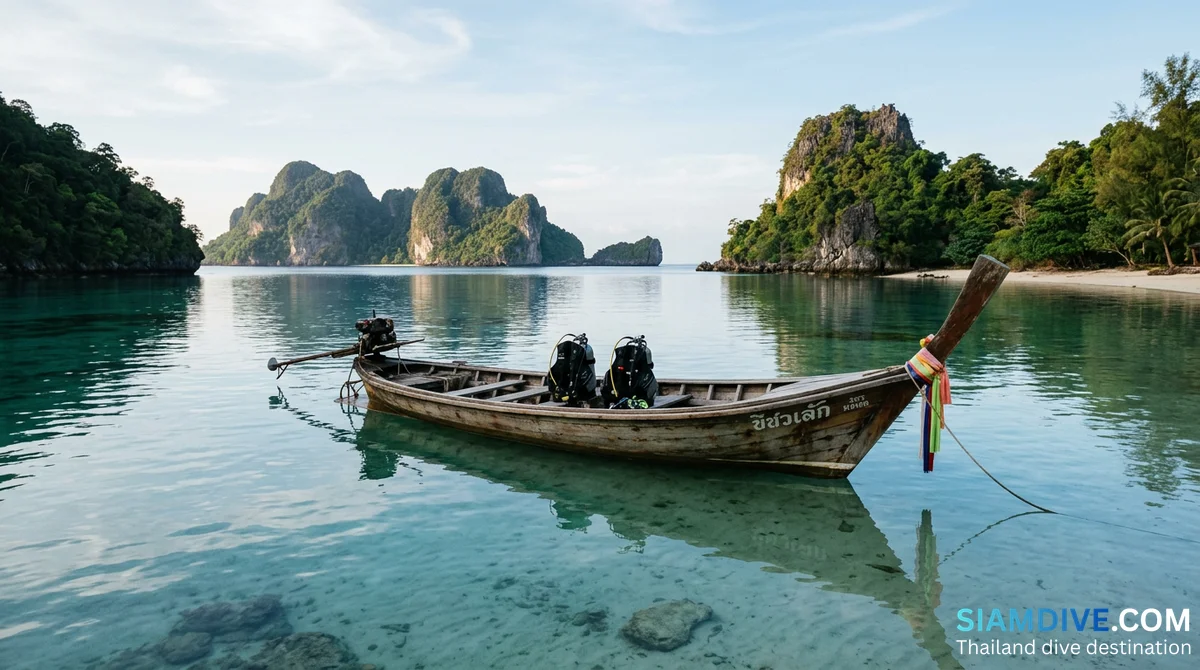
The Gulf side (Koh Tao, Koh Samui, Koh Phangan) has a shorter, later monsoon — mostly mid-November through December, sometimes bleeding into early January. The rest of the year it's remarkably calm. Koh Tao in particular is dive-able year-round because its main sites are sheltered.
Water temperature isn't a deciding factor either way. Both coasts stay between 26-30°C all year. A 3mm shorty is all you need. What changes is visibility (15m in monsoon, 30m+ in peak) and sea state, which decides whether you can actually reach the good sites.
Month-by-Month: What to Expect
- January: Andaman peak. Visibility 30m+, water around 28°C, whale sharks and mantas active at Similan and Richelieu Rock. Also the busiest month — book liveaboards two to three months ahead.
- February: Still Andaman peak. Gin-clear water, steady weather. Manta sightings at Koh Bon hit their stride.
- March: The overlap month. Andaman is still excellent, and the Gulf's big-animal season kicks in — whale sharks show up at Sail Rock and Chumphon Pinnacle.
- April: Last good weeks on the Andaman before it closes. Water warms to 30°C, which triggers the biggest whale shark activity of the year. Also Songkran (Thai New Year) mid-month, so expect higher prices.
- May: Similan closes on the 15th. First half of the month can still be diveable out of Khao Lak if you're flexible. Gulf is entering its prime — calm, warm, reliable.
- June-September: Gulf season. Koh Tao has excellent visibility, water around 29°C, quiet reefs. Andaman side is monsoon — technically you can dive Phuket but visibility is often 10-15m and surface conditions are rough.
- October: Shoulder month. Similan reopens on the 15th but conditions are still rough early on. Late October liveaboards are cheaper but hit-or-miss.
- November: Andaman shakes off the monsoon. Visibility climbs week by week. Whale sharks start returning. Liveaboard prices haven't hit peak yet — this is where the smart money books.
- December: Full peak starts. Excellent Andaman conditions, mantas and whale sharks around. Avoid the Gulf this month — the late monsoon hits Koh Tao and ferries get cancelled.
Peak Season (December-April): Andaman at Its Best
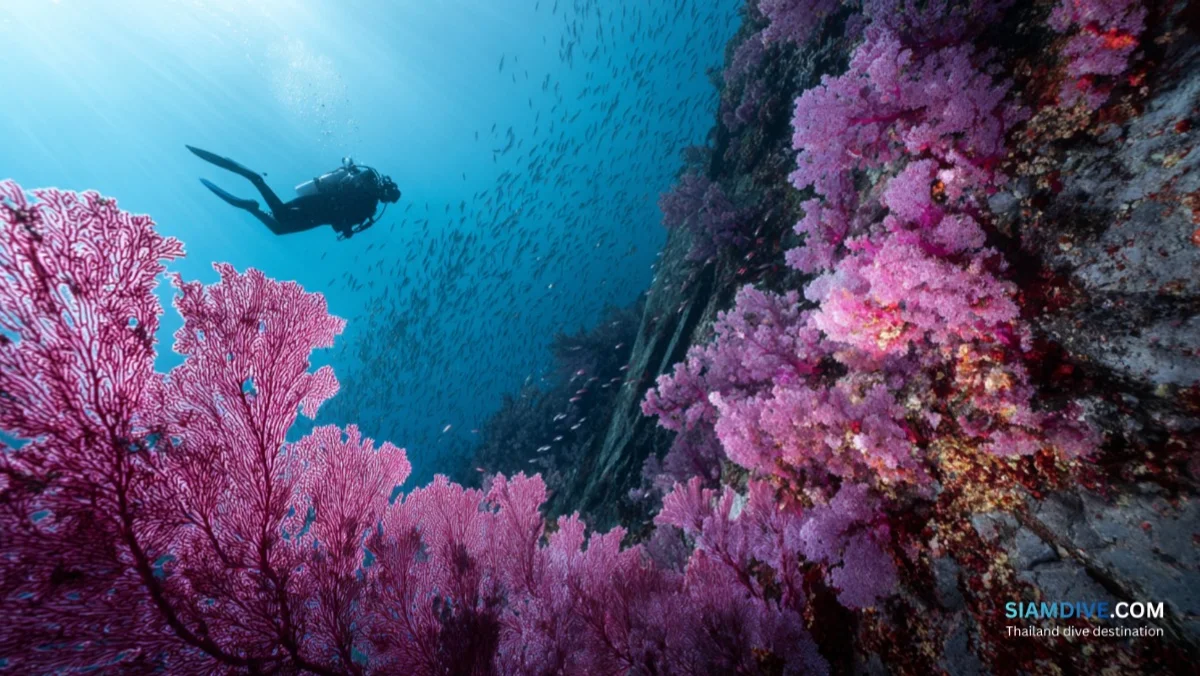
If you only get one trip to Thailand and you want the headline experience — Similan Islands, Richelieu Rock, manta encounters at Koh Bon — come between December and April. These five months deliver what everyone Instagrams about.
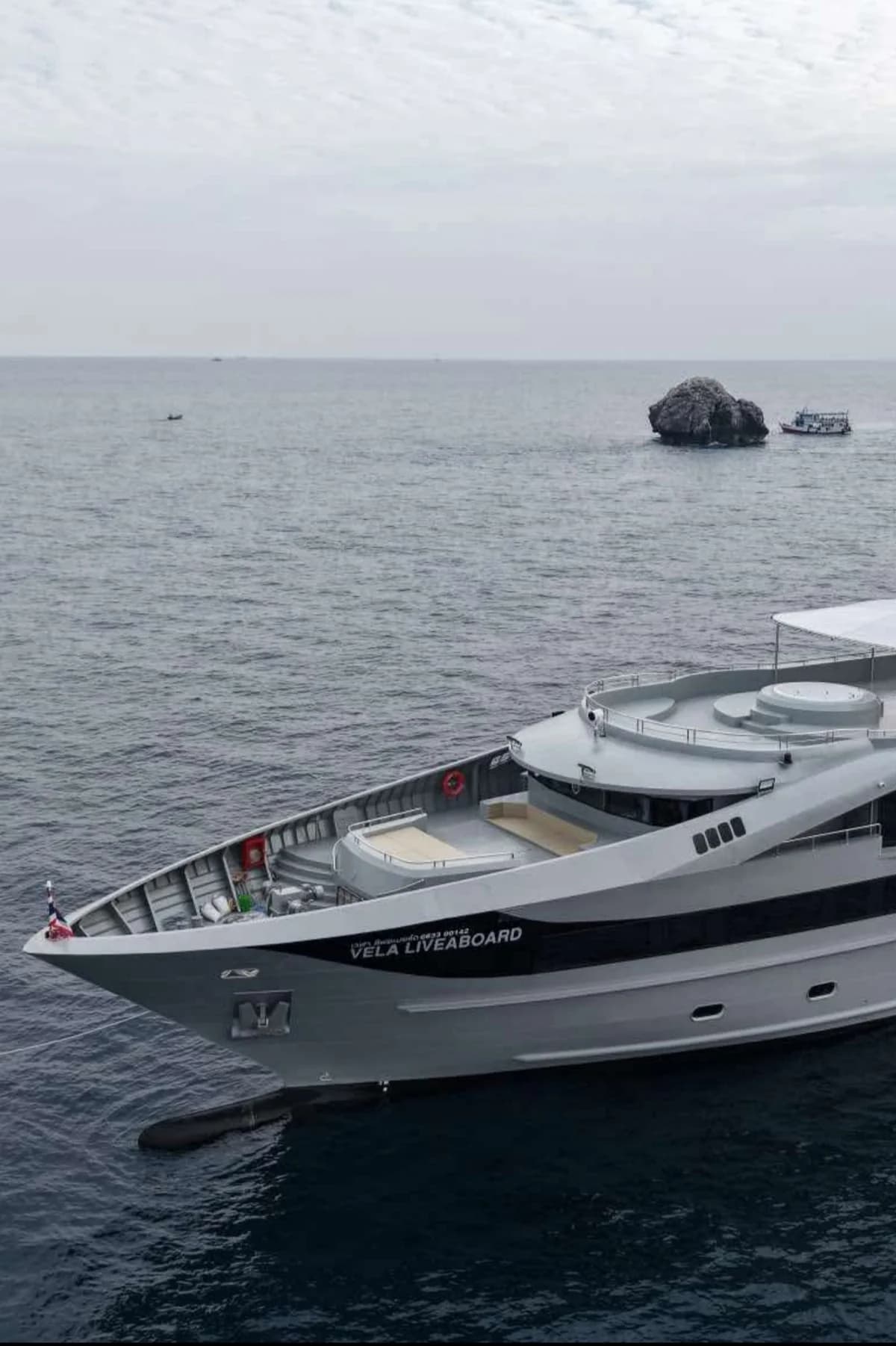
Expect visibility between 25 and 35 metres on most dives. Currents are predictable. Water temperature sits around 27-29°C. The Similan liveaboard fleet runs 4-day and 6-day itineraries out of Khao Lak and Phuket. Park fees add about 1,800 THB to a 4-day trip.
The tradeoff is cost and crowds. January and February liveaboards book out months in advance and cost 30-40% more than November or late April. Dive sites like Elephant Head Rock can have four boats moored at once in high season. If that matters to you, shift your window to late November or early April instead.
Monsoon Months (May-October): The Gulf Takes Over
This is the half of the year most guidebooks skip, and it's where the best value sits. Koh Tao from June to September is genuinely excellent diving — often 20-25m visibility, flat seas, and quiet sites. You won't see whale sharks in August the way you might in March, but you also won't pay peak prices or share a mooring line with three other boats.
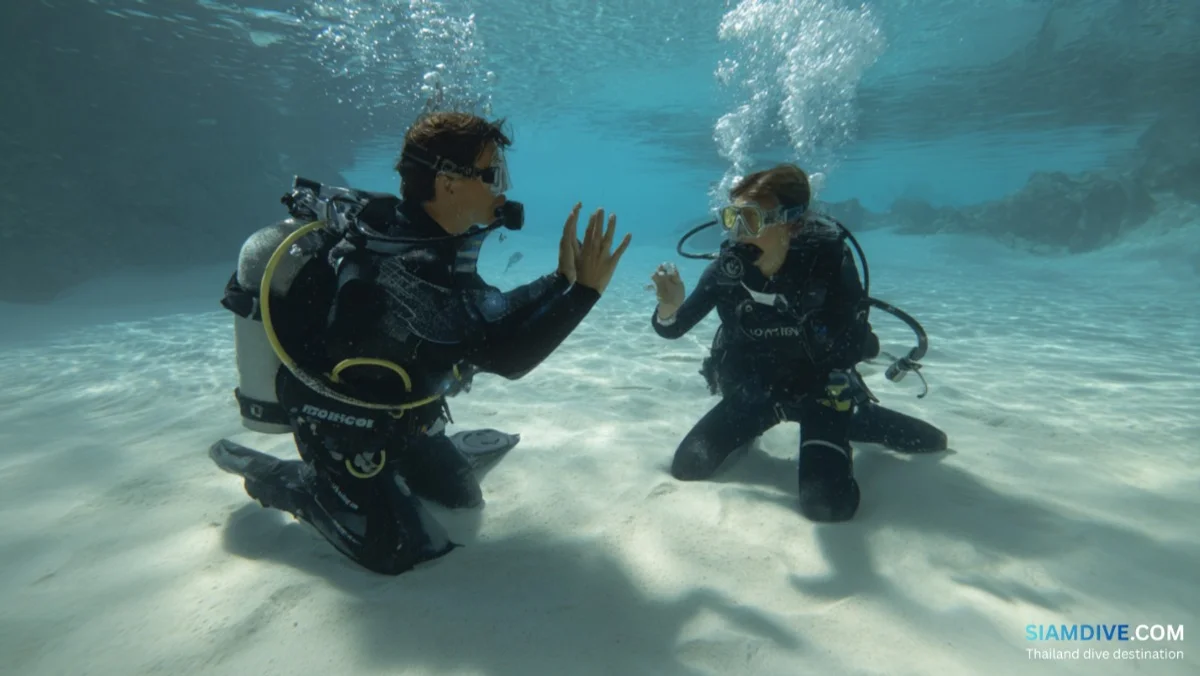
Koh Tao is also the world's second-busiest place to learn to dive, and monsoon months are when instructors have the most availability and the best weather for pool and shallow-water training. An Open Water course in July costs 11,000-13,000 THB, compared to 15,000+ in Andaman peak months.
The catch: getting to Koh Tao in November can be miserable. The ferry crossing from Chumphon gets cancelled for days at a time when the Gulf monsoon hits. Plan your exit with slack in case you get stranded an extra night.
Shoulder Season Tradeoffs
Late October, early May, and late November are the in-between weeks. They're cheaper, emptier, and a gamble. Sometimes you get 30m visibility and no crowds — the best trip of your life. Sometimes you get a three-day weather blow that cancels the liveaboard and you're stuck in Khao Lak with a refund voucher.
If you're an experienced diver who can absorb that risk, shoulder trips are the best value Thailand offers. If it's your only vacation of the year, don't gamble — go mid-season.
Matching Timing to What You Want to See
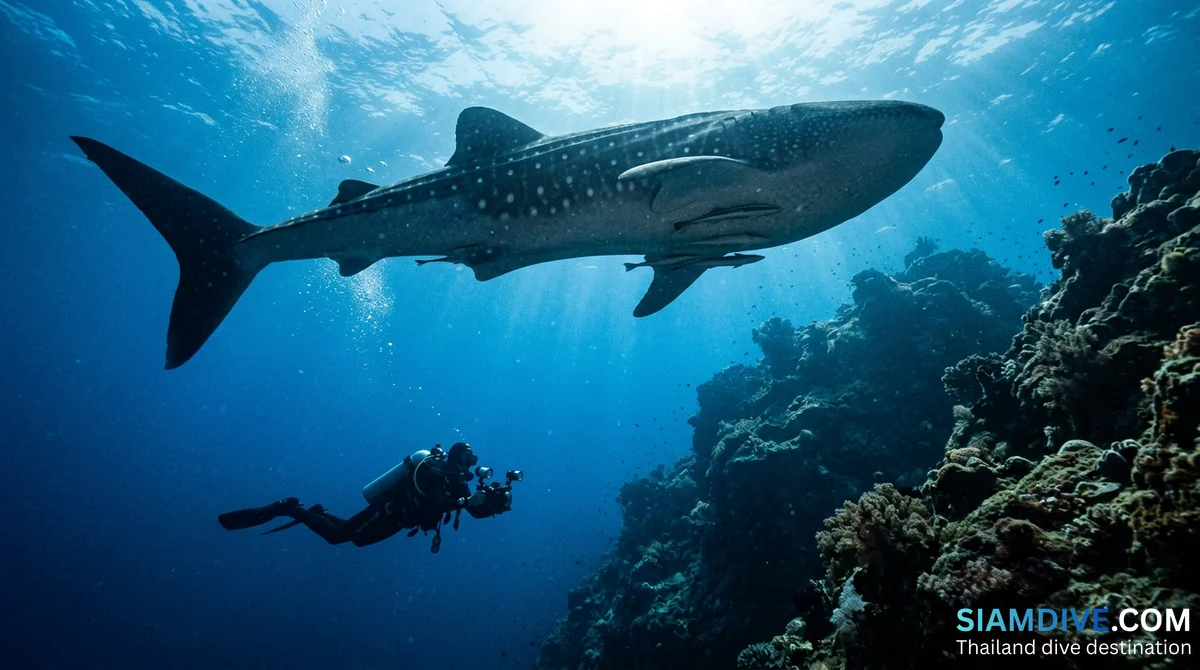
- Whale sharks on the Andaman: February to April. Richelieu Rock is the site.
- Whale sharks in the Gulf: March to May. Sail Rock and Chumphon Pinnacle.
- Manta rays: Koh Bon and Koh Tachai, December through April. Peak sightings around the February full moon.
- Macro and nudibranchs: Year-round on both coasts. Koh Lipe's small stuff is best January-March.
- Learning to dive cheaply: Koh Tao, June-September.
- Empty Similan liveaboards: Late October or first week of May.
- Big-animal photography: Andaman, February-April. The light, water clarity, and pelagic activity all line up.
Final Thoughts
The question isn't really "when is the best time to dive in Thailand?" It's "when can I travel, and which coast matches that window?" Answer those two and the rest falls into place.
If you want help matching dates to trips — whether it's a Similan liveaboard in February or a Koh Tao course in July — browse dive trips on siamdive.com. Filters by month, coast, and certification level make the planning part fast, so you can get back to the interesting bit: deciding what you want to see down there.