Koh Ha Yai Diving Guide: The Cathedral Cave and Beyond
10 เมษายน 2569
Home to the famous Cathedral cave and chimney swim-through, Koh Ha Yai delivers some of Koh Lanta's most memorable dives. Complete guide inside.
The Biggest Island in the Koh Ha Group
Koh Ha Yai is the largest of the five limestone islands that make up the Koh Ha archipelago, about 25 kilometers west of Koh Lanta in the Andaman Sea. The whole group sits within Mu Koh Lanta National Park, and the diving here has a reputation for two things: exceptional clarity and the kind of underwater topography you remember years later. While the other four islands offer solid reef diving, Koh Ha Yai is where the signature sites are — the ones that show up in dive magazines and underwater photography portfolios.
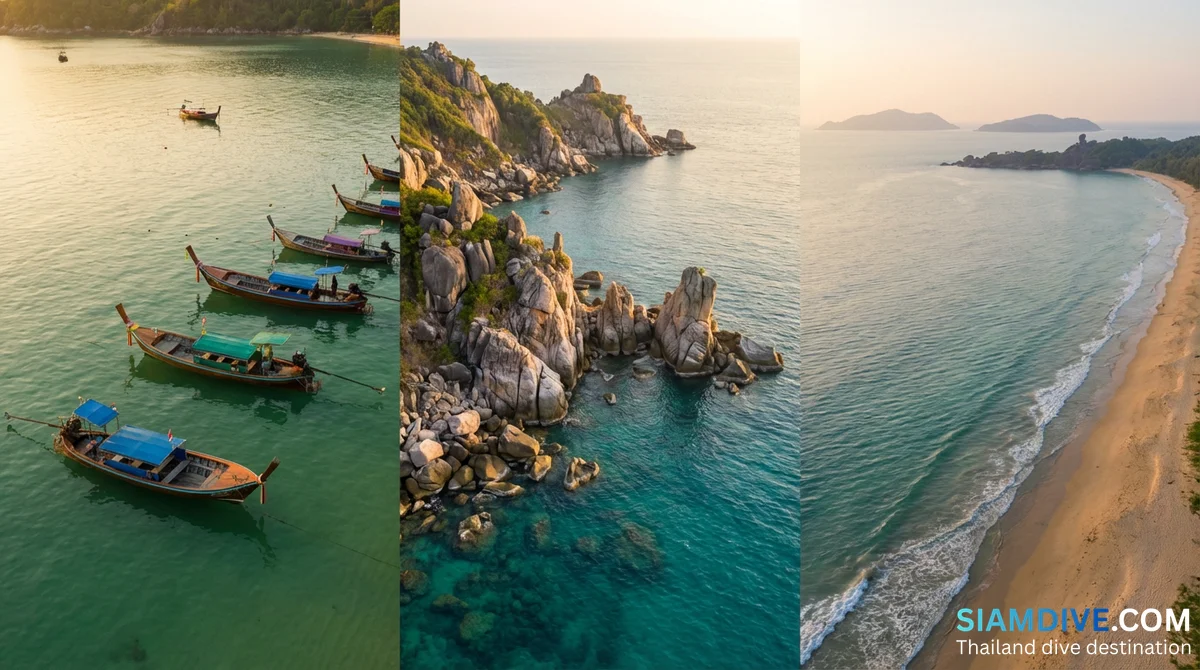
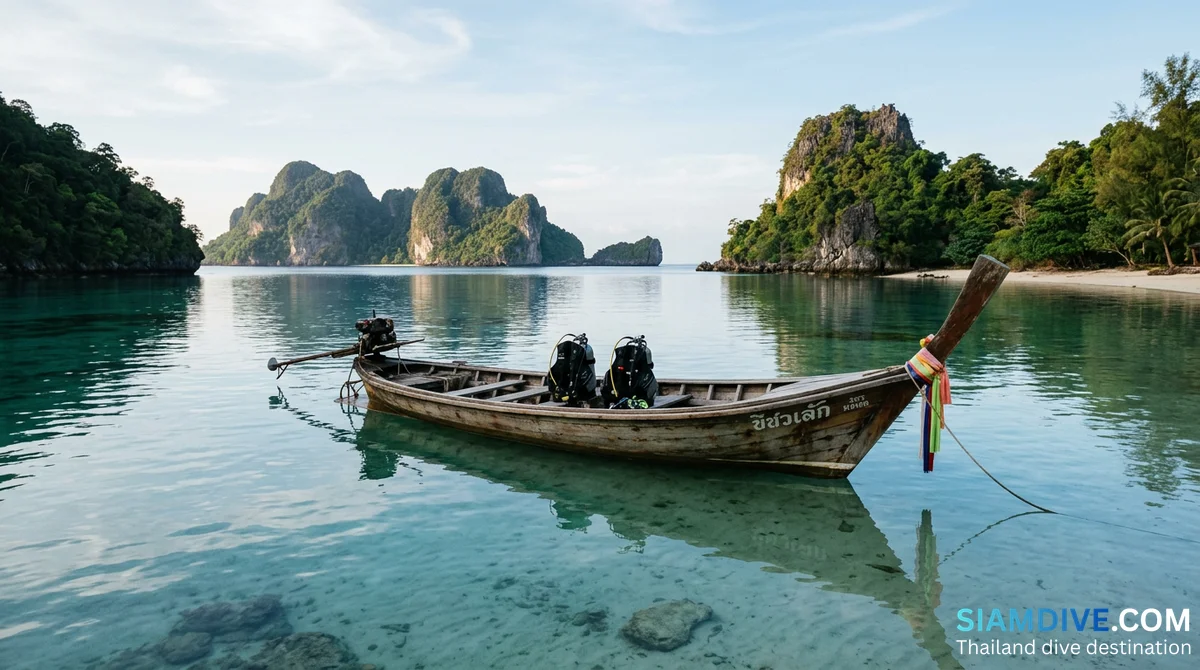
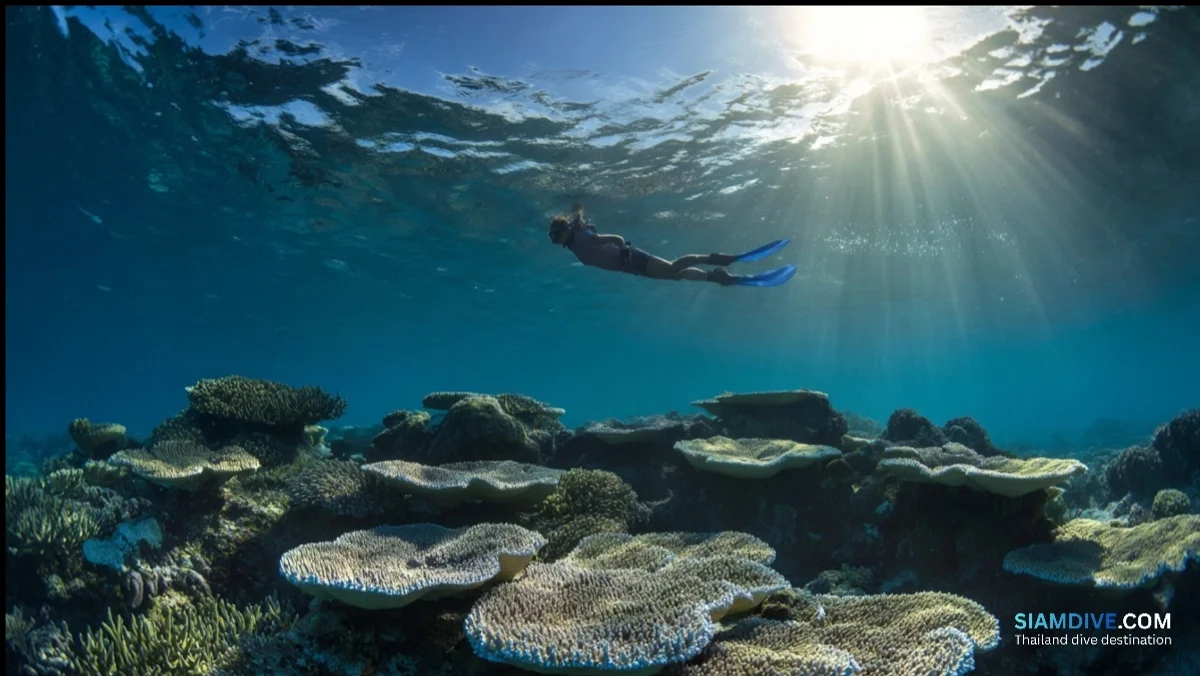
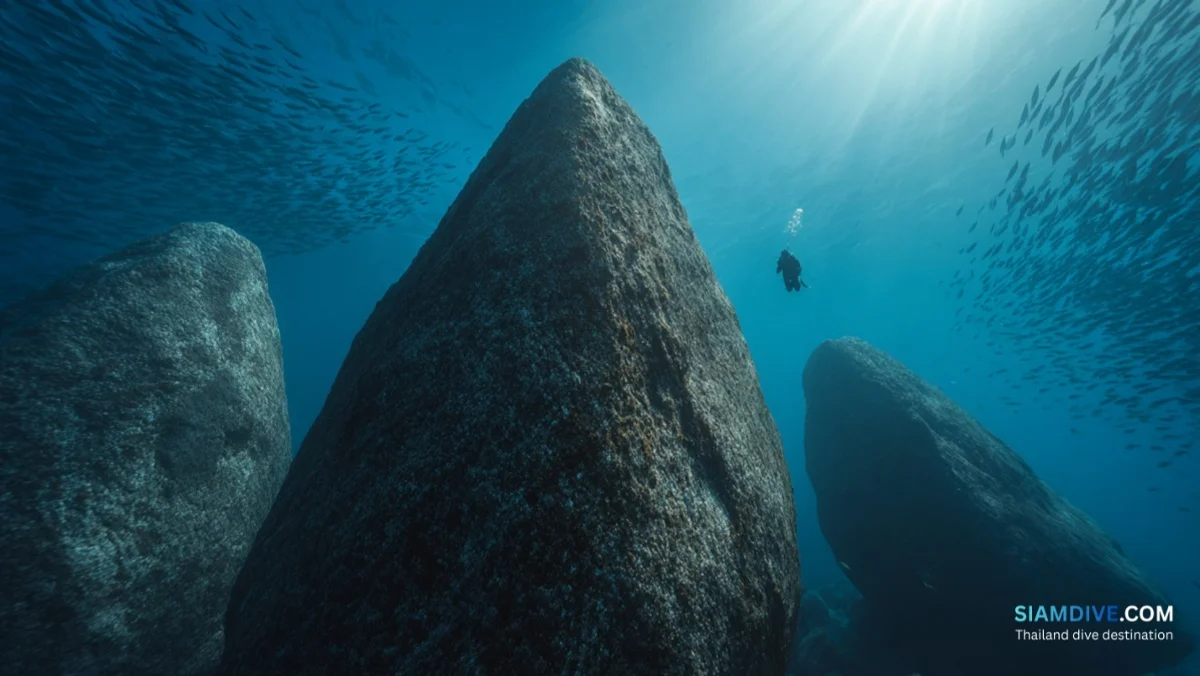
The island itself is a steep limestone cliff rising from the sea, and that dramatic geology continues underwater. Walls, caverns, pinnacles, and a protected lagoon create a range of diving environments within a few hundred meters of each other. Visibility regularly hits 20-30 meters, and on the best days pushes past 35. The water in the lagoon can be so clear that boats appear to float on air from above.
The Cathedral — Koh Ha Yai's Signature Dive
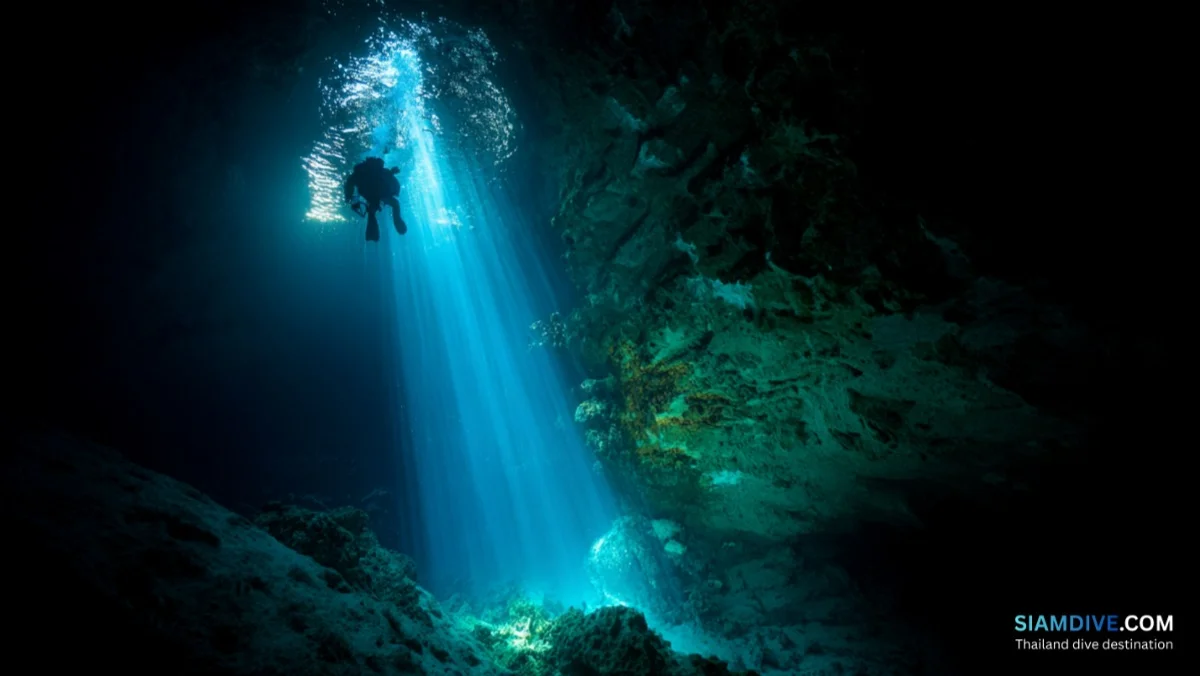
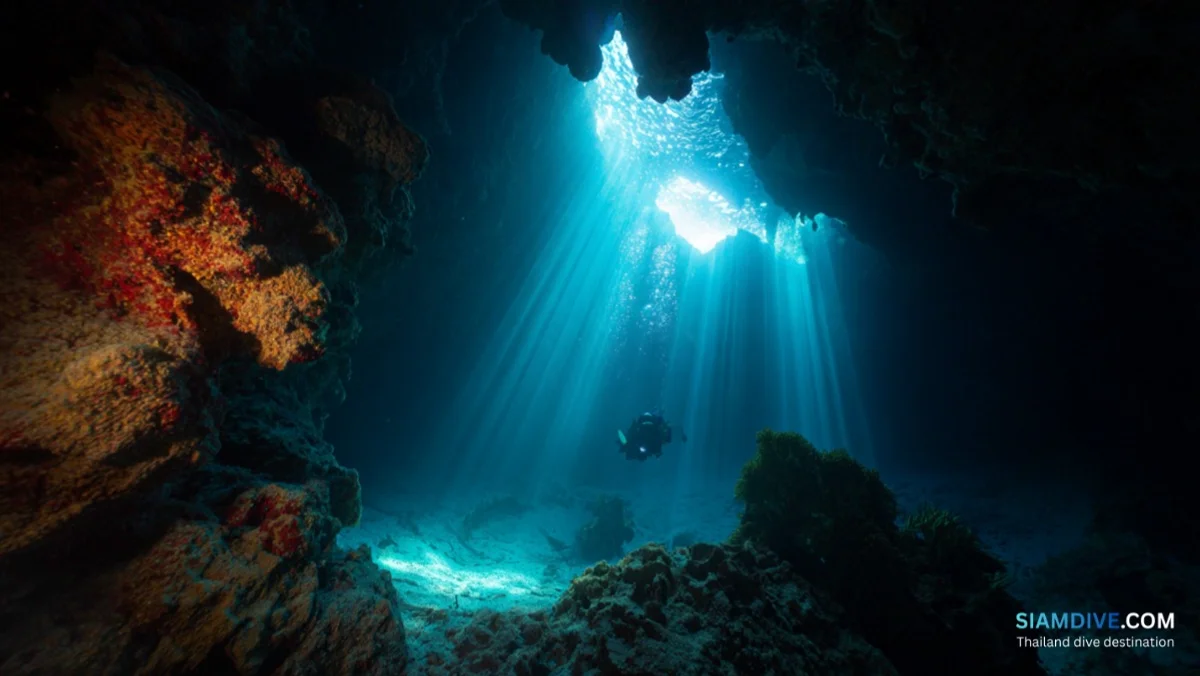
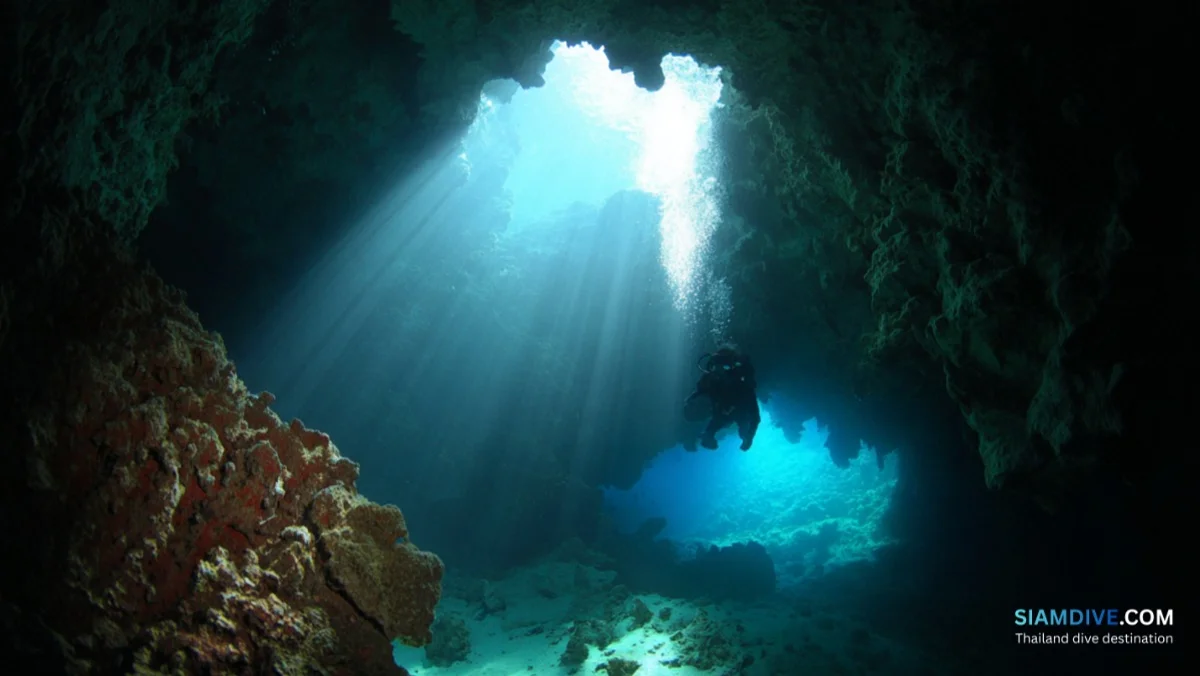
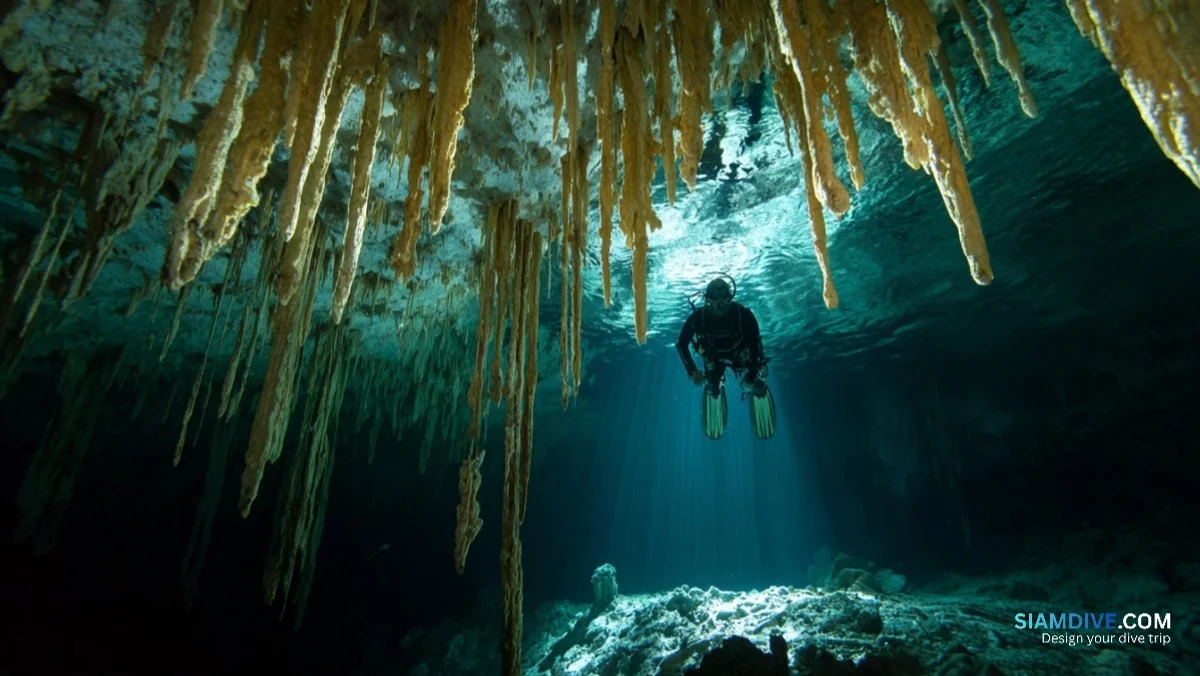
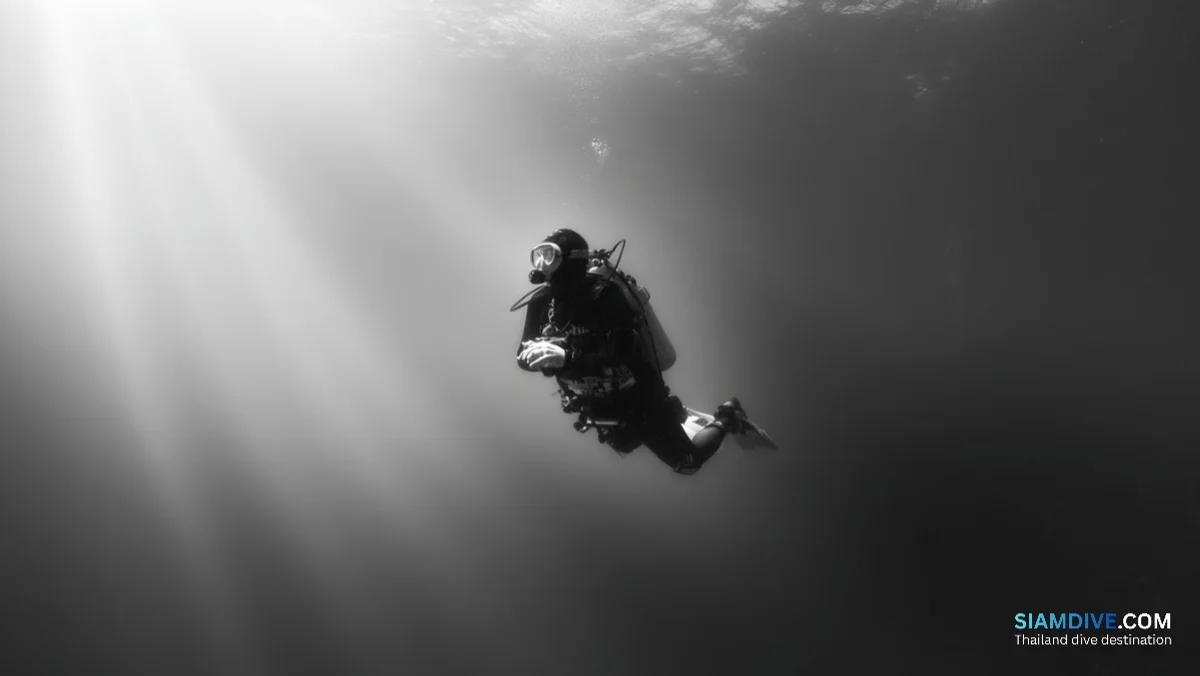
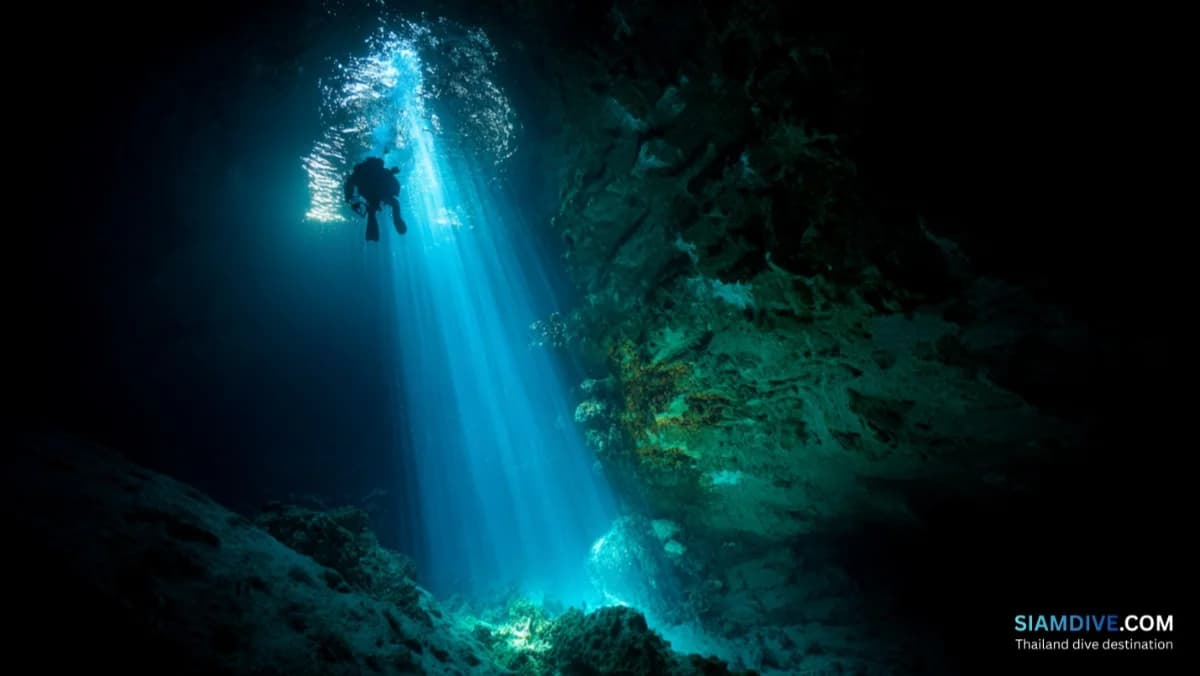
The Cathedral is a massive underwater cavern on the south side of Koh Ha Yai. You enter through a wide opening at around 12 meters depth, and the cave opens into a chamber large enough to fit a house. The ceiling rises above the waterline, creating an air pocket where you can surface, remove your regulator, and look up at the limestone dome overhead. Natural light filters in through cracks and openings, creating blue and green light shafts that shift with the sun angle.
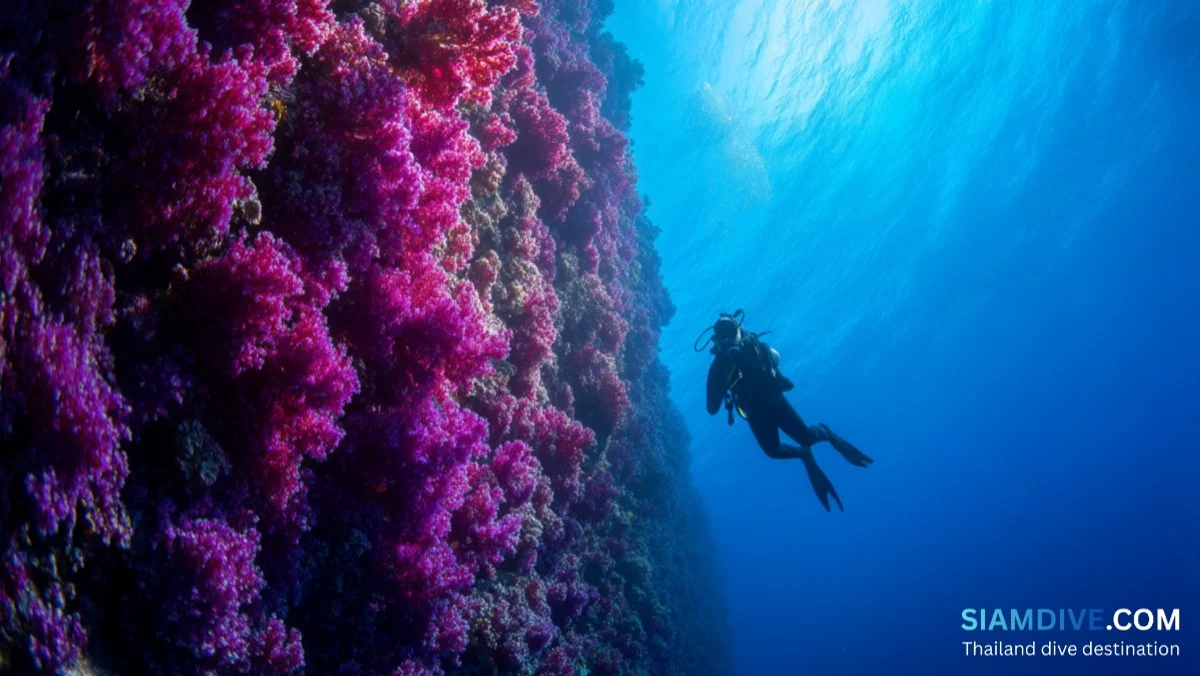
The walls inside are covered in soft corals — reds, oranges, and purples that glow in torchlight. Shrimp and small crabs occupy the darker corners. The acoustics are strange — your bubbles echo off the ceiling, and the sound of the ocean outside fades to near silence.
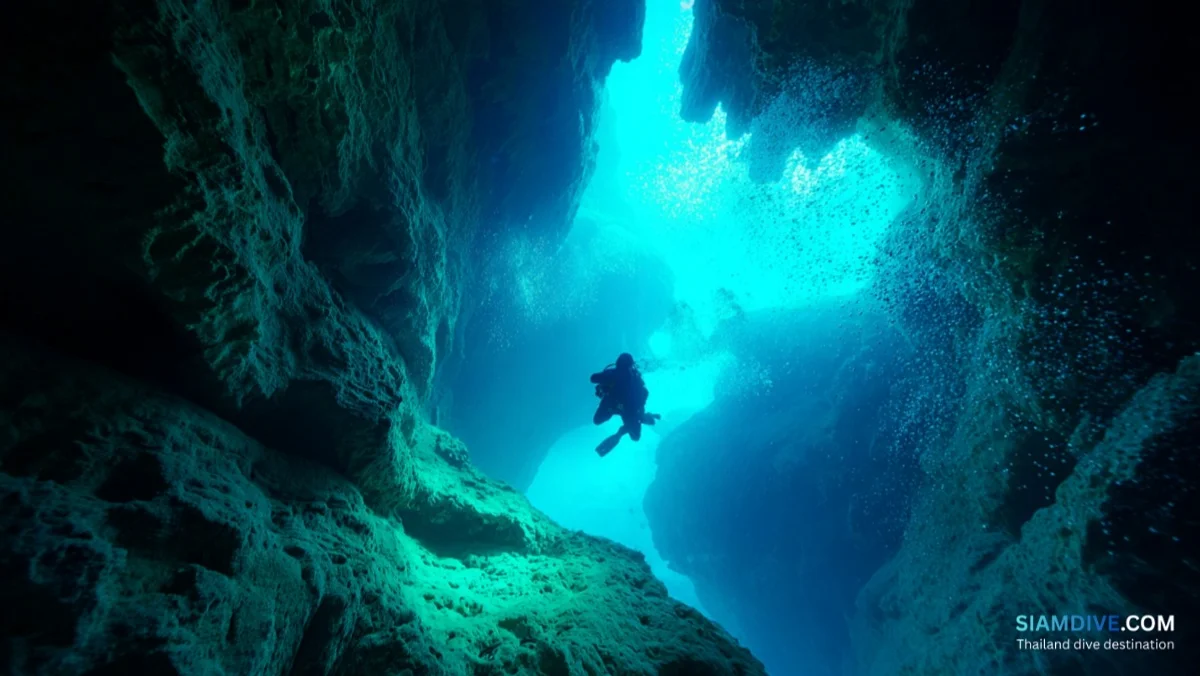
Adjacent to the Cathedral is the Chimney — a vertical shaft that connects a shallower opening to the cave system below. You can descend through the Chimney from about 5 meters, dropping into the Cathedral chamber. Or reverse it, ascending through the narrow passage with light flooding in from above. Either direction provides one of the most photogenic moments in Thai diving.
Other Dive Sites Around Koh Ha Yai
Beyond the Cathedral, Koh Ha Yai has several distinct dive zones worth exploring:
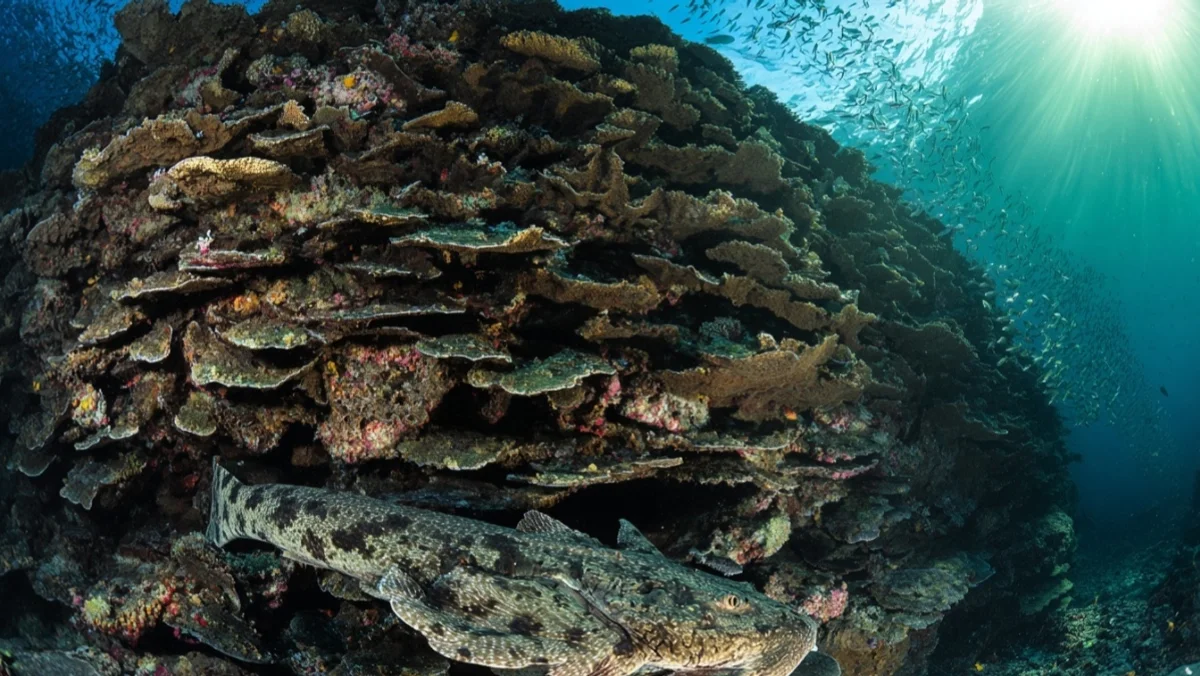
- The Wall — The south and west faces of Koh Ha Yai drop vertically to 30-40 meters. Large gorgonian fans anchor to the wall face, and leopard sharks occasionally rest on ledges at depth. The wall is excellent for drift dives when a mild current pushes along the face.
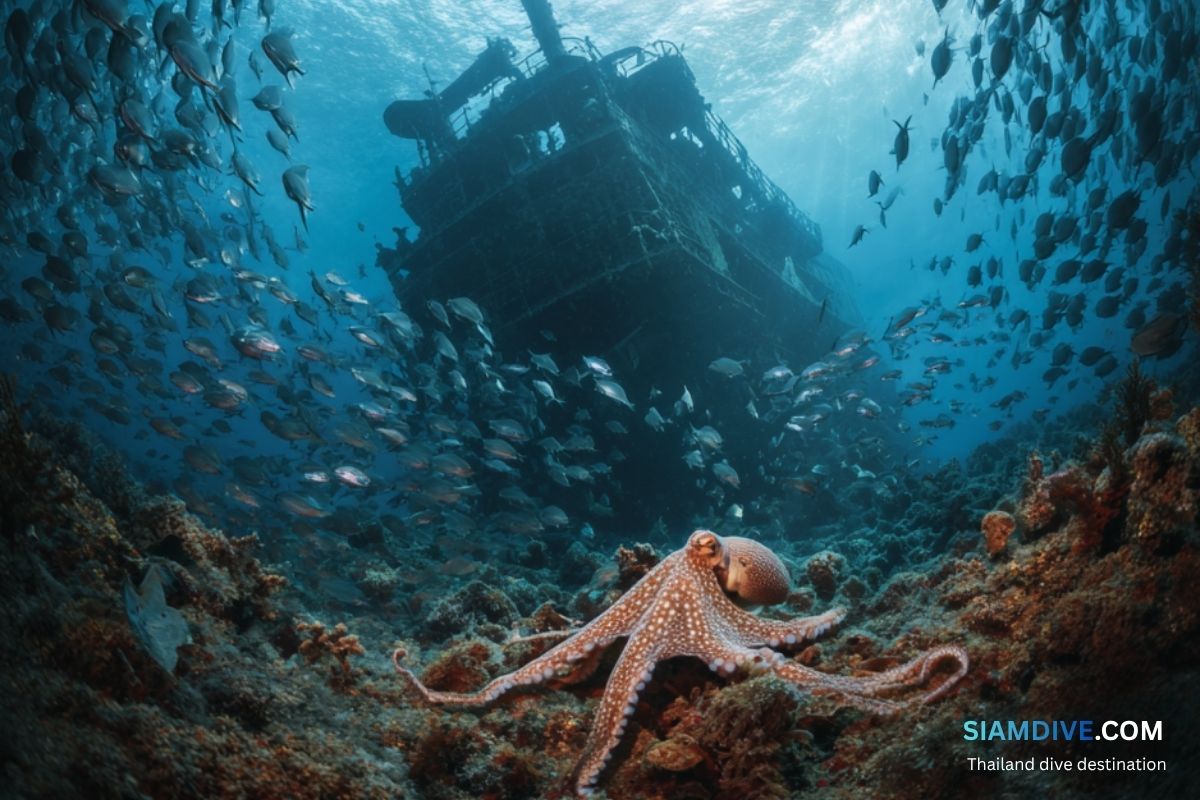
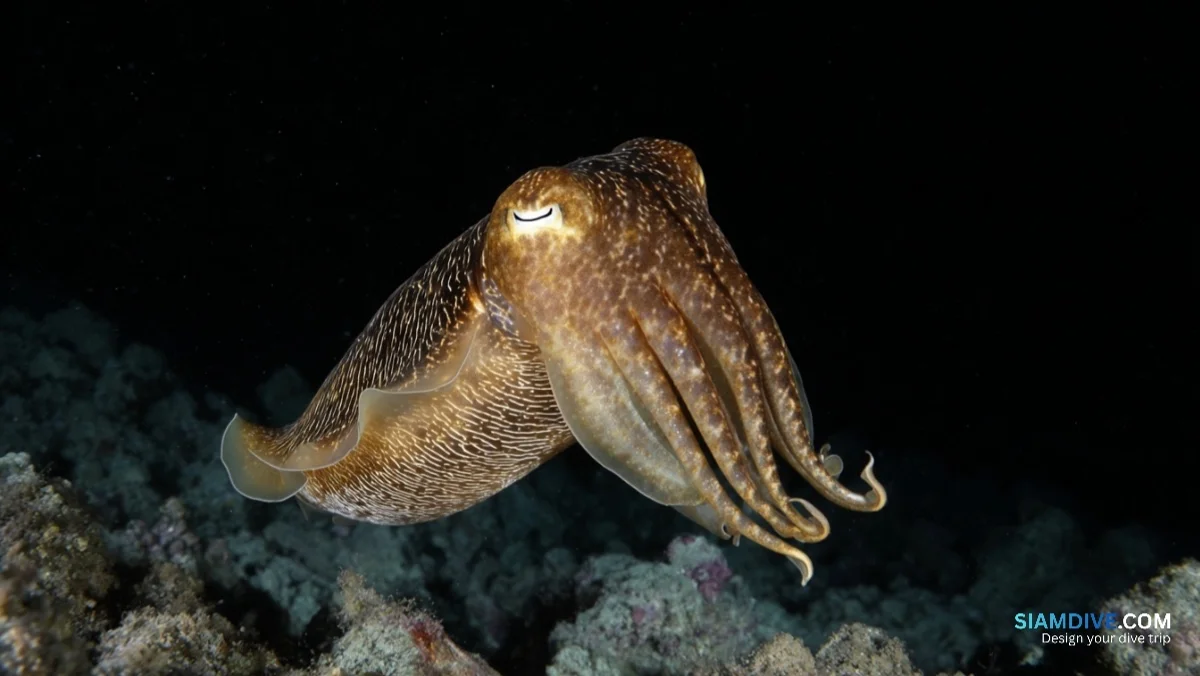
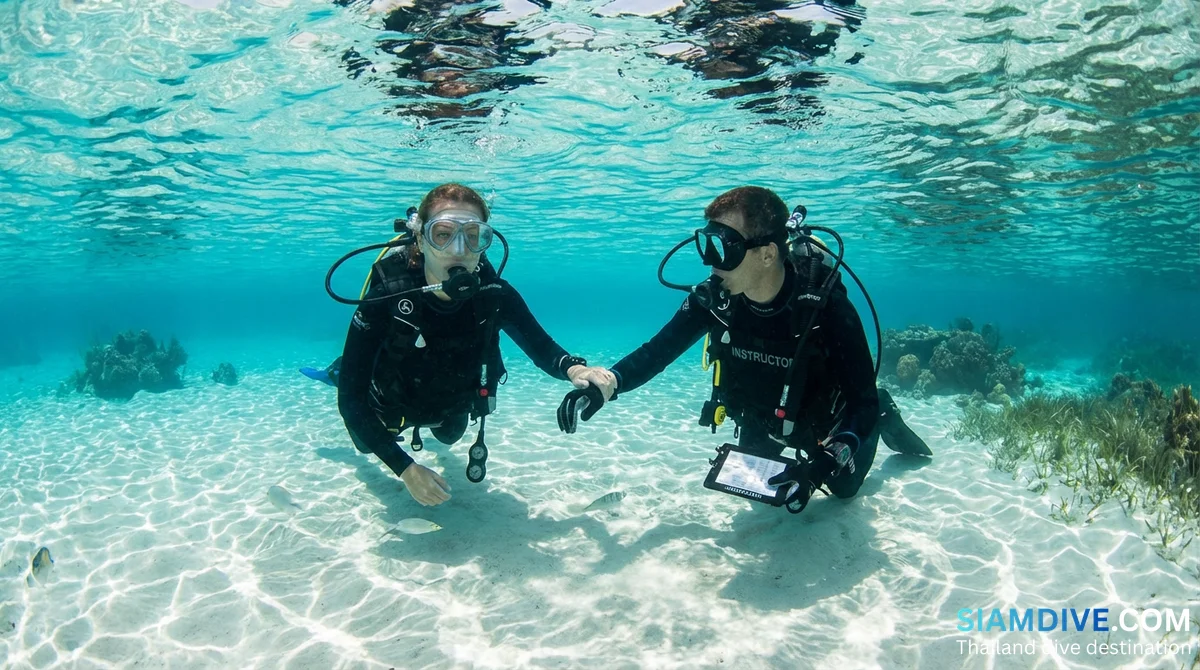
- The Lagoon — A shallow, sheltered area between Koh Ha Yai and the neighboring islands. Depths of 5-15 meters over sandy bottom with coral patches. Perfect for night dives, training dives, and slow macro exploration. Octopus, cuttlefish, and Spanish dancer nudibranchs come out after dark.
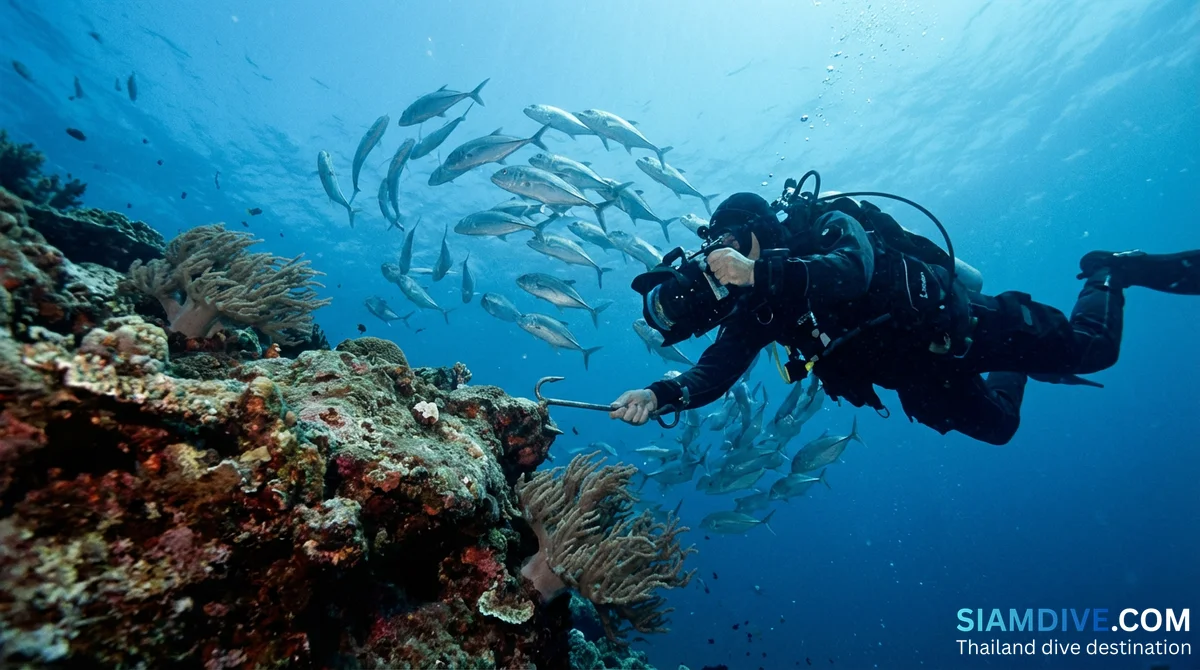
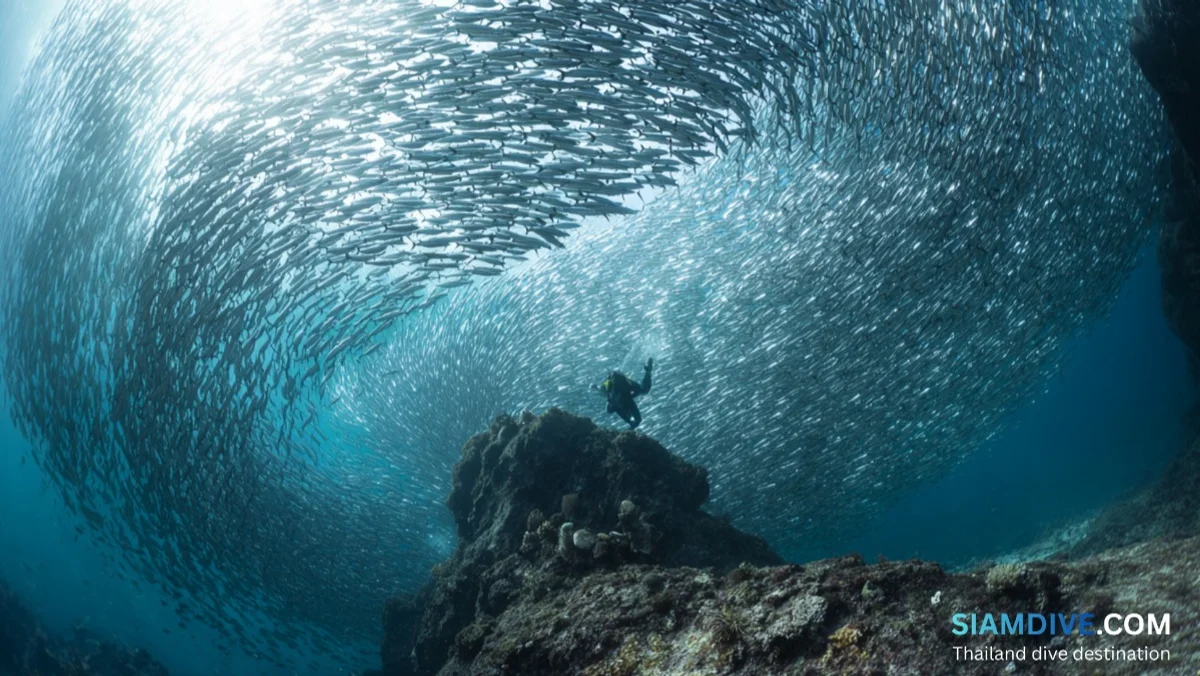
- Pinnacle Sites — Several submerged rocks around the island attract schooling fish. Barracuda, trevally, and fusiliers circle the peaks, and the occasional bamboo shark appears on the sand nearby.
Marine Life You'll Encounter
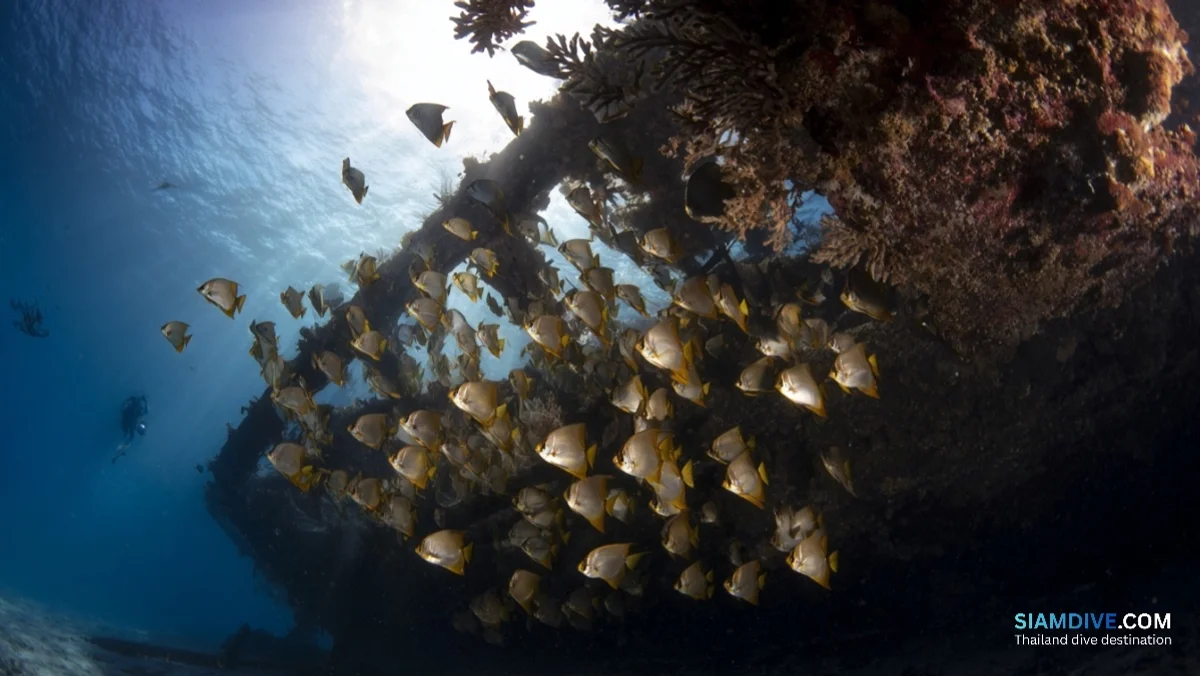
Koh Ha Yai sits in productive Andaman waters, and the national park protections keep fish populations healthy. Reef fish are abundant — schools of snappers, fusiliers, and surgeonfish dominate the water column. Butterflyfish work in pairs along the reef edges, and large parrotfish crunch coral on the shallower sections.
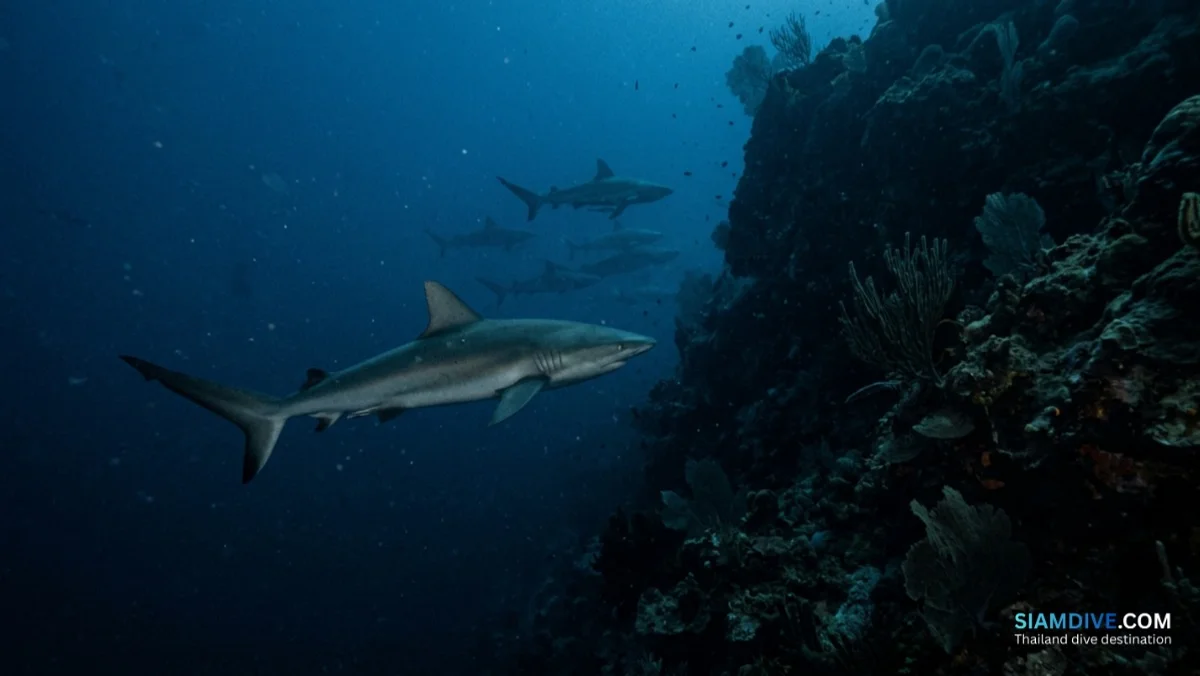
Leopard sharks are one of the highlights. They rest on sandy patches near the wall base, often at 20-25 meters. Patient divers who approach slowly can get within a few meters before they glide away. Blacktip reef sharks cruise the deeper wall sections, more common on morning dives.
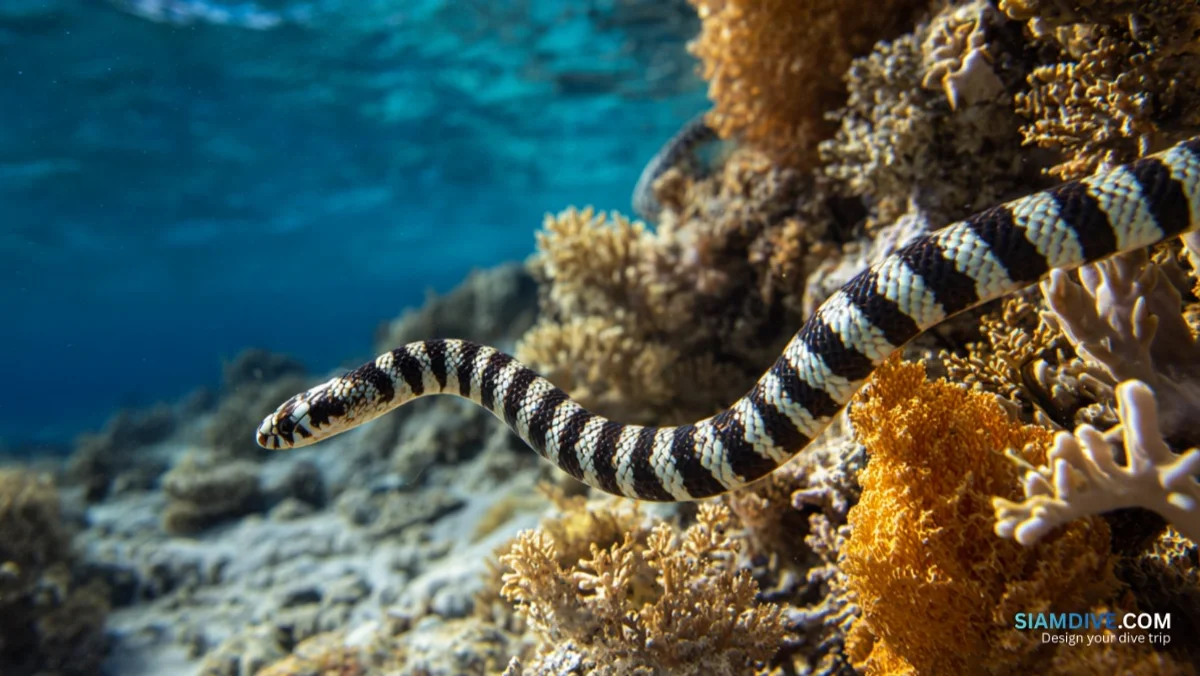
Hawksbill and green sea turtles appear regularly, feeding on sponges along the walls or resting under overhangs. The lagoon area hosts a different cast — cuttlefish display their color-changing abilities on night dives, octopus hunt along the sand, and banded sea kraits sometimes swim past at the surface.
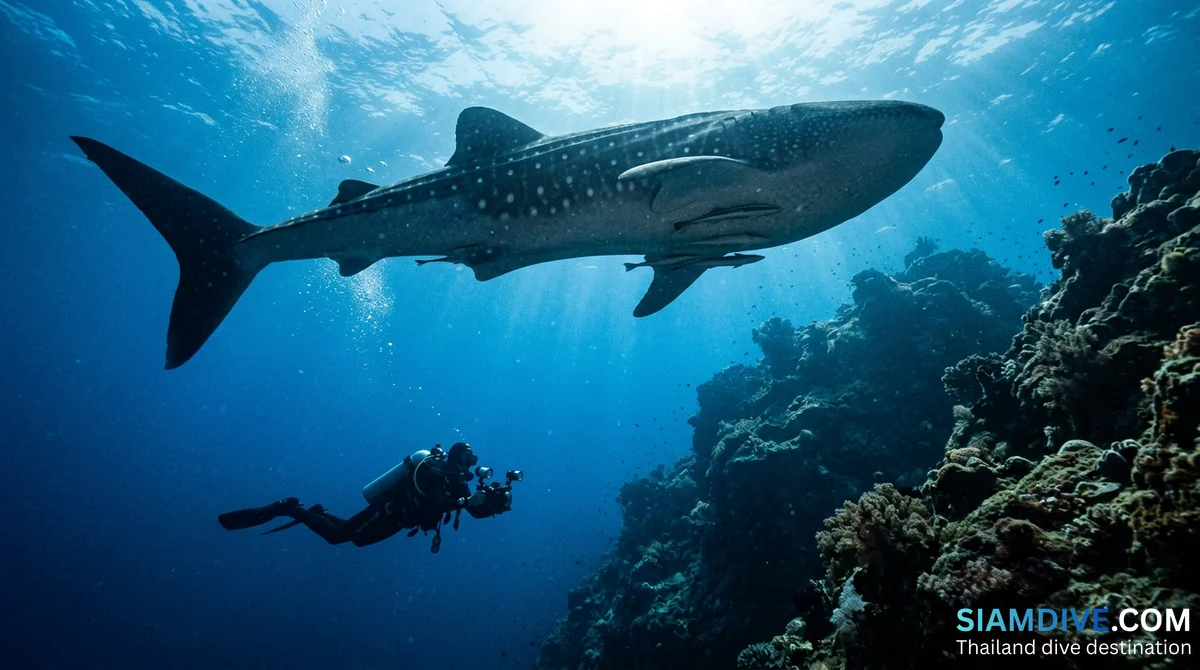
Seasonal bonuses include manta rays from March through April — Koh Ha sits on their travel corridor between Hin Daeng and points further north. Whale sharks pass through occasionally during the same period, though sightings are less predictable than at Richelieu Rock or Hin Daeng.
Best Time to Dive Koh Ha Yai
The diving season runs November through April. Mu Koh Lanta National Park closes during the southwest monsoon from May to October, and sea conditions make the crossing from Lanta dangerous anyway.
December through February is prime time. Visibility peaks at 25-35 meters, seas are flat, and leopard shark encounters are most frequent. March and April bring warmer water (up to 30°C), increased plankton that attracts mantas, but slightly reduced visibility at 15-25 meters.
November is underrated. The park has just reopened, dive boats are uncrowded, and conditions are usually already good. It's the best month for divers who dislike sharing sites with ten other boats.
Water temperature stays between 27-30°C throughout the season. A 3mm wetsuit handles most conditions; a 5mm might be welcome on early morning wall dives in December when thermoclines occasionally push cooler water up from depth.
How to Get There
Koh Ha Yai is a boat trip from Koh Lanta — no accommodation exists on the islands and no ferries serve them.
Day trips from Koh Lanta depart from Ban Sala Dan pier on the north end of the island. Speedboats take about 45-60 minutes. Dive operators on Lanta run Koh Ha trips almost daily during season, typically offering two dives plus lunch for 3,500-5,000 THB per person including gear.
From Krabi: Take a ferry or minivan to Koh Lanta (1.5-2 hours), then join a dive trip from there. Some Krabi-based operators run direct Koh Ha speedboat trips, but the crossing is longer.
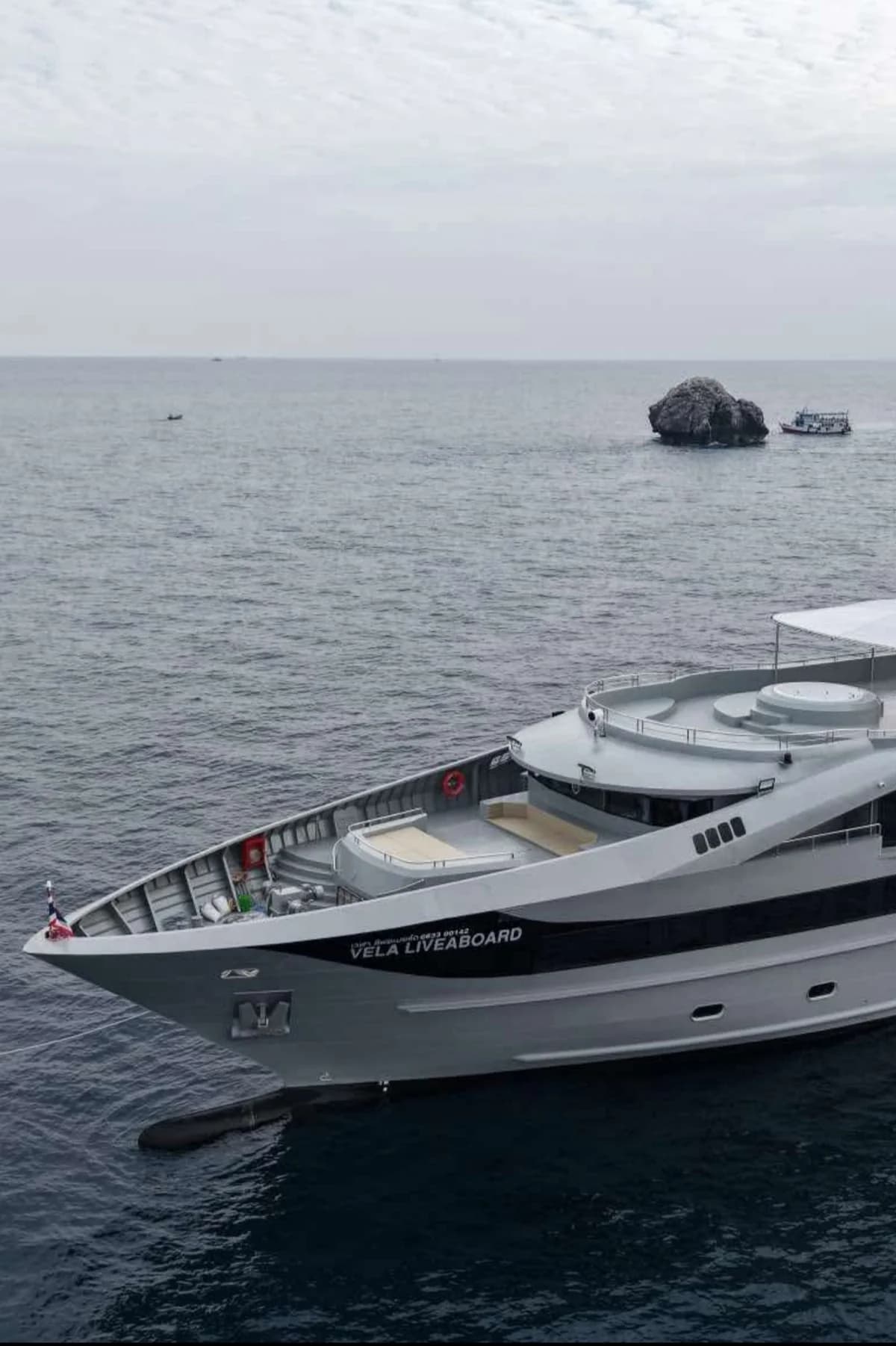
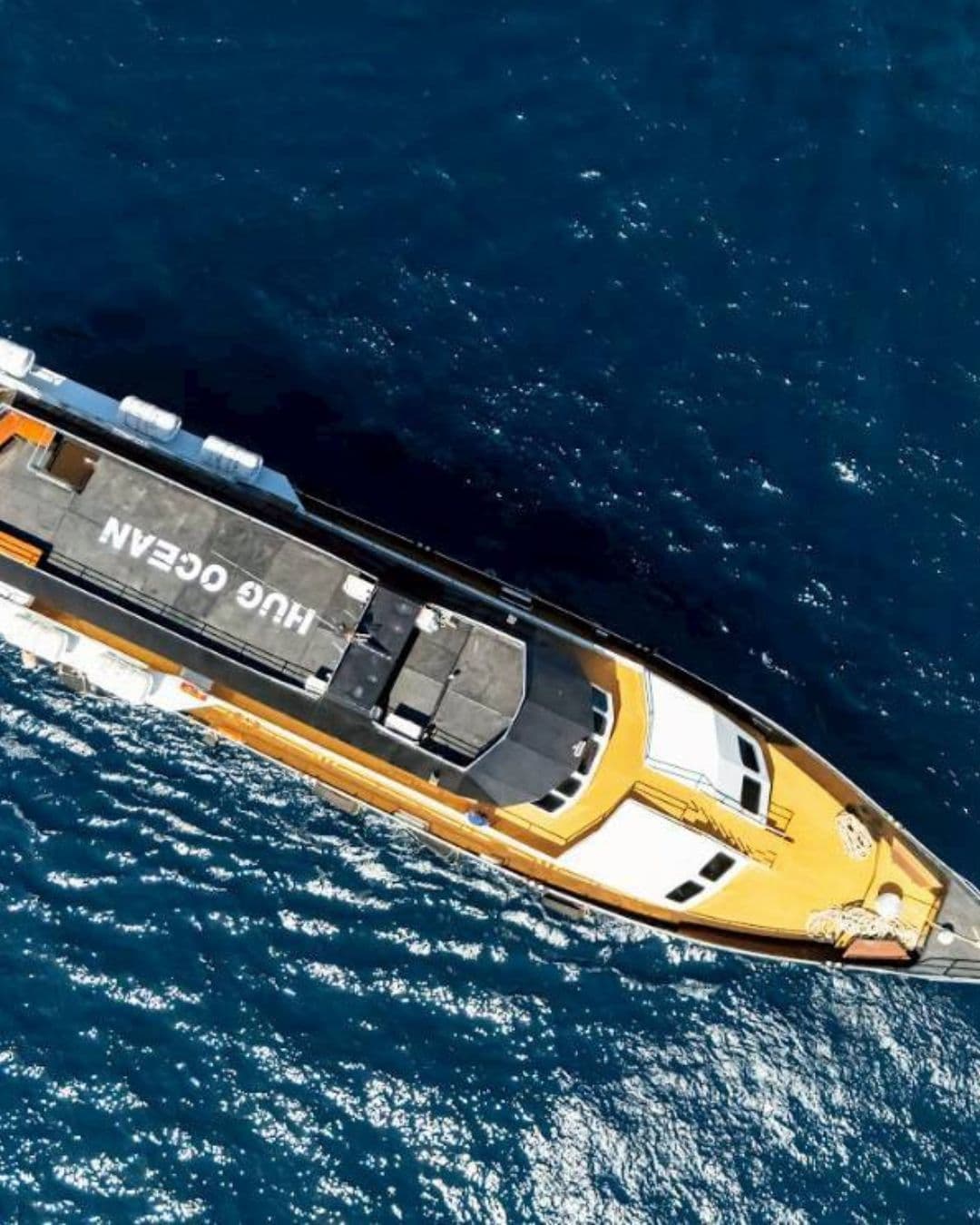
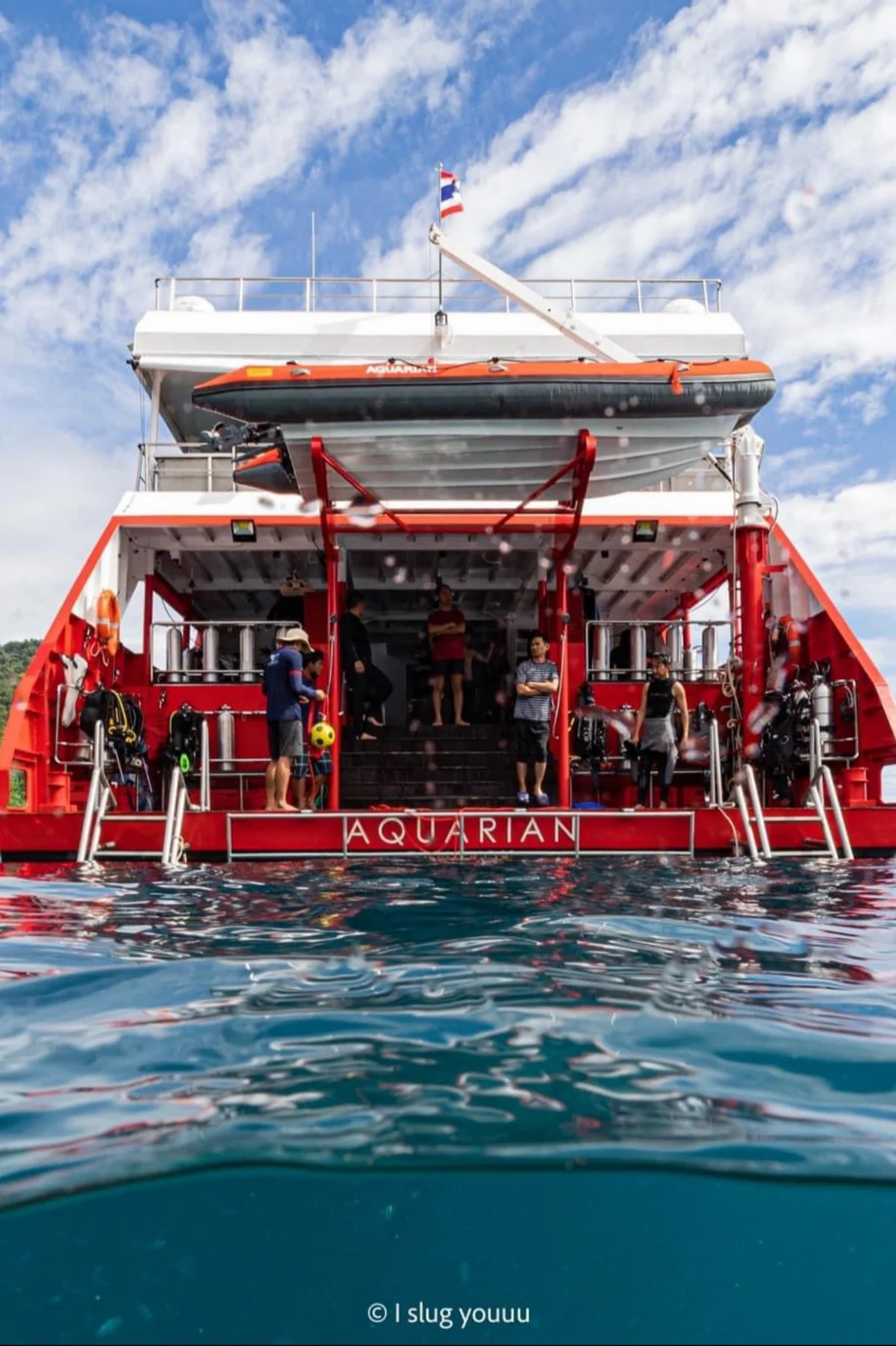
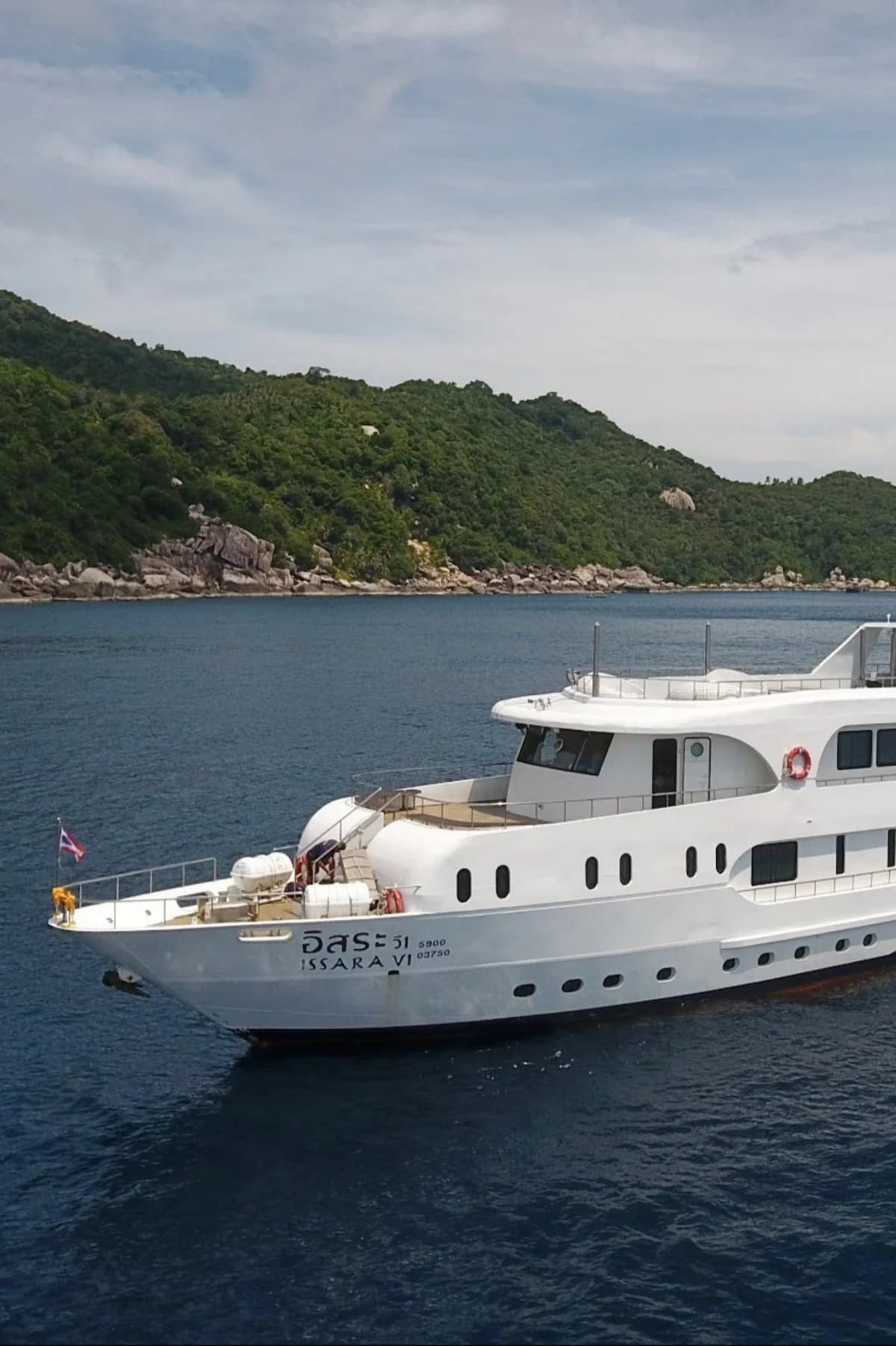
Liveaboard access: Many southern Andaman liveaboards include Koh Ha as a stop between the Phi Phi Islands and Hin Daeng/Hin Muang. This gives you multiple dives at the site, including the option of night diving in the lagoon — something day-trippers miss entirely.
National park fee: 400 THB for foreigners, valid for the duration of your park visit.
Tips for Diving Koh Ha Yai
- Don't skip the Cathedral — Even if you normally avoid enclosed spaces, the Cathedral is wide open and well-lit. It's a swim-in cavern, not a cave. No overhead environment risk for certified divers.
- Bring a torch — The soft corals inside the Cathedral come alive under artificial light. Without a torch, you'll miss the reds and oranges that make the cave special.
- Watch your bubbles in the cave — Exhaled air gets trapped against the ceiling and can damage the formations over time. Stay low and move slowly to minimize bubble impact.
- Request the Chimney route — Some operators skip the Chimney to save time. Ask specifically for it — the vertical swim-through is the most photographed feature on the island.
- Night dive the lagoon — Only possible on liveaboards or extended trips, but the lagoon night dive is among the best in the Andaman. Cuttlefish, octopus, and Spanish dancers in calm, clear water.
- Manage your depth on the wall — The south wall keeps going past 40 meters. Set a max depth alarm and resist the pull of the blue. The best coral and marine life concentrates between 15-25 meters anyway.
Plan Your Koh Ha Yai Dive Trip
Koh Ha Yai gives you the rare combination of world-class topography, healthy marine life, and reliable conditions — all within an easy day trip from Koh Lanta. The Cathedral alone is worth the boat ride, but the walls, the lagoon, and the chance encounters with leopard sharks and mantas make it a site you'll want to revisit. Check Koh Lanta dive packages and southern Andaman liveaboard routes at siamdive.com.